











Selection and performance influencing factors of electrode plates and wires for electrostatic precipitators
Feb 26,2026

Electrostatic precipitator (ESP) is a key equipment for industrial flue gas purification, widely used in industries such as power and metallurgy due to its advantages of high efficiency, stability, and large air volume. The selection of polar plates and wires as core components directly determines dust removal efficiency, operational stability, and service life, while also affecting energy consumption and maintenance costs.
1、 The core function and basic selection principles of polar plates and wires
The electrode plate and electrode wire form the core circuit of the high-voltage electric field: the electrode wire (cathode) charges the dust through corona discharge, and the electrode plate (anode) adsorbs the charged dust and peels it off through vibration. Selection should follow three principles, balancing practicality and adaptability.
(1) Principle of adaptation to working conditions
It is necessary to match the flue gas parameters (temperature and humidity, corrosiveness), dust characteristics (particle size, specific resistance, viscosity), and processing air volume to avoid problems such as dust accumulation and corrosion. For example, high-temperature corrosion scenarios require the selection of materials that are resistant to high temperatures and corrosion, while high specific resistance dust requires structural optimization to improve charging efficiency.
(2) Principle of efficient dust removal
The electrode plate should have strong adsorption and good dust cleaning effect to reduce secondary dust flying; The discharge of the electrode wire should be stable and not prone to dust accumulation (to avoid electrode wire enlargement), ensuring the strength of the electric field.
(3) Principles of Durability and Economy
Prioritize the use of corrosion-resistant and wear-resistant materials to reduce operation and maintenance costs; Balancing processing and installation convenience, adapting to the transportation and on-site installation needs of foreign trade equipment.
2、 Common Types and Selection Points of Polar Plates
As an anode, the structure and material of the electrode directly affect the adsorption and dust removal effect. The common types are divided into two categories: flat plate type and flat plate type.
(1) Common types and characteristics of electrode plates
1. Flat plate type electrode plate: simple structure, low cost, divided into ordinary flat plate and corrugated flat plate. Ordinary flat plates have a large adsorption area but are difficult to clean, making them suitable for low viscosity and low to medium concentration dust; The corrugated flat plate has a larger adsorption area, higher stiffness, and better dust cleaning effect, making it suitable for medium to high concentration dust.
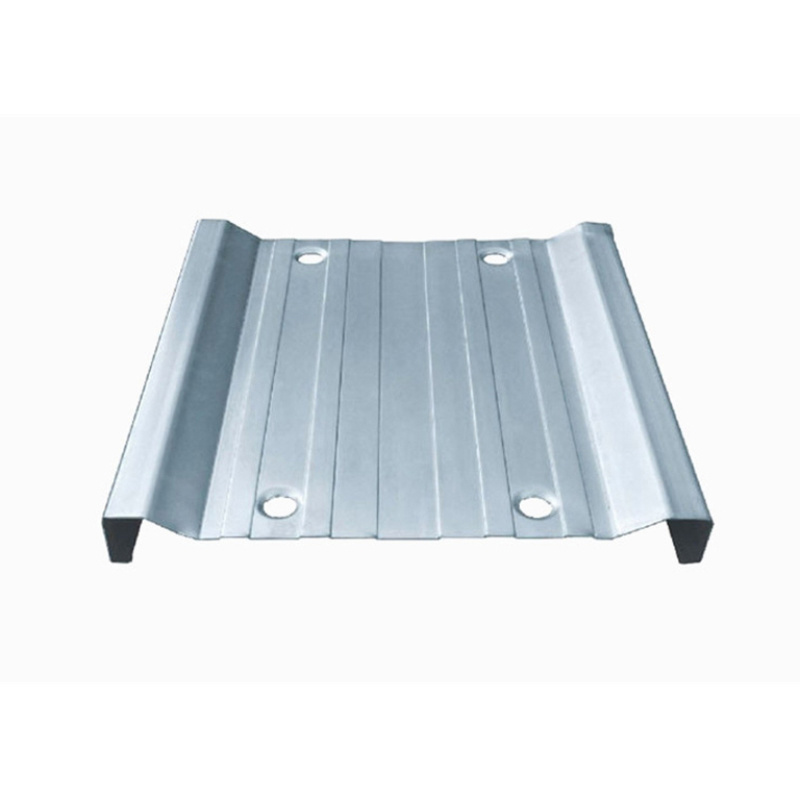
2. Type Plate Plate: Industrial mainstream selection (such as C type, Z type, CS type), optimizing electric field distribution and dust cleaning performance, reducing secondary dust flying, high rigidity, deformation resistance, suitable for complex working conditions such as high concentration, high wind speed, and high viscosity dust.
(2) Core Points for Plate Selection
1. Material selection: Carbon steel is used for non corrosive materials at room temperature, heat-resistant steel is used for high temperatures (200-400 ℃), and stainless steel, titanium alloy, or anti-corrosion coating is used for corrosive gases to avoid corrosion damage.
2. Structural adaptation: Priority should be given to selecting plate types for high specific resistance dust to reduce back corona; Large particle dust can be treated with corrugated plates to enhance adsorption stability.
3. Size matching: Suitable for the dust collector housing, pole line spacing, and vibration device to ensure uniform electric field and no dead corners of dust accumulation.
3、 Common Types and Selection Points of Polar Lines
The polarity (cathode) determines the corona intensity and charging efficiency, and requires stable discharge, resistance to dust accumulation, corrosion resistance, and high strength characteristics. Common types include spike type and wire rope type.
(1) Common types and characteristics of polar lines
1. Wire rope type polar wire: Low cost, including circular wire, star wire, and spiral wire. Circular wire discharge is uniform but weak in intensity, prone to dust accumulation, suitable for low concentration fine particle dust; Star shaped discharge is stronger, with less dust accumulation, suitable for medium concentration dust; Spiral line has good elasticity and excellent dust cleaning, suitable for high wind speed scenarios, but requires high processing accuracy.
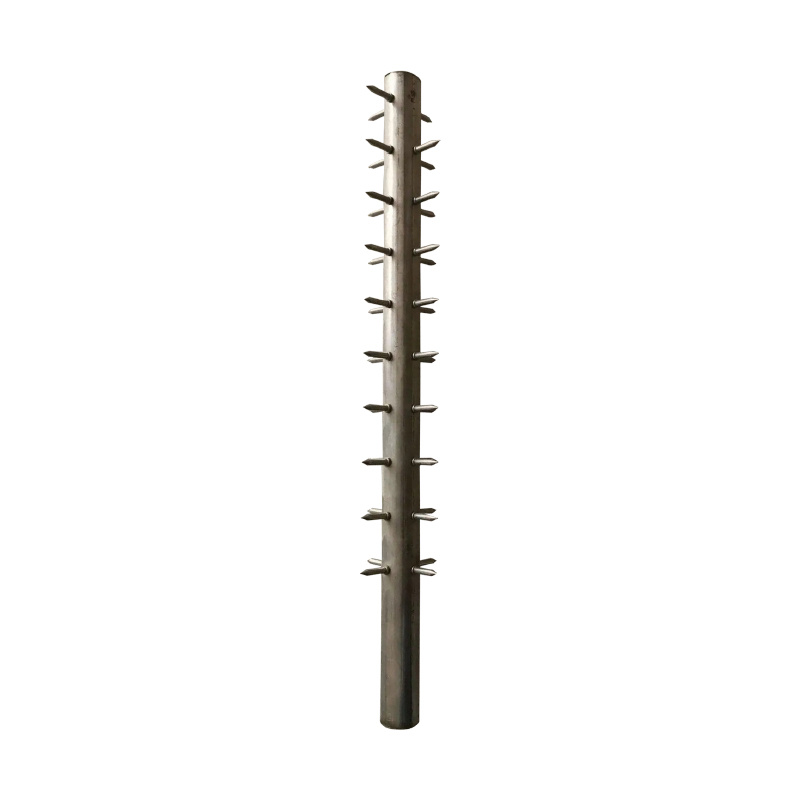
2. Spike type polar wire: Efficient mainstream selection (such as RS spike wire, sawtooth wire), strong discharge, high charging efficiency, can handle high concentration, high specific resistance dust, easy dust cleaning, but spikes are prone to wear and require high-strength materials to adapt to complex working conditions.
(2) Core Points for Polar Line Selection
1. Discharge performance: For high concentration and high specific resistance dust, the burr type is preferred; Low concentration fine particulate dust can be selected with star shaped or spiral lines, taking into account both economy and efficiency.
2. Material adaptation: Consistent with the material logic of the electrode plate, while ensuring mechanical strength and avoiding vibration fracture.
3. Layout spacing: The distance between the pole lines and the electrode plates is 150-300mm, and the distance between the pole lines is 200-400mm to ensure uniform electric field and avoid the risk of corona shielding or discharge breakdown.
4、 Key factors affecting the performance of polar plates and wires
In addition to selection, factors such as flue gas conditions, equipment design, and operation and maintenance directly affect the performance of polar plates and wires, and four major aspects need to be focused on.
(1) Characteristics of smoke and dust factors
Excessive flue gas temperature can lead to material deformation and corrosion, while insufficient temperature can cause condensation of water vapor and exacerbate ash accumulation; Corrosive gases can damage the polar wires of the electrode plates; High specific resistance dust causes back corona, high viscosity dust exacerbates dust accumulation, and large particle dust accelerates wear.
(2) Structural design factors
The spacing between electrode plates and wires needs to be precisely designed. If it is too wide, it will reduce the charging efficiency, and if it is too narrow, it may cause discharge faults; The vibration parameters need to be adapted to the material structure. Excessive strength will aggravate wear, while insufficient strength will lead to dust accumulation; Unreasonable arrangement can create electric field blind spots and reduce dust removal efficiency.
(3) Material and processing accuracy factors
The purity, strength, and corrosion resistance of materials determine durability, and unqualified materials are prone to corrosion and fracture; Insufficient processing accuracy (such as uneven electrode plates and sharp burrs) can affect the electric field and discharge performance.
(4) Operation and maintenance factors
Failure to clean and inspect in a timely manner can lead to ash accumulation, clumping, and the expansion of faults; Improper cleaning method exacerbates corrosion; Exceeding the applicable range of working conditions will accelerate component aging.
5、 Selection and operation precautions in foreign trade scenarios
Considering the unique nature of foreign trade scenarios, it is necessary to pay extra attention to four points to ensure equipment compatibility and compliance.
1. Adapt to local operating conditions: Conduct research on the characteristics of local flue gas (such as high corrosion in Europe and America, high temperature and humidity in Southeast Asia), and select targeted models.
2. Comply with environmental standards: Optimize the selection according to local smoke and dust emission requirements, taking into account both dust removal efficiency and energy consumption.
3. Suitable for transportation and installation: Choose compact and high-strength components for easy long-distance transportation and on-site installation.
4. Simplify operation and maintenance: prioritize easy to maintain and replaceable components, provide clear operation and maintenance manuals, and reduce costs for overseas users.
The selection of electrode plates and wires requires comprehensive consideration of working conditions, efficiency, and economy, as well as proper operation and maintenance, in order to ensure the stable operation of ESP. In the context of foreign trade, precise adaptation to regional operating conditions and environmental requirements is the key to long-term compliance and operation of equipment.
Hot Tags:


Contact Us
Tel:
WeChat:
WhatsApp:
E-mail:
Address:
338 National Road South, Longfengdian Village, Botou City, Hebei Province, China
JiuznTomine is expertly delivering technically complicated projects in markets & provides custom solutions for their customized need.


CONTACT INFO
Tel: +86 18531710311
WeChat: +86-18531710311
338 National Road South, Longfengdian Village, Botou City, Hebei Province, China