












Common troubleshooting and solutions for bag dust collectors
Feb 26,2026

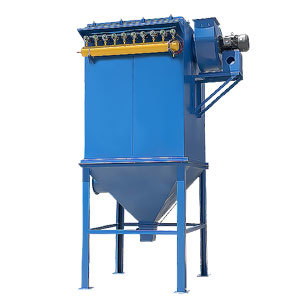
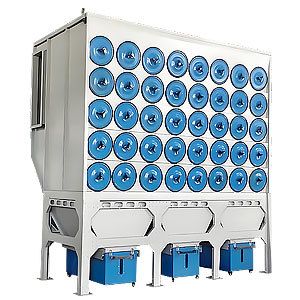
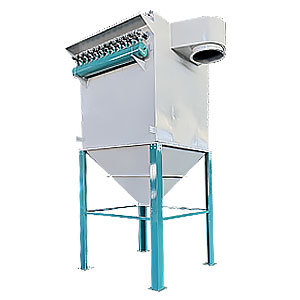
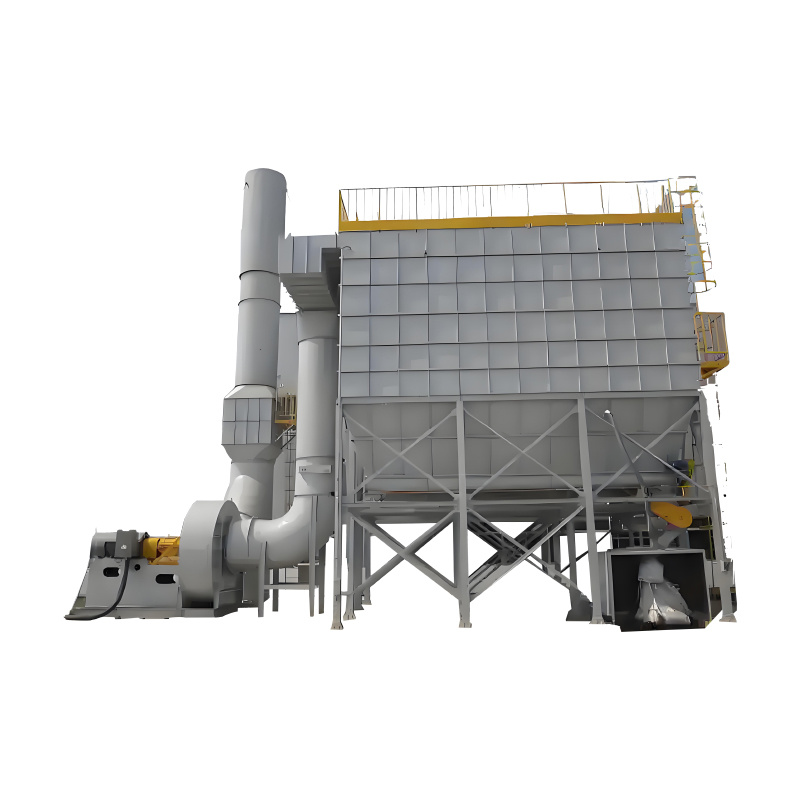
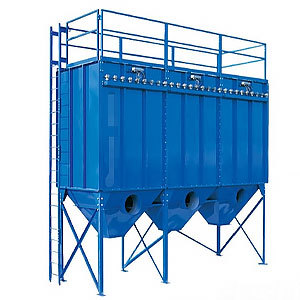
As the core equipment for dust treatment in industrial production, bag filter is widely used in various fields such as mining, chemical industry, building materials, metallurgy, etc. Its operational stability directly affects production efficiency and environmental compliance. During long-term high load operation, various malfunctions are inevitable due to factors such as operating conditions, material characteristics, and equipment aging.
1、 Excessive dust at exhaust outlet (most common fault)
Fault phenomenon
There is obvious dust overflow from the exhaust port of the dust collector, visible dust emission to the naked eye, and even accompanied by dust agglomeration. At the same time, there may be problems such as decreased dust removal efficiency and chimney ash emission, and in severe cases, it may violate environmental emission standards.
Troubleshooting steps
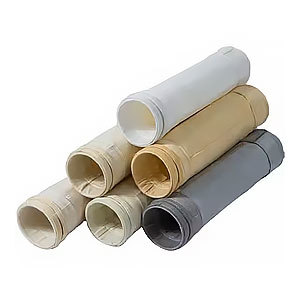
1. Prioritize checking the status of the filter bag: check whether the filter bag is damaged, detached, aged, or stuck, which is the main reason for excessive dust;
2. Check the installation of the filter bag: confirm whether the filter bag is installed in place, whether the bag opening seal (such as the sealing gasket) is aged or damaged, and whether there is looseness that may cause dust leakage;
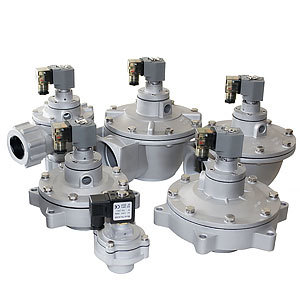
3. Check the dust cleaning system: Check whether the pulse valve and spray pipe are working properly, whether there are problems such as blockage, air leakage, insufficient spray force, etc., which cause the dust accumulation in the filter bag to be unable to be effectively removed;
4. Check the sealing performance of the shell: Check whether there are gaps in the dust collector shell, maintenance door, and flange connections, whether the sealing components are intact, and whether there is any air leakage;
5. Check the intake concentration and working conditions: Confirm whether the dust concentration entering the dust collector exceeds the equipment design range, and whether there are situations such as high material humidity and dust agglomeration.
solution
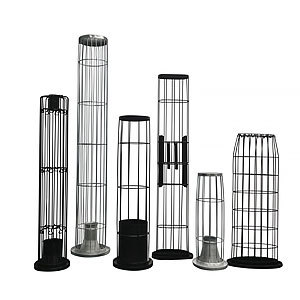
1. Damaged/aged filter bag: Immediately replace the damaged or aged filter bag, using filter bag materials that match the working conditions (such as Flumes and PTFE materials for high temperature working conditions, and waterproof and oil proof filter bags for high humidity working conditions). At the same time, check whether the filter bag frame is deformed, and replace the deformed frame synchronously;
2. Filter bag installation/sealing issues: Reinstall the filter bag, ensure that the bag opening is tightly pressed, replace aging or damaged sealing gaskets, and apply sealant to enhance sealing performance;
3. Dust cleaning system malfunction: Disassemble and clean the pulse valve, replace the damaged pulse valve diaphragm, unblock the blocked spray pipe, adjust the spray pressure (generally controlled at 0.3-0.6MPa) and spray cycle to ensure the dust cleaning effect;
4. Shell air leakage: Seal the gaps and flange connections of the shell, replace damaged maintenance door seals, and prevent external air from entering and causing secondary dust flying;
5. Abnormal working conditions: Adjust the front-end dust pretreatment equipment, reduce the concentration of incoming dust, control material humidity, and avoid dust clumping and adhering to the surface of the filter bag.
2、 Filter bag blockage
Fault phenomenon
The pressure difference between the inlet and outlet of the dust collector significantly increases (the normal pressure difference is generally 1000-1500Pa, and can rise to over 2000Pa after blockage), the operating load of the fan increases, the air volume decreases significantly, the equipment processing efficiency decreases, and in severe cases, it may cause the fan to overload and trip.
Troubleshooting steps
1. Check the pressure difference between imports and exports: confirm whether the pressure difference exceeds the standard through a pressure difference gauge, and determine the degree of filter bag blockage;
2. Check the dust cleaning system: check whether the pulse valve spraying frequency and pressure are normal, whether the spraying pipe is aligned with the filter bag mouth, and whether there are any blind spots for spraying;
3. Analyze material characteristics: Confirm whether the dust has high humidity, high viscosity, or contains impurities such as oil and water vapor, which cause the dust to adhere to the surface of the filter bag and cannot be removed;
4. Check the service life of the filter bag: Check whether the filter bag has reached its service life, and whether there are any signs of clogging or bag sticking on the surface;
5. Check the intake temperature: Confirm whether the intake temperature is too high or too low. Too high may cause deformation of the filter bag, while too low may cause condensation of water vapor, exacerbating the blockage of the filter bag.
solution
1. Mild blockage: Adjust the parameters of the dust cleaning system, increase the blowing frequency, increase the blowing pressure, extend the cleaning time, and perform forced dust cleaning;
2. Moderate blockage: Remove the filter bag, clean it with compressed air blowing, water rinsing (neutral detergent can be used for waterproof and oil proof filter bags), and reinstall it after drying;
3. Severe blockage/bag sticking: Replace the filter bag directly, optimize the working conditions, control the intake humidity and temperature, and avoid sticky dust entering the dust collector;
4. Long term prevention: Regularly check the operation status of the dust cleaning system, adjust the dust cleaning parameters according to the characteristics of the dust, regularly clean the surface dust of the filter bag, and avoid long-term overload operation of the filter bag.
3、 Pulse valve malfunction
Fault phenomenon
If the pulse valve does not operate or operates sensitively, or if there is air leakage or weak blowing, the dust cleaning system may fail, leading to chain problems such as filter bag blockage and excessive dust. Some faults may be accompanied by abnormal noise, electromagnetic valve heating, and other phenomena.
Troubleshooting steps
1. Check the power supply system: Confirm whether the power supply voltage of the pulse valve solenoid valve is normal, and whether there are any problems such as open circuits, short circuits, poor contacts, etc. in the circuit;
2. Check the air source pressure: Check whether the compressed air pressure meets the equipment requirements (0.3-0.6MPa), and whether the air source has high water content, excessive impurities, and other conditions;
3. Disassemble and inspect the pulse valve: check whether the pulse valve diaphragm is damaged, aged, or deformed, whether there are impurities blocking the valve body, and whether the valve core is flexible;
4. Check the controller: Confirm whether the output signal of the pulse controller is normal and whether there is a program fault that causes abnormal operation of the pulse valve.
solution
1. Power supply/line issues: Repair broken or short circuited lines, tighten loose wiring terminals, and ensure stable power supply voltage;
2. Air source issue: Adjust the compressed air pressure to the standard range, install an oil-water separator, regularly discharge moisture and impurities from the air source to avoid damaging the pulse valve;
3. Damage to pulse valve components: Replace damaged diaphragm, valve core and other components, clean impurities in the valve body, and ensure flexible operation of the pulse valve;
4. Controller failure: Restart the pulse controller, restore the factory settings, and re debug the program. If the controller is damaged, it needs to be replaced with a new one.
4、 Excessive ash accumulation/blockage in the ash hopper
Fault phenomenon
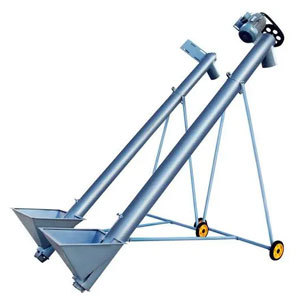
Excessive dust accumulation in the ash hopper may even lead to ash overflow, causing the discharge device (screw conveyor, star shaped unloader) to fail to discharge ash properly. In severe cases, it may cause blockage of the internal channels of the dust collector, affecting the normal operation of the equipment.
Troubleshooting steps
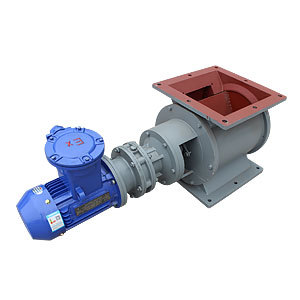
1. Check the feeding device: Check if the screw conveyor and star shaped unloader are operating normally, and if there are any issues such as material jamming, motor overload, or bearing damage;
2. Check the structure of the ash hopper: Check if there are any dead corners where dust accumulates, whether there are scars or clumps on the inner wall, which prevent dust from falling smoothly;
3. Investigate dust characteristics: Confirm whether the dust has high viscosity, high humidity, and whether it has been damp and clumped in the ash hopper;
4. Check the ash hopper heating device: If the equipment is equipped with an ash hopper heating device, confirm whether the heating device is working properly to avoid dust agglomeration caused by water vapor condensation.
solution
1. Cleaning up accumulated dust: Stop the equipment operation, open the ash hopper maintenance door, and use manual cleaning or compressed air blowing to remove the accumulated dust and clumps inside the ash hopper;
2. Repair the feeding device: repair or replace faulty screw conveyors and star shaped unloaders, clean the stuck materials in the feeding channel, and ensure smooth ash discharge;
3. Treatment of ash hopper scars: Clean the scars and clumps on the inner wall of the ash hopper, apply anti stick coating if necessary, and reduce dust adhesion;
4. Turn on the heating device: Ensure the normal operation of the ash hopper heating device, control the temperature inside the ash hopper, avoid water vapor condensation, optimize the working conditions, and reduce dust humidity.
5、 Abnormal operation of the fan
Fault phenomenon
If the fan produces abnormal noise, excessive vibration, high temperature rise, or insufficient air volume or abnormal air pressure, it may cause the fan to shut down and affect the operation of the entire dust removal system.
Troubleshooting steps
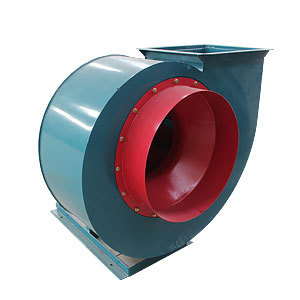
1. Check the fan impeller: Check whether the impeller has excessive dust accumulation, severe wear, deformation, imbalance, etc;
2. Check the fan bearings: Check if the bearings are poorly lubricated, worn, damaged, and if there are any abnormal noises or heating phenomena;
3. Check the fan motor: confirm whether the motor power supply is normal, whether the motor winding is overheated, and whether there is overload phenomenon;
4. Check pipeline resistance: Check whether the inlet and outlet pipelines of the dust collector are blocked, whether the valves are opened normally, and whether the filter bag is blocked, which causes excessive pipeline resistance.
solution
1. Cleaning/repairing impeller: Clean the dust accumulation on the surface of the impeller, repair or replace worn or deformed impellers, and perform dynamic balance correction on the impeller;
2. Maintenance of bearings: Add an appropriate amount of lubricating oil (grease), replace worn or damaged bearings, and ensure that the bearings operate flexibly;
3. Check the motor: Check the power supply circuit of the motor, clean the motor heat sink, and avoid motor overload. If the motor is damaged, it needs to be repaired or replaced;
4. Reduce pipeline resistance: Clean up blocked pipelines, ensure that valves are opened properly, promptly address filter bag blockage issues, and reduce system resistance.
6、 Daily investigation and prevention points
The faults of bag filters are mainly caused by inadequate daily maintenance. By taking the following measures, the occurrence of faults can be effectively reduced and the service life of the equipment can be extended:
1. Regular inspection: Check the pressure difference between the inlet and outlet of the equipment, the dust emission situation at the exhaust outlet, the operation status of the ash cleaning system, and the ash discharge situation of the feeding device daily, and keep inspection records;
2. Regular cleaning: Regularly clean the dust on the surface of the filter bag and the ash accumulation in the ash hopper, clean the moisture and impurities in the air source, and avoid excessive dust accumulation that may cause malfunctions;
3. Regularly replace vulnerable parts: Based on the service life of vulnerable parts such as filter bags, pulse valve membranes, seals, etc., replace them in advance to avoid component damage and chain failures;
4. Optimize working conditions: Strictly control the concentration, temperature, and humidity of dust entering the dust collector, avoid exceeding the equipment design range, and reduce the probability of filter bag sticking and blockage;
5. Standardized operation: Operators need to be familiar with the equipment operating procedures to avoid misoperation (such as improper setting of dust cleaning parameters, equipment maintenance before shutdown, etc.).
The troubleshooting of bag filter dust collectors should follow the principle of "phenomenon first, cause later, simple first, complex later", prioritizing the troubleshooting of core components such as filter bags and dust cleaning systems, and gradually troubleshooting other auxiliary components. Through scientific investigation methods and standardized daily maintenance, the stability of equipment operation can be effectively improved, ensuring that the dust removal system continues to operate in compliance with standards, and providing guarantees for environmental protection and efficiency in industrial production.
Hot Tags:


Contact Us
Tel:
WeChat:
WhatsApp:
E-mail:
Address:
338 National Road South, Longfengdian Village, Botou City, Hebei Province, China
JiuznTomine is expertly delivering technically complicated projects in markets & provides custom solutions for their customized need.


CONTACT INFO
Tel: +86 18531710311
WeChat: +86-18531710311
338 National Road South, Longfengdian Village, Botou City, Hebei Province, China