











Common resistance issues and solutions for dust removal equipment
Feb 25,2026

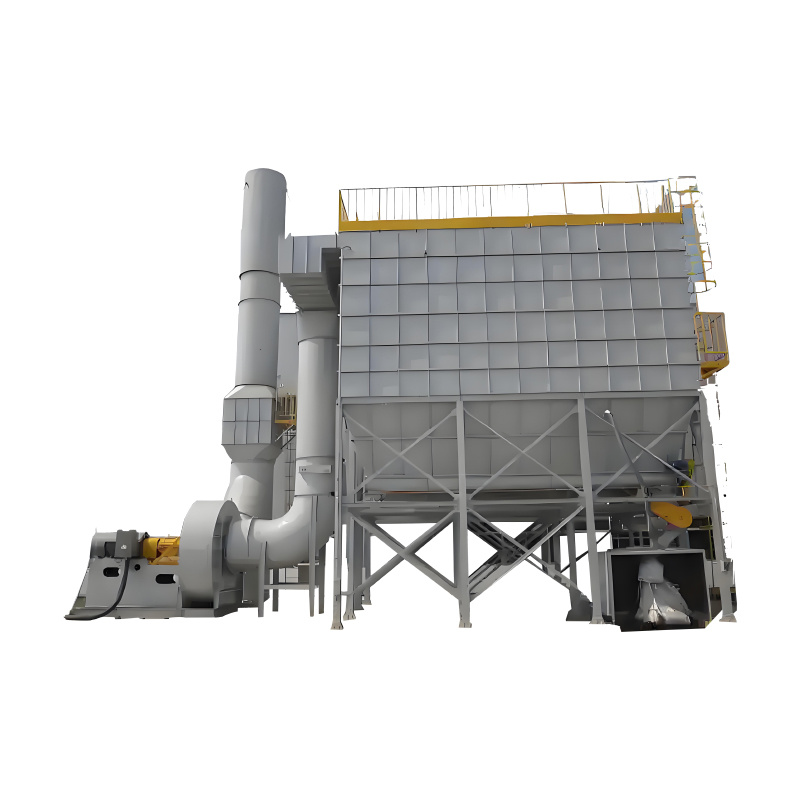
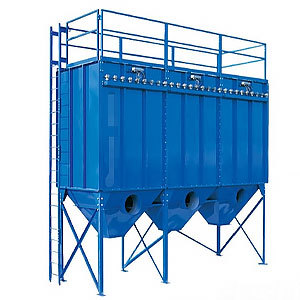
In the long-term operation of industrial dust removal systems, abnormal resistance is the most common fault, which is directly related to the energy consumption, filtration efficiency, and equipment life of the induced draft fan. Especially for dust removal equipment commonly used in foreign trade scenarios, if abnormal resistance is not dealt with in a timely manner, it will increase operation and maintenance costs and affect environmental compliance. This article objectively summarizes the manifestations, causes, and practical solutions of abnormal resistance in mainstream dust removal equipment (filter cartridges, bags, etc.).
1、 Core judgment criteria for abnormal resistance of dust removal equipment
The normal resistance of different types of dust removal equipment varies: filter cartridge dust collector 800-1200Pa, bag dust collector 1500-2000Pa, electrostatic dust collector 200-500Pa.
Industry common judgment: If the operating resistance deviates from the normal range by ± 30% and lasts for more than 2 hours, it is considered abnormal, mainly divided into two categories: high resistance (common and harmful) and low resistance (low incidence and hidden dangers).
2、 Common types and solutions of resistance anomalies (sorted by incidence)
(1) Excessive resistance: mostly related to filtration and dust cleaning systems
The core causes of high resistance are concentrated in three categories: filter media blockage, ash cleaning system failure, and uneven airflow distribution. The corresponding solutions are highly practical.
1. Filter media blockage (the main cause)
Dust accumulates on the surface or inside of media such as filter cartridges and bags, causing a sharp increase in airflow resistance. The specific causes and solutions are as follows:
Cause: ① Inappropriate adaptation of dust characteristics (high humidity, high viscosity dust is prone to adhere); ② Incorrect selection of filter material (mismatch between pore size and dust particle size); ③ Long term high load of equipment and excessively high filtering wind speed; ④ Filter material aging and pore blockage.
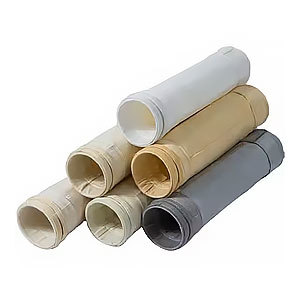
Solution: ① Targeted replacement of filter materials (PTFE coated filter materials for high humidity and high viscosity, and nanoscale filter materials for fine dust); ② Adjust operating parameters, reduce filtering wind speed, and modular expansion if necessary; ③ Regular inspection and timely replacement of aged and damaged filter materials; ④ Mild blockage should be blown in reverse with 0.3-0.5MPa compressed air, and severe blockage should be replaced directly. Water flushing is prohibited.
2. Ash cleaning system failure, incomplete ash cleaning
The malfunction of the dust cleaning system caused continuous accumulation of dust and rapid increase in resistance. The specific causes and solutions are as follows:
Cause: ① Damage and leakage of pulse valve, blockage and misalignment of spray pipe; ② Unreasonable cleaning parameters (inappropriate injection pressure, frequency, and time); ③ Compressed air contains oil and water; ④ PLC controller malfunction, unable to trigger dust cleaning program.
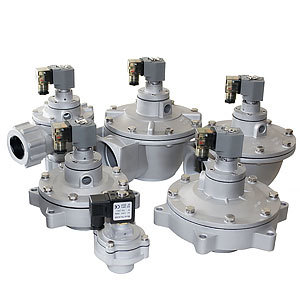
Solution: ① Regularly check and replace the pulse valve, clean the spray pipe and adjust its position; ② Dynamic optimization of cleaning parameters (filter cartridge 0.4-0.6MPa, bag 0.3-0.5MPa, spray frequency 15-60 minutes/time, time 0.1-0.3 seconds/time); ③ Install a compressed air drying and oil removal device, and regularly discharge accumulated water and oil stains; ④ Check and restart or replace the faulty PLC controller.
3. Uneven airflow distribution and high local resistance
Uneven airflow inside the equipment leads to excessive load on local filter materials, rapid accumulation of dust, and increased overall resistance. The specific causes and solutions are as follows:
Cause: ① Unreasonable design of air inlet and uneven distribution of airflow; ② Improper installation of filter cartridges and bags, resulting in air leakage or short circuit of airflow; ③ The ash hopper accumulates too much ash, blocking the airflow channel.
Solution: ① Install an airflow distribution board and optimize the design of the air inlet; ② Reinstall the filter material and replace the seals to avoid air leakage; ③ Regularly clean the ash hopper, adjust the ash unloading frequency, and check the ash unloading valve to avoid air leakage.
4. Other causes and solutions
Supplementary incentives and solutions: ① Blockage of import and export pipelines, cleaning up debris, optimizing pipeline layout; ② If the ambient temperature is too high, install a cooling device to control the intake temperature at 80-120 ℃ (within the tolerance range of conventional filter materials); ③ The dust concentration is too high, and pre-treatment devices such as cyclone dust collectors are installed at the inlet.
(2) Low resistance: often related to sealing and filtering media failures
Low resistance can easily lead to dust leakage. The core causes and solutions are as follows:
1. Equipment sealing failure: aging and damage of seals, loose flanges, and inadequate sealing of ash discharge valves, leading to air short circuits. Solution: Regularly replace seals, tighten flanges, and adjust the clearance of the ash discharge valve.
2. Damaged filter medium: The filter material has holes and tears, and the airflow is directly discharged without filtration. Solution: Stop the machine for inspection, replace damaged filter materials, and conduct bulk inspections and replacements when the scope is large.
3. Other causes: excessive airflow of the induced draft fan and excessive dust removal. Solution: Adjust the air volume of the induced draft fan, optimize the cleaning parameters, and reduce the frequency and time of blowing.
3、 Preventive measures for abnormal resistance (adapted to the needs of foreign trade enterprises)
Taking preventive measures can reduce operation and maintenance costs and ensure environmental compliance. The core measures are as follows:
1. Preliminary selection: Reasonably select equipment and filter materials based on dust characteristics and processing air volume;
2. Daily inspection: Check resistance, ash cleaning system, and ash accumulation in the ash hopper daily, check the status of filter materials weekly, and clean the interior of pipelines and equipment monthly;
3. Standardized maintenance: Regularly replace vulnerable parts according to the manual, optimize cleaning parameters, and ensure compressed air quality;
4. Establish a ledger: record operating parameters, maintenance status, and exception handling for easy traceability and investigation.
The abnormal resistance of dust removal equipment is mainly related to the filter medium, dust cleaning system, sealing performance, and operating parameters. The key is to "judge first, locate later, and handle later" to avoid blind maintenance.
For foreign trade enterprises, ensuring the stable operation of dust removal equipment and avoiding abnormal resistance can reduce costs, meet environmental standards in target markets, and enhance competitiveness. This method is based on practical experience from multiple industries worldwide, adapted to mainstream equipment, and can be directly used for on-site operation and maintenance.
Hot Tags:


Contact Us
Tel:
WeChat:
WhatsApp:
E-mail:
Address:
338 National Road South, Longfengdian Village, Botou City, Hebei Province, China
JiuznTomine is expertly delivering technically complicated projects in markets & provides custom solutions for their customized need.


CONTACT INFO
Tel: +86 18531710311
WeChat: +86-18531710311
338 National Road South, Longfengdian Village, Botou City, Hebei Province, China