












The Essential Guide to Dust Collecting Bags: Enhancing Efficiency in Industrial Air Filtration
Feb 26,2026
In industrial settings, controlling dust and airborne particles is paramount to maintaining a safe and healthy workspace. Dust collecting bags are integral components of dust extraction systems, designed to capture harmful particulates from the air, thereby improving air quality and reducing health risks for workers. Understanding the various types of dust collecting bags and their applications is
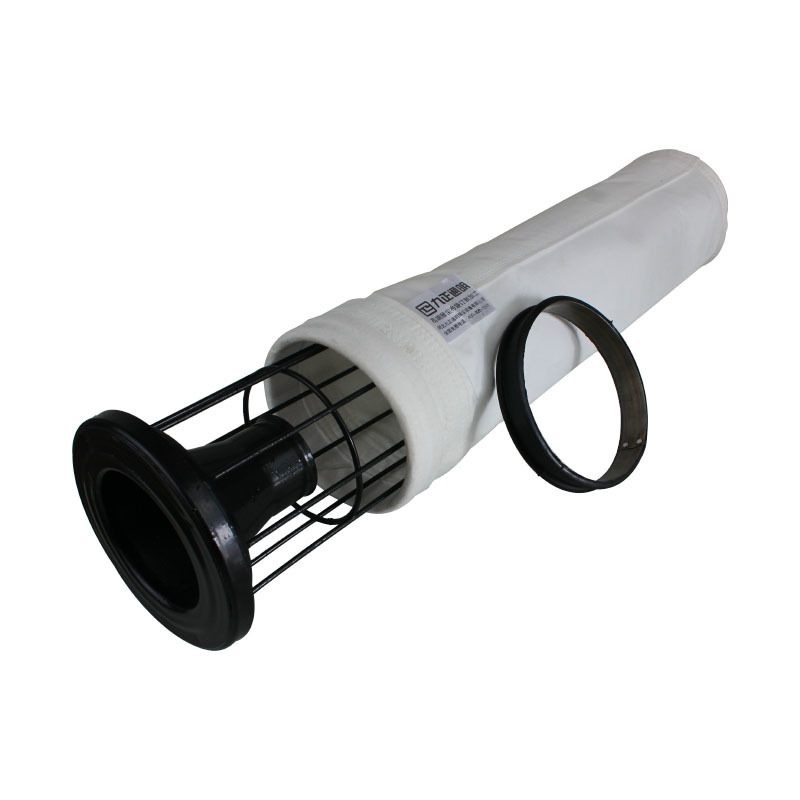
In industrial settings, controlling dust and airborne particles is paramount to maintaining a safe and healthy workspace. Dust collecting bags are integral components of dust extraction systems, designed to capture harmful particulates from the air, thereby improving air quality and reducing health risks for workers. Understanding the various types of dust collecting bags and their applications is essential for optimizing performance in air purification systems.
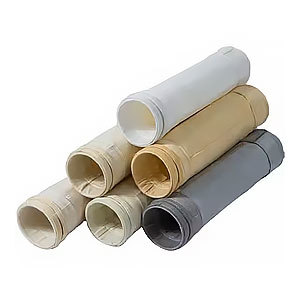
Dust collecting bags come in various materials, each suited for different applications. Common materials include polyester, polypropylene, and cotton. Polyester bags are favored for their durability and resistance to moisture and chemicals, making them ideal for various industrial applications. Polypropylene bags offer excellent filtration efficiency and are lightweight, while cotton bags are often used in less demanding environments due to their lower tensile strength. Selecting the right material depends on the specific dust types and environmental conditions present in your industry.
Another critical factor is the bag's filtration efficiency, often measured in microns. The lower the micron rating, the smaller the particles the bag can capture. For instance, bags designed to capture fine dust particles often have a rating of 0.5 microns or lower. In contrast, bags for larger particles may have higher micron ratings. This selection process is vital for ensuring your air purification system operates optimally and meets regulatory standards for air quality.
Proper maintenance of dust collecting bags is essential for long-lasting performance. Regular inspections should be conducted to check for wear and tear, as damaged bags can lead to decreased efficiency and increased emissions of harmful particles. Cleaning methods vary depending on the bag material and the type of dust collected. Some bags can be cleaned and reused, while others may need to be replaced after a certain period. Following manufacturer guidelines for maintenance and replacement schedules can significantly extend the life of your dust collecting bags.
In summary, dust collecting bags are a vital component of industrial air filtration systems, impacting both efficiency and worker safety. By understanding the various materials, filtration efficiencies, and maintenance practices associated with dust collecting bags, you can enhance the performance of your air purification systems. This knowledge not only aids in regulatory compliance but also contributes to a cleaner, healthier work environment. Make informed choices about dust collecting bags to ensure the effectiveness of your dust control measures and overall air quality management.
Dust collecting bags come in various materials, each suited for different applications. Common materials include polyester, polypropylene, and cotton. Polyester bags are favored for their durability and resistance to moisture and chemicals, making them ideal for various industrial applications. Polypropylene bags offer excellent filtration efficiency and are lightweight, while cotton bags are often used in less demanding environments due to their lower tensile strength. Selecting the right material depends on the specific dust types and environmental conditions present in your industry.
Another critical factor is the bag's filtration efficiency, often measured in microns. The lower the micron rating, the smaller the particles the bag can capture. For instance, bags designed to capture fine dust particles often have a rating of 0.5 microns or lower. In contrast, bags for larger particles may have higher micron ratings. This selection process is vital for ensuring your air purification system operates optimally and meets regulatory standards for air quality.
Proper maintenance of dust collecting bags is essential for long-lasting performance. Regular inspections should be conducted to check for wear and tear, as damaged bags can lead to decreased efficiency and increased emissions of harmful particles. Cleaning methods vary depending on the bag material and the type of dust collected. Some bags can be cleaned and reused, while others may need to be replaced after a certain period. Following manufacturer guidelines for maintenance and replacement schedules can significantly extend the life of your dust collecting bags.
In summary, dust collecting bags are a vital component of industrial air filtration systems, impacting both efficiency and worker safety. By understanding the various materials, filtration efficiencies, and maintenance practices associated with dust collecting bags, you can enhance the performance of your air purification systems. This knowledge not only aids in regulatory compliance but also contributes to a cleaner, healthier work environment. Make informed choices about dust collecting bags to ensure the effectiveness of your dust control measures and overall air quality management.
Hot Tags:


Contact Us
Tel:
WeChat:
WhatsApp:
E-mail:
Address:
338 National Road South, Longfengdian Village, Botou City, Hebei Province, China
JiuznTomine is expertly delivering technically complicated projects in markets & provides custom solutions for their customized need.


CONTACT INFO
Tel: +86 18531710311
WeChat: +86-18531710311
338 National Road South, Longfengdian Village, Botou City, Hebei Province, China