

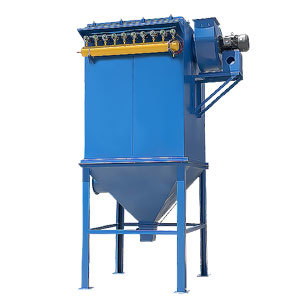
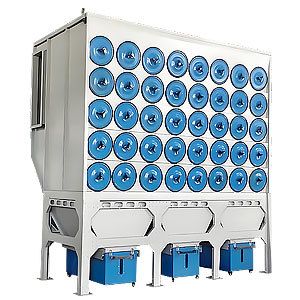
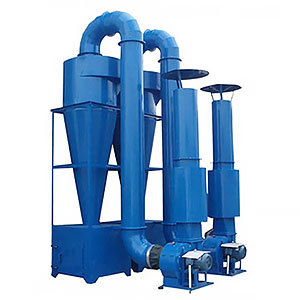

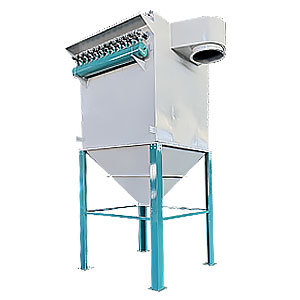
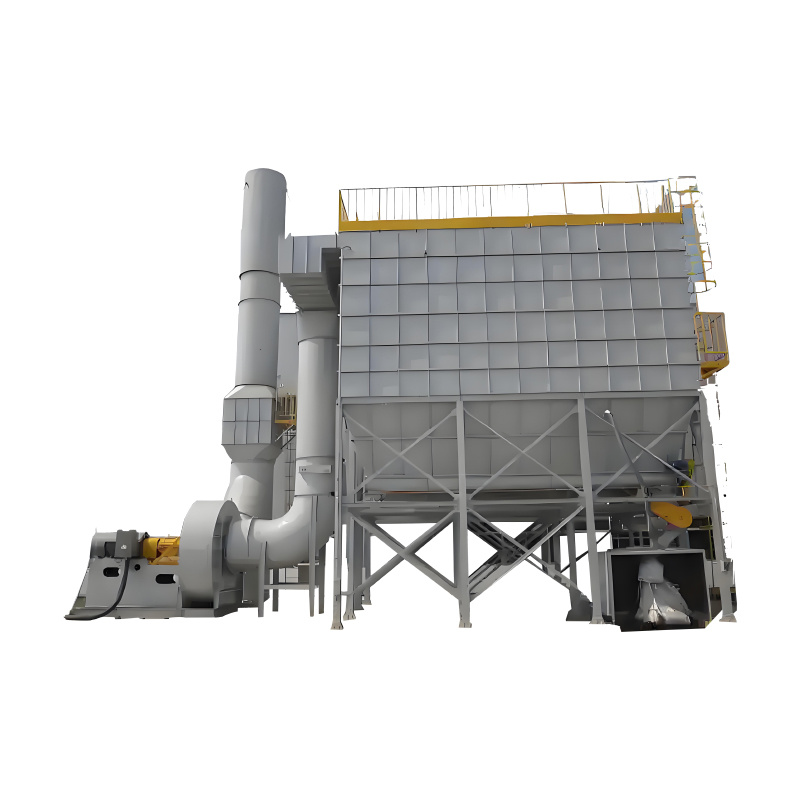
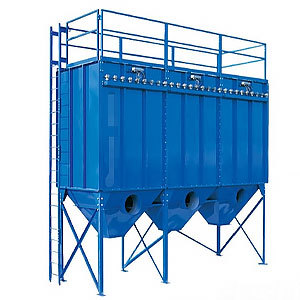
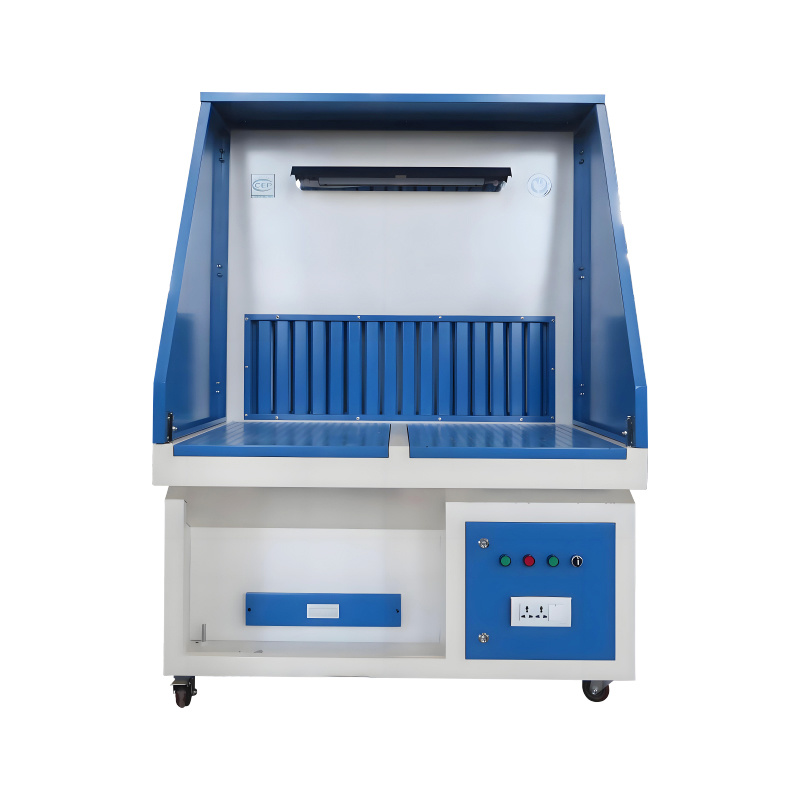
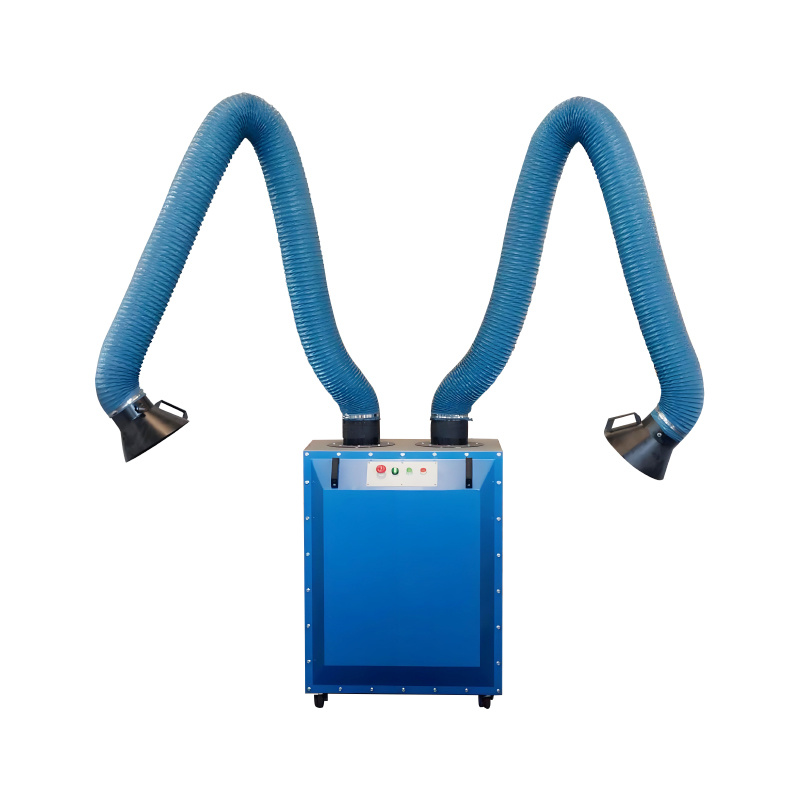










Maximizing Efficiency: Why an Industrial Cyclone Dust Collector is Essential for Your Operations
Feb 24,2026
Maximizing Efficiency: Why an Industrial Cyclone Dust Collector is Essential for Your Operations
Table of Contents
1. Introduction to Industrial Cyclone Dust Collectors
2. Understanding Dust Collectors: An Overview
3. How Cyclone Dust Collectors Work
4. Key Benefits of Industrial Cyclone Dust Collectors
5. Applications of Cyclone Dust Collectors in Various Industries
6. Be
Maximizing Efficiency: Why an Industrial Cyclone Dust Collector is Essential for Your Operations
Table of Contents
- 1. Introduction to Industrial Cyclone Dust Collectors
- 2. Understanding Dust Collectors: An Overview
- 3. How Cyclone Dust Collectors Work
- 4. Key Benefits of Industrial Cyclone Dust Collectors
- 5. Applications of Cyclone Dust Collectors in Various Industries
- 6. Best Practices for Implementing Cyclone Dust Collectors
- 7. Common Mistakes to Avoid When Using Cyclone Dust Collectors
- 8. Maintenance and Care of Cyclone Dust Collectors
- 9. Conclusion
- 10. Frequently Asked Questions
1. Introduction to Industrial Cyclone Dust Collectors
In industries where dust and particulate matter are prevalent, maintaining a clean and safe working environment is crucial. **Industrial cyclone dust collectors** are engineered to efficiently separate and collect dust from the air, which not only improves air quality but also maximizes operational efficiency. In this article, we will explore the importance of these systems, how they work, and the myriad benefits they offer to various industrial settings.
2. Understanding Dust Collectors: An Overview
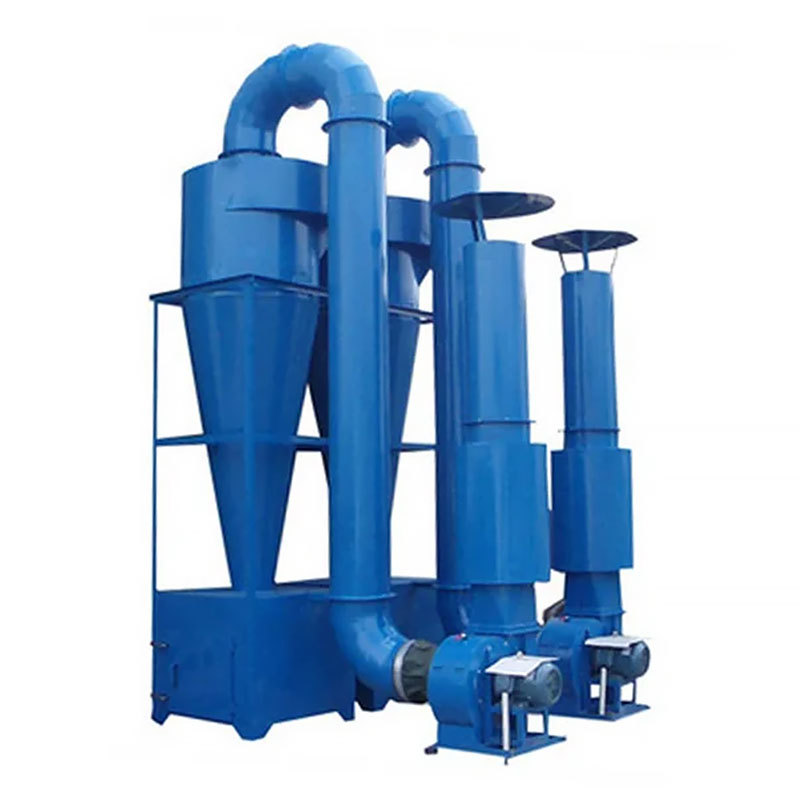
Dust collectors are essential systems used to filter and remove airborne particles from industrial processes. They come in various forms, but **cyclone dust collectors** are particularly effective due to their design and functionality. They utilize centrifugal force to separate dust particles from the air stream, making them a preferred choice in many industries.
Types of Dust Collectors
There are several types of dust collectors, including:
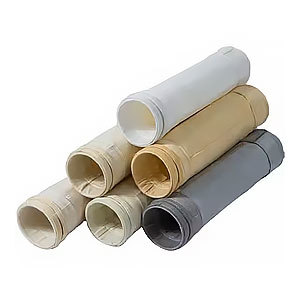
- **Baghouse Collectors**: Utilizes fabric filters to capture dust.
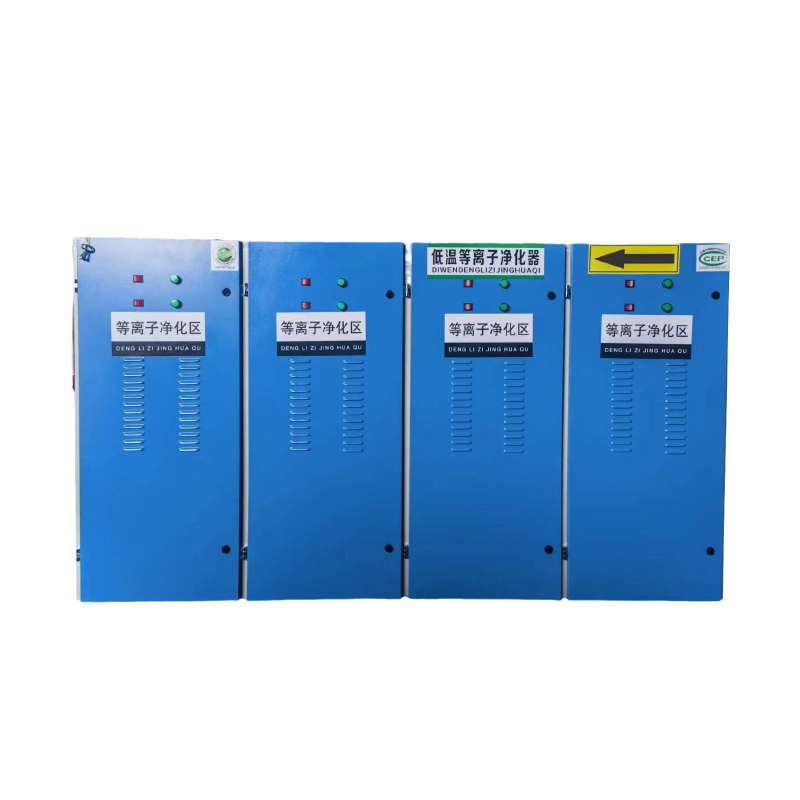
- **Electrostatic Precipitators**: Uses electrical charges to remove particles.
- **Cyclone Collectors**: Employs centrifugal force for separation.
Each type has its advantages, but cyclone dust collectors stand out due to their low maintenance requirements and high efficiency.
3. How Cyclone Dust Collectors Work
The operation of a cyclone dust collector is both straightforward and efficient. When dust-laden air enters the cyclone chamber, it is forced into a spiral motion. This motion creates centrifugal force, which pushes heavier particles to the outer wall of the collector. As a result, dust particles fall into a collection bin, while cleaner air exits through the top outlet.
Design Features of Cyclone Dust Collectors
- **Inlet Configuration**: Properly designed inlet helps in effective dust capture.
- **Spiral Flow**: Optimized airflow patterns enhance separation efficiency.
- **Dust Collection Chambers**: Different sizes cater to varying industrial needs.
4. Key Benefits of Industrial Cyclone Dust Collectors
Investing in industrial cyclone dust collectors brings numerous benefits to your operations:
Enhanced Air Quality
By removing airborne dust particles, these systems significantly improve indoor air quality, promoting a healthier work environment for employees.
Cost-Effectiveness
Cyclone dust collectors are known for their durability and low maintenance costs. They can operate without extensive upkeep, saving businesses money in the long run.
Compliance with Environmental Regulations
With stringent regulations on air quality, using cyclone dust collectors helps industries comply with environmental standards, avoiding costly fines.
Increased Productivity
Cleaner workspaces lead to increased employee efficiency and productivity, as workers are less likely to be distracted or affected by dust-related health issues.
5. Applications of Cyclone Dust Collectors in Various Industries
Cyclone dust collectors are versatile and can be used across different industries, including:
Woodworking
In the woodworking industry, these collectors are used to handle sawdust and wood shavings effectively, keeping workshops clean and safe.
Metalworking
In metal fabrication, cyclone dust collectors manage metallic dust generated from cutting and grinding operations, ensuring compliance and safety.
Mining
In mining operations, they are employed to control dust emissions, protecting workers and the environment from harmful particles.
6. Best Practices for Implementing Cyclone Dust Collectors
Implementing a cyclone dust collector system requires careful planning and consideration. Here are some best practices to ensure optimal performance:
Conduct a Site Assessment
Before installation, assess the site to determine the best location and configuration for the dust collector.
Proper Sizing
Choose a cyclone dust collector that is appropriately sized for your specific needs to maximize efficiency.
Optimize Airflow
Ensure that the system design facilitates optimal airflow, reducing the likelihood of dust recirculation.
7. Common Mistakes to Avoid When Using Cyclone Dust Collectors
To get the most out of your cyclone dust collectors, avoid these common pitfalls:
Neglecting Maintenance
Routine maintenance is crucial for ensuring that your system operates efficiently and effectively.
Incorrect Installation
Improper installation can lead to inefficiencies; always follow manufacturer guidelines.
8. Maintenance and Care of Cyclone Dust Collectors
Regular maintenance is key to the longevity and effectiveness of cyclone dust collectors. This includes:
Routine Inspections
Conduct regular inspections to identify and rectify any potential issues before they escalate.
Cleaning Collection Bins
Ensure that collection bins are emptied regularly to maintain optimal airflow and efficiency.
9. Conclusion
Industrial cyclone dust collectors are essential for maximizing operational efficiency, improving air quality, and ensuring compliance with environmental standards. By understanding how these systems work and implementing best practices for their use and maintenance, industries can significantly enhance their productivity and workplace safety.
10. Frequently Asked Questions
1. What is the primary function of a cyclone dust collector?
The primary function of a cyclone dust collector is to separate and collect dust particles from the air, improving air quality in industrial environments.
2. How does a cyclone dust collector differ from other types of dust collectors?
Cyclone dust collectors primarily use centrifugal force for particle separation, while other types may rely on fabric filters or electrical charges.
3. What industries benefit the most from cyclone dust collectors?
Industries such as woodworking, metalworking, and mining benefit significantly from cyclone dust collectors due to their ability to handle high volumes of particulate matter.
4. How often should cyclone dust collectors be maintained?
Regular maintenance checks should be conducted at least every six months, but more frequent inspections may be necessary depending on usage.
5. Can cyclone dust collectors be used in conjunction with other dust collection systems?
Yes, cyclone dust collectors can be used as a pre-filter or in combination with other dust collection systems to enhance overall efficiency.
By implementing an effective industrial cyclone dust collector system, businesses can ensure a cleaner, safer, and more productive work environment, laying the groundwork for long-term operational success.
Hot Tags:
PREVIOUS:


Contact Us
Tel:
WeChat:
WhatsApp:
E-mail:
Address:
338 National Road South, Longfengdian Village, Botou City, Hebei Province, China
JiuznTomine is expertly delivering technically complicated projects in markets & provides custom solutions for their customized need.


CONTACT INFO
Tel: +86 18531710311
WeChat: +86-18531710311
338 National Road South, Longfengdian Village, Botou City, Hebei Province, China