











Understanding Cyclone Dust Collectors: An Essential Guide for Industrial Air Quality
Feb 22,2026
Cyclone dust collectors are a vital component in the realm of industrial air quality management, specifically designed to remove particulate matter from the air. These systems operate on a straightforward yet effective principle—utilizing centrifugal force to separate dust and other contaminants from the air stream. The collected dust can then be disposed of safely, ensuring a cleaner working envi

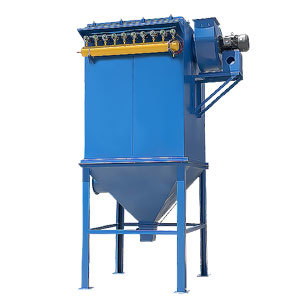
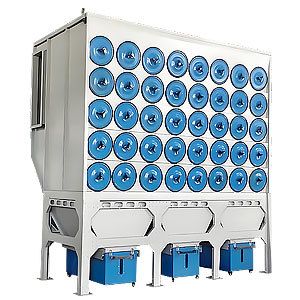
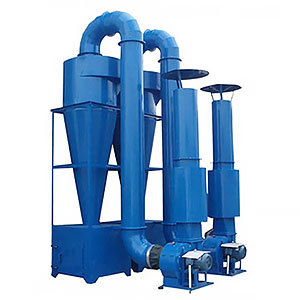
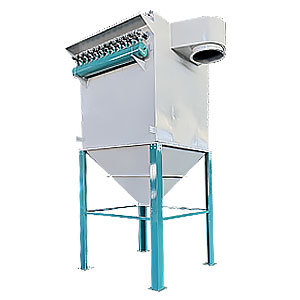
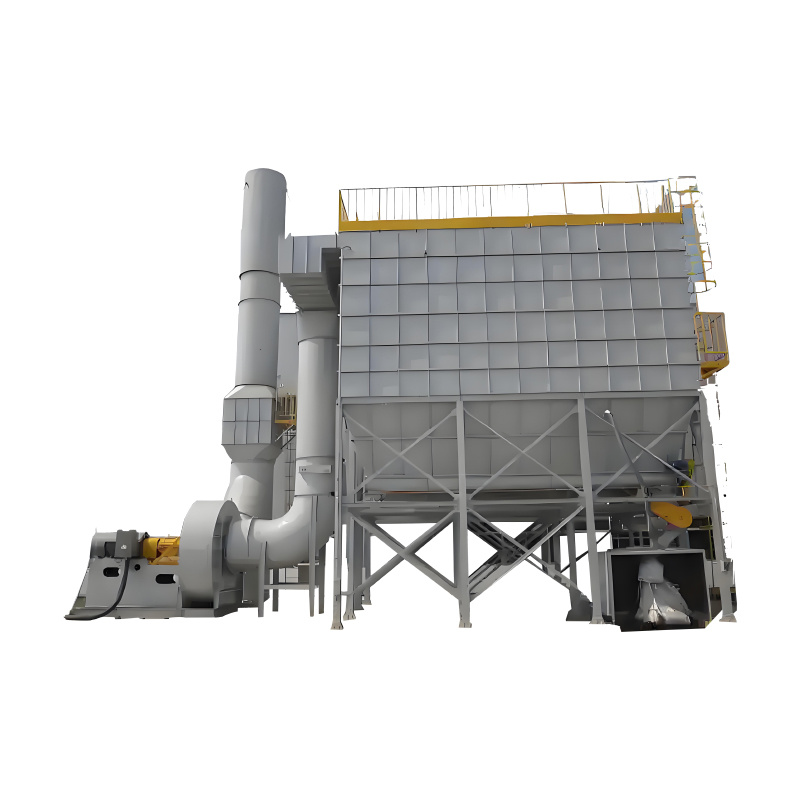
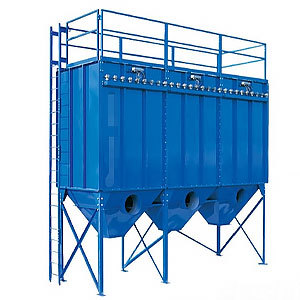
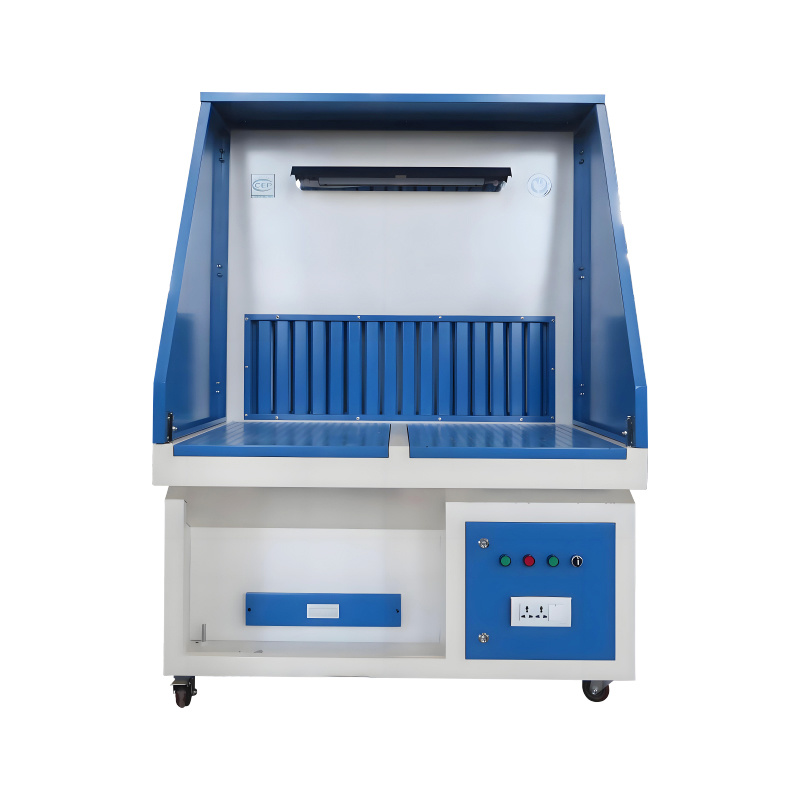
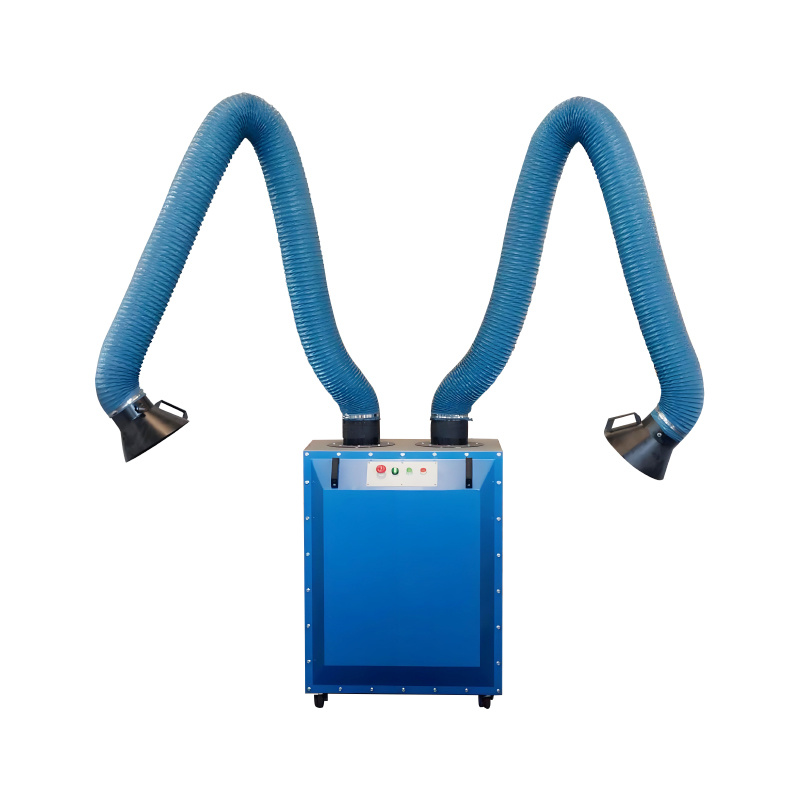
Cyclone dust collectors are a vital component in the realm of industrial air quality management, specifically designed to remove particulate matter from the air. These systems operate on a straightforward yet effective principle—utilizing centrifugal force to separate dust and other contaminants from the air stream. The collected dust can then be disposed of safely, ensuring a cleaner working environment.
The design of a cyclone dust collector typically features a cylindrical or conical shape, which aids in the efficient separation of particles. When air laden with dust enters the cyclone, it is subjected to a spiraling motion. This motion forces heavier particles to the outer wall of the cyclone, where they lose momentum and fall into a collection hopper at the bottom. Meanwhile, the cleaner air exits through the top, often passing through additional filtration systems for further purification.
One of the primary advantages of cyclone dust collectors is their ability to handle a wide range of particle sizes effectively. They are particularly adept at capturing larger dust particles, which makes them ideal for various industries, including woodworking, metalworking, and food processing. Additionally, these systems are typically low-maintenance, as they do not rely on filters that require frequent replacement. This aspect not only reduces operational costs but also minimizes downtime associated with maintenance activities.
In terms of efficiency, cyclone dust collectors can achieve impressive separation rates, often reaching up to 99% for larger particles. However, their efficiency can vary depending on factors such as the velocity of the air stream, the characteristics of the dust, and the design of the cyclone itself. As such, careful consideration should be given to the specific application when selecting a cyclone dust collector.
Moreover, implementing a cyclone dust collector can significantly improve workplace safety. By effectively removing dust and airborne particles, these systems help to reduce the risk of respiratory issues among workers and lower the potential for dust-related explosions in certain industries. Companies that prioritize air quality not only enhance employee well-being but also create a more productive work environment.
In summary, cyclone dust collectors play a crucial role in industrial air purification. Their efficient design, low maintenance requirements, and ability to enhance workplace safety make them a valuable investment for businesses aiming to improve air quality. Understanding how these systems work and their benefits can empower industries to make informed decisions when it comes to managing airborne contaminants.
The design of a cyclone dust collector typically features a cylindrical or conical shape, which aids in the efficient separation of particles. When air laden with dust enters the cyclone, it is subjected to a spiraling motion. This motion forces heavier particles to the outer wall of the cyclone, where they lose momentum and fall into a collection hopper at the bottom. Meanwhile, the cleaner air exits through the top, often passing through additional filtration systems for further purification.
One of the primary advantages of cyclone dust collectors is their ability to handle a wide range of particle sizes effectively. They are particularly adept at capturing larger dust particles, which makes them ideal for various industries, including woodworking, metalworking, and food processing. Additionally, these systems are typically low-maintenance, as they do not rely on filters that require frequent replacement. This aspect not only reduces operational costs but also minimizes downtime associated with maintenance activities.
In terms of efficiency, cyclone dust collectors can achieve impressive separation rates, often reaching up to 99% for larger particles. However, their efficiency can vary depending on factors such as the velocity of the air stream, the characteristics of the dust, and the design of the cyclone itself. As such, careful consideration should be given to the specific application when selecting a cyclone dust collector.
Moreover, implementing a cyclone dust collector can significantly improve workplace safety. By effectively removing dust and airborne particles, these systems help to reduce the risk of respiratory issues among workers and lower the potential for dust-related explosions in certain industries. Companies that prioritize air quality not only enhance employee well-being but also create a more productive work environment.
In summary, cyclone dust collectors play a crucial role in industrial air purification. Their efficient design, low maintenance requirements, and ability to enhance workplace safety make them a valuable investment for businesses aiming to improve air quality. Understanding how these systems work and their benefits can empower industries to make informed decisions when it comes to managing airborne contaminants.
Hot Tags:
PREVIOUS:


Contact Us
Tel:
WeChat:
WhatsApp:
E-mail:
Address:
338 National Road South, Longfengdian Village, Botou City, Hebei Province, China
JiuznTomine is expertly delivering technically complicated projects in markets & provides custom solutions for their customized need.


CONTACT INFO
Tel: +86 18531710311
WeChat: +86-18531710311
338 National Road South, Longfengdian Village, Botou City, Hebei Province, China