


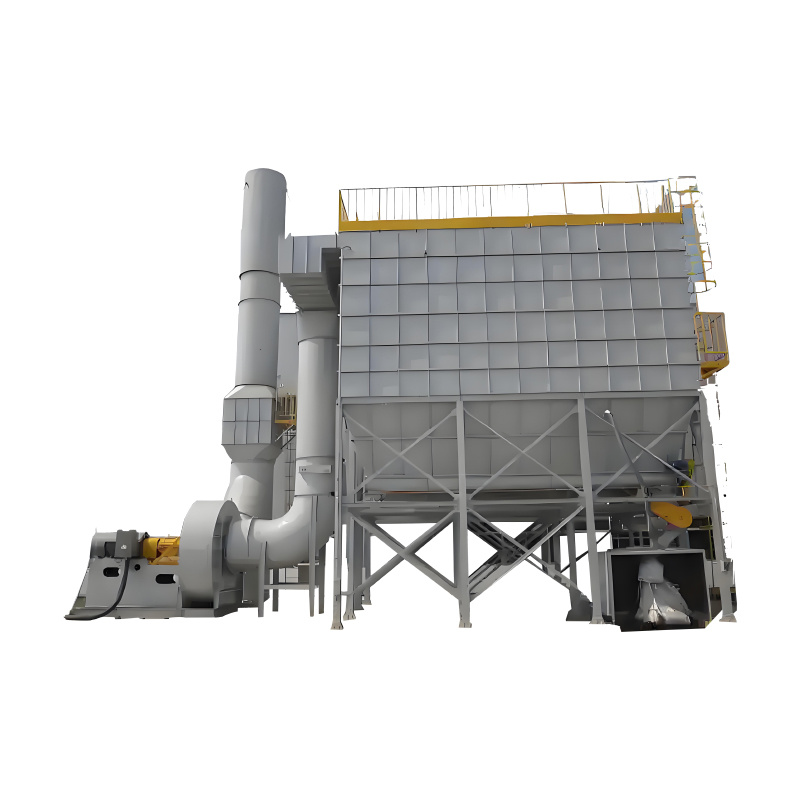
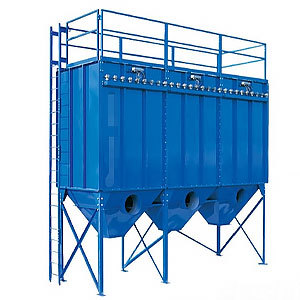
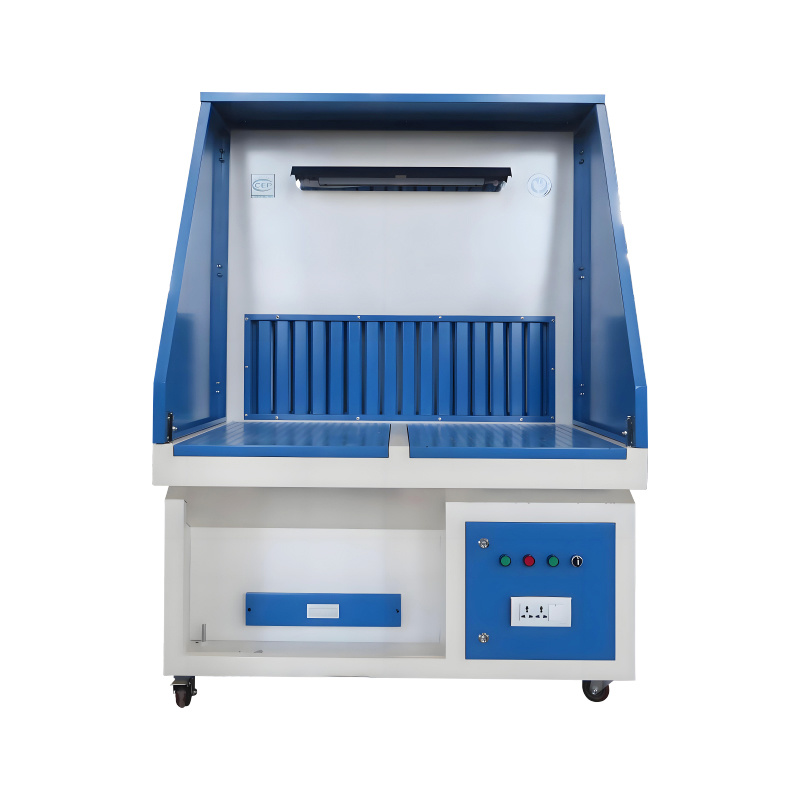
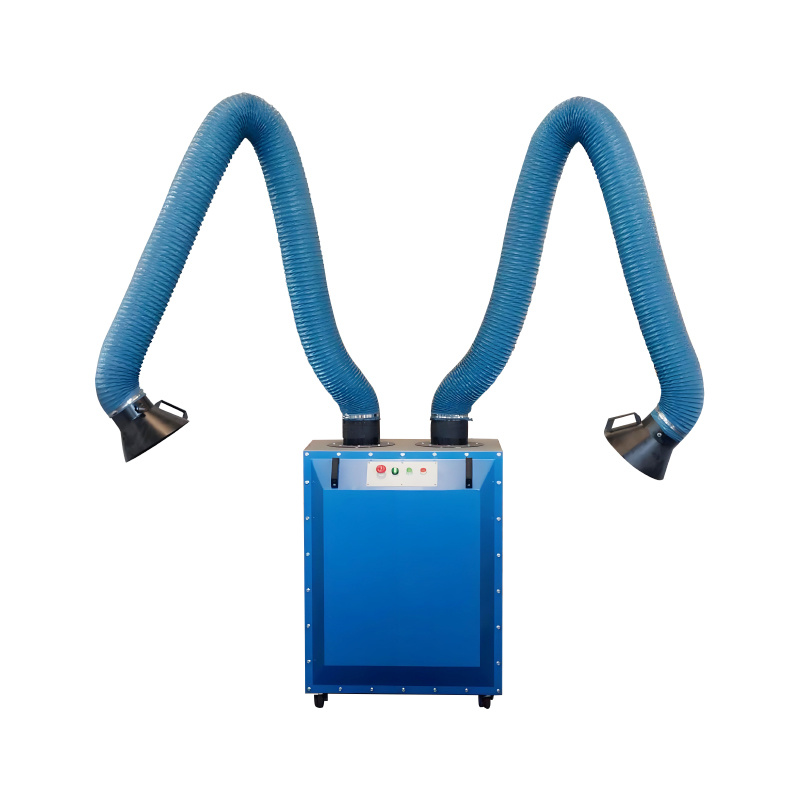









Why Cartridge Dust Collectors Are Essential for Your Industrial Operations
Feb 20,2026
Why Cartridge Dust Collectors Are Essential for Your Industrial Operations
Table of Contents
1. Introduction to Cartridge Dust Collectors
2. The Importance of Air Quality in Industrial Environments
3. How Cartridge Dust Collectors Work
3.1 Filtration Mechanisms of Cartridge Dust Collectors
3.2 Types of Cartridge Filters
4. Benefits of Using Cartridge Dust Collectors
4.1 Enhanced Oc

Why Cartridge Dust Collectors Are Essential for Your Industrial Operations
Table of Contents
1. Introduction to Cartridge Dust Collectors
2. The Importance of Air Quality in Industrial Environments
3. How Cartridge Dust Collectors Work
3.1 Filtration Mechanisms of Cartridge Dust Collectors
3.2 Types of Cartridge Filters
4. Benefits of Using Cartridge Dust Collectors
4.1 Enhanced Occupational Safety
4.2 Increased Equipment Longevity
4.3 Energy Efficiency and Cost-Effectiveness
5. Key Features to Look for in Cartridge Dust Collectors
5.1 Filter Replacement and Maintenance
5.2 Dust Collection Capacity
5.3 System Compatibility
6. Maintenance Tips for Cartridge Dust Collectors
7. Common Applications of Cartridge Dust Collectors in Industries
8. FAQs About Cartridge Dust Collectors
9. Conclusion
1. Introduction to Cartridge Dust Collectors
In today’s industrial landscape, maintaining a clean and safe working environment is paramount. **Cartridge dust collectors** emerge as vital equipment in this regard, effectively removing airborne particulates and ensuring compliance with health regulations. These systems play an integral role in protecting both workers and machinery from the adverse effects of dust accumulation.
2. The Importance of Air Quality in Industrial Environments
**Air quality** significantly influences worker health and productivity. Poor air quality can lead to serious health issues, including respiratory problems and chronic illnesses. Additionally, dust can adversely affect machinery, leading to increased maintenance costs and decreased operational efficiency. Therefore, implementing effective dust control measures, such as cartridge dust collectors, is essential for any industrial operation.
3. How Cartridge Dust Collectors Work
Understanding the operational principles of cartridge dust collectors is critical for maximizing their effectiveness. These systems utilize advanced filtration methods to capture dust particles efficiently.
3.1 Filtration Mechanisms of Cartridge Dust Collectors
Cartridge dust collectors use a **multi-stage filtration** process. Air laden with dust enters the collector, where a **pre-filter** removes larger particles. The air then passes through **cartridge filters** designed to trap finer dust particles. This process ensures that only clean air is released back into the workplace.
3.2 Types of Cartridge Filters
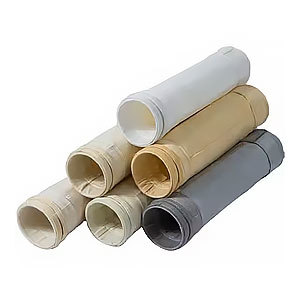
There are various types of cartridge filters, each suited to specific applications. Common materials include polyester, polypropylene, and Teflon. Choosing the right filter material is crucial for optimizing dust collection efficiency and longevity.
4. Benefits of Using Cartridge Dust Collectors
Implementing cartridge dust collectors offers numerous advantages for industrial operations.
4.1 Enhanced Occupational Safety
By removing hazardous dust from the air, cartridge dust collectors significantly improve workplace safety. This reduction in airborne contaminants lowers the risk of respiratory illnesses among employees, fostering a healthier workforce.
4.2 Increased Equipment Longevity
Dust accumulation can lead to premature wear and tear of machinery. Cartridge dust collectors help maintain cleanliness, prolonging equipment lifespan and reducing maintenance costs. This proactive approach to equipment care translates into significant savings over time.
4.3 Energy Efficiency and Cost-Effectiveness
Modern cartridge dust collectors are designed with energy efficiency in mind. Many systems incorporate features like **automatic cleaning mechanisms**, which reduce energy consumption. In addition, by minimizing downtime caused by dust-related issues, these collectors contribute to overall operational cost-effectiveness.
5. Key Features to Look for in Cartridge Dust Collectors
When selecting a cartridge dust collector, certain features can enhance performance and usability.
5.1 Filter Replacement and Maintenance
Ease of filter replacement and maintenance should be a top consideration. Some collectors come with features like **tool-less access**, making it easier to perform routine maintenance.
5.2 Dust Collection Capacity
Evaluate the dust collection capacity of the system to ensure it meets the demands of your operation. Larger facilities may require collectors with higher capacity to manage substantial dust loads.
5.3 System Compatibility
Ensure that the dust collector is compatible with your existing equipment and processes. Hindrances in integration can lead to inefficiencies and increased costs.
6. Maintenance Tips for Cartridge Dust Collectors
Regular maintenance is crucial for optimal performance. Here are some essential maintenance tips:
- **Regularly inspect filters**: Monitoring the condition of filters helps in early detection of any performance issues.
- **Clean the system**: Dust buildup can hinder efficiency; regular cleaning prevents this issue.
- **Conduct airflow tests**: Ensuring adequate airflow is a key indicator of system health.
7. Common Applications of Cartridge Dust Collectors in Industries
Cartridge dust collectors find application across various sectors, including:
- **Manufacturing**: Essential for controlling dust from machining and grinding processes.
- **Woodworking**: Helps manage sawdust and wood particles effectively.
- **Food Processing**: Maintains cleanliness in environments where food safety is critical.
8. FAQs About Cartridge Dust Collectors
**Q1: How often should cartridge filters be replaced?**
A: The frequency of filter replacement varies based on usage. Generally, it is advisable to inspect filters every month and replace them when they show signs of clogging.
**Q2: Can cartridge dust collectors handle wet dust?**
A: Standard cartridge dust collectors are not designed for wet dust. Specialized systems are required for applications involving moisture.
**Q3: What is the typical lifespan of cartridge filters?**
A: Cartridge filters can last anywhere from 1 to 5 years, depending on the type of dust being collected and the frequency of maintenance.
**Q4: Are cartridge dust collectors noisy?**
A: Noise levels vary by model, but modern systems are designed to operate quietly. Checking noise specifications can help you choose a suitable model.
**Q5: Is it necessary to have a dust collector if my facility is small?**
A: Even small facilities benefit from dust collectors, as they enhance air quality and promote worker safety.
9. Conclusion
In conclusion, **cartridge dust collectors** are indispensable for maintaining a safe and efficient industrial environment. Their ability to improve air quality, enhance equipment longevity, and reduce operational costs makes them a wise investment for any industrial operation. By understanding their functionality and benefits, you can take proactive steps to integrate these systems effectively into your processes, ensuring a cleaner and safer workplace for all.
Hot Tags:


Contact Us
Tel:
WeChat:
WhatsApp:
E-mail:
Address:
338 National Road South, Longfengdian Village, Botou City, Hebei Province, China
JiuznTomine is expertly delivering technically complicated projects in markets & provides custom solutions for their customized need.


CONTACT INFO
Tel: +86 18531710311
WeChat: +86-18531710311
338 National Road South, Longfengdian Village, Botou City, Hebei Province, China