












Understanding Baghouse Filter Bags: Essential Components for Air Quality Management
Feb 18,2026
Baghouse filter bags are integral components of industrial dust collection systems, specifically designed to capture airborne particles and ensure cleaner air emissions. These filters play a vital role in various industries, including manufacturing, mining, and waste management. In essence, baghouse filters operate by using a series of fabric filter bags to trap dust and particulate matter, allowi

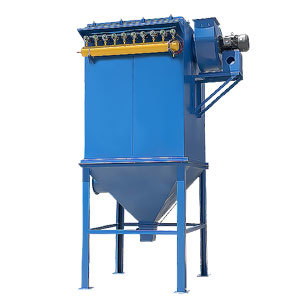
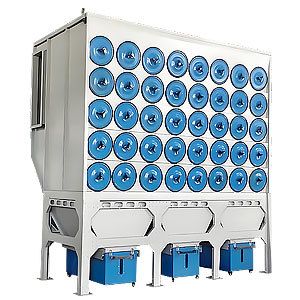
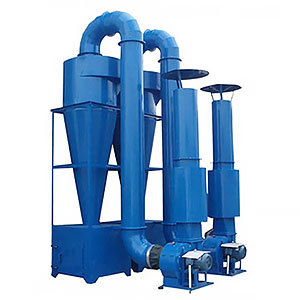
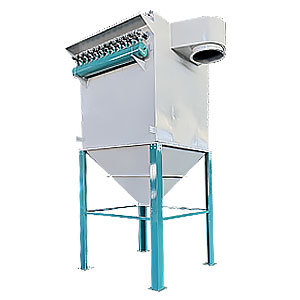
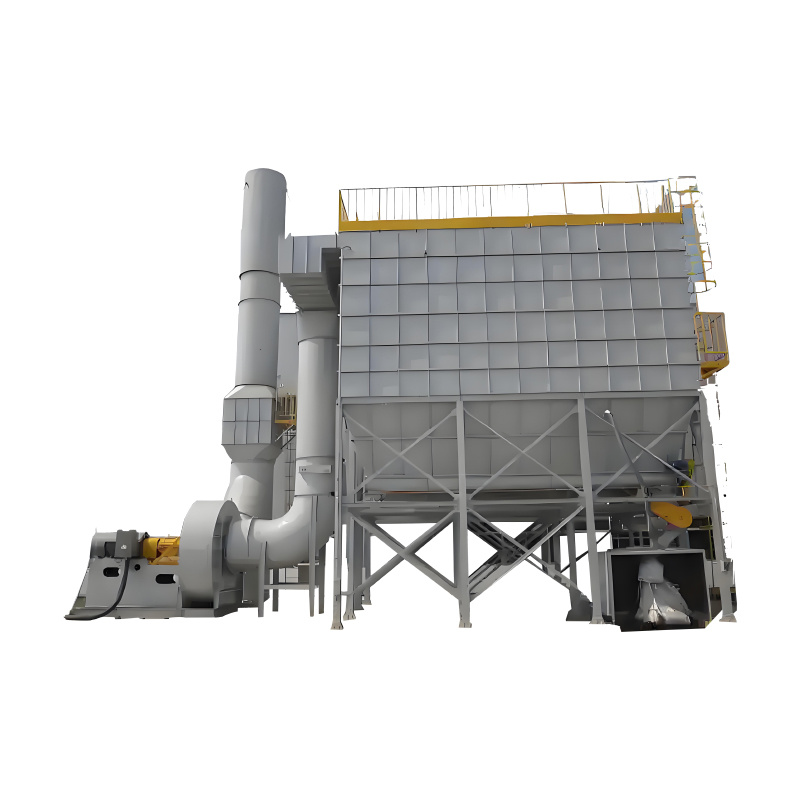
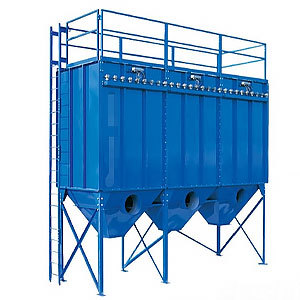
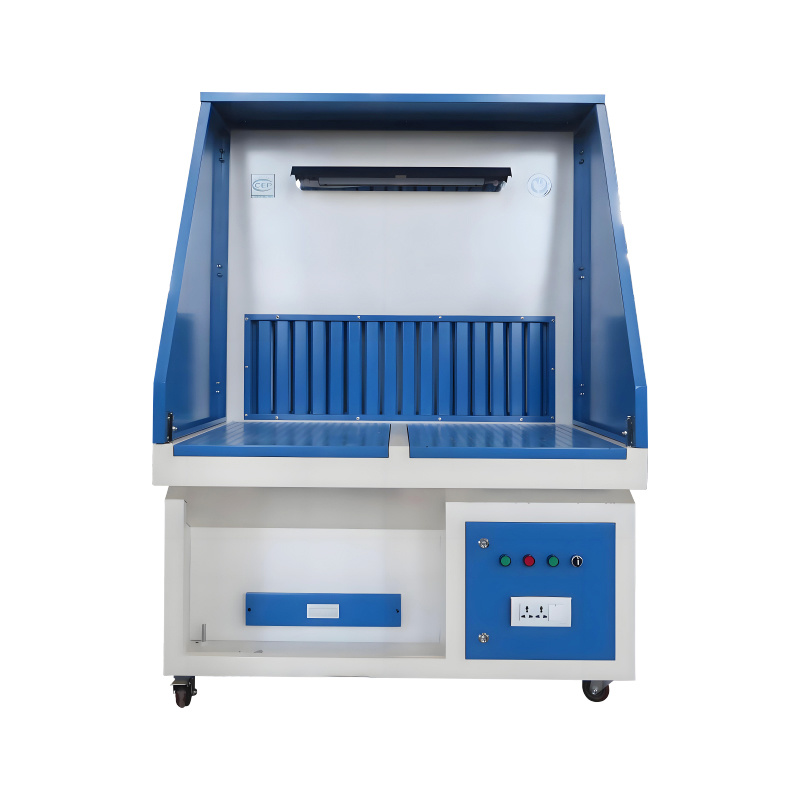
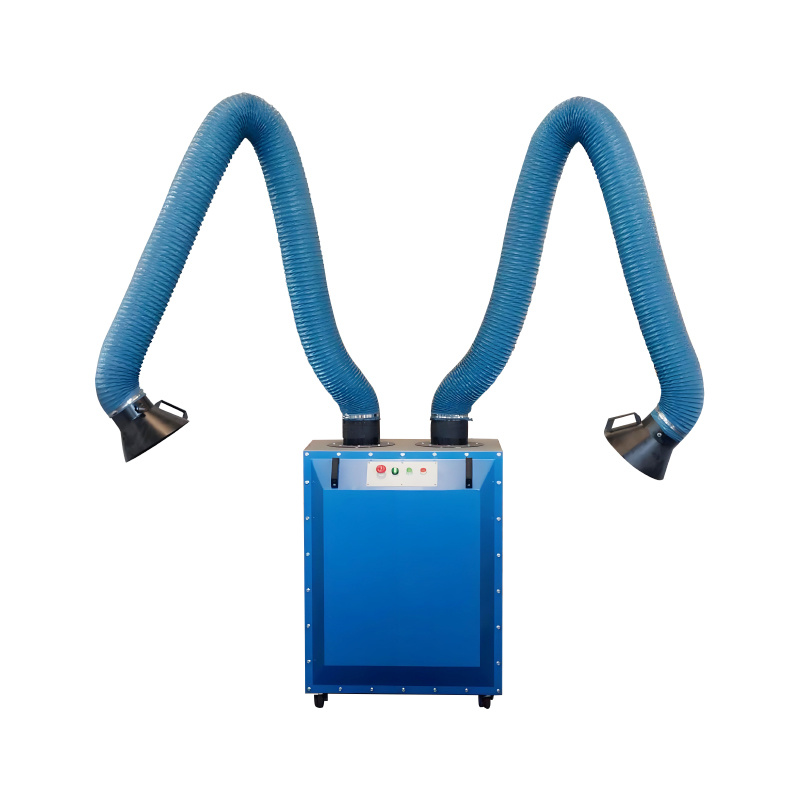
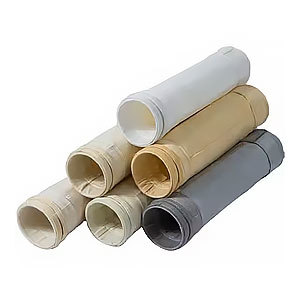
Baghouse filter bags are integral components of industrial dust collection systems, specifically designed to capture airborne particles and ensure cleaner air emissions. These filters play a vital role in various industries, including manufacturing, mining, and waste management. In essence, baghouse filters operate by using a series of fabric filter bags to trap dust and particulate matter, allowing clean air to be released into the atmosphere while preventing harmful pollutants from escaping.
One of the primary advantages of baghouse filter bags is their efficiency in removing particulate matter from exhaust gases. This efficiency is largely attributed to the unique design and material composition of the bags themselves. Typically made from high-performance fabrics such as polyester, polypropylene, or aramid, these bags are engineered to withstand high temperatures and aggressive chemical environments, making them suitable for a wide range of applications.
There are various types of baghouse filter bags available, each tailored for specific dust collection needs. For instance, some bags are designed for high-temperature applications, while others may be treated with special coatings to enhance their resistance to moisture and chemical degradation. Additionally, the choice of bag size and shape can significantly affect the dust collection efficiency, as well as the overall performance of the baghouse system. Proper selection and maintenance of these filter bags are essential to ensure optimal operational efficiency and longevity.
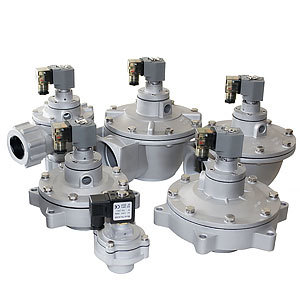
Regular maintenance of baghouse filter bags is crucial for sustaining air quality and system performance. Over time, these bags can accumulate dust and debris, leading to reduced airflow and increased energy consumption. Routine inspections and cleaning are necessary to maintain their efficiency. Common cleaning methods include pulse jet cleaning, reverse air flow, and mechanical shaking, all aimed at dislodging the captured particles and restoring the bag's filtering capabilities.
In terms of regulatory compliance, industries are increasingly required to meet stringent air quality standards. Utilizing high-quality baghouse filter bags can help companies adhere to these regulations, thereby avoiding potential fines and contributing to a healthier work environment. Furthermore, effectively managing dust emissions not only benefits the environment but also improves worker safety and productivity.
In summary, baghouse filter bags are essential components in the air purification process within industrial settings. Their ability to efficiently capture and contain hazardous particles is critical for maintaining compliance with environmental regulations and ensuring a safe workplace. Understanding the various options available and implementing proper maintenance practices can significantly enhance the effectiveness of dust collection systems.
One of the primary advantages of baghouse filter bags is their efficiency in removing particulate matter from exhaust gases. This efficiency is largely attributed to the unique design and material composition of the bags themselves. Typically made from high-performance fabrics such as polyester, polypropylene, or aramid, these bags are engineered to withstand high temperatures and aggressive chemical environments, making them suitable for a wide range of applications.
There are various types of baghouse filter bags available, each tailored for specific dust collection needs. For instance, some bags are designed for high-temperature applications, while others may be treated with special coatings to enhance their resistance to moisture and chemical degradation. Additionally, the choice of bag size and shape can significantly affect the dust collection efficiency, as well as the overall performance of the baghouse system. Proper selection and maintenance of these filter bags are essential to ensure optimal operational efficiency and longevity.
Regular maintenance of baghouse filter bags is crucial for sustaining air quality and system performance. Over time, these bags can accumulate dust and debris, leading to reduced airflow and increased energy consumption. Routine inspections and cleaning are necessary to maintain their efficiency. Common cleaning methods include pulse jet cleaning, reverse air flow, and mechanical shaking, all aimed at dislodging the captured particles and restoring the bag's filtering capabilities.
In terms of regulatory compliance, industries are increasingly required to meet stringent air quality standards. Utilizing high-quality baghouse filter bags can help companies adhere to these regulations, thereby avoiding potential fines and contributing to a healthier work environment. Furthermore, effectively managing dust emissions not only benefits the environment but also improves worker safety and productivity.
In summary, baghouse filter bags are essential components in the air purification process within industrial settings. Their ability to efficiently capture and contain hazardous particles is critical for maintaining compliance with environmental regulations and ensuring a safe workplace. Understanding the various options available and implementing proper maintenance practices can significantly enhance the effectiveness of dust collection systems.
Hot Tags:


Contact Us
Tel:
WeChat:
WhatsApp:
E-mail:
Address:
338 National Road South, Longfengdian Village, Botou City, Hebei Province, China
JiuznTomine is expertly delivering technically complicated projects in markets & provides custom solutions for their customized need.


CONTACT INFO
Tel: +86 18531710311
WeChat: +86-18531710311
338 National Road South, Longfengdian Village, Botou City, Hebei Province, China