












Sintered Plate Dust Collectors vs. Traditional Methods: Which is Better?
Feb 16,2026
Sintered Plate Dust Collectors vs. Traditional Methods: Which is Better?
Table of Contents
1. Introduction to Dust Collection Technologies
2. Understanding Sintered Plate Dust Collectors
3. Overview of Traditional Dust Collection Methods
4. Comparative Analysis: Sintered Plate vs. Traditional Methods
5. Operational Efficiency and Performance
6. Maintenance Requirements and

Sintered Plate Dust Collectors vs. Traditional Methods: Which is Better?
Table of Contents
- 1. Introduction to Dust Collection Technologies
- 2. Understanding Sintered Plate Dust Collectors
- 3. Overview of Traditional Dust Collection Methods
- 4. Comparative Analysis: Sintered Plate vs. Traditional Methods
- 5. Operational Efficiency and Performance
- 6. Maintenance Requirements and Lifespan
- 7. Environmental Impact and Compliance
- 8. Cost Analysis: Initial Investment vs. Long-term Savings
- 9. Conclusion
- 10. Frequently Asked Questions (FAQs)
1. Introduction to Dust Collection Technologies
In industrial environments, maintaining air quality is essential not only for compliance but also for the health and safety of workers. **Dust collection technologies** play a crucial role in removing airborne particles generated during manufacturing processes. This article will delve into the **sintered plate dust collectors** and traditional dust collection methods, assessing their effectiveness, advantages, and limitations.
2. Understanding Sintered Plate Dust Collectors
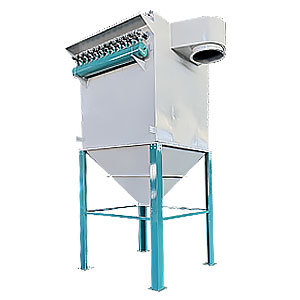
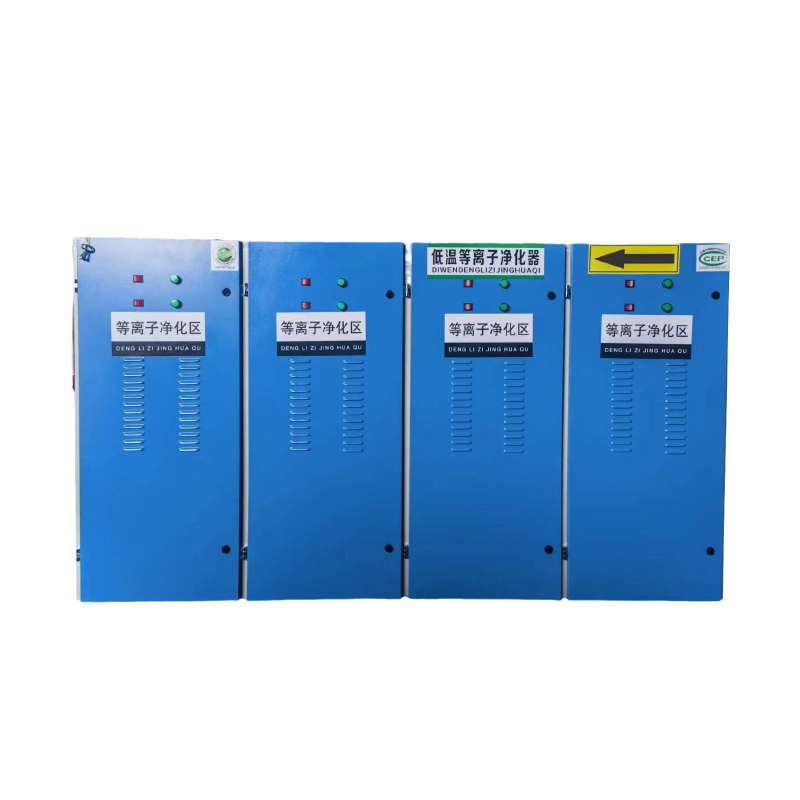
Sintered plate dust collectors utilize advanced filtration technology through **sintered metal plates**. These plates are made from metallic materials that are heated and fused together under pressure, creating a porous structure that captures fine dust particles while allowing air to flow freely.
Key Features of Sintered Plate Dust Collectors
- **High Filtration Efficiency**: Sintered plates can filter particles as small as 0.5 microns.
- **Durability**: Resistant to high temperatures and corrosion, ensuring longevity.
- **Low Maintenance**: The self-cleaning mechanism minimizes downtime for maintenance.
- **Reduced Energy Consumption**: They require less energy to operate compared to traditional filters.
3. Overview of Traditional Dust Collection Methods
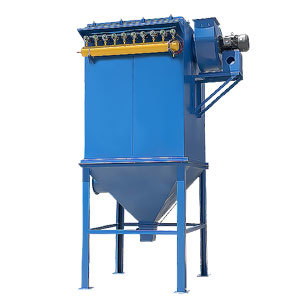
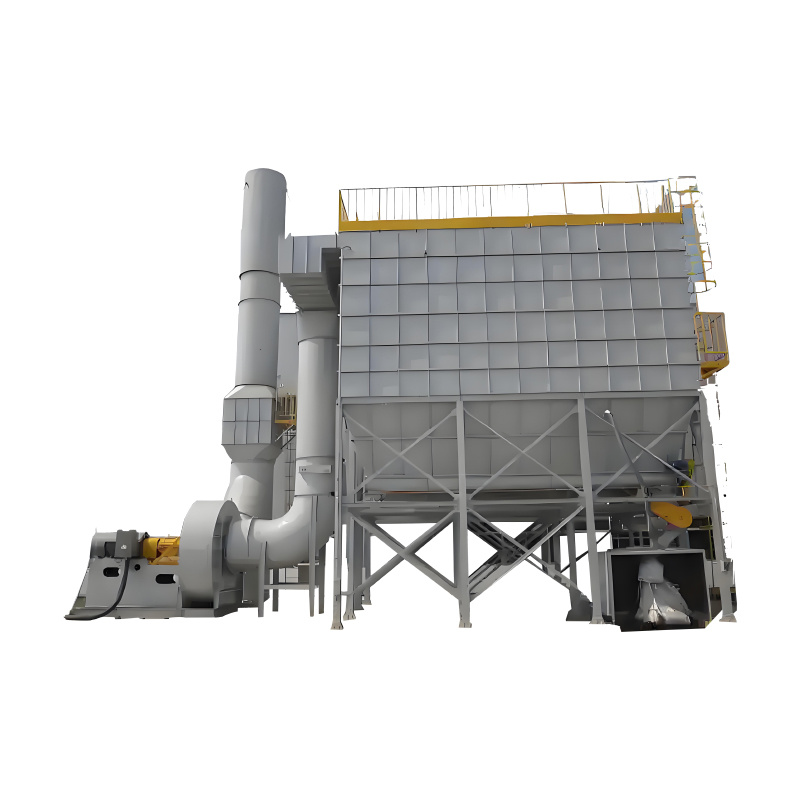
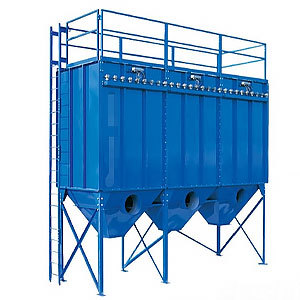
Traditional dust collection methods often include **baghouses, cyclones, and cartridge collectors**. These systems employ various filtering techniques, such as fabric filters or mechanical separation, to remove dust from the air stream.
Common Types of Traditional Dust Collectors
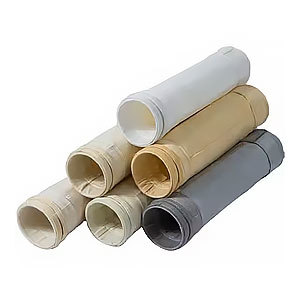
- **Baghouse Filters**: Utilize fabric bags to trap dust particles.
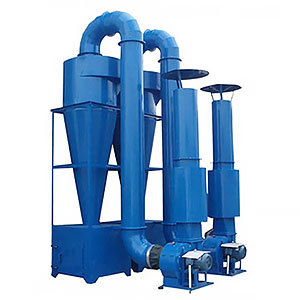
- **Cyclone Separators**: Use centrifugal force to separate particles from air.
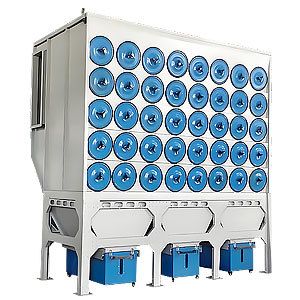
- **Cartridge Collectors**: Employ cylindrical filters that capture dust through surface filtration.
4. Comparative Analysis: Sintered Plate vs. Traditional Methods
When comparing sintered plate dust collectors to traditional methods, several factors come into play, including efficiency, maintenance, and operational costs.
Efficiency
Sintered plate collectors generally outperform traditional methods concerning efficiency. Their high filtration ratings and ability to capture fine dust particles make them ideal for environments with stringent air quality requirements.
Maintenance
Traditional dust collectors often require more frequent maintenance due to filter replacement and cleaning. In contrast, sintered plates have a self-cleaning feature, reducing operational interruptions.
Operational Costs
Initial costs for sintered plate collectors may be higher, but their longevity and lower maintenance costs often lead to significant savings in the long run.
5. Operational Efficiency and Performance
The operational efficiency of a dust collector is vital to its performance in an industrial setting. **Sintered plate dust collectors** provide several advantages in this area.
Flow Capacity
Sintered plates allow for higher **airflow capacity** due to their design, which can lead to better performance in environments with large dust volumes.
Filtration Performance
With the ability to capture ultra-fine particles, sintered plate collectors ensure cleaner air, which can lead to improved workplace safety and compliance with environmental regulations.
6. Maintenance Requirements and Lifespan
The maintenance needs of a dust collector can significantly impact its overall cost-effectiveness and reliability.
Maintenance for Sintered Plate Collectors
Sintered plates require less frequent maintenance due to their durability and self-cleaning capabilities. Regular inspections are recommended, but the need for part replacements is minimal.
Maintenance for Traditional Collectors
Traditional methods often require regular filter changes and system cleaning, leading to increased maintenance costs and downtime.
7. Environmental Impact and Compliance
Both sintered plate dust collectors and traditional methods must comply with environmental regulations concerning emissions and air quality.
Emission Standards
Sintered plates often exceed the standards set for industrial air quality, making them a more environmentally friendly option.
Waste Management
Traditional filters require disposal after their lifespan, which can contribute to landfill waste, whereas sintered plates can be cleaned and reused.
8. Cost Analysis: Initial Investment vs. Long-term Savings
Understanding the financial implications of both systems is critical for decision-making.
Initial Costs
While sintered plate dust collectors may have a higher initial investment, their longevity and efficiency often lead to lower operational costs.
Long-term Savings
Consideration of factors like maintenance frequency, energy consumption, and replacement costs shows that sintered plate collectors can offer significant savings over time.
9. Conclusion
Choosing between **sintered plate dust collectors** and traditional dust collection methods involves evaluating various factors, including efficiency, maintenance, and long-term costs. Sintered plate collectors provide superior filtration performance, reduced maintenance needs, and environmental benefits, making them a compelling choice for industrial applications. By investing in the right technology, businesses not only enhance air quality but also promote a safer and more sustainable work environment.
10. Frequently Asked Questions (FAQs)
1. What are the main advantages of sintered plate dust collectors?
**Sintered plate dust collectors** offer high filtration efficiency, durability, low maintenance needs, and reduced energy consumption.
2. How often do traditional dust collectors need maintenance?
Traditional dust collectors typically require more frequent maintenance, including filter changes and system cleaning, which can lead to increased downtime.
3. Are sintered plates more environmentally friendly?
Yes, sintered plates often exceed emission standards and generate less waste compared to traditional filters, making them a more eco-friendly option.
4. What is the lifespan of sintered plate dust collectors?
Sintered plate dust collectors can last considerably longer than traditional filters, particularly due to their durable materials and self-cleaning features.
5. Can sintered plate dust collectors handle high dust volumes?
Yes, sintered plate dust collectors are designed to accommodate high airflow capacities, making them suitable for environments with significant dust generation.
By analyzing the strengths and weaknesses of each method, businesses can make informed decisions that lead to improved operational efficiency and compliance with environmental standards.
Hot Tags:


Contact Us
Tel:
WeChat:
WhatsApp:
E-mail:
Address:
338 National Road South, Longfengdian Village, Botou City, Hebei Province, China
JiuznTomine is expertly delivering technically complicated projects in markets & provides custom solutions for their customized need.


CONTACT INFO
Tel: +86 18531710311
WeChat: +86-18531710311
338 National Road South, Longfengdian Village, Botou City, Hebei Province, China