











The Essential Guide to Sintered Plate Dust Collectors: Enhancing Industrial Air Quality
Feb 14,2026
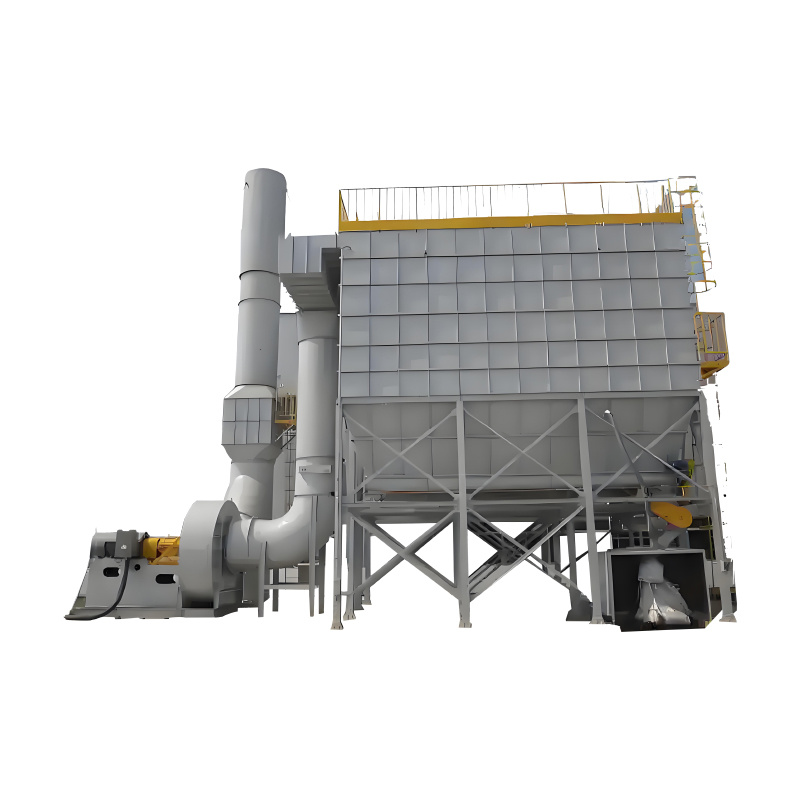
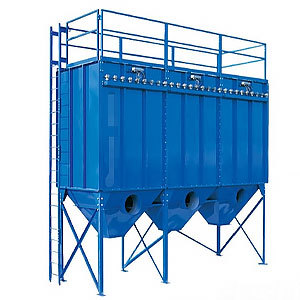
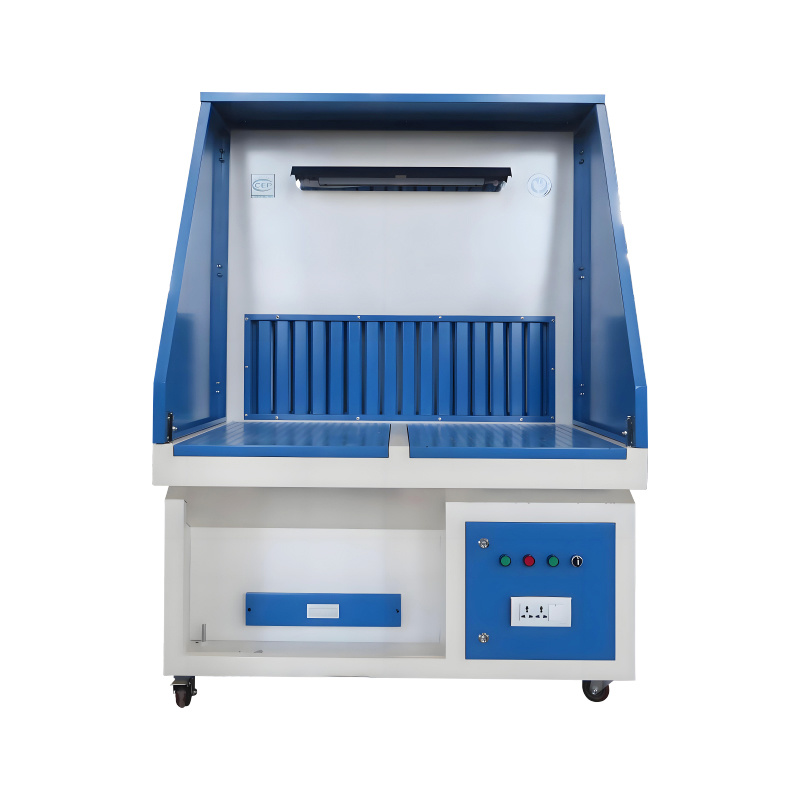
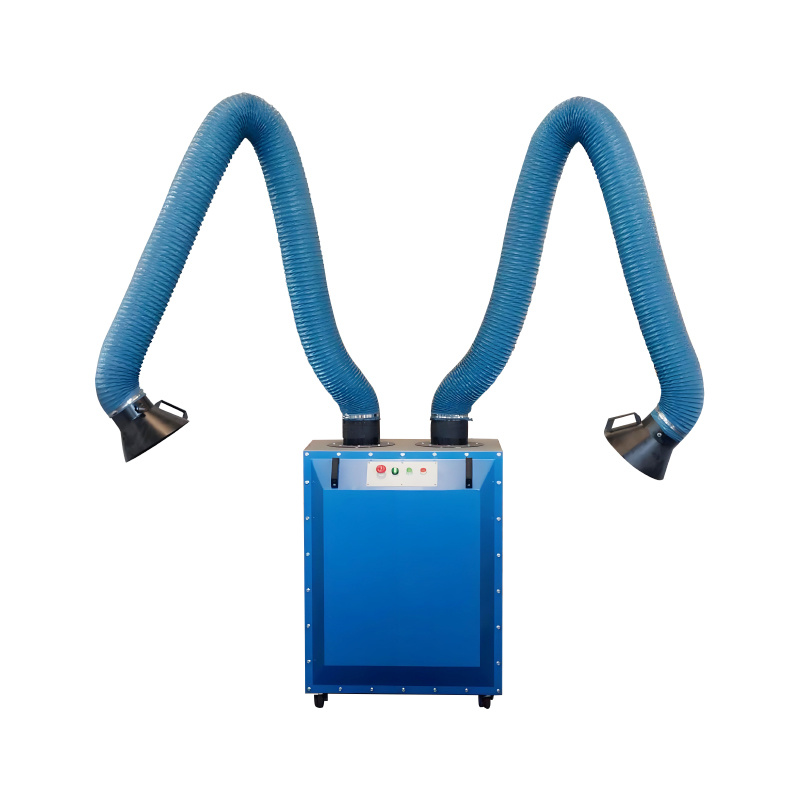
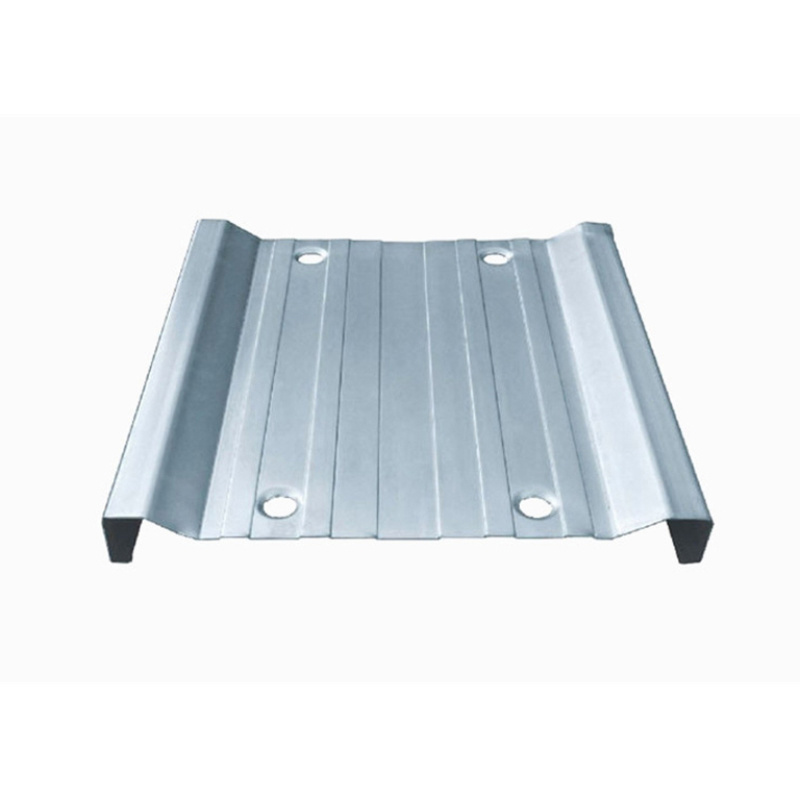
Sintered plate dust collectors represent a sophisticated method for capturing airborne particles in industrial settings. These collectors utilize sintered plates—porous materials that allow air to pass through while trapping larger dust particles. The design promotes high filtration efficiency and ensures that air released into the environment is clean and safe.
One of the primary benefits of sin

Sintered plate dust collectors represent a sophisticated method for capturing airborne particles in industrial settings. These collectors utilize sintered plates—porous materials that allow air to pass through while trapping larger dust particles. The design promotes high filtration efficiency and ensures that air released into the environment is clean and safe.
One of the primary benefits of sintered plate dust collectors is their ability to handle a wide range of particle sizes, from fine dust to larger debris. This versatility makes them suitable for various industries, including manufacturing, pharmaceuticals, and food processing, where air quality is paramount. Additionally, the sintered plate's structure reduces the risk of clogging, which is a common issue with traditional filter systems.
The mechanism of a sintered plate dust collector involves multiple stages of filtration. Initially, air enters the collector and passes through a pre-filter, which captures larger particles. The air then flows through the sintered plates, where smaller particles are trapped within the material’s pores. Finally, clean air exits the system, significantly reducing the amount of particulate matter released into the atmosphere.
Moreover, sintered plate dust collectors are designed for easy maintenance and durability. Their robust construction means they can withstand harsh industrial conditions, leading to a longer lifespan compared to other filtration systems. Regular maintenance typically involves inspecting the plates for buildup and cleaning them as necessary, which is straightforward due to their accessible design.
In terms of energy efficiency, sintered plate dust collectors often require less energy to operate compared to traditional systems. The reduced pressure drop across the filtration media allows for improved airflow, which can translate into lower operational costs over time. This aspect is particularly appealing to professionals aiming to enhance sustainability measures in their facilities.
In conclusion, sintered plate dust collectors are an innovative and effective solution for managing industrial air quality by efficiently capturing dust and particulates. Their high filtration performance, low maintenance needs, and energy efficiency make them a valuable asset in any industrial setting. By understanding the functionality and advantages of sintered plate dust collectors, professionals can better address their air purification needs and contribute to a safer working environment.
One of the primary benefits of sintered plate dust collectors is their ability to handle a wide range of particle sizes, from fine dust to larger debris. This versatility makes them suitable for various industries, including manufacturing, pharmaceuticals, and food processing, where air quality is paramount. Additionally, the sintered plate's structure reduces the risk of clogging, which is a common issue with traditional filter systems.
The mechanism of a sintered plate dust collector involves multiple stages of filtration. Initially, air enters the collector and passes through a pre-filter, which captures larger particles. The air then flows through the sintered plates, where smaller particles are trapped within the material’s pores. Finally, clean air exits the system, significantly reducing the amount of particulate matter released into the atmosphere.
Moreover, sintered plate dust collectors are designed for easy maintenance and durability. Their robust construction means they can withstand harsh industrial conditions, leading to a longer lifespan compared to other filtration systems. Regular maintenance typically involves inspecting the plates for buildup and cleaning them as necessary, which is straightforward due to their accessible design.
In terms of energy efficiency, sintered plate dust collectors often require less energy to operate compared to traditional systems. The reduced pressure drop across the filtration media allows for improved airflow, which can translate into lower operational costs over time. This aspect is particularly appealing to professionals aiming to enhance sustainability measures in their facilities.
In conclusion, sintered plate dust collectors are an innovative and effective solution for managing industrial air quality by efficiently capturing dust and particulates. Their high filtration performance, low maintenance needs, and energy efficiency make them a valuable asset in any industrial setting. By understanding the functionality and advantages of sintered plate dust collectors, professionals can better address their air purification needs and contribute to a safer working environment.
Hot Tags:


Contact Us
Tel:
WeChat:
WhatsApp:
E-mail:
Address:
338 National Road South, Longfengdian Village, Botou City, Hebei Province, China
JiuznTomine is expertly delivering technically complicated projects in markets & provides custom solutions for their customized need.


CONTACT INFO
Tel: +86 18531710311
WeChat: +86-18531710311
338 National Road South, Longfengdian Village, Botou City, Hebei Province, China