












Innovative Technologies in Grinding Platform Dust Collection: What You Need to Know
Feb 12,2026

Innovative Technologies in Grinding Platform Dust Collection: What You Need to Know
In the modern industrial landscape, effective dust collection has become an essential component of operational efficiency and workplace safety, especially in grinding platforms. As manufacturing processes evolve, so do the technologies designed to manage dust and particulates. This article explores the innovative technologies in grinding platform dust collection that every industry professional should know about.
The Importance of Dust Collection in Grinding Platforms
Grinding processes generate fine particles that can pose significant health risks to workers and environmental hazards if not managed properly. Effective dust collection systems are crucial for:
- **Protecting Worker Health**: Prolonged exposure to airborne dust can lead to respiratory issues and other health complications.
- **Maintaining Equipment Efficiency**: Dust accumulation can hinder equipment performance and lead to costly downtime.
- **Compliance with Regulations**: Many industries are subject to strict environmental regulations mandating effective dust control measures.
- **Enhancing Workplace Safety**: Proper dust management reduces slip hazards and the risk of combustible dust explosions.
Exploring Innovative Dust Collection Technologies
As industries continue to innovate, several cutting-edge technologies have emerged that revolutionize dust collection in grinding operations. Here’s a closer look at these advancements.
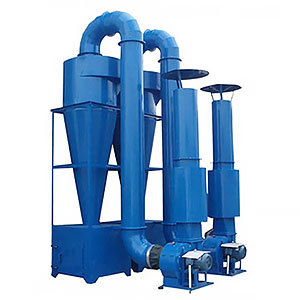
1. Cyclone Dust Collectors
Cyclone dust collectors utilize centrifugal force to separate larger particles from the airstream. This technology is particularly effective in grinding operations, allowing for:
- **High Efficiency**: Cyclone collectors can achieve separation efficiencies of up to 99% for larger particles.
- **Low Maintenance Costs**: With no filters to replace, maintenance becomes simpler and more cost-effective.
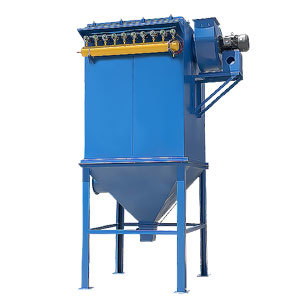
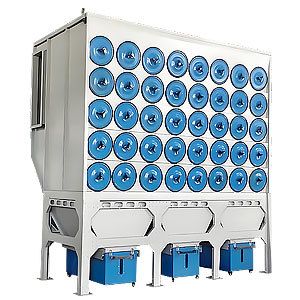
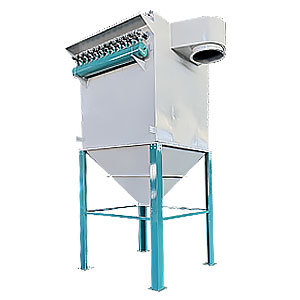
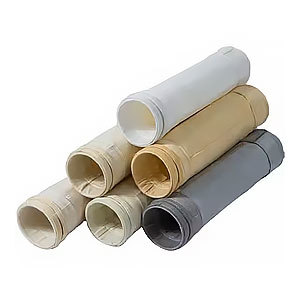
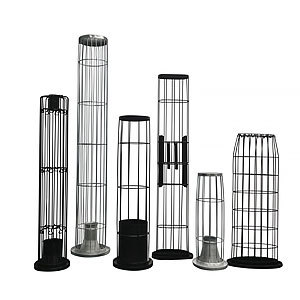
2. Baghouse Filters
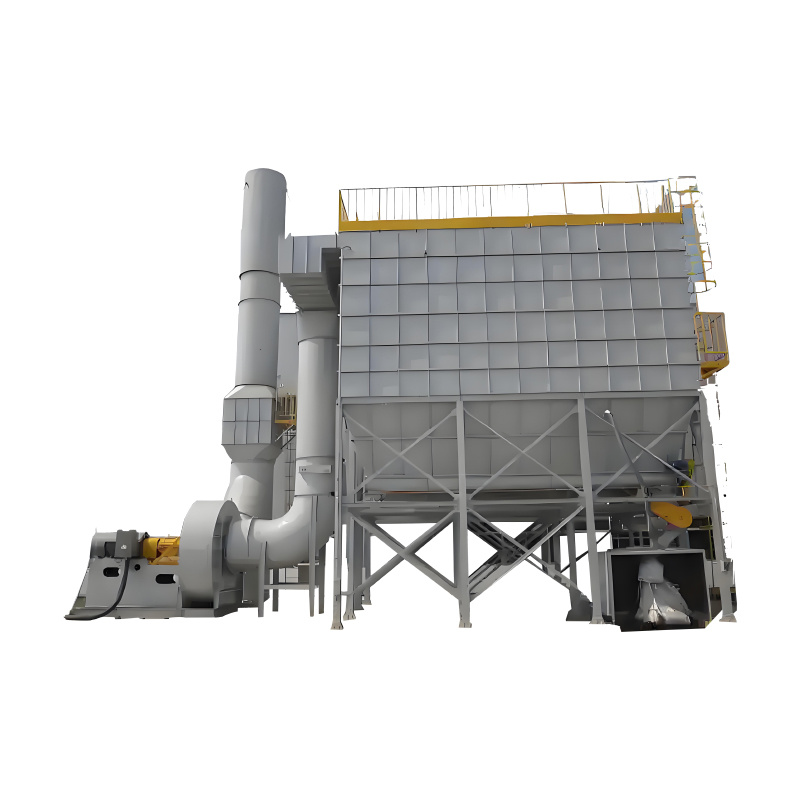
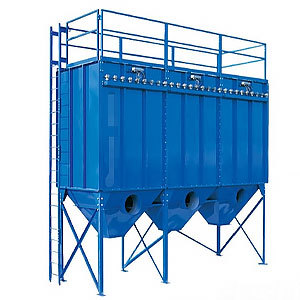
Baghouse filters are widely recognized for their ability to capture fine dust particles. They work by forcing air through fabric filters, which trap dust and allow clean air to escape. Key benefits include:
- **Versatility**: Baghouse systems can handle a wide variety of dust types, making them suitable for diverse grinding applications.
- **Enhanced Air Quality**: They significantly improve indoor air quality, contributing to a healthier working environment.
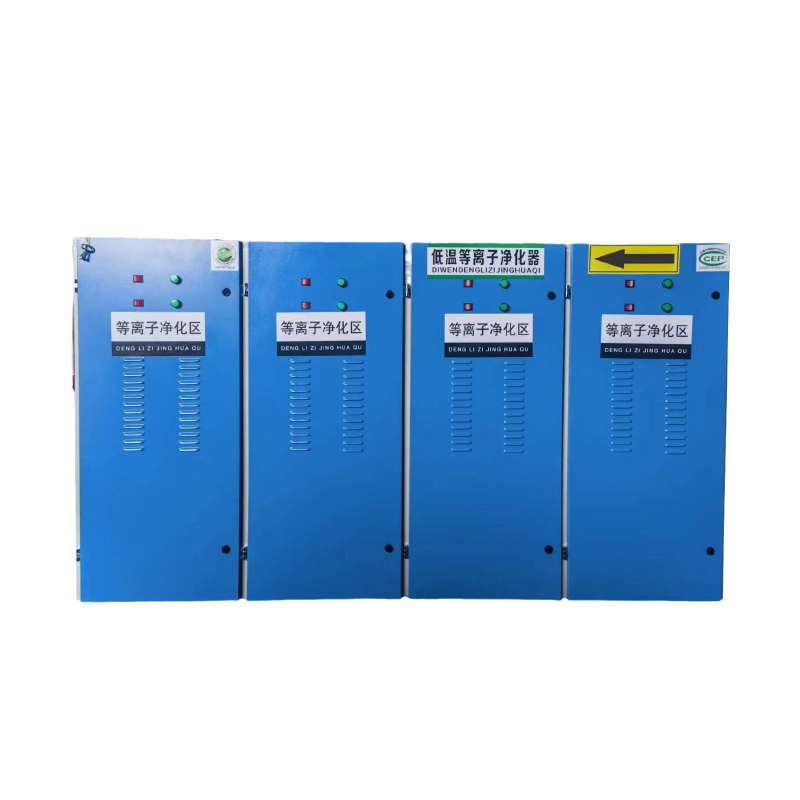
3. Electrostatic Precipitators (ESPs)
Electrostatic precipitators utilize electrical charges to capture dust particles from the airstream. Their advantages include:
- **High Collection Efficiency**: ESPs can achieve efficiencies of over 99%, particularly for very fine particles.
- **Space Efficiency**: They require less space than traditional filters, making them suitable for facilities with limited space.
4. HEPA Filters
High-Efficiency Particulate Air (HEPA) filters are designed to trap at least 99.97% of particles that are 0.3 microns in size. They are critical in industries where air purity is paramount. Benefits of HEPA filters include:
- **Superior Filtration**: They provide exceptional air quality, making them ideal for sensitive operations.
- **Compliance with Industry Standards**: Many industries require HEPA filtration to comply with health and safety regulations.
5. Vacuum Dust Collectors
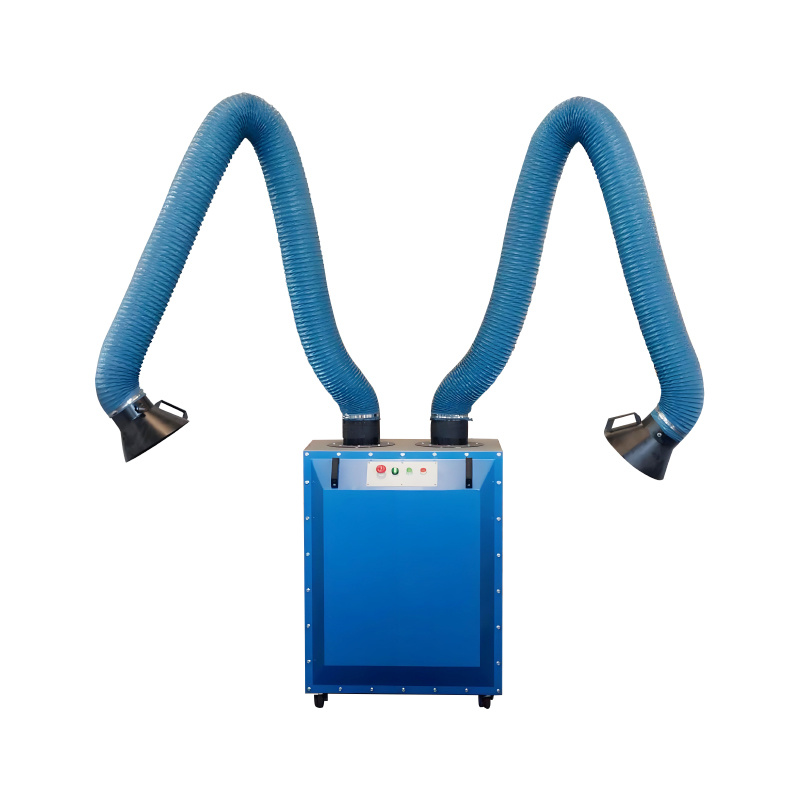
Vacuum dust collectors provide a portable solution for grinding operations, allowing for localized dust control. Their advantages include:
- **Mobility**: These systems can be easily moved to different workstations, enhancing flexibility.
- **Immediate Dust Control**: Vacuum systems can capture dust at the source, preventing it from dispersing into the air.
Integrating Smart Technologies in Dust Collection
As technology advances, the integration of smart systems in dust collection is transforming how industries manage dust. Here’s how:
1. IoT-Enabled Dust Collection Systems
The Internet of Things (IoT) facilitates real-time monitoring and management of dust collection systems. Key features include:
- **Real-Time Data Analysis**: Operators can track system performance and air quality metrics continuously.
- **Predictive Maintenance**: IoT devices can predict when maintenance is required, significantly reducing downtime.
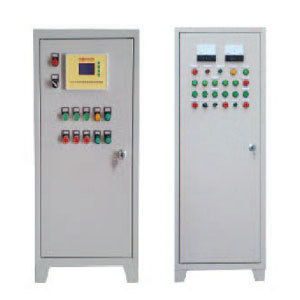
2. Automated Dust Collection Control
Automation technology allows for seamless control of dust collection systems, providing benefits like:
- **Optimized Performance**: Automated systems adjust airflow and filtration rates based on real-time dust levels.
- **Reduced Energy Consumption**: Smart control systems can significantly lower energy use by optimizing operational parameters.
Benefits of Upgrading to Innovative Dust Collection Technologies
Investing in advanced dust collection technologies yields numerous benefits for manufacturers:
- **Improved Worker Safety**: Enhanced dust control measures lead to a safer working environment.
- **Increased Productivity**: Cleaner workspaces and efficient equipment result in higher operational output.
- **Cost Savings**: Reduced maintenance and energy costs contribute to overall savings.
- **Regulatory Compliance**: Up-to-date systems ensure compliance with health and environmental regulations.
Challenges and Considerations in Dust Collection System Implementation
While upgrading to innovative dust collection systems is beneficial, industries must also consider certain challenges:
1. Initial Investment Costs
The upfront investment for advanced dust collection systems can be significant. It’s essential to conduct a cost-benefit analysis to understand the long-term savings.
2. System Compatibility
Ensuring that new systems integrate seamlessly with existing operations is critical. Compatibility assessments should be conducted prior to installation.
3. Training and Adaptation
Employees may require training to effectively utilize new systems. Investing in training programs is crucial for maximizing the benefits of upgraded technologies.
Future Trends in Dust Collection Technologies
The future of dust collection technology is promising, with several trends expected to reshape the landscape:
1. Advanced Materials and Filtration Media
Innovations in filtration materials are leading to more efficient and longer-lasting dust collection systems. Expect to see new materials that enhance filtration efficiency and reduce maintenance.
2. Increased Focus on Sustainability
As industries strive for greener practices, dust collection systems will increasingly incorporate sustainable technologies that minimize environmental impact.
3. Enhanced User Interfaces
User-friendly interfaces and control systems will become a norm, making it easier for operators to manage dust collection processes effectively.
Frequently Asked Questions (FAQs)
1. What are the main types of dust collection systems?
The main types include cyclone dust collectors, baghouse filters, electrostatic precipitators, HEPA filters, and vacuum dust collectors.
2. How do I know which dust collection system is right for my grinding operation?
Consider factors such as the type of dust generated, facility layout, and regulatory requirements when selecting a dust collection system.
3. What are the health risks associated with dust exposure in grinding operations?
Exposure to dust can lead to respiratory problems, skin irritations, and other health issues, making effective dust management essential.
4. How often should dust collection systems be maintained?
Maintenance frequency varies by system type and usage, but regular inspections and cleaning are recommended to ensure optimal performance.
5. Are smart dust collection systems worth the investment?
Yes, smart systems provide real-time monitoring, predictive maintenance, and energy savings, making them a valuable investment in the long run.
Conclusion
Innovative technologies in grinding platform dust collection are crucial for enhancing workplace safety, ensuring compliance with regulations, and improving operational efficiency. By understanding the available options and the benefits they offer, industries can make informed decisions that not only protect their workers but also contribute to a more sustainable and efficient manufacturing environment. As technology continues to advance, staying ahead of the curve will enable businesses to thrive in a competitive landscape while prioritizing health and safety.
Hot Tags:


Contact Us
Tel:
WeChat:
WhatsApp:
E-mail:
Address:
338 National Road South, Longfengdian Village, Botou City, Hebei Province, China
JiuznTomine is expertly delivering technically complicated projects in markets & provides custom solutions for their customized need.


CONTACT INFO
Tel: +86 18531710311
WeChat: +86-18531710311
338 National Road South, Longfengdian Village, Botou City, Hebei Province, China