












Essential Benefits of Centrifugal Fans in Industrial Applications
Feb 28,2026
Essential Benefits of Centrifugal Fans in Industrial Applications
Introduction to Centrifugal Fans
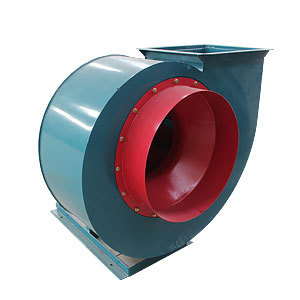
Centrifugal fans, also known as blowers, are a critical component in many industrial applications. They function by converting rotational energy, typically from an electric motor, into the kinetic energy of air, moving it in a radial direction. This article delves into the essential benefits of centr

Essential Benefits of Centrifugal Fans in Industrial Applications
Introduction to Centrifugal Fans
Centrifugal fans, also known as blowers, are a critical component in many industrial applications. They function by converting rotational energy, typically from an electric motor, into the kinetic energy of air, moving it in a radial direction. This article delves into the essential benefits of centrifugal fans, exploring their crucial roles in various sectors, including manufacturing, HVAC, and agricultural industries.
Understanding the Mechanism of Centrifugal Fans
Centrifugal fans operate through a straightforward yet effective mechanism. The fan's blades, often curved, are designed to draw air into the fan and accelerate it outward, increasing its pressure. This mechanism is pivotal for several industrial applications, enabling the movement of air efficiently and effectively.
Types of Centrifugal Fans
There are various types of centrifugal fans, each catering to specific industrial needs:
1. Forward-Curved Fans
Forward-curved fans are known for their high airflow and low pressure. They are often used in applications requiring substantial air movement without much resistance, such as air conditioning systems.
2. Backward-Curved Fans
Backward-curved fans are ideal for high-pressure applications. Their design allows for better efficiency and lower noise levels, making them suitable for industrial exhaust systems and ventilation applications.
3. Radial Fans
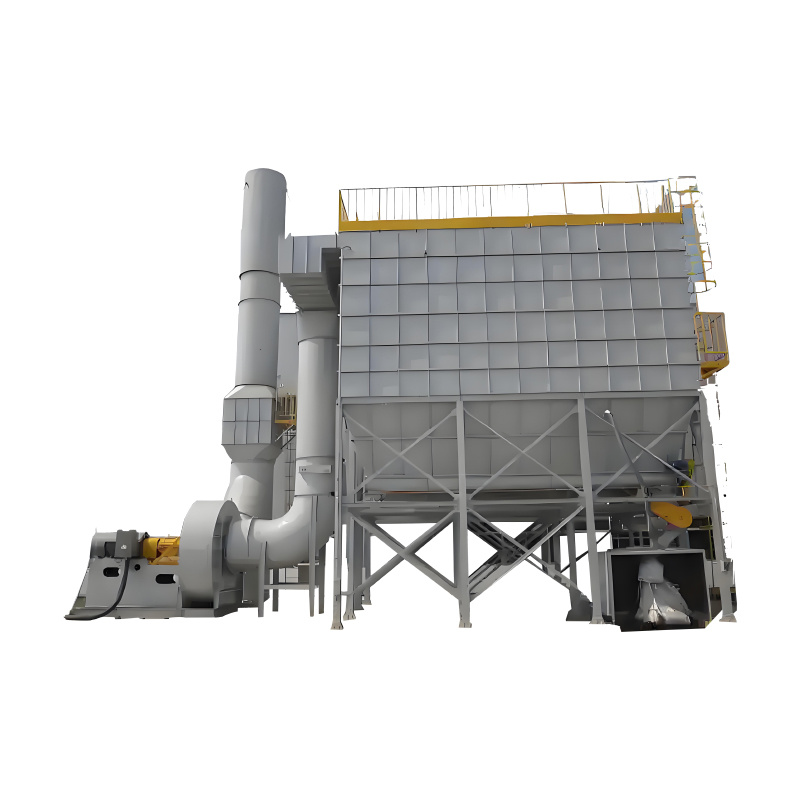
Radial fans are versatile and can handle various airflow and pressure requirements. They are commonly found in dust collection systems and material handling equipment.
Key Advantages of Using Centrifugal Fans
Centrifugal fans offer several advantages that make them indispensable in industrial applications.
1. Enhanced Efficiency and Performance
One of the primary benefits of centrifugal fans is their ability to deliver high efficiency. These fans can maintain consistent airflow over varying pressure conditions, ensuring optimal performance in demanding environments. This efficiency translates into reduced energy consumption, leading to lower operational costs.
2. Versatile Applications
Centrifugal fans are incredibly versatile, making them suitable for a wide range of industrial applications. Whether it's ventilating factories, cooling equipment, or transporting materials, these fans adapt to diverse operational needs. Their flexibility allows industries to achieve specific air movement requirements without needing multiple fan types.
3. Improved Air Quality
In many industrial settings, maintaining air quality is crucial for the health and safety of workers. Centrifugal fans help in removing contaminants, dust, and harmful gases from the air, thereby improving the overall air quality within the facility. This function is particularly vital in industries like pharmaceuticals, food processing, and chemical manufacturing.
4. Noise Reduction
Centrifugal fans, especially backward-curved models, are designed to operate quietly. This characteristic is essential in environments where noise pollution can disrupt operations or affect worker comfort. By reducing noise levels, these fans enhance the working atmosphere, leading to increased productivity.
5. Durability and Low Maintenance
Constructed from robust materials, centrifugal fans are designed for longevity. Their simple design and fewer moving parts contribute to lower maintenance requirements, which is a significant advantage for industries looking to minimize downtime and maintenance costs.
Applications of Centrifugal Fans in Different Industries
The integration of centrifugal fans spans multiple industries, each with unique requirements and challenges.
1. Manufacturing
In manufacturing plants, centrifugal fans are essential for ventilating workspaces, removing fumes, and cooling equipment. They ensure that workers operate in a safe and comfortable environment while maintaining the efficiency of machinery.
2. HVAC Systems
Centrifugal fans play a pivotal role in heating, ventilation, and air conditioning (HVAC) systems. They help circulate air throughout buildings, providing consistent temperature control and enhancing indoor air quality.
3. Agriculture
In agricultural settings, centrifugal fans are used in grain storage and drying processes. They facilitate air circulation, preventing spoilage and ensuring optimal conditions for stored produce.
4. Wastewater Treatment
Centrifugal fans contribute significantly to aeration in wastewater treatment facilities. They help in the mixing of air with wastewater, promoting the growth of aerobic bacteria essential for breaking down waste.
5. Food Processing
In food processing, maintaining hygiene and air quality is paramount. Centrifugal fans assist in ventilating processing areas, keeping them free from contaminants and ensuring food safety.
Factors to Consider When Choosing a Centrifugal Fan
Selecting the right centrifugal fan for your specific application is crucial for achieving optimal performance. Here are essential factors to consider:
1. Airflow Requirements
Determine the required airflow (measured in cubic feet per minute, or CFM) for your application. Understanding this can help you select a fan that meets your operational needs.
2. Pressure Requirements
Assess the static pressure required for your system. Different fan designs cater to various pressure ranges, and choosing the appropriate fan is vital for efficiency.
3. Noise Levels
Consider the noise tolerance of your workplace. If noise is a concern, select a fan model specifically designed for quieter operation, such as backward-curved fans.
4. Material Durability
Evaluate the materials used in the fan's construction. Ensure they are suitable for the environmental conditions they will face, such as humidity, temperature, and exposure to chemicals.
5. Maintenance Requirements
Analyze the maintenance needs of the fan. Opt for models designed for easy access to components for cleaning and maintenance, reducing downtime.
FAQs About Centrifugal Fans
1. What is the difference between centrifugal fans and axial fans?
Centrifugal fans move air perpendicular to the fan's intake, creating high pressure and making them suitable for ductwork. Axial fans move air parallel to the intake direction and are ideal for low-pressure applications.
2. Can centrifugal fans be used in hazardous environments?
Yes, centrifugal fans can be designed for hazardous environments. Specialized materials and explosion-proof motors are available to withstand challenging conditions.
3. How do I determine the right size centrifugal fan for my application?
To determine the appropriate size, calculate your airflow and pressure requirements. Consulting with a fan manufacturer can also provide valuable insights.
4. What maintenance does a centrifugal fan require?
Regular maintenance includes cleaning the blades, checking for obstructions, lubricating bearings, and inspecting for wear and tear.
5. Are centrifugal fans energy-efficient?
Centrifugal fans are generally more energy-efficient than other fan types, especially when selecting models designed for specific pressure and airflow conditions.
Conclusion
Centrifugal fans are vital components in industrial applications, offering numerous benefits such as enhanced efficiency, versatility, and improved air quality. Their role in various sectors underscores their importance in maintaining operational excellence. By carefully considering airflow, pressure requirements, and specific application needs, industries can select the right centrifugal fan to optimize their processes. Investing in high-quality centrifugal fans not only improves productivity but also contributes to a safer and healthier working environment.
Hot Tags:
PREVIOUS:

Contact Us
Tel:
WeChat:
WhatsApp:
E-mail:
Address:
338 National Road South, Longfengdian Village, Botou City, Hebei Province, China
JiuznTomine is expertly delivering technically complicated projects in markets & provides custom solutions for their customized need.


CONTACT INFO
Tel: +86 18531710311
WeChat: +86-18531710311
338 National Road South, Longfengdian Village, Botou City, Hebei Province, China