












Troubleshooting and Maintenance Methods for Electromagnetic Pulse Valve
Feb 10,2026

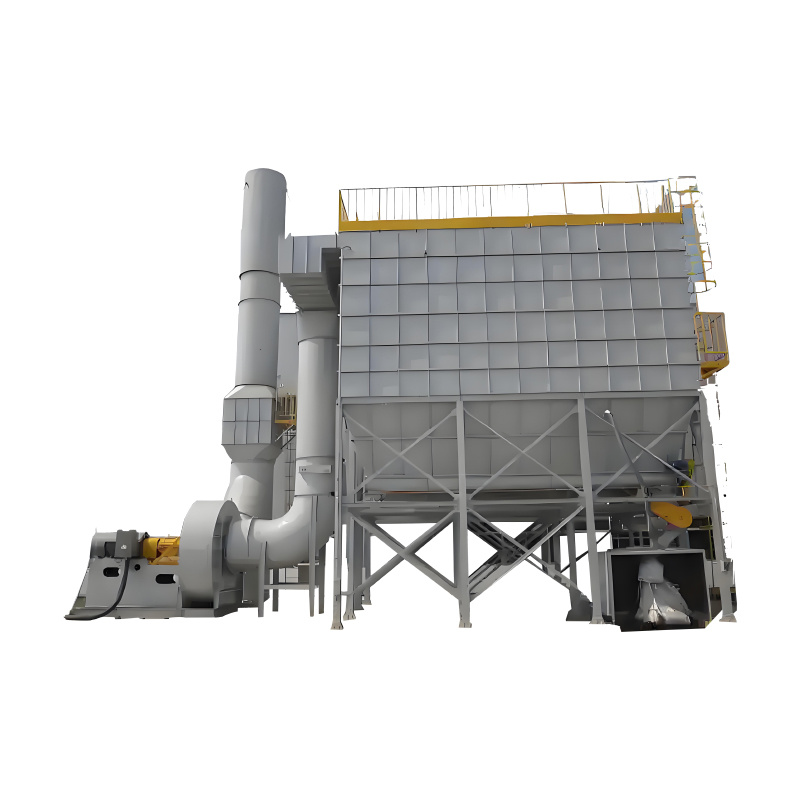
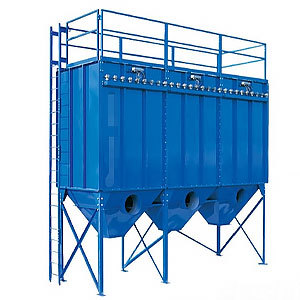
The electromagnetic pulse valve is the core component of the bag filter dust cleaning system, and its stability directly determines the dust removal efficiency and equipment life. In overseas industrial scenarios, valve groups are prone to malfunctions due to factors such as gas sources, operating conditions, and installation.
1、 Basic knowledge of electromagnetic pulse valve (essential for minimalism)
Before troubleshooting and maintenance, it is necessary to clarify the core points and comply with mainstream overseas specifications:
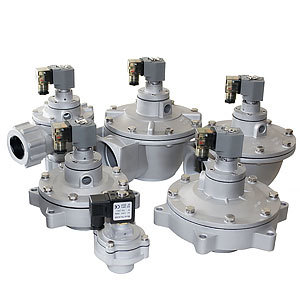
1. Working principle: The opening and closing of the valve core is controlled by the electromagnetic coil to achieve instantaneous injection of compressed air (0.1-0.2 seconds), which is regulated by a pulse controller.
2. Core structure: composed of electromagnetic coils, valve cores, valve seats, etc. The coils, seals, and valve cores are vulnerable parts.
3. Common overseas specifications: voltage AC220V/DC24V, injection pressure 0.3-0.5MPa, divided into right angle and submerged types, mainly using threaded connections.
2、 Common troubleshooting of electromagnetic pulse valve (precise and efficient)
Troubleshooting follows the logic of "electrical first, mechanical second, and then gas source". The following are six common types of faults on overseas sites, with simplified practical steps:
(1) Fault 1: Electromagnetic pulse valve does not blow (most common)
Core performance: The control instrument has a signal, the valve group has no action, the filter bag accumulates dust, and the resistance increases.
1. Check the electrical circuit: Use a multimeter to measure the coil voltage. If there is no voltage, check the controller and circuit; The voltage is normal but the resistance is infinite. It is necessary to replace the coil with the same specification (matching the local voltage).
2. Check for mechanical jamming: Close the gas source, disassemble the valve assembly, blow away impurities from the valve core, and replace worn valve cores or deformed springs.
3. Check the air source: Ensure a pressure of 0.3~0.5MPa, clean the air source filter, and regularly replace the filter element.
(2) Fault 2: Weak blowing and poor dust cleaning effect
Core performance: The valve group is moving, the spraying force is insufficient, and the resistance of the dust collector continues to rise.
1. Check the gas source: increase the pressure to the standard range, inspect the pipeline for leaks and blockages, replace the filter element and faulty pressure reducing valve.
2. Check valve components: After disassembly, inspect the seals, valve cores, and valve seats, replace aging and damaged parts, and polish the valve seat scratches.
3. Check the spraying pipeline: clean the blocked pipeline, replace the worn spraying nozzle, tighten the loose joint, and install a sealing gasket.
(3) Fault 3: Leakage of electromagnetic pulse valve
Core performance: Continuous air leakage without power or after injection, wasting gas source and reducing injection pressure.
1. Leakage without power: Clean the impurities in the valve core and seat, repair worn parts, replace deformed springs and aging seals.
2. Leakage after spraying: Check the control instrument to eliminate residual voltage, clean the stuck impurities in the valve core, and replace the faulty coil or spring.
3. Leakage at the connection point: Tighten the joint, replace the aging gasket, and ensure a tight connection.
(4) Fault 4: Frequent burnout of electromagnetic pulse valve
Core performance: The coil repeatedly burns out in the short term, increasing operation and maintenance costs and affecting equipment operation.
1. Check voltage: Install a voltage regulator to stabilize the power supply, inspect the controller to ensure normal signal switching.
2. Check working conditions: Install heat dissipation devices or replace high-temperature resistant coils for high-temperature working conditions, and install protective covers for corrosive working conditions.
3. Check installation selection: Tighten the coil fixing screws and replace the coil with one that matches the working conditions and power supply.
4. Check the gas source: Strengthen the purification of the gas source, regularly replace the filter element, and prevent impurities from entering the coil.
(5) Fault 5: The valve core is stuck and cannot be reset
Core performance: The valve core cannot open and close normally, with no blowing or continuous leakage.
1. After cutting off power and gas, disassemble the valve assembly and use compressed air to blow away impurities from the valve core and seat.
2. Repair or replace worn and deformed valve cores, valve seats, and springs.
3. Apply high-temperature and oil resistant lubricating grease during assembly, and put it into use after testing.
(6) Fault 6: Abnormal pulse frequency and disordered action
Core performance: The valve group action does not match the control instrument setting, and the dust cleaning effect is unstable.
1. Check the control instrument, adjust the injection parameters (cycle 10-30 seconds, time 0.1-0.2 seconds), repair or replace the faulty control instrument.
2. Repair poor contact and short circuit problems in the circuit, and improve the grounding device.
3. Adjust the air source pressure and check for pipeline blockages and leaks.
3、 Maintenance and upkeep methods for electromagnetic pulse valves (graded operation and maintenance)
According to the classification of "daily regular long-term idle" maintenance, the service life of the valve group can be extended to 2-3 years, and the overseas working conditions can flexibly adjust the cycle:
(1) Daily inspection (once a day)
1. Observe the action status of the valve group and investigate whether there is no blowing, weak blowing, and abnormal noise.
2. Check the pressure of the gas source and promptly discharge the accumulated water and oil stains from the filter.
3. Check the leakage situation of the valve group and joints, and promptly deal with any problems found.
4. Check the integrity of the coil wiring and circuit.
(2) Regular maintenance (in line with overseas operation and maintenance rhythm)
1. Short term (once a month): Clean the filter element, tighten the joint, replace the aging gasket, and blow the valve group and pipeline impurities.
2. Mid term (once every 3 months): Disassemble the valve assembly to clean internal impurities, inspect worn parts, and test coil resistance and insulation.
3. Long term (once every 6 months): Comprehensive disassembly and maintenance, replacement of damaged parts, debugging of control instrument signals, and proper rust and corrosion prevention treatment.
(3) Long term idle maintenance (shutdown for more than one month)
1. Cut off power and gas, and exhaust residual air in the pipeline and valve group.
After disassembling and cleaning the valve assembly, apply lubricating grease and seal it for storage.
3. Store the coils and seals properly to avoid moisture and corrosion.
4. Assemble and test before restarting, debug and put into use after normal operation.
4、 Overseas practical precautions
1. Safe operation: Cut off power and air before disassembly, discharge residual air, and mark the disassembled parts properly.
2. Selection of vulnerable parts: When replacing, match the original specifications, taking into account local voltage and operating conditions.
3. Air source purification: Install a precision filter (filtration accuracy ≤ 5 μ m) at the front end and replace the filter element regularly.
4. Fault tracing: Establish a ledger to record faults and maintenance situations, and optimize operation and maintenance plans.
The faults of electromagnetic pulse valves are mainly caused by electrical, gas source, mechanical and working condition corrosion. Following the troubleshooting logic of "electrical first, mechanical second, and then gas source", combined with graded maintenance, can significantly reduce the failure rate. Overseas operation and maintenance personnel who master the practical methods in this article and strictly follow the precautions can ensure the stable operation of the valve group, reduce operation and maintenance costs, and meet industrial environmental emission requirements.
Hot Tags:


Contact Us
Tel:
WeChat:
WhatsApp:
E-mail:
Address:
338 National Road South, Longfengdian Village, Botou City, Hebei Province, China
JiuznTomine is expertly delivering technically complicated projects in markets & provides custom solutions for their customized need.


CONTACT INFO
Tel: +86 18531710311
WeChat: +86-18531710311
338 National Road South, Longfengdian Village, Botou City, Hebei Province, China