











Common faults and replacement installation techniques of barbed wire
Feb 10,2026

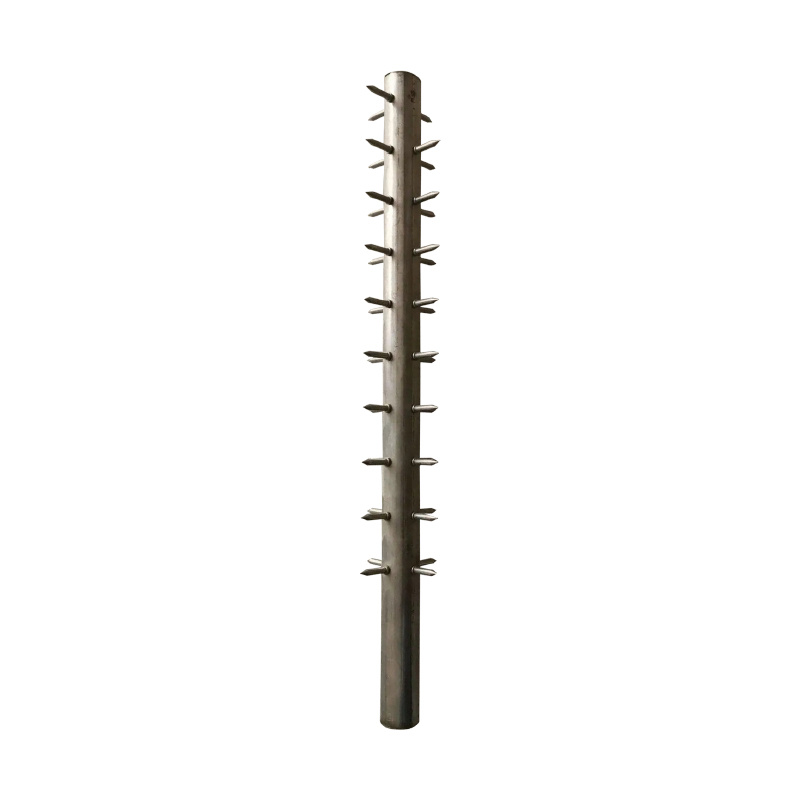
The barbed wire is the core discharge component of electrostatic precipitators, and its discharge efficiency and installation accuracy directly determine the dust removal effect and operational stability of the precipitator. In overseas industrial scenarios, barbed wire is exposed to high temperatures, corrosive smoke, and high-frequency discharge environments for a long time, which can easily lead to various malfunctions and affect the normal operation of electrostatic precipitators.
1、 Basic cognition of filigree
Before troubleshooting and replacing the installation, it is necessary to clarify the core points and comply with the mainstream overseas electrostatic precipitator adaptation specifications:
1. Core function: By generating corona current through tip discharge, the dust in the flue gas is charged, providing a foundation for subsequent dust collection, and is a key component of the electrostatic precipitator charging process.
2. Common specifications overseas: The materials are mostly carbon steel and stainless steel (suitable for different corrosive working conditions), with common types including serrated, star shaped, and needle punched. The installation spacing is usually 200-300mm, suitable for various large electrostatic precipitators.
3. Causes of vulnerability: High temperature flue gas erosion, corrosive gas corrosion, dust wear, discharge fatigue, and loose installation are the main causes of barbed wire faults in overseas working conditions.
2、 Common troubleshooting of barbed wire (precise and efficient)
Troubleshooting follows the logic of "appearance first, performance later, and traceability later", focusing on four types of high incidence faults in overseas sites, simplifying practical troubleshooting steps, eliminating the need for complex testing equipment, and facilitating on-site operation and maintenance:
(1) Fault 1: Worn and broken burrs (most common)
Core manifestations: Blunt wear and tear of the pointed edge, partial or overall fracture, decreased corona discharge intensity, significantly reduced dust removal efficiency, and excessive dust concentration at the outlet of the dust collector.
Investigation and traceability:
1. Appearance inspection: After stopping the machine, open the maintenance door of the electrostatic precipitator and visually inspect whether the pointed edge of the burr line has become blunt or broken. Focus on checking areas with severe smoke erosion (such as the entrance side burr line).
2. Traceability analysis: If the wear is severe, it is mostly due to long-term erosion of hard dust in the flue gas or improper material selection (such as not using stainless steel material for corrosive working conditions); If fracture occurs, it is mostly due to loose installation, fatigue fracture caused by vibration, or material thermal deformation damage under high temperature conditions.
(2) Fault 2: Ash accumulation and blockage of thorns
Core performance: The pointed edge and surface area of the wire are severely covered with dust, forming a layer of accumulated dust, blocking the discharge at the tip, reducing the corona current, deteriorating the charging effect, and increasing the resistance of the dust collector.
Investigation and traceability:
1. Appearance and performance inspection: visually inspect the volume of dust on the line, and at the same time detect the corona current. If the current is significantly lower than the rated value and the thickness of the dust layer exceeds 1mm, it can be determined as a dust blockage fault.
2. Traceability analysis: It is mostly caused by faults in the vibration system of electrostatic precipitators (insufficient vibration force, unreasonable frequency), resulting in the accumulation of dust that cannot be removed; Or the humidity of the flue gas may be too high, causing dust to adhere to the surface of the line, especially for electrostatic precipitators used in wet dust removal systems overseas.
(3) Fault 3: Abnormal discharge, disappearance of corona
Core performance: The barbed wire cannot generate corona discharge normally, or the discharge is weak, the charging link of the electrostatic precipitator fails, the dust removal efficiency drops sharply, and even the phenomenon of "zero discharge" occurs.
Investigation and traceability:
Step by step troubleshooting: First check the high-voltage power supply system (whether the voltage and current are normal), and eliminate power supply faults; Recheck the barbed wire to see if there is any wear, dullness, dust accumulation, or abnormal spacing between the wire body and the electrode plate.
2. Traceability analysis: In addition to the wear and dust accumulation of the barbed wire itself, it is mostly due to installation deviation (too large/too small distance between the wire body and the electrode plate), or deformation of the wire body leading to uneven discharge gap, which affects the generation of corona.
(4) Fault 4: Loose installation, offset of wire body
Core manifestations: Loose and detached fixed ends of the barbed wire, offset and shaking of the wire body, abnormal noise during operation, unstable discharge gap, easy collision with the electrode plate, and even damage to the equipment.
Investigation and traceability:
1. Appearance and operation inspection: Stop the machine and visually inspect whether the fixed ends (hanging parts, fasteners) are loose or detached. Monitor whether there are any collision noises inside the monitoring equipment during operation, and check the deviation of the wire body.
2. Traceability analysis: It is often due to loose fasteners during installation, aging and corrosion of fixed components, or excessive vibration during equipment operation, resulting in loose fixed ends; Large scale electrostatic precipitators installed overseas without reserved gaps for thermal expansion and contraction can also cause line displacement.
3、 Installation tips for replacing barbed wire (overseas practical version)
The replacement and installation follow the principles of "safety first, precision and standardization, and adaptation to working conditions", combined with the characteristics of overseas on-site operation and maintenance. The operation is divided into three steps, with simplified steps and highlighted key points, to ensure stable discharge and reliable operation after installation
(1) Preparation before replacement (key prerequisite)
1. Safety preparation: Cut off the high-voltage power supply and gas source of the electrostatic precipitator, and hang the "Do not close, under maintenance" sign; Before entering the equipment, ventilate and check the concentration of smoke inside to avoid the risk of poisoning and electric shock (local industrial safety regulations must be followed overseas).
2. Preparation of tools and accessories: Prepare commonly used tools such as wrenches, screwdrivers, tape measures, grinders, etc; The spare barbed wire should be consistent with the original specifications (material, type, length matching), and spare fasteners (bolts, nuts, hanging parts) should be prepared. Corrosion resistant and high-temperature resistant models (suitable for overseas working conditions) should be preferred.
3. On site cleaning: Clean up the dust accumulation inside the electrostatic precipitator, with a focus on cleaning the surface dust of the electrode plates and hanging parts in the installation area of the barbed wire, to avoid affecting the installation accuracy.
(2) Dismantling steps for old barbed wire
1. Loosen the fixed end first: Use a wrench to loosen the fasteners of the upper hanging part and lower fixing seat of the barbed wire, and disassemble them one by one to avoid excessive force causing the wire body to break and the electrode plate to scratch.
2. Remove the old wire body: For severely broken or deformed barbed wires, they can be disassembled in sections and slowly removed to avoid wire fragments falling into the equipment and being difficult to clean later.
3. Inspection after disassembly: Clean the dust and rust on the surface of the hanging parts and fixed seats, and use a polishing machine to polish the rusted parts; Check whether the fixed seat and hanging parts are damaged. If they are damaged, they need to be replaced synchronously to avoid affecting the stability of the new line installation.
(3) Installation steps and techniques for new barbed wire
1. Precise positioning: Hang the new barbed wire to the hanging bracket, adjust the verticality of the wire body to ensure that there is no deviation or bending of the wire body, use a tape measure to measure the distance between the barbed wire and the electrode plate, and control it within 200-300mm (can be adjusted according to the specifications of overseas electrostatic precipitators), with a spacing error of no more than ± 5mm, to avoid affecting the discharge efficiency.
2. Fixing the cable body: First fix the upper hanging part, tighten the fasteners (with moderate force to avoid damaging the cable body due to over tightening and loosening due to over loosening), and then fix the lower fixing seat to ensure that the cable body is vertical, firm, and without shaking; When installing multiple barbed wires, it is necessary to ensure even spacing and neat arrangement.
3. Detail processing: Check whether the pointed edge of the burr is intact. If there are burrs or blunt ends, use a grinder to polish them sharply to ensure the discharge effect; After installation, gently shake the wire body to confirm that it is firmly fixed without any signs of looseness.
(4) Commissioning and testing after installation
1. Appearance re inspection: visually inspect whether all burrs are installed neatly, fixed firmly, evenly spaced, without offset or looseness, and whether the surface of the electrode plate is scratch free.
2. Performance debugging: Connect the high-voltage power supply, start the electrostatic precipitator, check whether the corona current and voltage reach the rated values, observe the discharge of the barbed wire, ensure stable discharge and no abnormal sparks.
3. Trial operation observation: After 30 minutes of trial operation, monitor whether there is any abnormal noise inside the monitoring equipment, detect the dust concentration at the outlet of the dust collector, and confirm that there is no abnormality before it can be officially put into use.
4、 Overseas practical precautions (key points to avoid pitfalls)
1. Safety regulations: Strictly follow overseas industrial safety standards throughout the process. During disassembly and installation, power must be cut off and ventilation must be ensured. Single person operation is prohibited to avoid risks such as electric shock, smoke poisoning, and equipment scratches.
2. Material adaptation: For overseas corrosive and high-temperature working conditions (such as chemical and metallurgical industries), stainless steel wire with burrs should be selected; Under normal working conditions, carbon steel material can be used to ensure service life and avoid frequent replacement.
3. Accuracy control: The installation spacing is crucial. If the spacing is too large, it can cause weak discharge, while if it is too small, it can easily generate sparks and damage equipment. It is necessary to strictly control the error. It is recommended that two people cooperate during installation, with one person positioning and one person measuring.
4. Subsequent maintenance: After replacement and installation, the replacement time and specifications should be recorded and included in the equipment operation and maintenance ledger; Regularly check the fixed end fasteners, tighten loose parts in a timely manner, and avoid the recurrence of faults.
The common faults of barbed wire are mainly concentrated in four categories: wear and tear, dust accumulation and blockage, abnormal discharge, and loose installation. When troubleshooting, the root cause can be quickly identified through visual observation and performance testing, and the core solution is to solve the three major problems of material adaptation, installation accuracy, and daily maintenance. Overseas operation and maintenance personnel follow the standardized replacement process and installation techniques described in this article, strictly control safety and accuracy, and select suitable materials based on the characteristics of the working conditions to ensure stable discharge of the barbed wire, extend its service life, ensure the long-term efficient operation of the electrostatic precipitator, meet the environmental emission requirements of overseas industries, and reduce operation and maintenance costs.
Hot Tags:


Contact Us
Tel:
WeChat:
WhatsApp:
E-mail:
Address:
338 National Road South, Longfengdian Village, Botou City, Hebei Province, China
JiuznTomine is expertly delivering technically complicated projects in markets & provides custom solutions for their customized need.


CONTACT INFO
Tel: +86 18531710311
WeChat: +86-18531710311
338 National Road South, Longfengdian Village, Botou City, Hebei Province, China