











Daily cleaning techniques for filter cartridge dust collectors to avoid dust accumulation affecting efficiency
Feb 07,2026

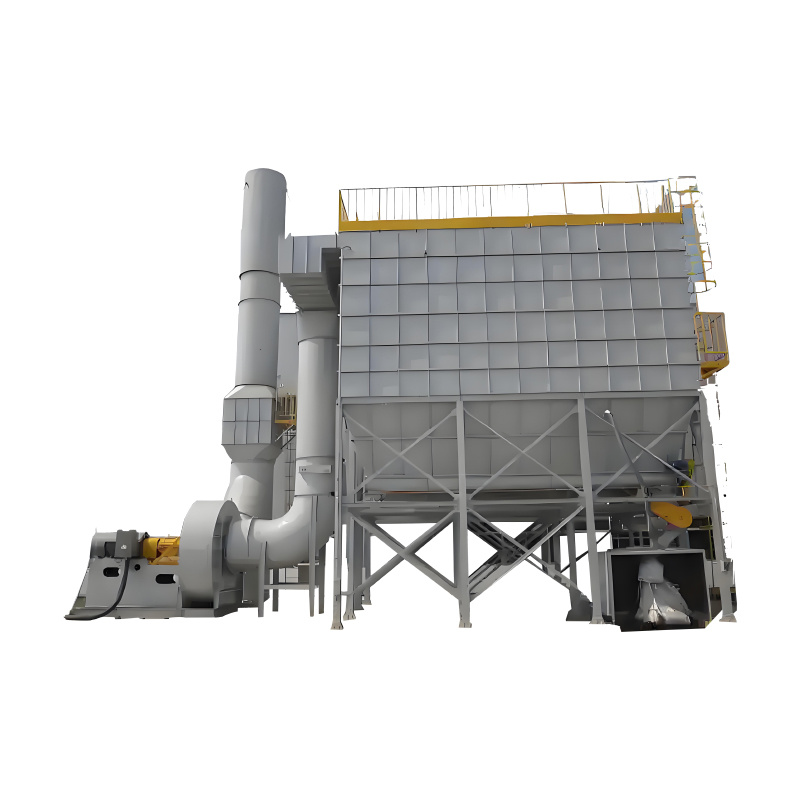
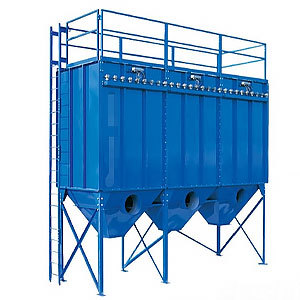
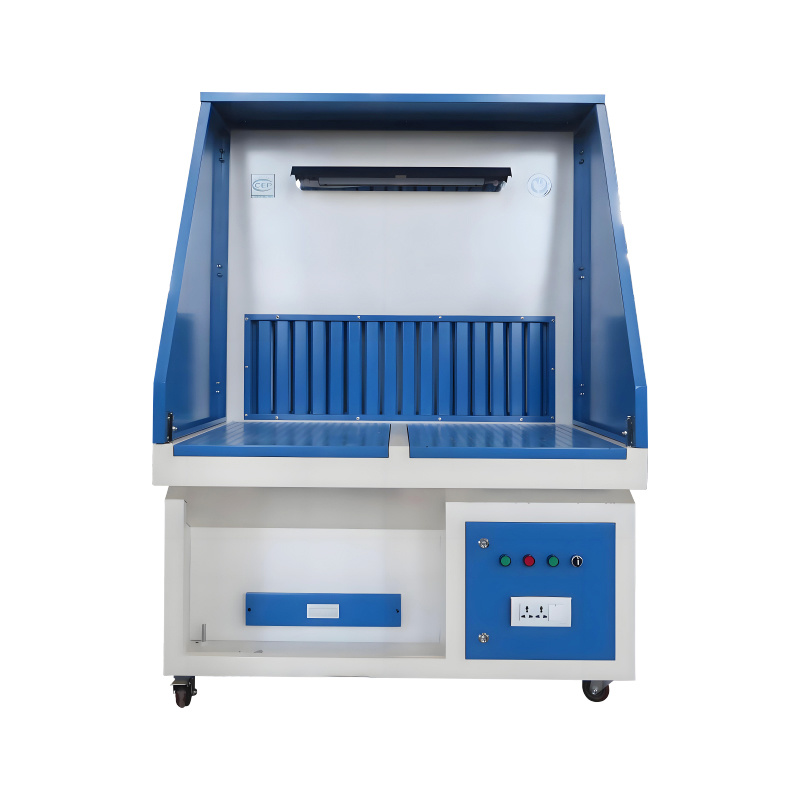
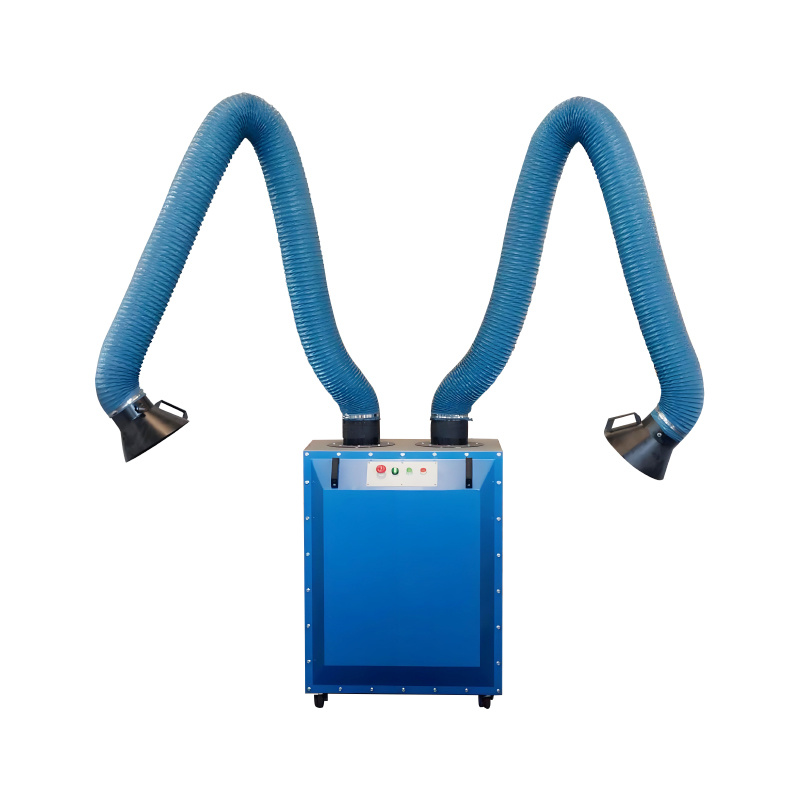
The filter cartridge dust collector, with its advantages of high filtration accuracy, compact structure, and low energy consumption, is widely used in various industrial fields such as overseas mechanical processing, welding, electronics, woodworking, etc. As the core filtering component, the filter cartridge continuously intercepts dust during daily operation. If the accumulated dust is not cleaned up in a timely manner, it can lead to increased filtration resistance and poor airflow, which not only significantly reduces dust removal efficiency, but also exacerbates filter cartridge wear, shortens equipment service life, and increases operation and maintenance costs.
1、 Preparation before daily cleaning (to avoid safety risks and ensure cleaning effectiveness)
The daily cleaning of the filter cartridge dust collector should follow the principle of "safety first, sufficient preparation", and prepare in advance to avoid personal injury and prevent equipment damage and dust accumulation during the cleaning process. The specific preparation items are as follows:
(1) Shutdown and power off, take safety precautions
Firstly, stop the operation of the filter cartridge dust collector, supporting fan, and dust cleaning system, cut off the main power supply and control power supply of the equipment, and hang a warning sign that reads "Do not close, cleaning in progress" to prevent personnel injury or equipment damage caused by misoperation. At the same time, close the inlet and outlet air valves of the dust collector to prevent external airflow from entering the interior of the equipment, causing dust accumulation and flying, affecting the cleaning effect, and also preventing foreign objects from entering the air duct and causing secondary blockage. Operators are required to wear a complete set of protective equipment, including dust masks, anti slip gloves, and safety goggles. If cleaning high concentration dust, additional dust masks must be worn to avoid inhaling dust and endangering health.
(2) Check the equipment status and clean up the surrounding environment
Before cleaning, briefly check the operating status of the equipment: check whether the outer shell of the filter cartridge dust collector is damaged or leaking air, whether the dust cleaning system is blocked or misaligned, whether the ash hopper and ash discharge device are operating normally. If any abnormalities are found, they need to be dealt with first before carrying out cleaning work. At the same time, clean up the debris and dust around the equipment to avoid dust scattering into the equipment circuit and pipeline during the cleaning process, and prevent short circuits or blockages.
(3) Prepare adaptation tools to avoid damaging the equipment
Prepare specialized cleaning tools according to the equipment model and dust accumulation situation, and prohibit the use of sharp and hard tools to prevent scratching and damage to the surface of the filter cartridge and equipment components. Recommended tools include: low-pressure compressed air spray gun, soft bristle brush, vacuum cleaner, plastic scraper, and sealed bag. All tools must be cleaned in advance to avoid carrying debris into the interior of the equipment.
2、 Core daily cleaning steps (focus on removing accumulated dust without damaging equipment)
The dust accumulation in the filter cartridge dust collector is mainly concentrated on the four core parts of the filter cartridge surface, cleaning system, air inlet, and ash hopper. Cleaning should be carried out in the order of "easy to difficult first, outside to inside", with a focus on cleaning the dust on the surface of the filter cartridge to ensure smooth airflow. The specific steps are as follows:
(1) Cleaning of air inlet and duct (to avoid dust accumulation and blockage, ensuring smooth airflow)
The air inlet is the first gateway for dust to enter the equipment, which can easily accumulate large particles of dust. If blocked, it can cause uneven air intake and exacerbate dust accumulation in the filter cartridge. When cleaning, first gently clean the dust accumulation on the surface and edges of the air inlet with a soft bristled brush, and then use a vacuum cleaner to remove residual dust; For the accumulation of dust inside the air duct, a low-pressure compressed air spray gun can be inserted into the duct, gently blown to remove the dust, and then sucked away with a vacuum cleaner to prevent the dust from falling onto the surface of the filter cartridge. When blowing, it is necessary to control the angle of the spray gun to avoid direct impact of airflow on the filter cartridge and prevent damage to the filter cartridge.
(2) Cleaning of dust on the surface of the filter cartridge (core step to avoid dust accumulation affecting filtration efficiency)
The dust on the surface of the filter cartridge is the main factor affecting the dust removal efficiency. Cleaning should be gentle and standardized, taking into account both the dust removal effect and the protection of the filter cartridge. The cleaning method should be adjusted according to the filter cartridge material (film coating, anti-static, ordinary fiber). The specific operation is as follows:
1. If there is mild dust accumulation on the surface of the filter cartridge, priority should be given to low-pressure compressed air blowing: open the equipment maintenance door, remove the filter cartridge, hold the compressed air spray gun, keep the spray gun perpendicular to the surface of the filter cartridge, control the distance between 20~30cm, blow from the inside to the outside of the filter cartridge, and blow from the top edge of the filter cartridge downwards in a circular manner to ensure that every part of the filter cartridge surface can be blown in place until no dust falls off. When blowing, the pressure should not be too high to avoid puncturing the filter cartridge film or damaging the filter cartridge fibers.
2. If there is moderate dust accumulation on the surface of the filter cartridge, gently brush off the surface clumps with a soft bristled brush first, and then blow with low-pressure compressed air. Do not forcefully scrape the clumps to avoid damaging the surface of the filter cartridge; If the clumping is stubborn, the filter cartridge can be soaked in a specialized cleaning solution for 10-15 minutes, gently brushed, rinsed with clean water, dried, and then installed for use.
3. During the cleaning process, it is necessary to check the status of each filter cartridge one by one: check whether there is any damage, scratches, or film peeling on the surface of the filter cartridge. If there is any damage, the filter cartridge should be replaced in a timely manner to avoid the direct discharge of unfiltered dust, which affects the dust removal efficiency; If the filter cartridge is deformed, the installation position needs to be adjusted to ensure a tight fit between the filter cartridge and the equipment, avoiding uneven air intake and local dust accumulation.
(3) Cleaning of dust removal system (ensuring dust removal function and reducing residual dust accumulation)
The accumulation of dust in the dust cleaning system (pulse valve, spray pipe, air bag) can lead to uneven spraying and a decrease in dust cleaning effect, indirectly exacerbating the accumulation of dust in the filter cartridge. It needs to be cleaned synchronously:
1. Spray tube and spray nozzle: Use a soft bristled brush to clean the dust on the surface of the spray tube, and then use low-pressure compressed air to blow the spray nozzle to ensure that it is unobstructed and not blocked, avoiding airflow deviation during spraying and ineffective cleaning of the dust on the surface of the filter cartridge; Check if the spray pipe is misaligned or loose, adjust and fix it in a timely manner to prevent deviation in the spray angle.
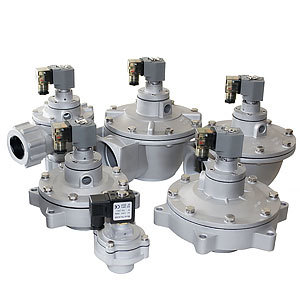
2. Pulse valve and airbag: Use a soft bristled brush to clean the surface dust of the pulse valve, check whether there is air leakage or dust accumulation at the pulse valve interface, and clean it in a timely manner; Open the drain valve of the air bag to discharge the accumulated water and a small amount of dust inside the air bag, in order to avoid water corrosion of the air bag, affecting the purity of the compressed air, and thus affecting the cleaning effect.
(4) Cleaning of ash hopper and ash discharge device (to avoid accumulation of ash and prevent secondary dust)
If the accumulated ash in the ash hopper is not cleaned up in time, it will cause the ash to overflow, secondary dust, and reattach to the surface of the filter cartridge, exacerbating the problem of ash accumulation. The cleaning steps are as follows:
1. Turn off the power supply of the ash hopper discharge device, open the ash hopper maintenance door, gently scrape off the accumulated ash on the inner wall of the ash hopper with a plastic scraper, and then use a vacuum cleaner to remove the accumulated ash inside the ash hopper, ensuring that there is no residual ash or clumping on the inner wall of the ash hopper.
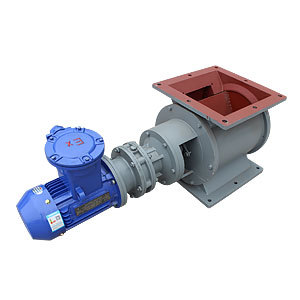
2. Check the ash discharge device (star shaped unloader, etc.): Clean the ash accumulation at the ash discharge port, check if there is ash accumulation or jamming on the unloader blades, use a soft brush to clean the blades, ensure smooth operation of the unloader, avoid ash accumulation blocking the ash discharge port, and affecting subsequent ash collection.
3、 After cleaning, inspect and debug (to ensure the normal operation of the equipment and eliminate the hidden danger of dust accumulation)
After the daily cleaning is completed, a comprehensive inspection and no-load test should be carried out to ensure that the cleaning is in place and the equipment is not damaged, in order to avoid the problem of dust accumulation in subsequent operation:
1. Component reset inspection: Reset the cleaned filter cartridge, spray pipe, and other components one by one to ensure that the filter cartridge is installed firmly, without looseness or offset, the spray pipe and pulse valve are reset in place, the ash hopper maintenance door and inlet and outlet air valves are tightly closed, and there are no air leakage gaps.
2. No load test machine debugging: Remove the "no closing" sign, connect the equipment power, start the filter cartridge dust collector and ash cleaning system, run without load for 5-10 minutes, observe the equipment operation status: listen for any abnormal noise, check whether the ash cleaning system sprays evenly, whether there is abnormal dust on the surface of the filter cartridge, and whether the ash hopper ash discharge device runs smoothly.
3. Load test run: After the no-load test run is normal, start the supporting fan and perform load operation to monitor the abnormal pressure difference and dust emissions at the inlet and outlet of the equipment in real time. If the pressure difference is stable and there is no dust leakage, it indicates that the cleaning is qualified; If the pressure difference is too high, it is necessary to check whether the filter cartridge is cleaned properly, whether there is blockage, and promptly clean it again.
4、 Common cleaning misconceptions and avoidance (focus on avoiding pitfalls, protecting equipment and efficiency)
Based on overseas on-site operation and maintenance experience, summarize four common cleaning misconceptions, clarify their hazards and avoidance methods, help operators standardize operations, and avoid worsening dust accumulation and equipment damage caused by incorrect cleaning:
Misconception 1: Blowing the filter cartridge with high-pressure compressed air - High pressure airflow can easily break through the filter cartridge film, damage the filter cartridge fibers, and cause damage to the filter cartridge. Unfiltered dust is directly discharged, which not only affects dust removal efficiency but also shortens the service life of the filter cartridge. It is necessary to strictly control the blowing pressure between 0.2 and 0.4 MPa.
Misconception 2: Neglecting the cleaning system and ash hopper cleaning - only cleaning the surface area of the filter cartridge, without cleaning the accumulated ash in the spray pipe and ash hopper, can lead to uneven cleaning and secondary dust accumulation. In the short term, the filter cartridge will accumulate ash again, affecting the dust removal efficiency. It is necessary to clean all accumulated ash parts simultaneously.
Misconception 3: Scratching the surface of the filter cartridge with sharp tools - Cleaning the clumps of the filter cartridge with sharp tools such as screwdrivers and metal scrapers can scratch the film or fibers on the surface of the filter cartridge, resulting in decreased filtration accuracy and easy dust accumulation. Gentle methods such as soft bristled brushes and low-pressure blowing should be used for cleaning.
Misconception 4: Running under load without testing after cleaning - If the filter cartridge is installed loosely or the spray pipe is misaligned and not detected in a timely manner, it will cause uneven air intake, ineffective dust cleaning, and exacerbate dust accumulation. It is necessary to first test the machine under no-load to confirm that the equipment is normal before running under load.
5、 Daily cleaning frequency and precautions
1. Cleaning frequency: Adjust according to different dust concentrations and working conditions. For common working conditions overseas, refer to low concentration dust (≤ 50g/m ³), cleaned once a week; Medium concentration dust (50-200g/m ³), clean once every 3-5 days; High concentration dust (>200g/m ³), cleaned once a day; At the same time, if the pressure difference between the inlet and outlet of the equipment exceeds 1.2 times the rated value, the machine should be stopped immediately for cleaning to avoid excessive dust accumulation that affects efficiency.
2. Filter cartridge protection: During daily cleaning, avoid the filter cartridge from coming into contact with oil stains and corrosive liquids to prevent aging and damage; For special filter cartridges such as film covering and anti-static, specialized cleaning methods should be used and not washed or blown randomly.
3. Dust treatment: The cleaned dust should be collected centrally and placed in sealed bags for proper disposal to avoid dust scattering and polluting the environment, while complying with local environmental emission requirements overseas.
4. Ledger Record: Establish a daily cleaning ledger to record the cleaning time, cleaning location, filter cartridge status, and equipment operating parameters, facilitating subsequent tracking of equipment operation, optimizing cleaning frequency, and extending the service life of filter cartridges and equipment.
The core of daily cleaning of filter cartridge dust collectors is "timely, gentle, and comprehensive", with a focus on removing accumulated dust on the surface of the filter cartridge, cleaning system, and ash hopper to avoid clogging the airflow channel and reducing filtration efficiency. Overseas operation and maintenance personnel only need to strictly follow the preparation work and cleaning steps described in this article, avoid common erroneous operations, adjust the cleaning frequency according to the working conditions, which can effectively avoid the problem of dust accumulation, ensure long-term stable and efficient operation of equipment, and reduce filter wear and maintenance costs. Daily cleaning may seem simple, but it can fundamentally extend the service life of equipment and maintain dust removal efficiency. It is the most fundamental and important link in the operation and maintenance of filter cartridge dust collectors.
Hot Tags:


Contact Us
Tel:
WeChat:
WhatsApp:
E-mail:
Address:
338 National Road South, Longfengdian Village, Botou City, Hebei Province, China
JiuznTomine is expertly delivering technically complicated projects in markets & provides custom solutions for their customized need.


CONTACT INFO
Tel: +86 18531710311
WeChat: +86-18531710311
338 National Road South, Longfengdian Village, Botou City, Hebei Province, China