












Long term operation stability maintenance techniques for filter cartridge dust collectors
Jan 29,2026

The filter cartridge dust collector is widely used in industrial fields such as mechanical processing, welding, medicine, and food due to its advantages of small size, high filtration accuracy, and wide adaptability to various scenarios. The long-term stability of its operation is directly related to the dust control effect, production continuity, and operation and maintenance costs, and a scientific maintenance process is the core to avoid faults and extend the service life of equipment. This article combines practical experience to summarize the practical skills for long-term stable operation of filter cartridge dust collectors from the aspects of filter cartridge maintenance, system inspection, key component maintenance, and fault prevention, providing standardized guidance for operation and maintenance personnel.
1、 Preparation for preliminary basic maintenance
Basic preparation work is a prerequisite for ensuring maintenance quality and avoiding safety hazards. It is necessary to take into account safety protection, pre-treatment of tools, materials, and equipment to ensure that maintenance work is carried out in an orderly manner.
(1) Safety protection regulations
1. Shutdown and power-off operation: Turn off the main engine of the filter cartridge dust collector, the supporting fan, and the power supply of the pulse cleaning system, hang a warning sign "Equipment maintenance, no closing", and install locks if necessary to prevent personnel injury caused by misoperation.
2. Environment and personal protection: After opening the equipment maintenance door, ventilate for 20-30 minutes to remove residual dust inside; Operators are required to wear dust masks, anti slip protective gloves, goggles, and anti-static work clothes to avoid dust contact and mechanical damage.
3. Special working condition protection: For equipment with high temperature, high humidity, or acidic and alkaline dust, maintenance should be carried out after the equipment has cooled down to room temperature and the internal moisture has been discharged. At the same time, corrosion-resistant protective equipment should be equipped.
(2) Preparation of Tools and Materials
1. Special tools: Prepare low-pressure and high-pressure air guns, wrenches, screwdrivers, brushes, tape measures, multimeters, pressure gauges, leak detectors, etc. for cleaning, disassembly, testing, and troubleshooting.
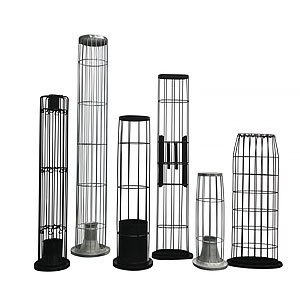
2. Spare materials: Prepare vulnerable components such as filter cartridges, sealing gaskets, pulse valve membranes, sealing rings, lubricating oil, dust removal skeletons, etc. according to the equipment model to ensure timely replacement in case of failure.
3. Auxiliary materials: Prepare anhydrous ethanol, specialized cleaning agent, cloth, compressed air drying device for cleaning the filter cartridge and equipment interior to avoid secondary pollution.
(3) Equipment pre-processing
1. Ash cleaning and discharge: Start the pulse ash cleaning system for 1-2 comprehensive ash cleaning, open the ash discharge device to discharge the accumulated ash in the ash hopper, close the ash discharge valve to avoid dust scattering and pollution of the filter cartridge and equipment during maintenance.
2. Appearance and pressure detection: Record the pressure difference between the inlet and outlet of the equipment during operation, turn off the power, and check whether there are any deformation or air leakage marks on the equipment shell, maintenance door, and pipeline interface, providing reference for subsequent maintenance.
2、 Core component maintenance skills
The filter cartridge, ash cleaning system, fan, and sealing components are the core components that affect the stability of equipment operation, and targeted maintenance is needed to avoid chain failures caused by component wear and tear.
(1) Filter cartridge maintenance and replacement
As the core filtering element, the state of the filter cartridge directly determines the dust removal efficiency, and it is necessary to focus on controlling the cleaning, replacement, and storage processes.
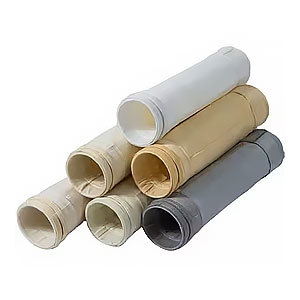
1. Regular cleaning process: Clean the filter cartridge regularly according to the characteristics of dust and changes in pressure difference. For dry non sticky dust, use a low-pressure and high-pressure air gun to blow outwards from the inside of the filter cartridge to avoid damage to the filter cartridge film or fiber layer caused by high-pressure airflow; When blowing, follow the order from top to bottom and from inside to outside to ensure that the dust is completely removed, and at the same time, use a brush to clean the residual dust on the surface of the filter cartridge. For sticky dust, the filter cartridge can be soaked in a special cleaning agent first, rinsed and dried before installation and use. It is strictly prohibited to directly rinse the coated filter cartridge with water.
2. Replacement judgment and operation: When the pressure difference of the filter cartridge remains above 1500Pa after cleaning, or when the surface of the filter cartridge is damaged, the film falls off, the fibers age, etc., it should be replaced in a timely manner. When replacing, follow the order of "dismantling the old cylinder first, then installing the new cylinder", handle gently to avoid collision and deformation of the filter cylinder; Before installation, check if the sealing surface of the filter cartridge seat is flat. Align the filter cartridge with the interface and slowly push it in to ensure a tight seal without looseness or air leakage; After replacement, check one by one to avoid dust short circuit escape caused by misplaced installation of the filter cartridge.
3. Storage requirements: The spare filter cartridge should be stored in a dry, ventilated, and dust-free environment, avoiding direct sunlight, moisture, or compression. When storing, it should be wrapped in dust-proof material to prevent premature aging or contamination of the filter cartridge.
(2) Maintenance of pulse cleaning system
Malfunctions in the dust cleaning system can cause blockages in the filter cartridge and abnormal pressure differentials. It is necessary to regularly inspect the pulse valve, spray pipe, air bag, and compressed air system.
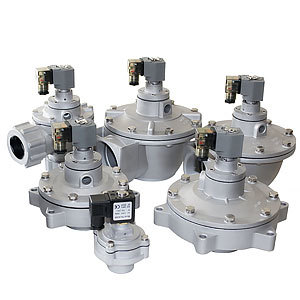
1. Maintenance of pulse valve: Check whether the power supply line of the pulse valve is in good contact, whether the coil is overheating abnormally, regularly clean impurities in the valve body, replace aging diaphragms and sealing rings; Test the spraying effect of the pulse valve. If there is weak spraying or air leakage, it is necessary to promptly investigate whether there is insufficient air pressure or damaged valve body to ensure that each pulse valve operates accurately and sprays evenly.
2. Inspection of spray pipe and air bag: Clean the residual dust inside the spray pipe, check whether the nozzle is blocked or deformed, ensure that the nozzle is aligned with the center position of the filter cartridge, and avoid incomplete dust cleaning caused by the deviation of the spray airflow; Check the sealing of the airbag, drain the condensed water inside the airbag, and prevent moisture from entering the pulse valve or filter cartridge, causing the filter cartridge to become stuck in the bag or components to corrode.
3. Maintenance of compressed air system: Ensure that the compressed air pressure is stable at 0.4-0.6MPa, install a drying and filtering device to remove moisture and oil from the air, prevent oil from adhering to the surface of the filter cartridge and causing bag sticking, and prevent moisture from corroding the cleaning components.
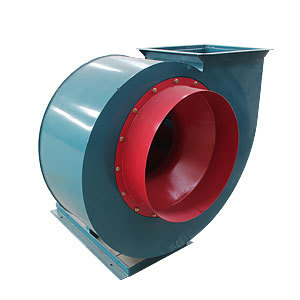
(3) Maintenance of fans and transmission components
The fan is the power core of the equipment, and it is important to ensure its smooth operation and reduce vibration and wear.
1. Regular inspection and lubrication: Check the operation noise and vibration of the fan every week. If abnormal vibration occurs, check whether the impeller has accumulated dust and is unbalanced, and whether the bearings are worn; Add suitable lubricating oil to the fan bearings every month to ensure sufficient lubrication and reduce friction losses. The amount of lubricating oil should be controlled within the standard range to avoid excessive or insufficient lubrication affecting operation.
2. Cleaning and inspection of impellers: Clean the surface dust of the fan impeller every quarter to avoid uneven dust accumulation, which may cause imbalance of the impeller and exacerbate equipment vibration; Check the impeller for wear, deformation, and cracks. If there is any damage, it should be repaired or replaced in a timely manner to prevent impeller failure from causing the fan to shut down.
3. Motor maintenance: Check whether the motor wiring terminals are loose or overheating, clean the surface dust of the motor, and ensure good heat dissipation of the motor; Test the insulation performance of the motor to avoid short circuit faults caused by moisture or aging of the circuit.
(4) Sealing component maintenance
Air leakage can cause abnormal pressure difference and decreased dust removal efficiency in equipment. It is necessary to regularly inspect all sealing parts and promptly address aging and damage issues.
1. Maintenance door sealing: Check whether the maintenance door sealing gasket is aging, deformed, or damaged, and replace it in a timely manner if there are any problems; When closing the maintenance door, tighten the bolts evenly to ensure that the sealing gasket is tightly attached to the door frame without any air leakage gaps.
2. Pipeline and interface sealing: Check the sealing components of the inlet and outlet air ducts, ash hopper interface, filter cartridge seat, etc., clean the residual dust on the sealing surface, and replace the aging sealing ring; For flange interfaces, regularly check the tightening of bolts to avoid air leakage caused by bolt loosening due to vibration during operation.
3、 Daily operation inspection and periodic maintenance plan
Establishing a regular inspection and periodic maintenance mechanism can detect potential faults in advance, ensure the continuous and stable operation of equipment, and avoid sudden shutdowns affecting production.
(1) Daily inspection points (daily)
1. Monitoring of operating parameters: Record the pressure difference between the inlet and outlet of the equipment, fan current, and dust cleaning frequency. If the pressure difference suddenly increases or decreases or the current fluctuates abnormally, the cause should be promptly investigated.
2. Component operation status: Observe whether the pulse valve operates normally, whether there is any abnormal noise in the fan operation, and whether the ash discharge device is smooth. If any problems are found, stop the machine in a timely manner for handling.
3. Environmental and safety inspection: Check the dust accumulation around the equipment and clean up debris in the work area; Confirm that warning signs and protective devices are intact and free from safety hazards.
(2) Periodic maintenance plan
1. Weekly maintenance: Clean the dust on the surface of the filter cartridge, check the spraying effect of the pulse valve, discharge the condensed water in the airbag, and tighten the bolts in various parts.
2. Monthly maintenance: Conduct a comprehensive inspection of the dust cleaning system circuit and components, add lubricating oil to the fan bearings, check the aging of the sealing gasket, and clean the dust accumulation on the fan surface and impeller.
3. Quarterly maintenance: Thoroughly clean the filter cartridge (or replace the aging filter cartridge), check the wear status of the fan impeller, test the insulation performance of the motor, and comprehensively inspect the sealing condition of the pipeline and interface.
4. Annual maintenance: Disassemble the dust cleaning system and fan for comprehensive maintenance, replace aging and vulnerable parts, calibrate the position of the spray pipe nozzle, and perform anti-corrosion treatment on the equipment casing.
4、 Fault prevention and adaptation skills for special working conditions
Taking into account common faults and different operating conditions of filter cartridge dust collectors, targeted preventive measures are taken to improve equipment adaptability and operational stability.
(1) Common fault prevention
1. Prevention of filter blockage: Reasonably set the cleaning cycle and blowing pressure to avoid dust accumulation caused by untimely cleaning; For sticky dust, regularly clean the filter cartridge, and if necessary, use a waterproof and oil resistant special filter cartridge. At the same time, control the intake humidity to prevent the filter cartridge from condensing and sticking to the bag.
2. Prevention of abnormal pressure difference: Regularly clean the filter cartridge and airbag, check whether there is air leakage in the sealing part, and ensure that the dust cleaning system works normally; If the pressure difference is too low, focus on checking whether the filter cartridge is damaged and whether the pipeline is leaking air, and replace or repair it in a timely manner.
3. Fan failure prevention: Avoid overloading the equipment, regularly clean the dust accumulation on the impeller, ensure sufficient lubrication, promptly address motor circuit aging issues, and prevent fan overload or burnout.
(2) Adaptation and maintenance for special working conditions
1. High temperature working conditions: Select high temperature resistant filter cartridges, regularly check the aging condition of the filter cartridges, and shorten the maintenance cycle; Install heat dissipation devices on the equipment to prevent components from deforming and aging due to high temperatures.
2. High humidity conditions: Strengthen the discharge of condensed water from the airbag, install a dehumidification device at the air inlet, use waterproof membrane filter cartridges, and ensure that the filter cartridges are completely dry before installation during maintenance to prevent them from getting damp and sticking.
3. High concentration dust conditions: Optimize the frequency of dust cleaning, increase the frequency of filter cartridge cleaning, and install pre-treatment devices if necessary to reduce the concentration of dust entering the filter cartridge and minimize filter cartridge loss.
4. Corrosive dust working conditions: Select corrosion-resistant material filter cartridges and seals, regularly inspect the corrosion of equipment components, increase the frequency of anti-corrosion treatment, and avoid component corrosion causing air leakage or failure.
5、 Test run verification after maintenance
After maintenance is completed, it is necessary to conduct phased trial runs to verify the equipment status and ensure that there are no faults before resuming normal production, in order to avoid secondary problems caused by improper maintenance.
1. No load test run: Turn on the equipment power, start the dust cleaning system and fan, run for 30 minutes, check whether each component is running normally, whether there is any abnormal noise or air leakage, and monitor whether the pressure difference is stable within a reasonable range.
2. Load test run: Introduce dusty gas and gradually increase the equipment load to normal working conditions. Continuously monitor the pressure difference, fan current, and dust removal efficiency to confirm that the ash cleaning system operates accurately, the filter cartridge filtration effect meets the standard, and the ash discharge device runs smoothly.
3. Record archiving: After the trial operation is qualified, record the maintenance content, replacement parts, and operating parameters, establish equipment maintenance files, provide data support for subsequent cycle maintenance, and form a maintenance loop.
In summary, the core of the long-term stability of the filter cartridge dust collector lies in "prevention first, precise maintenance". By standardizing basic operations, strengthening the maintenance of core components, and establishing a regular inspection mechanism, it is possible to effectively avoid sudden failures, extend the service life of equipment and filter cartridges, and ensure that dust removal efficiency continues to meet standards, providing stable dust control guarantees for industrial production while reducing long-term operation and maintenance costs.
Hot Tags:


Contact Us
Tel:
WeChat:
WhatsApp:
E-mail:
Address:
338 National Road South, Longfengdian Village, Botou City, Hebei Province, China
JiuznTomine is expertly delivering technically complicated projects in markets & provides custom solutions for their customized need.


CONTACT INFO
Tel: +86 18531710311
WeChat: +86-18531710311
338 National Road South, Longfengdian Village, Botou City, Hebei Province, China