












Precautions for Replacing and Installing Dust Removal Bags
Jan 29,2026
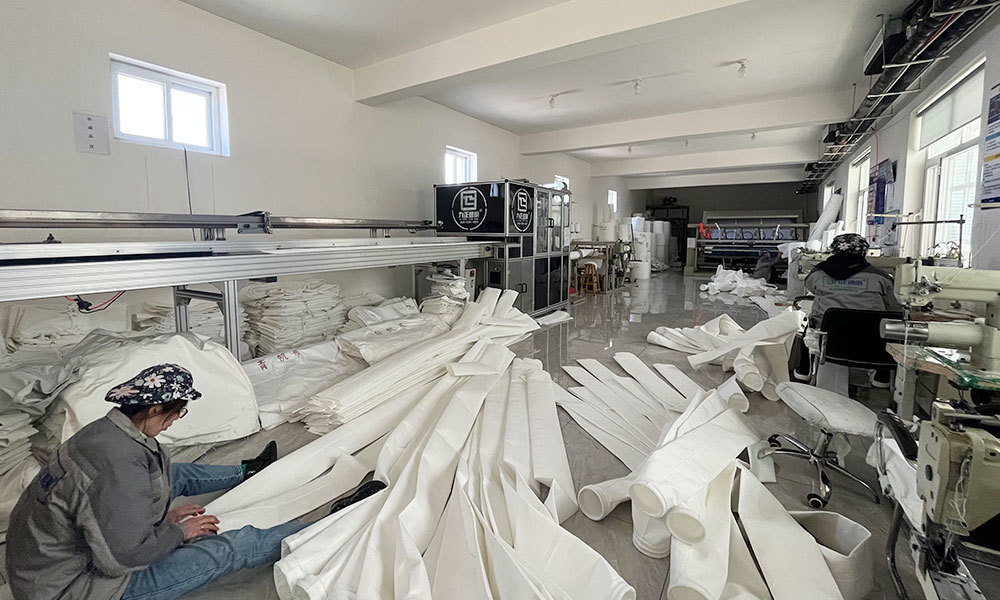
As the core filtering element of bag filters, the replacement and installation quality of dust removal bags directly affects the dust removal efficiency, operational stability, and bag service life of the equipment. In industrial production, regular replacement is required due to issues such as bag wear, sticking, and aging. Improper operation can easily lead to malfunctions such as air leakage, dust escape, and premature damage to the bag. This article combines practical experience to elaborate on the preliminary preparation, process points, key precautions, and later verification of replacing and installing dust removal bags, providing standardized operation guidelines for operation and maintenance personnel.
1、 Preparation work before replacement
The preliminary preparation needs to take into account safety protection, tool material and equipment pretreatment, laying the foundation for the smooth progress of the replacement work and avoiding safety hazards or material shortages during operation.
(1) Safety protection preparation
1. Equipment shutdown and power outage: Turn off the power supply of the dust collector, supporting fan, and pulse ash cleaning system, hang the warning sign "Equipment maintenance, no closing" to prevent personnel injury caused by misoperation.
2. Environmental ventilation and dust removal: After opening the dust collector maintenance door, ventilate for 15-30 minutes to remove residual dust inside; If the dust concentration is high, portable dust removal equipment should be worn to assist in cleaning and avoid dust inhalation.
3. Personal protective equipment: Operators must wear dust masks, protective gloves, goggles, anti-static work clothes, and if necessary, safety helmets to avoid dust contact with the skin, respiratory tract, and eyes.
(2) Preparation of Tools and Materials
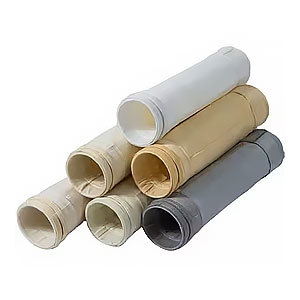
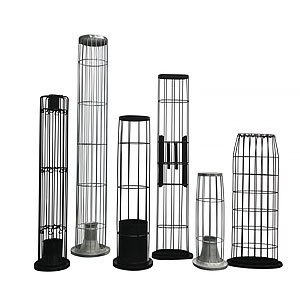
1. Compatible bag and frame: Prepare dust removal bags and frames of the same specifications and materials according to the dust collector model and operating parameters, ensuring that the bag size matches the flower board aperture and frame length accurately; The material needs to be adapted to the working conditions.
2. Special tools: Prepare wrenches, screwdrivers, zip ties, sealing strips, brushes, high-pressure air guns (low-pressure mode), tape measures, and other tools for disassembling components, cleaning impurities, and installing and fixing.
3. Auxiliary materials: Prepare cloths, cleaning agents (for oil stains and sticky dust), and spare seals (such as flower board gaskets) for cleaning the interior of the equipment and replacing aging sealing components.
(3) Equipment pre-processing
1. Ash cleaning and discharge: Start the pulse ash cleaning system for the final ash cleaning, discharge the accumulated ash in the ash hopper, close the ash discharge valve, and avoid dust falling and contaminating the new bag during the replacement process.
2. Component inspection and cleaning: Disassemble the dust collector access door, use a brush and high-pressure air gun (low-pressure) to clean the surface of the flower board and residual dust and debris inside the bag chamber; Check whether the aperture of the flower board is deformed or worn, and whether the sealing surface is flat. If any problems are found, repair or replace them in a timely manner.
3. Inspection of the condition of old cloth bags: Take out the old cloth bags one by one, observe the wear, sticking, damage location and degree, preliminarily determine the cause of the fault, and provide a basis for subsequent installation and working condition adjustment.
2、 Key points of dust bag replacement and installation process
The installation should follow the principle of "cleaning first, installation later, and bag by bag verification", accurately control each step of the operation, ensure that the bag is tightly attached to the equipment and skeleton, and there is no looseness or air leakage.
(1) Dismantling of old cloth bag and skeleton
1. Disassemble one by one: Gently pull out the old cloth bag and frame in the order from one side to the other, to avoid pulling hard and causing the flower board to deform or dust to scatter; If the cloth bag is adhered to the skeleton, gently shake the skeleton or use tools to assist in separation, and violent tearing is prohibited.
2. Classification and disposal: Store damaged and aged old cloth bags separately from recyclable skeletons. Old cloth bags should be disposed of according to hazardous waste disposal standards to avoid environmental pollution; If the skeleton is not deformed or corroded, it can be cleaned and used as a backup. If there is deformation or solder joint detachment, it needs to be replaced directly.
(2) Installation of new cloth bag and skeleton
1. Bag pretreatment: After opening the new bag, check for quality issues such as damage, jumper wires, and size deviations; If the bag is made of special materials such as waterproof, oil proof, or coated, avoid touching the surface with sharp tools to prevent damage to the filter layer.
2. Skeleton assembly: Gently place the new cloth bag on the dust removal skeleton to ensure that the bag is completely attached to the skeleton, without wrinkles or distortions; If there is an elastic ring on the upper opening of the bag, it needs to be evenly stretched to ensure a tight fit with the flower board in the future.
3. Flower board installation: Lift the skeleton of the cloth bag with both hands, align it with the corresponding hole diameter from below the flower board, slowly push it upwards, so that the elastic ring on the upper opening of the cloth bag is embedded in the groove of the flower board hole, or fixed with a pressure ring or bolt; During installation, handle with care to avoid damage caused by friction between the cloth bag and the edge of the flower board.
4. Bottom verification: Confirm that the bottom of the bag is not folded or squeezed, and maintain a safe distance from the inner wall of the dust collector's ash hopper to avoid collision and wear during operation; If there is a positioning device at the bottom of the skeleton, it is necessary to ensure precise clamping to prevent shaking during operation.
5. Bag by bag inspection: After all installations are completed, check the installation status of each bag one by one, gently pull the bag by hand, and confirm that there is no looseness or detachment; Check the surface of the flower board to ensure that there are no exposed edges or loose seals of the cloth bag.
(3) Component reset and cleaning
1. Sealing inspection and reset: Check whether the sealing gasket of the maintenance door is aging or damaged, and replace it if necessary; Close the maintenance door, tighten the fixing bolts evenly, ensure a tight seal, and avoid air leakage during operation.
2. On site cleaning: Clean up the dust and debris around the equipment and operating area, classify and store tools and remaining materials, keep the site clean, and avoid dust accumulation that may cause safety hazards.
3、 Key precautions
Attention should be paid to size adaptation, sealing performance, working condition adaptation, and operating standards to avoid common installation errors, extend the service life of the bag, and ensure the stability of equipment operation.
(1) Key points for size and material adaptation
1. Accurate size matching: The length and diameter of the bag should be strictly consistent with the bag chamber and flower plate aperture of the dust collector. If it is too long, it can easily cause friction and damage to the bottom of the bag, and if it is too short, it cannot fully fit the skeleton, affecting the filtration effect; The diameter of the skeleton should be slightly smaller than the inner diameter of the bag to ensure that the bag is stretched and not tight.
2. Material adaptation to working conditions: It is strictly prohibited to mix different materials of cloth bags. Misuse of normal temperature polyester cloth bags under high temperature working conditions can cause the cloth bags to quickly age and burn out; For working conditions containing acid, alkali, and oily dust, corrosion-resistant, waterproof, and oil resistant special cloth bags should be selected to avoid bag corrosion and sticking.
(2) Sealing performance control
1. Flower board sealing: The edge of the flower board aperture should be smooth and free of burrs, and the elastic ring of the cloth bag should be completely embedded in the groove. If the sealing is not tight, it will cause the dust containing gas to short-circuit and escape, reduce the dust removal efficiency, and wear down the edge of the cloth bag.
2. Component sealing: The sealing gaskets of maintenance doors, ash hoppers, pipeline interfaces, and other parts should be intact, and the bolts should be tightened evenly to avoid air leakage that may cause abnormal negative pressure in the equipment and affect the cleaning effect.
(3) Operating standards taboos
1. Do not touch with sharp objects: During installation, sharp parts such as tools and frames should not touch the filter surface of the cloth bag to avoid scratching the bag and causing dust leakage.
2. Prohibition of illegal dust cleaning: For the first dust cleaning after installation, the pulse pressure should be lowered (recommended 0.2-0.3MPa) to avoid high-pressure airflow impacting the new bag and causing bag damage; After the equipment is running stably, gradually adjust it to normal pressure.
3. Installation with dust is prohibited: The interior of the equipment and the surface of the flower board must be cleaned thoroughly. If residual dust is not removed, it will adhere to the surface of the new bag during operation, accelerating bag sticking and shortening the service life.
(4) Extra attention should be paid to special working conditions
1. High temperature conditions: Before installation, it is necessary to confirm that the equipment temperature has dropped to room temperature to avoid high temperature burns and deformation of the bag due to heat; Choose a high-temperature skeleton to prevent corrosion and deformation of the skeleton.
2. High humidity conditions: The installation environment should be kept dry to prevent the cloth bag from getting damp and sticking; Before starting the equipment, it needs to be preheated to remove internal moisture and prevent the bag from condensing and sticking.
3. High concentration dust working condition: After installation, it can be run without load for 30 minutes, and then gradually introduce dusty gas to avoid a large amount of dust instantly adhering to the surface of the bag, which may cause difficulty in cleaning.
4、 Trial operation and verification after installation
After installation, it is necessary to conduct phased trial runs to verify the installation quality and equipment operation status, and ensure that there are no faults before putting it into normal production.
1. No load test run: Turn on the power supply of the dust collector, start the pulse cleaning system, run for 30-60 minutes, check that the cleaning system is working normally, without any abnormal noise or air leakage; Observe whether the cloth bag shakes or falls off.
2. Load test run: Introduce dusty gas and gradually increase the equipment load to normal working conditions. Monitor the pressure difference between the inlet and outlet of the dust collector (the normal range should comply with the equipment design value, usually 1200-1500Pa). If the pressure difference rises abnormally, it may be due to bag blockage or installation being too tight; The pressure difference is too low, which may be due to bag leakage or loose installation.
3. Effect verification: Check the emission concentration at the outlet of the dust collector to ensure that there is no obvious dust escape; Observe that the ash hopper is discharging ash normally without any accumulation of ash, and confirm that the installation is qualified.
In summary, the replacement and installation of dust removal bags require attention to detail control, forming a closed-loop management from early preparation, standardized operation to later verification. The scientific installation process not only ensures that the dust removal efficiency of the equipment meets the standard, but also effectively extends the service life of the dust removal bag, reduces operation and maintenance costs, and provides stable support for industrial dust control.
Hot Tags:


Contact Us
Tel:
WeChat:
WhatsApp:
E-mail:
Address:
338 National Road South, Longfengdian Village, Botou City, Hebei Province, China
JiuznTomine is expertly delivering technically complicated projects in markets & provides custom solutions for their customized need.


CONTACT INFO
Tel: +86 18531710311
WeChat: +86-18531710311
338 National Road South, Longfengdian Village, Botou City, Hebei Province, China