











Energy saving techniques for industrial dust collectors: frequency conversion operation and energy consumption optimization
Jan 28,2026

As the core equipment for exhaust gas treatment and dust control, industrial dust collectors account for a significant proportion of the total energy consumption in factories, especially the continuous operation of auxiliary equipment such as fans and pumps, which can easily cause energy waste. Through the transformation of frequency conversion operation technology and the optimization of energy consumption throughout the entire process, operating costs can be effectively reduced while ensuring dust removal efficiency, which is in line with the global trend of green and low-carbon industrial development.
1、 Core energy-saving technology: principle and application of variable frequency operation
The core of variable frequency operation technology is to adjust the motor speed through a variable frequency speed controller, so that the operating status of the dust collector and auxiliary equipment can be accurately matched with the actual working conditions, replacing the traditional control mode of "constant power frequency speed+valve throttling", and reducing energy loss from the source. Its energy-saving potential is mainly reflected in the two key equipment of fans and pumps, which together account for more than 80% of the total energy consumption of dust collectors.
(1) Practical points for variable frequency operation of fans
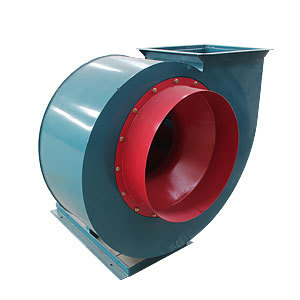
The fan is the power core of industrial dust collectors. During traditional power frequency operation, the air volume needs to be controlled by adjusting the opening of the windshield. During the throttling process, a large amount of energy is lost in the form of pressure difference. After the frequency conversion transformation, the speed can be dynamically adjusted according to the working conditions to achieve precise adaptation of air volume.
1. Suitable for working condition scenarios: Suitable for scenarios with large fluctuations in exhaust emissions, such as metallurgy, chemical industry, wood processing and other industries. When the production load is adjusted or the dust concentration changes, the frequency conversion system can automatically adjust the fan speed to avoid "big horses pulling small cars".
2. Parameter setting and debugging: It is necessary to combine the air volume and pressure parameters of the dust collector design, set the speed adjustment range, and avoid insufficient dust removal and high pressure difference caused by low speed of the filter material; Simultaneously linked with a differential pressure sensor, with the pressure difference at the inlet and outlet of the tower as the core feedback signal, the speed is automatically adjusted - when the pressure difference is higher than the set threshold, the speed is increased to increase the air volume; When the pressure difference is below the threshold, reduce the speed to save energy and form a closed-loop control.
3. Precautions: Suitable motors should be selected for frequency conversion renovation to avoid motor heating and increased vibration during low-frequency operation; Install filtering devices to reduce the interference of harmonics on the power grid and control system; Regularly calibrate the sensor accuracy to ensure the accuracy of speed regulation.
(2) Application scenarios of variable frequency operation of water pumps
For water consuming equipment such as spray towers and wet dust collectors, the frequency conversion adjustment of the circulating water pump can achieve the matching of water supply and dust removal requirements. For example, when the concentration of pollutants in the exhaust gas decreases, the speed of the water pump can be reduced through frequency conversion to decrease the circulation of the spray liquid, while reducing the energy consumption of the water pump and the subsequent cost of wastewater treatment. In practical operation, it is necessary to link water quality monitoring data with spraying effect to avoid insufficient water supply affecting purification efficiency.
2、 Additional techniques for optimizing energy consumption throughout the entire process
Variable frequency operation is the core energy-saving method. Combined with the detailed optimization of the entire process of dust collector operation, it can further improve the energy-saving effect while ensuring the stability and service life of the equipment.
(1) Optimize operating parameters to reduce ineffective energy consumption
1. Precise control of the dust cleaning system: Frequent operation of the dust cleaning system will increase compressed air consumption, and the dust cleaning cycle and injection pressure need to be adjusted according to the type of filter material and dust characteristics. For example, a bag filter can use the "pressure difference triggered cleaning" mode instead of fixed periodic cleaning by monitoring changes in pressure difference, to avoid excessive cleaning leading to filter material wear and energy waste; Reasonably reduce the injection pressure and minimize the energy consumption of compressed air preparation.
2. Optimize gas-liquid ratio and filtration air speed: For wet dust collectors, set the gas-liquid ratio reasonably to avoid excessive spray liquid; For dry dust collectors (bag filters, filter cartridges), control the filtration air speed within the design range. If the air speed is too high, it will increase the fan load and energy consumption, while if it is too low, it will lead to equipment volume redundancy. It is necessary to balance efficiency and energy consumption.
(2) Strengthen equipment maintenance and reduce energy consumption losses
1. Ensure sealing performance: Air leakage at the connection between the dust collector housing, pipeline, and flange can increase the load on the fan. Regular inspection of sealing components (sealing rings, sealant) is necessary, and aging and damaged parts should be replaced in a timely manner; Clean up the accumulated dust in the pipeline, reduce airflow resistance, and lower the energy consumption of the fan.
2. Optimize filter material management: Select high dust holding and low resistance filter materials to extend their service life and reduce fan overload caused by filter material blockage; Regularly clean or replace the filter material to avoid excessive resistance that may cause a surge in energy consumption.
3. Maintenance of motor and transmission system: Regularly lubricate and maintain the fan and water pump motors to reduce mechanical friction losses; Check the transmission components such as belts and couplings to avoid increased energy consumption caused by decreased transmission efficiency.
(3) System integration and auxiliary optimization
1. Waste heat recovery and utilization: For high-temperature exhaust gas treatment scenarios, a heat exchanger can be added at the front end of the dust collector to recover waste heat from the exhaust gas, which can be used for workshop heating, process heating, etc., to achieve secondary energy utilization.
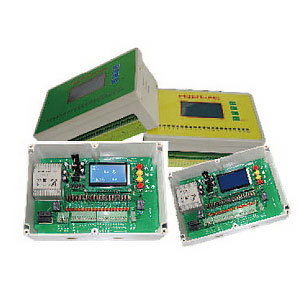
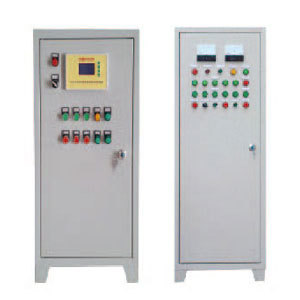
2. Automated linkage control: Link the dust collector with production equipment, frequency conversion system, and monitoring system to achieve dynamic matching of "production load dust removal energy consumption".
3. Upgrading and renovation of old equipment: For old dust collectors with high energy consumption and low efficiency, in addition to frequency conversion renovation, structural optimization can be carried out according to the working conditions, such as expanding the filtration area, replacing high-efficiency energy-saving motors, replacing the overall replacement of equipment, and reducing renovation costs and energy consumption.
3、 Precautions for energy-saving renovation
1. Adaptability evaluation: Frequency conversion transformation and energy consumption optimization need to be comprehensively evaluated based on the type, operating characteristics, and equipment age of the dust collector to avoid blind transformation. For example, in scenarios where the intake volume is stable, the energy-saving benefits of variable frequency transformation are limited, and priority can be given to reducing energy consumption through maintenance optimization.
2. Balancing operational stability: Energy saving optimization should not sacrifice dust removal efficiency and equipment stability. Simulation testing and step-by-step debugging should be conducted to ensure that the renovated equipment can meet environmental emission standards and production needs.
3. Long term monitoring and optimization: Establish an energy consumption monitoring ledger, regularly collect energy consumption data of fans, water pumps, and ash cleaning systems, analyze the reasons for energy consumption changes, continuously optimize operating parameters and maintenance plans, and maximize energy-saving benefits.
In summary, optimizing the energy consumption of industrial dust collectors is a systematic task, and variable frequency operation technology can achieve precise energy-saving of core equipment. Combined with optimization of operating parameters, equipment maintenance, system integration, and other means, it can form a full process energy-saving system. Against the backdrop of deepening global green production concepts, scientific energy consumption optimization can not only reduce operating costs for enterprises, but also improve equipment environmental performance, providing support for sustainable development of enterprises.
Hot Tags:


Contact Us
Tel:
WeChat:
WhatsApp:
E-mail:
Address:
338 National Road South, Longfengdian Village, Botou City, Hebei Province, China
JiuznTomine is expertly delivering technically complicated projects in markets & provides custom solutions for their customized need.


CONTACT INFO
Tel: +86 18531710311
WeChat: +86-18531710311
338 National Road South, Longfengdian Village, Botou City, Hebei Province, China