












Causes, solutions, and efficiency improvement techniques for liquid flooding in spray towers
Jan 27,2026

As a commonly used equipment for industrial waste gas treatment and dust control, spray towers are widely used in industries such as chemical, electroplating, and metallurgy due to their simple structure and convenient operation. In actual operation, flooding is the core problem that restricts its stable operation. Improper handling can easily lead to a sudden drop in equipment efficiency and frequent operational failures. This article will deeply analyze the causes, judgment methods, and solution strategies of liquid flooding in spray towers, and simultaneously sort out other common problems and efficiency improvement techniques, providing practical reference for on-site operation and maintenance.
1、 Core issue: Causes, judgment, and solutions of flooding
Liquid flooding, also known as tower flooding, refers to the phenomenon in which the liquid in the spray tower cannot flow downward normally, but instead overflows with the gas carried upward. Essentially, it is an imbalance of gas-liquid two-phase flow. Its occurrence can directly lead to a significant decrease in exhaust gas treatment efficiency, and even damage to equipment components.
(1) The main cause of liquid flooding
1. Imbalance of gas-liquid ratio: This is the most common cause of liquid flooding. Excessive intake or spray liquid flow can cause the gas velocity inside the tower to exceed the limit value, and the lifting force of the gas on the liquid is greater than the gravity of the liquid, making it difficult for the liquid to smoothly pass through the packing layer and gradually accumulate inside the tower. Especially when a large amount of dust is carried in the exhaust gas, causing an increase in packing resistance, it is more likely to trigger liquid flooding due to relatively high gas velocity.
2. Blockage or aging of the packing layer: The packing is the core component of the gas-liquid contact in the spray tower. During long-term operation, dust and impurities in the exhaust gas are prone to adhere to the surface of the packing or form scale due to chemical reactions, resulting in pore blockage of the packing. After blockage, the resistance of the packing layer increases sharply, the gas flow is obstructed, and the local gas velocity increases, leading to liquid flooding; In addition, aging, damage, and uneven accumulation of fillers can also disrupt the stability of gas-liquid flow and induce flooding.
3. Defects in the design or installation of the tower structure: The diameter of the spray tower is too small and the packing layer is too high, which will limit the gas flow space and increase the gas-liquid contact resistance; Misalignment of sprinkler installation, nozzle blockage or uneven spraying, resulting in imbalanced distribution of liquid in the tower and excessive accumulation of liquid in local areas; Improper control of the liquid level at the bottom of the tower, where the liquid level is too high and close to the bottom of the packing layer, can also pose a hidden danger for liquid flooding.
4. Fluctuations in operating parameters: During the production process, sudden changes in exhaust gas temperature, humidity, and composition may lead to an increase in exhaust gas viscosity and density changes, indirectly affecting the gas-liquid flow state; If the temperature of the spray liquid is too high, the viscosity increases, or foaming occurs due to water quality problems, it will also reduce the fluidity of the liquid and accelerate the occurrence of flooding.
(2) A rapid method for determining liquid flooding
1. Pressure monitoring: Judging from the pressure difference gauge at the inlet and outlet of the tower, if the pressure difference suddenly rises sharply and remains high, it is usually a precursor to liquid flooding or has already occurred. The accumulation of liquid in the packing layer will cause a sudden increase in gas flow resistance.
2. On site observation: Open the tower inspection and repair port to observe whether there is any liquid accumulation or severe bubbling on the surface of the packing layer; If there are a large number of liquid droplets carried by the gas outlet at the top of the tower, or if the liquid level at the bottom of the tower rises abnormally and cannot be effectively controlled through the drain valve, it can be confirmed that liquid flooding has occurred.
3. Efficiency testing: If the efficiency of exhaust gas treatment suddenly drops significantly and is accompanied by liquid in the exhaust gas at the top of the tower, combined with changes in pressure difference, it can assist in determining the problem of liquid flooding.
(3) Targeted solution strategy for liquid flooding
1. Adjust gas-liquid parameters to restore flow balance: immediately reduce the intake or spray liquid flow rate, prioritize adjusting to a reasonable gas-liquid ratio within the design range, and alleviate the lifting force of gas on the liquid; If the intake volume cannot be reduced, some spray branches can be temporarily closed to reduce the total amount of spray liquid. After the liquid inside the tower falls back and the pressure difference returns to normal, the parameters can be gradually adjusted.
2. Clean or replace the packing to reduce flow resistance: Disassemble the tower body after shutdown, clean the dust and scale on the surface of the packing. For packing that is severely blocked and cannot be cleaned, replace it with new packing of the same model in a timely manner; After replacement, ensure that the packing is evenly stacked to avoid gaps or local overcrowding, and ensure even contact between gas and liquid.
3. Inspect the structure and auxiliary devices inside the tower: check the spray device, clean blocked nozzles, calibrate nozzle angles, and ensure that the spray liquid evenly covers the packing layer; Check the bottom liquid level control system, repair faulty components such as float valves and liquid level sensors, and control the liquid level within the design scale range; If the diameter of the tower is too small and causes frequent flooding, it can be evaluated to carry out equipment modification, expand the cross-section of the tower or add parallel towers.
4. Stabilize operating parameters and optimize operating conditions: collaborate with the production department to control exhaust gas temperature, humidity, and composition within the design range, avoiding severe fluctuations; If the spray liquid is prone to foaming, an appropriate amount of defoamer can be added; Regularly replace the spray solution to ensure clean water quality and reduce the risk of scaling and blockage.
2、 Other common problems and solutions for spray towers
(1) Uneven spraying and nozzle blockage
The main causes are nozzle blockage by dust and scaling, or accumulation of impurities in the pipeline, resulting in uneven distribution of spray liquid, reduced gas-liquid contact area, and decreased treatment efficiency. Solution: Regularly disassemble and clean the nozzle, and replace worn or deformed nozzles in a timely manner; Add a filter at the front end of the spray liquid pipeline to intercept impurities; Regularly flush the spray pipe to avoid scaling.
(2) Poor defogging effect, with liquid in the exhaust gas
The defogger is clogged, aged, or improperly installed, resulting in ineffective interception of spray droplets. Response measures: Regularly clean the dust and liquid film on the surface of the defogger, and perform chemical cleaning if necessary; Replace the aging and damaged defogger blades; Calibrate the installation position of the defogger to ensure compatibility with the airflow direction, while controlling the air velocity within the defogger design range.
(3) Corrosion and scaling of tower body
It often occurs in scenarios where acid and alkali waste gases are treated, where the spray solution is highly corrosive or the water quality is hard, leading to corrosion and scaling of the tower body, packing, and pipelines. Solution: Choose tower bodies and accessories made of corrosion-resistant materials; Regularly check the pH value of the spray solution and adjust the concentration of the medication in a timely manner; Regularly perform acid and alkali washing on areas prone to scaling to slow down the rate of scaling.
(4) Continuous low processing efficiency
In addition to liquid flooding and uneven spraying, it may also be caused by aging of the packing, insufficient gas-liquid contact time, and insufficient concentration of chemicals. Response measures: Replace aging fillers and increase the height of the filler layer; Adjust the gas-liquid ratio and extend the gas-liquid contact time; Regularly monitor the concentration of spray liquid chemicals, replenish them in a timely manner, and ensure sufficient reaction.
3、 Practical tips for improving the efficiency of spray towers
1. Optimize the selection and layout of fillers: Select suitable fillers based on the composition of exhaust gas and dust concentration, and prioritize fillers with larger specific surface area and lower resistance; The packing layer is arranged in layers, with each layer height controlled between 1.5-2m. Liquid redistributors are added between layers to ensure uniform gas-liquid contact.
2. Establish a normalized operation and maintenance mechanism: develop a daily inspection plan, focusing on monitoring pressure difference, liquid level, spray status, and exhaust emissions, and promptly handle any abnormalities found; Clean the nozzle and check the defogger every week; Clean the packing layer and flush the tower body every month; Comprehensively inspect the liquid level control and spray system every quarter, and replace vulnerable parts.
3. Precise control of operating parameters: dynamically adjust the gas-liquid ratio and chemical concentration based on the amount of exhaust gas treatment and pollutant concentration to avoid energy and chemical waste; Adopting an automated control system, real-time monitoring of parameters such as intake concentration, spray solution pH value, and tower temperature is achieved to achieve precise control.
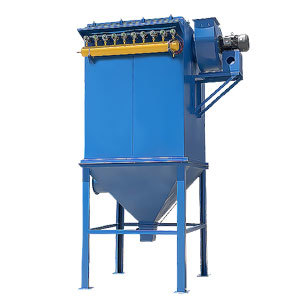
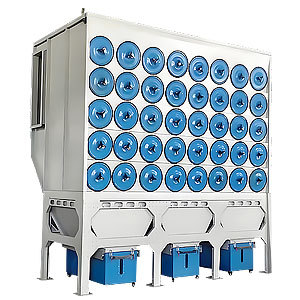
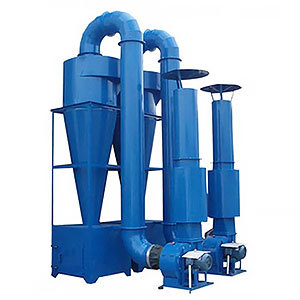
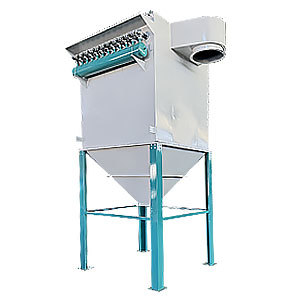
4. Add pre-treatment device: If the dust concentration in the exhaust gas is too high, pre-treatment equipment such as cyclone dust collector and filter cartridge dust collector can be added at the front end of the spray tower to remove coarse particle dust, reduce the risk of packing blockage and liquid flooding, and improve the subsequent treatment efficiency.
5. Energy saving renovation and optimization: recycle the spray liquid at the bottom of the tower to reduce water resource consumption; Using variable frequency fans and water pumps, the operating power is automatically adjusted according to the intake volume to reduce energy consumption; For high-temperature exhaust gas, heat exchangers can be added to recover heat and achieve energy reuse.
In summary, the stable operation of the spray tower relies on precise prevention and control of core issues such as flooding, as well as normalized operation and maintenance management. By clarifying the causes of faults, standardizing troubleshooting processes, and optimizing operating parameters, various common problems can be effectively solved, and equipment processing efficiency and service life can be significantly improved, ensuring that industrial waste gas emissions meet standards.
Hot Tags:


Contact Us
Tel:
WeChat:
WhatsApp:
E-mail:
Address:
338 National Road South, Longfengdian Village, Botou City, Hebei Province, China
JiuznTomine is expertly delivering technically complicated projects in markets & provides custom solutions for their customized need.


CONTACT INFO
Tel: +86 18531710311
WeChat: +86-18531710311
338 National Road South, Longfengdian Village, Botou City, Hebei Province, China