











Dust collector emissions exceeding the standard: reasons, filter materials, and cleaning system investigation
Jan 27,2026

In the process of industrial dust control, excessive emissions from dust collectors not only violate environmental regulations, but may also affect production safety and workshop environment. Excessive emissions are often related to factors such as the degradation of filter material performance, dust cleaning system failures, and equipment sealing failures. It is necessary to systematically investigate and locate the root cause and solve the problem. This article will start from the core influencing factors, sort out the investigation logic and response ideas, and provide reference for on-site operation and maintenance.
1、 Classification of core reasons for excessive emissions from dust collectors
The essence of excessive emissions from dust collectors is that the dust is not effectively intercepted or escapes again after interception. According to the influencing factors, it can be divided into four categories: filter material related, ash cleaning system, equipment structure, and operating conditions. There are cross effects among various reasons, which need to be investigated and verified one by one.
(1) Reasons related to filter materials: the core cause of decreased interception capability
The filter material is the core component of dust collectors to intercept dust, and its performance directly determines the emission effect. Common problems mainly include the following aspects:
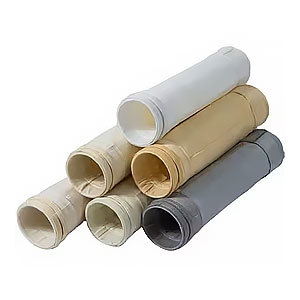
1. Damage or aging of filter material: If the filter material is subjected to high temperature, corrosive dust erosion for a long time, or if its service life exceeds its limit, problems such as pinholes, tearing, and fiber detachment may occur, leading to the direct penetration of dust containing gases into the filter material and discharge. Especially under high temperature conditions, improper selection of filter materials can accelerate aging and brittle cracking; In acidic and alkaline environments, ordinary polyester filter materials may corrode and break, resulting in excessive emissions.
2. Filter material paste bag or blockage bag: When the dust humidity is high, the viscosity is strong, or the dust cleaning is not thorough, the dust will adhere to the surface of the filter material to form a dense filter cake, and cannot be removed by cleaning, which is called "paste bag". Pasting bags can lead to a decrease in the air permeability of the filter material, and some small dust may penetrate the gaps between the filter cake and be discharged; In severe cases, the pores of the filter material are completely blocked, forcing the airflow to escape from the damaged parts of the filter material or equipment gaps, exacerbating the problem of exceeding the standard.
3. Mismatch between filter material selection and operating conditions: The accuracy, material, and structure of the filter material are not suitable for the characteristics of the on-site dust. For example, low precision filter materials are used when dealing with submicron fine dust, or anti-static filter materials are not used when dealing with flammable and explosive dust. This not only results in insufficient interception efficiency, but also may cause safety hazards and emissions exceeding standards. In addition, the mismatch between the filter material and the dust collector model, as well as the presence of gaps after installation, can also lead to short circuit emissions of dusty gases.
(2) Dust cleaning system malfunction: key factor causing incomplete cake detachment
The core function of the dust cleaning system is to remove the dust and filter cake attached to the surface of the filter material, maintain the permeability of the filter material, and its failure can directly lead to a decrease in the interception ability of the filter material, causing emissions to exceed the standard. The common problems are as follows:
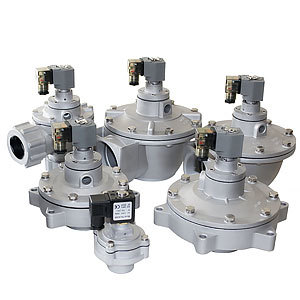
1. Insufficient dust cleaning power: Taking the pulse dust collector as an example, a malfunction of the electromagnetic pulse valve can lead to insufficient blowing pressure; Low pressure of the gas source, failure to discharge accumulated water in the gas storage tank in a timely manner, or blockage or deformation of the blowing pipe can cause the blowing airflow to be unable to effectively reach the surface of the filter material, greatly reducing the cleaning effect, and causing the filter cake to continue to accumulate and exceed the standard.
2. Unreasonable setting of cleaning parameters: The cleaning cycle is too long, the filter cake accumulates too thick, and exceeds the interception limit of the filter material; The cleaning interval is too short, and the filter cake on the surface of the filter material has not formed a stable structure. Fine dust is easily carried away by the airflow, and frequent cleaning will accelerate the wear of the filter material. In addition, excessive or insufficient blowing time can also affect the efficiency of dust removal and lead to emission fluctuations.
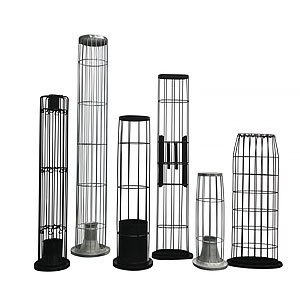
3. Misalignment or damage of dust cleaning components: The nozzle of the spray pipe is misaligned with the center of the filter bag, and the airflow cannot accurately act on the filter material; The deformation and fracture of the dust removal skeleton result in uneven stress on the filter bag, making it difficult for local dust to fall off during dust cleaning; Pulse controller faults, such as disordered spraying sequence and failure to spray, can affect the overall dust cleaning effect.
(3) Other common reasons: equipment and operating conditions factors
In addition to filter materials and ash cleaning systems, equipment sealing failure, uneven airflow distribution, and fluctuations in operating conditions may also lead to excessive emissions:
1. Decreased sealing performance of equipment: Aging or damage of sealing gaskets at the dust collector housing, maintenance door, and flange connections, or loose bolts, can cause external air to leak in, leading to an imbalance of negative pressure inside the equipment and the escape of dust containing gases through gaps; If the connection between the dust collector and the pipeline is not tightly sealed, dust leakage may occur, resulting in excessive emissions.
2. Uneven airflow distribution: Damage or detachment of the internal guide plate of the dust collector, or uneven installation density of the filter bag, can cause significant differences in airflow velocity inside the equipment, resulting in high airflow velocity in local areas, flushing the filter cake on the surface of the filter material, and causing fine dust to be carried away; At the same time, dead corners of airflow can cause some filter materials to be unable to effectively participate in filtration, resulting in a decrease in overall interception efficiency.
3. Fluctuations in operating parameters: During the production process, the dust concentration, temperature, and humidity suddenly exceed the design range of the dust collector, such as a sudden increase in dust concentration and high filter material load; High temperature dust exceeds the tolerance limit of the filter material, causing instantaneous damage to the filter material; The increase in humidity enhances the stickiness of dust and accelerates bag sticking, which can lead to short-term or sustained emissions exceeding the standard.
2、 Systematic troubleshooting process: from easy to difficult, precise positioning
To investigate the issue of excessive emissions, the principle of "visual inspection first, rear component testing, and parameter calibration" should be followed to avoid blind disassembly and improve the efficiency of investigation
Step 1: Conduct a visual inspection and make a preliminary judgment on the direction
1. Observe the status of the exhaust outlet: If there is obvious dust emission or smoke like exhaust gas at the exhaust outlet, determine whether it is a sudden increase in dust concentration or sudden damage to the filter material based on the production conditions; If the emissions show intermittent exceedance, it is often related to parameters of the ash cleaning system or faults in the pulse valve.
2. Check the sealing condition of the equipment: inspect and repair the doors, flanges, pipeline interfaces, and other parts one by one, observe whether there is dust accumulation or air leakage traces, touch the gaps with your hands to feel the airflow, and determine whether the seal is ineffective.
3. Monitoring equipment operating parameters: Record parameters such as the pressure difference between the inlet and outlet of the dust collector, gas source pressure, cleaning cycle, and blowing time. If the pressure difference remains high, it may be due to filter material clogging or bag sticking; Low pressure difference may be due to damaged filter material, air leakage, or excessive dust cleaning.
Step 2: Focus on the filter material and inspect the core components
1. Shutdown and check the status of the filter material: Open the dust collector maintenance door and observe whether there is any damage, holes, fiber detachment on the surface of the filter bag/cylinder, and whether the color of the filter material is abnormal. For bag filters, gently shake the filter bag to observe if a large amount of dust falls off and determine the integrity of the filter material.
2. Verify the adaptability of filter material selection: Check whether the parameters of filter material material, accuracy, temperature tolerance, corrosion resistance, etc. are consistent with the on-site dust characteristics and working conditions. If there is a selection deviation, the appropriate filter material should be replaced in a timely manner.
3. Check the installation quality of the filter material: confirm whether the filter bag is tightly fitted to the frame, whether there is any tilt, whether the filter cartridge is installed in place, and whether the sealing gasket is intact, to avoid dust short circuit emissions caused by improper installation.
Step 3: Check the dust cleaning system and eliminate functional faults
1. Check the dust cleaning power components: test the working status of the electromagnetic pulse valve, listen to the blowing sound for uniformity, disassemble and check whether the diaphragm is damaged and whether the valve core is blocked; Check whether the pressure of the gas source reaches the design value, discharge the accumulated water and oil in the gas storage tank, and ensure that the gas source is clean and stable; Check if the spray pipe is blocked and if the nozzle is aligned with the filter material.
2. Calibration of cleaning parameters: Adjust the cleaning cycle and blowing time based on changes in pressure difference and emission conditions. If the pressure difference is too high, shorten the cleaning cycle and extend the blowing time; If the emissions still exceed the standard after parameter adjustment, it is necessary to check whether the pulse controller is working properly and whether there is any signal disorder problem.
3. Check auxiliary components: Check whether the dust removal skeleton is deformed or broken, and replace damaged components in a timely manner; Check if there is any air leakage in the dust cleaning system pipeline, repair damaged pipelines, and tighten connectors.
Step 4: Investigate equipment structure and operating condition fluctuations
1. Check the distribution of airflow and the condition of the shell: check whether the internal guide plate is intact, clean the dust inside the shell, and avoid dead corners of airflow; Check whether the shell is deformed or damaged, repair the leaking parts, and replace the aging sealing gasket.
2. Verify operating parameters: Coordinate with the production department to confirm whether dust concentration, temperature, humidity, and other parameters are within the design range. If there are fluctuations in operating conditions, adjust the production pace or optimize the dust collector adaptation plan.
3、 Prevention and optimization suggestions
1. Standardize filter material management: Select filter materials accurately based on working conditions, establish a filter material replacement ledger, and replace them regularly according to the service life and pressure difference changes to avoid exceeding the service life; When storing filter materials, do a good job of moisture-proof and anti-corrosion treatment to avoid secondary damage.
2. Optimize the operation and maintenance of the dust cleaning system: Regularly clean the electromagnetic pulse valve, spray pipe, and gas storage tank, check the status of the pulse valve diaphragm and seals every 3-6 months, and replace vulnerable parts in a timely manner; According to the characteristics of dust and changes in pressure difference, dynamically adjust the cleaning parameters to avoid insufficient adaptability of fixed parameters.
3. Strengthen daily equipment inspections: Establish a daily inspection system, focusing on monitoring the sealing status, operating parameters, and discharge outlet conditions, and promptly investigate any abnormalities found; Regularly maintain the shell, pipeline, and guide plate of the dust collector to ensure structural integrity.
4. Adapt to changes in working conditions: If production process adjustments result in changes in working condition parameters, evaluate the adaptability of the dust collector in advance, optimize the selection of filter materials, cleaning parameters, or add pre-treatment equipment in a timely manner to avoid emission exceeding standards caused by fluctuations in working conditions.
In summary, the excessive emissions of dust collectors are the result of multiple factors. When investigating, it is necessary to focus on the two core components of filter materials and dust cleaning systems, and gradually verify them in combination with equipment structure and changes in operating conditions. Through standardized operation and maintenance, precise investigation, and targeted optimization, emission concentration can be effectively controlled to ensure stable equipment operation and environmental compliance.
Hot Tags:
PREVIOUS:


Contact Us
Tel:
WeChat:
WhatsApp:
E-mail:
Address:
338 National Road South, Longfengdian Village, Botou City, Hebei Province, China
JiuznTomine is expertly delivering technically complicated projects in markets & provides custom solutions for their customized need.


CONTACT INFO
Tel: +86 18531710311
WeChat: +86-18531710311
338 National Road South, Longfengdian Village, Botou City, Hebei Province, China