












Troubleshooting and Solution Techniques for Leakage of Electromagnetic Pulse Valve
Jan 26,2026

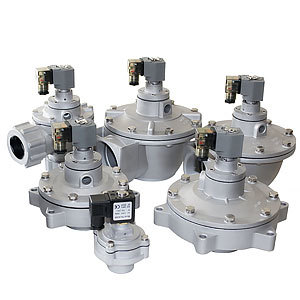
As the core executing component of the bag filter dust cleaning system, the sealing performance of the electromagnetic pulse valve directly determines the dust cleaning effect and system operation stability. Leakage faults not only lead to waste of compressed air and decreased dust cleaning efficiency, but may also cause chain problems such as filter bag sticking and abnormal pressure difference in the dust removal system. This article combines industrial practical experience to sort out the common causes of electromagnetic pulse valve leakage, step-by-step troubleshooting methods, and targeted solutions, providing professional reference for operation and maintenance personnel.
1、 Classification of the core causes of leakage in electromagnetic pulse valves
The leakage faults of electromagnetic pulse valves are often related to seal loss, valve core jamming, gas source impurities, installation deviation, and valve body aging. Different parts of the leakage correspond to different causes, and clear classification can improve the efficiency of investigation.
(1) Leakage at the inlet, outlet, and connection of the valve
This type of air leakage often occurs at the connection between the pulse valve and the air bag, as well as the spray pipe. The core reasons include: loose connecting bolts, aging, damaged or misplaced sealing gaskets; There are burrs or deformations in the air bag interface and spray pipe joint, resulting in a loose sealing fit; The connecting thread is worn and cannot achieve effective sealing.
(2) Leakage at the valve stem and diaphragm
This is the most common type of air leakage, mainly caused by membrane component failure: membrane aging, cracking or damage, unable to block airflow; The sealing gasket on the diaphragm is missing, deformed, or not tightly attached to the valve seat; The valve stem is corroded and deformed, causing the diaphragm to fail to reset properly and the seal to fail; The connection between the diaphragm and the valve stem is loose, resulting in gaps.
(3) Air leakage in the solenoid valve coil area
The leakage in this area is often caused by internal component failures: the valve core is stuck and cannot be fully closed, resulting in compressed air leaking from the coil side; Wear and deformation of valve core seals, loss of sealing function; The fatigue and fracture of the internal spring of the solenoid valve prevent the valve core from returning to its original position; Coil damage causes the valve core to malfunction, indirectly leading to air leakage.
(4) Leakage caused by gas source and auxiliary components
Poor quality of gas source or failure of auxiliary components are easily overlooked: oil, water or impurities in compressed air, worn seals, blocked valve core channels; The oil-water separator failed to filter impurities in a timely manner, accelerating component wear and tear; The pressure of the airbag is too high, exceeding the rated tolerance range of the pulse valve, resulting in leakage at the sealing part.
2、 Step by step troubleshooting process for leakage of electromagnetic pulse valve
The investigation should follow the principle of "from outside to inside, from easy to difficult", avoid blind disassembly, reduce secondary damage, and ensure accurate and efficient investigation.
(1) Preliminary preparation and safety regulations
Before troubleshooting, it is necessary to turn off the gas source corresponding to the pulse valve, release the residual pressure inside the gas bag, disconnect the power supply of the solenoid valve coil, and ensure proper grounding protection; Prepare tools and spare parts such as wrenches, screwdrivers, sealing rings, cloths, etc., and record the operating parameters of the equipment for subsequent adaptation and troubleshooting.
(2) Preliminary inspection of appearance and connection points
1. Observe the overall appearance of the pulse valve, focusing on checking whether there are obvious signs of airflow leakage in the coil part and the connection points of the valve inlet and outlet;
2. Gently tighten the inlet and outlet connection bolts by hand, check for looseness, and if the bolts are loose, tighten them evenly with force;
3. Disassemble the sealing gasket at the connection, check for aging, damage, and deformation, and clean the dust and burrs at the interface to observe if there is any deformation at the interface.
(3) Investigation of gas source and auxiliary components
1. Check whether the oil-water separator is working properly, discharge the accumulated oil and water at the bottom, observe whether the filtered air source is pure, and replace it in a timely manner if the separator fails;
2. Measure the pressure of the airbag and confirm whether it is within the rated working pressure range of the pulse valve (usually 0.2-0.6MPa). If the pressure is too high, adjust the pressure reducing valve to avoid damage to the seal due to pressure;
3. Check if there is any accumulation of impurities inside the airbag. If there are too many impurities, clean the airbag to prevent them from entering the pulse valve again.
(4) Deep investigation of valve body and internal components
If there are no abnormalities in the preliminary investigation, the valve body needs to be disassembled to check the internal components:
1. Disassemble the pulse valve body, remove the diaphragm assembly, observe whether the diaphragm is cracked, damaged, aged, or hardened, and check whether the sealing gasket is intact and the position is accurate;
2. Check whether the valve stem is corroded or deformed, push the valve stem to test whether it can be reset flexibly. If it is stuck, use fine sandpaper to polish the corroded part, or replace the valve stem directly;
3. Disassemble the solenoid valve core, clean the impurities on the surface of the core, check the wear of the core seal and the elasticity of the internal spring. If the spring is fatigued or the seal is worn, it needs to be replaced accordingly;
4. Check whether there are scratches or impurities attached to the sealing surface of the valve seat. Wipe it clean with a cloth. If the scratches are deep, replace the valve seat or the entire valve body.
(5) Power on testing and verification
After troubleshooting and repair, restore the gas supply, adjust the pressure of the air bag to the rated range, connect the coil power supply, start the dust cleaning program, and observe the operation status of the pulse valve: no airflow leakage, sensitive valve core action, normal spraying, indicating that the troubleshooting and repair are in place; If there is still air leakage, it is necessary to recheck whether the internal components are installed correctly, or replace the pulse valve of the same model for replacement testing to rule out quality problems with the valve body itself.
3、 Targeted solutions and practical points
Based on the identified cause of the malfunction, corresponding solutions will be taken, while paying attention to operational details to extend the service life of the pulse valve.
(1) Solution to sealing and connection issues
Loose connecting bolts: Tighten the bolts evenly, and if necessary, apply rust inhibitor to the bolt threads to prevent subsequent loosening; Damaged sealing gasket: Replace with a sealing gasket of the same specification, and ensure that the sealing gasket is centered and not offset during installation; Interface deformation and thread wear: Minor deformation can be corrected by grinding, while severe wear requires replacement of corresponding joints, spray pipes, or airbag interfaces.
(2) Troubleshooting of diaphragm and valve core components
Damaged and aged diaphragm: Replace the diaphragm component directly, clean the impurities on the sealing surface of the valve seat during replacement, and ensure that the diaphragm fits tightly without wrinkles; Valve stem stuck and corroded: After polishing the corroded area, apply lubricating oil. If the deformation is severe, replace the valve stem; Wear of valve core seals and spring failure: Replace the corresponding spare parts, ensure that the valve core moves flexibly during assembly, the spring is installed in place, and there is no jamming.
(3) Optimization of gas source and auxiliary components
Gas source contains impurities and oil-water: Replace the high-efficiency oil-water separator, regularly discharge accumulated oil and water (it is recommended to discharge once during daily inspections), and if necessary, add a pre filter at the inlet of the gas bag; Abnormal pressure in the airbag: Adjust the pressure reducing valve to stabilize the pressure within the rated range, and check the accuracy of the pressure reducing valve to ensure that there is no pressure fluctuation; Dust accumulation in the air bag: Regularly clean the air bag, recommended once every quarter, in conjunction with overall maintenance of the dust collector.
(4) Handling of coil and circuit issues
Abnormal valve core movement caused by coil damage: Use a multimeter to check the resistance value of the coil. If the resistance value deviates from the rated range, it indicates that the coil is damaged and needs to be replaced with a coil of the same model. During installation, ensure that the wiring is firm and provide insulation protection; Loose coil wiring: Tighten the wiring terminals, clean the dust and oxide layer at the terminals, and avoid poor contact that may cause valve core malfunction.
4、 Common Misconceptions Avoidance and Preventive Maintenance Measures
(1) Common troubleshooting misconceptions
Misconception 1: Blindly tightening bolts. Tightening bolts can easily cause deformation of the sealing gasket, thread slippage, and exacerbate air leakage. It is necessary to apply even force and fit the seal tightly;
Misconception 2: Neglecting the influence of impurities in the gas source. Only replacing parts without cleaning the air source and air bag will cause impurities to wear down the new parts again, leading to repeated failures;
Misconception 3: Randomly replace spare parts of different specifications. If the sealing gasket and diaphragm model do not match, it will cause sealing failure, and spare parts should be strictly matched with the pulse valve model;
Misconception 4: Failure to reset and check after disassembly. Misalignment of internal components can cause new air leakage issues, and manual testing of valve core movement is required after assembly.
(2) Daily preventive maintenance measures
1. Regular inspection: Check the operation status of the pulse valve daily, observe whether there is any air leakage or abnormal noise, record the pressure of the gas bag and the purity of the gas source, and promptly deal with any problems found;
2. Regularly replace vulnerable parts: According to the differences in working conditions, replace vulnerable parts such as diaphragms and gaskets every 6-12 months to avoid component aging and failure;
3. Standardize air source management: Ensure that compressed air is dry and pure, regularly maintain oil-water separators and filters, and prevent oil, water, and impurities from entering the valve body;
4. Control operating parameters: strictly operate according to the rated pressure and temperature range of the pulse valve to avoid overloading and extend the service life of components;
5. Spare parts reserve: Reserve spare parts such as diaphragm, valve core, coil, sealing gasket, etc. of the same model to facilitate quick replacement in case of sudden failure and reduce downtime.
The core of troubleshooting electromagnetic pulse valve leakage faults is to accurately locate the fault location and trace the root cause, rather than blindly replacing components. Through standardized troubleshooting procedures, targeted solutions, and daily refined maintenance, the problem of air leakage can be quickly solved, and the service life of the pulse valve can be effectively extended to ensure the stable operation of the bag filter dust cleaning system and reduce operation and maintenance costs. In practical operation, it is necessary to flexibly adjust the troubleshooting strategy based on specific working conditions and form an operation and maintenance plan that is suitable for this scenario.
Hot Tags:


Contact Us
Tel:
WeChat:
WhatsApp:
E-mail:
Address:
338 National Road South, Longfengdian Village, Botou City, Hebei Province, China
JiuznTomine is expertly delivering technically complicated projects in markets & provides custom solutions for their customized need.


CONTACT INFO
Tel: +86 18531710311
WeChat: +86-18531710311
338 National Road South, Longfengdian Village, Botou City, Hebei Province, China