












Techniques for extending the service life of dust removal bags and optimizing the cleaning system
Jan 26,2026

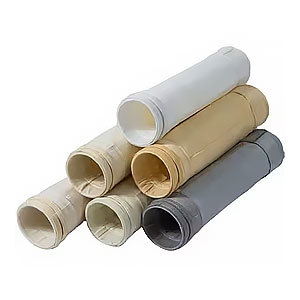
As the core filtering element of bag filter, the service life of dust bag directly affects the operational stability, operation and maintenance costs, and emission compliance rate of the dust removal system. In the industrial dust control scenario, optimizing the cleaning system reasonably is a key means to extend the service life of the bag, which can not only avoid the loss of filter materials caused by excessive cleaning, but also prevent the decrease in system efficiency caused by insufficient cleaning. This article combines practical experience to share the core points of extending the service life of dust removal bags and optimization techniques for dust cleaning systems.
1、 Core factors affecting the service life of dust removal bags
The loss of dust removal bags is not caused by a single factor, but by the combined effects of filter material characteristics, operating conditions, and dust cleaning operations. Clarifying the key influencing factors is a prerequisite for optimizing the work.
(1) The adaptability of the filter material itself
The matching degree between filter material material, structure and working conditions is the foundation. There are significant differences in the characteristics of dust in different industries. For example, high-temperature resistant filter materials such as Fumes and PTFE should be used for high-temperature working conditions. Acid alkali corrosive dust should be matched with anti-corrosion filter materials. Dust with high moisture content should be given priority to filter materials with waterproof and oil resistant treatment. If the filter material is not properly adapted, even if the dust cleaning system is optimized, it is difficult to avoid problems such as premature bag damage and bag sticking.
(2) Fluctuations in operating parameters under working conditions
Parameters such as dust concentration, temperature, humidity, and airflow velocity in working conditions that exceed the tolerance range of the bag will accelerate the aging of the filter material. For example, when the dust concentration is too high, the filter cake on the surface of the bag quickly forms. If the dust is not cleaned in time, it is easy to cause bag blockage; Sudden temperature rise exceeding the rated tolerance value of the filter material can cause fibrosis and fracture of the filter material; If the moisture content exceeds the standard, it is easy to cause the filter material to stick to the bag, clump, and lose its filtering function.
(3) Rationality of dust cleaning operation
The scientificity of the dust cleaning system is the most direct factor affecting the lifespan of cloth bags. Excessive dust cleaning will repeatedly impact the filter cake on the surface of the bag, damaging the fiber structure of the filter material, resulting in bag wear and tear; Insufficient dust removal can cause the filter cake to become too thick, increase the pressure difference of the filter bag, increase the fan load, and accelerate the fatigue aging of the filter material, shortening its service life.
2、 Core Techniques for Optimizing the Ash Cleaning System
The optimization of the ash cleaning system needs to revolve around the principle of "precise ash cleaning and on-demand ash cleaning", combined with the dynamic adjustment of working conditions and bag states. The core lies in the reasonable setting of ash cleaning methods, parameters, and cycles.
(1) Adapt to dust cleaning methods to avoid damage to filter materials
At present, the mainstream dust cleaning methods include pulse jet cleaning, reverse blowing cleaning, and mechanical vibration cleaning. The selection should be based on the type of filter material and dust characteristics:
1. Pulse jet cleaning: suitable for medium and high-strength filter materials such as polyester and fluorine, with high cleaning efficiency and concentrated impact force. It is necessary to control the blowing pressure and frequency to avoid instantaneous impact damage to thin filter materials;
2. Backblowing for dust removal: Mild impact force, suitable for flexible filter materials such as PTFE and fine powder filtration scenarios, can reduce fiber breakage of filter materials, and requires reasonable blowback air volume and time;
3. Mechanical vibration cleaning: With high impact force, it is only suitable for high-strength filter materials such as fiberglass. It is necessary to avoid excessive vibration frequency that may cause cracking at the bag stitching.
(2) Optimize the cleaning parameters to balance the cleaning effect and loss
The adjustment of dust cleaning parameters should aim to achieve efficient dust cleaning with minimal damage, with a focus on the following three indicators:
1. Spray pressure control
Excessive blowing pressure will exacerbate the surface wear of the bag, while insufficient pressure will result in incomplete dust removal. Usually adjusted according to the thickness of the filter material and the viscosity of the dust, it is controlled at 0.2-0.4 MPa under normal operating conditions; For viscous and fine particle dust, it can be appropriately increased to 0.4-0.6MPa, but the single blowing time needs to be shortened; For lightweight filter materials, the pressure should be controlled below 0.2 MPa and the "low pressure high frequency" mode should be used.
2. Spray time adjustment
A single blowing time that is too long can cause excessive stretching of the filter material, while a time that is too short can result in insufficient dust removal. Generally set at 0.1-0.3 seconds, it can be optimized by observing changes in the pressure difference of the filter bag. If the pressure difference drops slowly, it can be appropriately extended to 0.3-0.5 seconds; If the pressure difference drops sharply and quickly rises, it indicates that the spraying time is too long and needs to be shortened to within 0.1 seconds to avoid complete detachment of the filter cake and dust penetration.
3. Dust cleaning frequency setting
The cleaning frequency should be dynamically adjusted based on the dust concentration and filter bag pressure difference to avoid fixed frequency cleaning. It is recommended to use the pressure difference of the filter bag as the core basis. When the pressure difference reaches 1200-1500Pa, start the dust cleaning program, and stop when the pressure difference drops to 800-1000Pa; For working conditions with low dust concentration and low viscosity, the frequency of dust cleaning can be reduced and the number of filter material impacts can be minimized; For high concentration dust conditions, the "segmented cleaning" mode can be used to avoid excessive pressure fluctuations in the system caused by overall cleaning.
(3) Dynamically adjust the cleaning cycle to adapt to changes in working conditions
Industrial production conditions often fluctuate with changes in production capacity and raw materials, and the cleaning cycle needs to be adjusted accordingly to avoid a one size fits all approach. For example, during peak production periods, the concentration of dust increases, and it is necessary to shorten the cleaning interval and increase the frequency of cleaning; During the equipment start stop phase, if the temperature and airflow are unstable, the cleaning frequency can be appropriately increased to prevent the filter bag from sticking to the bag; In response to seasonal humidity changes, it is necessary to optimize the cleaning parameters in advance during the rainy season, and if necessary, cooperate with insulation and dehumidification measures to avoid filter materials from getting damp and clumping.
3、 Supporting measures: Further extend the service life of dust removal bags
The optimization of the dust cleaning system needs to be combined with supporting operation and maintenance measures to form a full process protection, in order to maximize the service life of the bag.
(1) Proper dust pretreatment
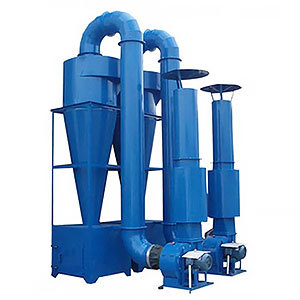
Install cyclone dust collectors, pre processors and other equipment at the inlet of the dust collector to remove large particles of dust and reduce the erosion and wear of the bag surface by large particles; For high temperature and high humidity dust, cooling and dehumidification treatment should be carried out in advance to avoid filter material aging and moisture sticking to the bag due to high temperature.
(2) Standardize the installation and maintenance of cloth bags
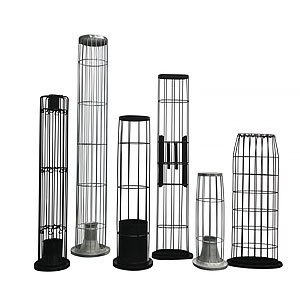
Ensure that the cloth bag is tightly attached to the frame during installation, avoiding the cloth bag from deviating or folding, and preventing local wear and tear; Regularly check the sealing of the bag stitching and interface, and replace damaged seals in a timely manner; During operation and maintenance, avoid sharp objects from contacting the filter bag. When cleaning the dust accumulation inside the dust collector, handle it gently to prevent mechanical damage.
(3) Regular monitoring and investigation
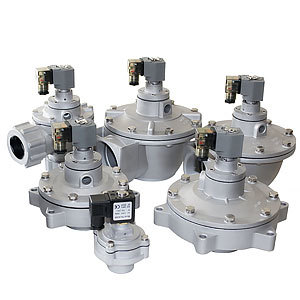
Establish a monitoring ledger for filter bag pressure difference, and determine the status of the bag based on changes in pressure difference. If the pressure difference remains high, it may be due to insufficient cleaning or bag blockage, and the cleaning parameters need to be optimized or the bag needs to be replaced; If the pressure difference drops sharply, it may be due to bag breakage, and it is necessary to promptly investigate and replace it to avoid dust penetration affecting emissions. At the same time, regularly inspect the components of the dust cleaning system to ensure the normal operation of pulse valves, spray pipes, air bags, etc., and avoid poor dust cleaning results caused by component failures.
(4) Reasonably store spare cloth bags
Spare cloth bags should be stored in a dry, ventilated, and cool environment, avoiding direct sunlight, moisture, and chemical corrosion; Avoid squeezing or folding during storage, keep the bag flat, and prevent deformation of the filter material fibers, which may affect the effectiveness of use.
4、 Common Misconceptions to Avoid
In the optimization of the dust cleaning system and bag operation and maintenance, the following common misconceptions should be avoided to avoid the opposite effect:
Misconception 1: Blindly increasing the pressure and frequency of dust cleaning. Excessive dust cleaning can damage the fibers of the filter material, shorten the lifespan of the bag, and instead increase maintenance costs;
Misconception 2: Neglecting the quality of gas sources. The oil and water in compressed air can contaminate the filter material, causing bag sticking. It is necessary to install an oil-water separator and regularly clean the impurities in the air source;
Misconception 3: Delaying replacement of damaged cloth bags. Single bag damage can lead to a decrease in overall dust removal efficiency, while dust will wash away surrounding bags, accelerating batch damage.
The core of extending the service life of dust removal bags lies in achieving precise matching between the cleaning system, operating conditions, and filter material performance. By optimizing the cleaning method, dynamically adjusting the cleaning parameters, and coordinating with the entire process of operation and maintenance measures, it can effectively extend the service life of the bag, reduce operation and maintenance costs, and ensure the long-term stable operation of the dust removal system, meeting the environmental protection requirements of industrial dust control. In practical operation, it is necessary to continuously explore and adjust based on specific working conditions to form the optimal solution that is suitable for this scenario.
Hot Tags:


Contact Us
Tel:
WeChat:
WhatsApp:
E-mail:
Address:
338 National Road South, Longfengdian Village, Botou City, Hebei Province, China
JiuznTomine is expertly delivering technically complicated projects in markets & provides custom solutions for their customized need.


CONTACT INFO
Tel: +86 18531710311
WeChat: +86-18531710311
338 National Road South, Longfengdian Village, Botou City, Hebei Province, China