


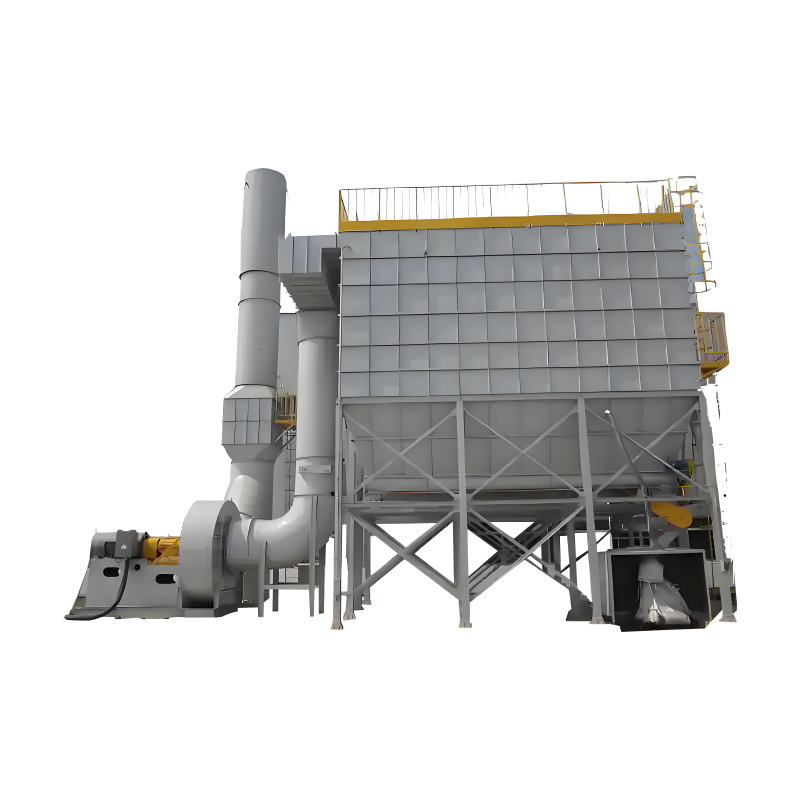
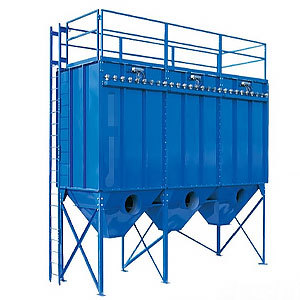
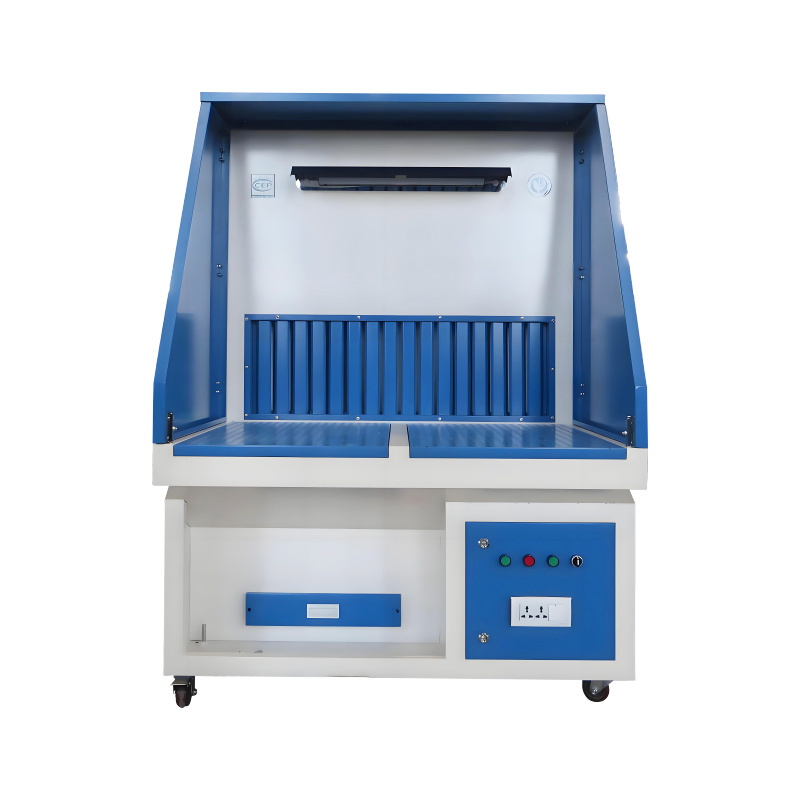
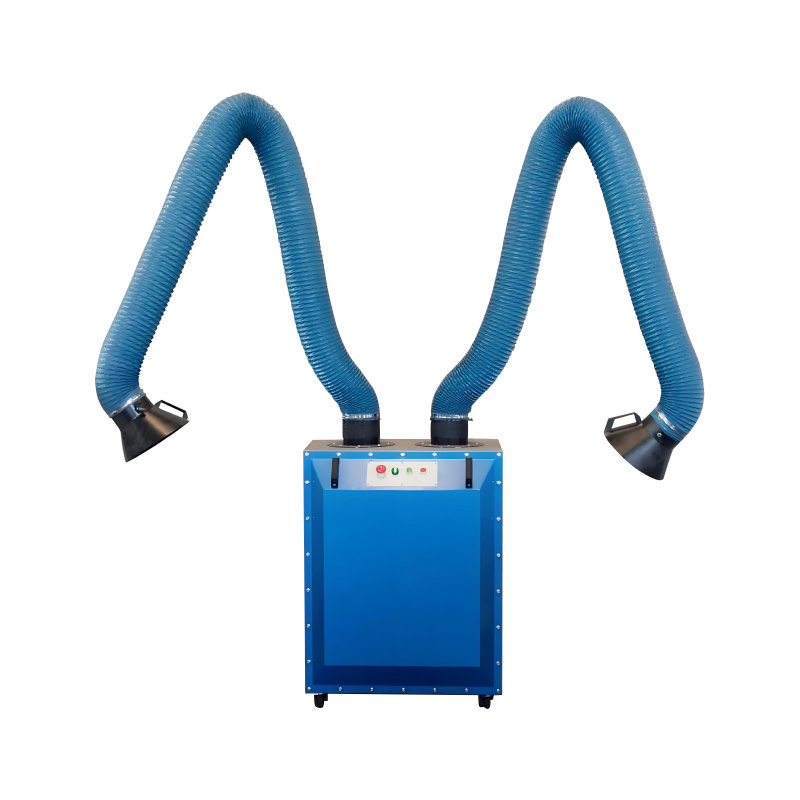










Key installation points, sealing treatment, and airflow distribution optimization of bag filter
Jan 24,2026
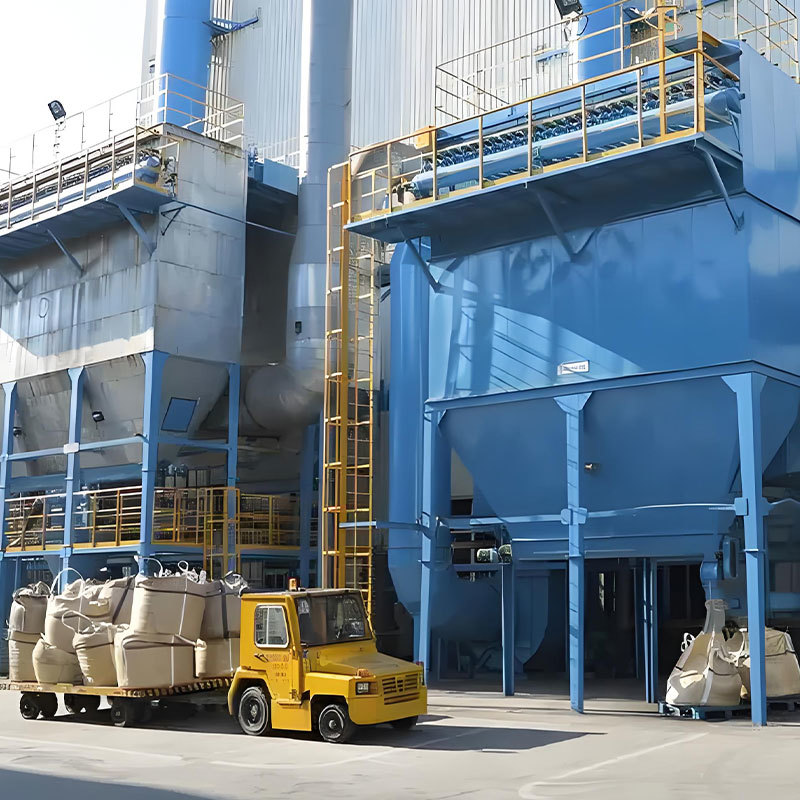
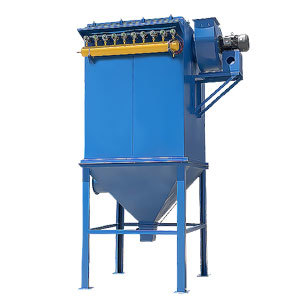
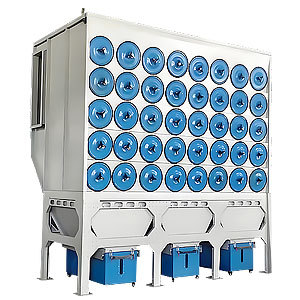
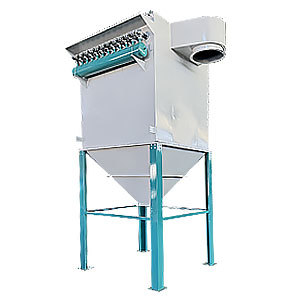
As the core equipment for industrial dust control, the installation quality of bag filter directly determines the filtration efficiency, operational stability, and service life. Among them, installation accuracy control, sealing performance guarantee, and airflow distribution uniformity are the three key factors that affect the adaptability of equipment operating conditions and long-term operation and maintenance costs. This article provides a detailed overview of the installation core points of bag filters from a practical perspective, disassembles the sealing process, and offers optimized airflow distribution solutions, providing technical references for overseas on-site installation and commissioning.
1、 Key points for installing bag filter
The installation of bag filters should follow the principles of "precise positioning, standardized assembly, and step-by-step verification", covering the stages of foundation fixation, body assembly, filter bag installation, and accessory equipment docking, to avoid later failures caused by installation deviations.
(1) Pre installation preparation and foundation positioning
1. Equipment entry inspection: Confirm that the dust collector body, flower plate, filter bag, skeleton, spraying system, pulse valve, ash hopper and other components are not damaged during transportation, and that the connecting parts (bolts, gaskets) and sealing parts (sealing rings, sealant) are complete and meet the equipment assembly standards; Verify that the equipment model matches the on-site installation space and load-bearing foundation dimensions, and reserve maintenance channels (with a width of not less than 1.2m) and operating space.
2. Basic calibration: Lift the dust collector body onto the preset foundation, calibrate the longitudinal and transverse levelness of the equipment with a level, with a deviation of ≤ 0.2mm/m, to avoid ash accumulation in the ash hopper and uneven airflow distribution caused by the tilting of the body. After calibration is completed, tighten the base with high-strength anchor bolts. The tightening torque of the bolts should follow the equipment manual, and if necessary, install shock absorbers to reduce the impact of operational vibration on installation accuracy.
3. Accessory equipment docking: When docking the inlet and outlet pipelines, flexible connections should be used to avoid the transmission of pipeline stress to the dust collector body, which may cause deformation of the shell; The slope of the pipeline should meet the design requirements (usually ≥ 3 °) to prevent dust accumulation and blockage. When connecting the air source pipeline of the injection system, ensure that the pipeline is clean and free of impurities, install filters and pressure reducing valves, and stabilize the air source pressure (usually 0.3-0.6MPa).
(2) Key points for installing filter bags and frameworks
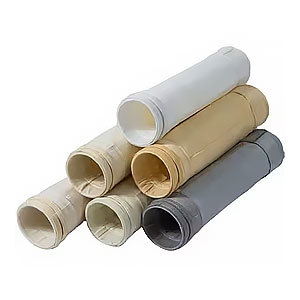
1. Pre treatment before installation: Clean the surface of the flower board, remove oil stains, burrs, and debris, check that the flower board holes are not deformed or blocked, and ensure that the filter bag is sealed and fitted after installation. Inspect the appearance of the filter bag and ensure that there are no issues such as damage, jumper wires, or coating detachment. It is strictly prohibited to install damaged filter bags.
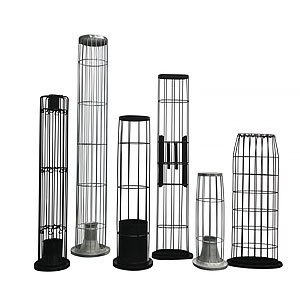
2. Standardized installation operation: Insert the filter bag into the flower plate hole from the top, ensuring that the filter bag mouth is completely aligned with the flower plate hole without deviation; When inserting the filter bag frame, handle it gently to avoid scratching the inner wall of the filter bag. The bottom of the frame should be tightly attached to the bottom of the filter bag without any suspension. After installation, check the tension of the filter bags one by one, without any looseness or wrinkles, to prevent the filter bags from rubbing and damaging the skeleton during operation.
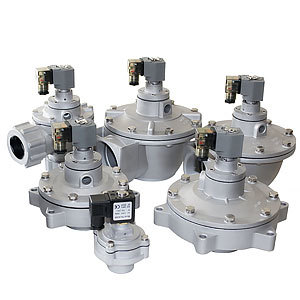
3. Spray system calibration: Adjust the position of the pulse valve and spray pipe to ensure that the spray port is aligned with the center of the flower plate hole, with a deviation of ≤ 2mm; check that the spray pipe is firmly fixed and not loose, to avoid vibration during operation that may cause spray deviation and affect the cleaning effect.
(3) Installation of ash hopper and ash discharge equipment
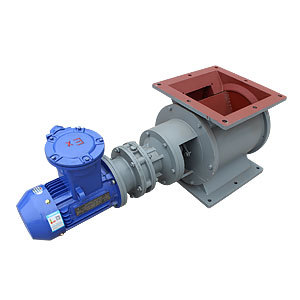
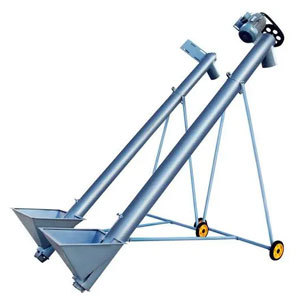
The installation of the ash hopper should ensure a sealed fit with the main body, and the bottom ash discharge port should be accurately connected to the star shaped unloader, screw conveyor and other ash discharge equipment. Sealing gaskets should be installed at the flange connection, and bolts should be symmetrically and cross tightened. After installation, check the angle of the inclined wall of the ash hopper (usually ≥ 60 °) and ensure there are no dead corners where ash accumulates; Debug the linkage between the ash discharge equipment and the dust collector to ensure smooth ash discharge without any leakage.
2、 Key processes and testing methods for sealing treatment
The sealing performance of bag filter directly affects the filtration efficiency and energy consumption - sealing failure can lead to the infiltration of external air, dilute dust concentration, reduce filtration accuracy, and cause dust leakage and environmental pollution. The sealing treatment needs to cover both static and dynamic sealing parts, and control the installation quality and testing process throughout the entire process.
(1) Core sealing parts and treatment points
1. Sealing between the flower board and filter bag: This is the most critical static sealing part, and sealing failure can cause a short circuit in the dusty airflow, which can be directly discharged without filtration. Key points of handling: Select a filter bag mouth sealing ring that is compatible with the size of the flower plate hole, ensuring that the sealing ring material is suitable for the working conditions (fluorine rubber sealing ring is selected for high temperature working conditions, and nitrile rubber sealing ring is selected for normal temperature working conditions); During installation, press the filter bag opening to tightly fit the sealing ring with the flower plate hole. If necessary, apply special sealant on the fitting surface to enhance the sealing performance.
2. Sealing at flange connections: including flange parts such as body and pipeline, ash hopper and body, maintenance door and shell. Key points for handling: The flange surface should be clean and flat, without any protrusions or indentations; Select sealing gaskets corresponding to the working conditions (graphite gaskets are used for high-temperature and corrosion-resistant working conditions, and rubber gaskets are used for normal temperature working conditions), with gasket size matching the flange, without offset or wrinkles; Symmetrically cross tighten the bolts and tighten them to the specified torque to ensure even fit of the flange surface without any gaps.
3. Sealing of maintenance doors: Long term opening and closing of maintenance doors can easily cause aging and deformation of sealing components, leading to leakage. Key points for handling: Before installation, check that the sealing strip of the maintenance door is not damaged or aged, and that it is firmly fixed; When closing the maintenance door, ensure that the door body is tightly attached to the shell, the lock buckle is evenly stressed, and there is no looseness. A small amount of lubricating grease can be applied on the outside of the sealing strip to extend its service life and enhance the sealing effect.
4. Dynamic sealing part: mainly for the shaft end seal of the ash discharge equipment. Key points for handling: Install the packing seal or mechanical seal components according to the equipment manual. The packing should be evenly filled without gaps, and the mechanical seal surface should be clean and free of impurities; Regularly check the sealing parts during operation to ensure no dust leakage. If any leakage occurs, tighten the gland bolts or replace the sealing components in a timely manner.
(2) Sealing testing method
1. Static sealing test (before no-load installation): Close the inlet and outlet valves of the dust collector, introduce compressed air into the interior of the body, and maintain the internal pressure at 0.05-0.1MPa for 30 minutes. Apply soapy water to all sealed parts (flower plate, flange, maintenance door, shaft end), and if no bubbles are produced, it is considered qualified; If bubbles appear, mark the leakage location, tighten the bolts, replace the seals or apply sealant after stopping the machine, and retest until it is qualified.
2. Dynamic sealing detection (during load operation): Turn on the dust collector and supporting system, and after 1 hour of load operation, use a smoke detector or white paper to approach the sealing area. If there is no smoke infiltration or dust adhesion, it is considered qualified. Focus on inspecting the flower board area. If dust leakage occurs, it is mostly due to improper installation of filter bags or damaged sealing rings. The machine needs to be stopped for inspection and replacement of corresponding components.
(3) Optimization measures for sealing performance
1. Suitable sealing components for working conditions: Optimize the selection of sealing components for different overseas working conditions - high-temperature (>130 ℃) working conditions use high-temperature resistant fluororubber and graphite material sealing components; Choose acid and alkali resistant fluoroplastic seals for corrosive dust working conditions; Choose anti-static sealing components for flammable and explosive dust working conditions, and strengthen grounding treatment to avoid static electricity accumulation.
2. Regular maintenance of sealing parts: Establish a seal maintenance ledger, check the sealing strips and rings every 6-12 months, and replace aging and damaged parts in a timely manner; During each shutdown maintenance, clean the flange surface and flower plate surface, apply sealant, tighten loose bolts, and prevent the sealing performance from deteriorating.
3、 Optimization design and installation adjustment of airflow distribution
The uniformity of airflow distribution inside the bag filter directly affects the filtration load, dust cleaning effect, and service life of the filter bag - uneven airflow can lead to excessive local filter bag load, increased wear, and even dust accumulation and bag sticking. Optimization needs to be combined with equipment design and on-site installation adjustments to achieve uniform airflow coverage of all filter bags.
(1) Key points for adapting airflow distribution design
1. Installation of diversion structure: A diversion plate should be installed at the inlet of the dust collector, fixed at the design angle, to guide the dust laden airflow to spread evenly along the inner wall of the shell, avoiding direct impact of the airflow on the filter bag. During installation, check that the guide plate is firmly fixed without deformation or looseness, and that the deviation of the guide angle is ≤ 5 ° to ensure that the airflow guidance meets the design requirements.
2. Horizontal control of flower board: Flower board is the benchmark for installing filter bags, and its horizontal level directly affects the distribution of airflow. After installation, recalibrate the levelness of the flower board with a deviation of ≤ 0.1mm/m and no bending or deformation; The flower plate holes are arranged evenly to ensure that the airflow velocity corresponding to each row of filter bags is consistent, avoiding local airflow concentration.
3. Optimization of ash hopper airflow: A baffle plate needs to be installed inside the ash hopper to prevent direct airflow from entering the hopper and causing ash accumulation and flying. At the same time, it ensures smooth airflow inside the ash hopper without vortex dead corners. The installation height and angle of the baffle plate shall be in accordance with the equipment manual, and it shall be sealed and adhered to the ash hopper wall without any gaps.
(2) Installation adjustment and airflow uniformity detection
1. No load airflow debugging: After installation, turn on the fan for no-load airflow debugging. Use an anemometer to detect the wind speed in different areas above the flower board. If the wind speed deviation is controlled within ± 10%, it is considered qualified. If there is a significant deviation in wind speed, adjust the angle of the guide plate, install a splitter plate, or correct the levelness of the flower plate until the airflow is uniform.
2. Load airflow optimization: During load operation, observe the operating status of the filter bag and ensure that there is no excessive swelling or shaking of the filter bag locally; Check the ash accumulation in the ash hopper, and there is no excessive or flying ash accumulation in any local area. If there is a concentration of local airflow, guide vanes can be installed in the corresponding area to divert the airflow and balance the filtration load in each area.
3. Pipeline airflow adjustment: When installing the inlet and outlet pipelines, avoid sharp bends, excessive diameter changes, and other situations to reduce airflow resistance and vortex generation. If necessary, install a guide device in the pipeline to ensure smooth airflow into the dust collector body, laying the foundation for uniform distribution inside.
(3) Common airflow distribution problems and solutions
1. Direct airflow towards the filter bag: The reason is that the guide plate is missing or the angle deviation is too large. Solution: Install a guide plate, adjust the angle to the design standard, and fix it firmly.
2. Severe dust accumulation in local filter bags: The reason is that the airflow velocity in this area is too low, causing dust to settle and accumulate. Solution: Install diversion plates in the corresponding area to increase local airflow velocity, or adjust the levelness of the flower plate to balance airflow distribution.
3. Secondary adsorption of dust after cleaning: The reason is that the airflow vortex prevents the dust from falling smoothly into the ash hopper. Solution: Optimize the position of the ash hopper baffle, clean up the dead corners of the airflow, and enhance the ash discharge capacity of the ash hopper.
4、 Precautions for safe installation
1. Lifting safety: When lifting the dust collector body and large components, use lifting equipment that matches the rated load, fix the lifting ropes firmly, set up warning areas on site, and avoid personnel approaching; High altitude operations require wearing safety belts and building a safe operating platform.
2. Electrical safety: When wiring the spraying system and control system, strictly follow local electrical regulations, and do a good job of grounding treatment (grounding resistance ≤ 4 Ω) to avoid leakage or static electricity accumulation; After the wiring is completed, check that the circuit connection is firm and there is no short circuit hazard, and then power on for debugging.
3. Maintenance safety: During the installation and commissioning process, if it is necessary to enter the interior of the dust collector body, the power must be cut off, a "no closing" sign must be hung, and ventilation must be carried out before operation to avoid oxygen deficiency or dust hazards.
4. Working condition safety: For flammable, explosive, and corrosive dust working conditions, strengthen sealing and grounding measures during installation, select explosion-proof electrical components, comply with local safety standards, and prevent safety accidents from occurring.
The key points of installation, sealing treatment, and optimization of airflow distribution for bag filters lie in "precise control, adaptation to working conditions, and full process calibration". When installing on overseas sites, it is necessary to strictly follow the installation process based on local working conditions, space conditions, and safety regulations, strengthen sealing testing and airflow debugging, and establish a regular maintenance mechanism to ensure the long-term stable operation of the equipment and achieve the optimal balance between filtration efficiency, service life, and operation and maintenance costs. In practical operation, it is necessary to use the equipment manual as the basis, flexibly adjust installation techniques, and adapt to the special needs of different overseas projects.
Hot Tags:
PREVIOUS:


Contact Us
Tel:
WeChat:
WhatsApp:
E-mail:
Address:
338 National Road South, Longfengdian Village, Botou City, Hebei Province, China
JiuznTomine is expertly delivering technically complicated projects in markets & provides custom solutions for their customized need.


CONTACT INFO
Tel: +86 18531710311
WeChat: +86-18531710311
338 National Road South, Longfengdian Village, Botou City, Hebei Province, China