












Selection skills and maximum efficiency of dust collector and accessories matching
Jan 23,2026
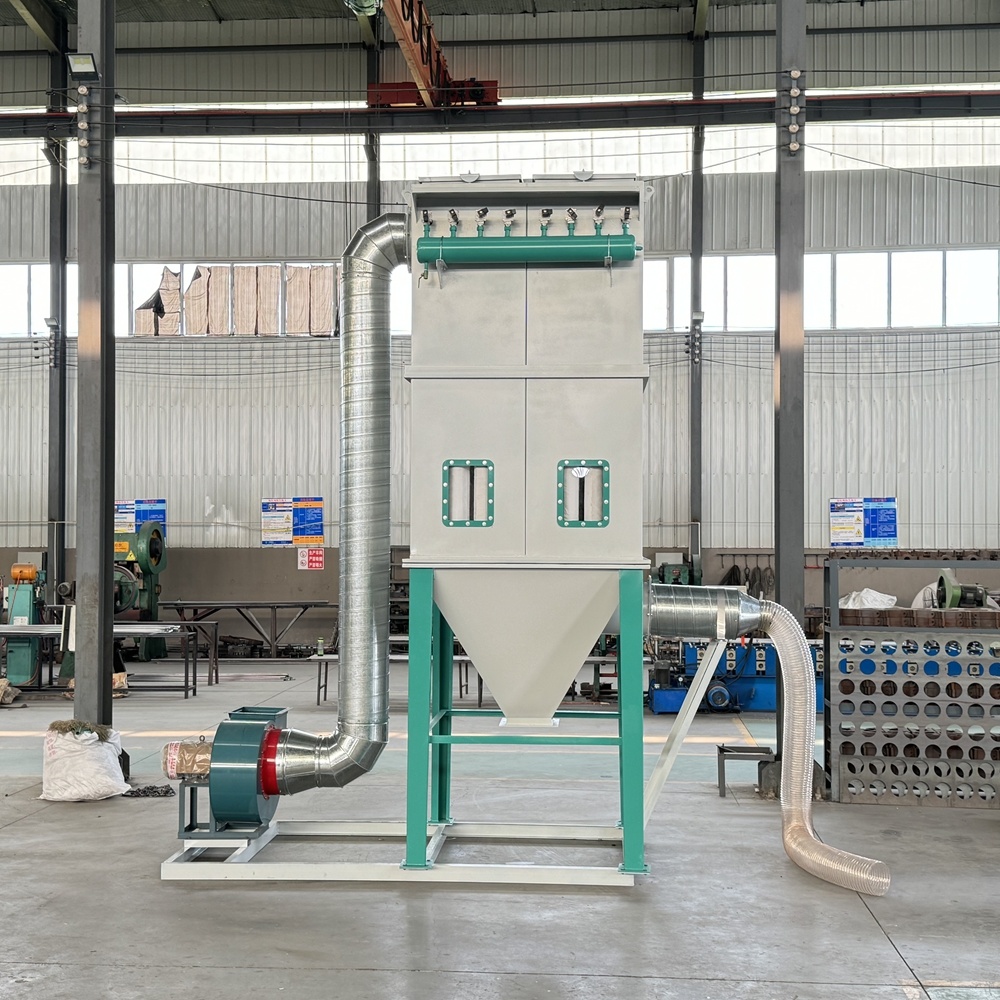
In industrial dust control systems, the compatibility between the dust collector body and supporting accessories directly determines the overall dust removal efficiency, operational stability, and service life. Blindly selecting or improperly matching equipment outside of working conditions, even if high-performance equipment is selected, may still result in high energy consumption, substandard emissions, and increased maintenance costs. This article starts from the core of working condition adaptation, disassembles the scientific matching logic and key selection points of dust collectors and accessories, and helps to achieve maximum system operating efficiency.
1、 Core prerequisite for selection: Clarify the working condition parameters and governance requirements
The combination of dust collectors and accessories should be based on a precise understanding of the working conditions, and the core parameters directly determine the selection direction to avoid conflicts in later adaptation. The key parameters include: dust properties (particle size distribution, humidity, temperature, corrosiveness, flammability and explosiveness), processing air volume, inlet dust concentration, outlet emission requirements, as well as on-site installation space, energy consumption budget, etc.
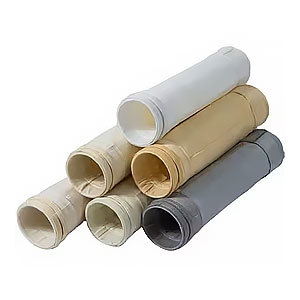
For example, under high temperature and high humidity conditions, if ordinary polyester filter bags are used in combination with bag filters, problems such as bag sticking and accelerated aging of filter bags may occur; In scenarios containing acidic and alkaline corrosive dust, it is necessary to synchronously adapt the dust removal skeleton and pulse valve made of anti-corrosion materials, otherwise the loss of accessories will directly affect the continuous operation of the dust collector. Only by clarifying the working condition boundary can precise matching of "equipment+accessories" be achieved.
2、 Scientific matching techniques for mainstream dust collectors and core components
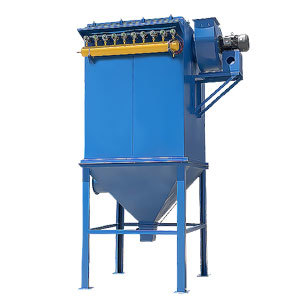
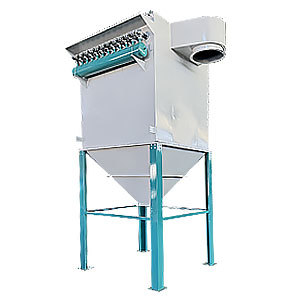
(1) Bag filter: filter material and dust cleaning accessories as the core
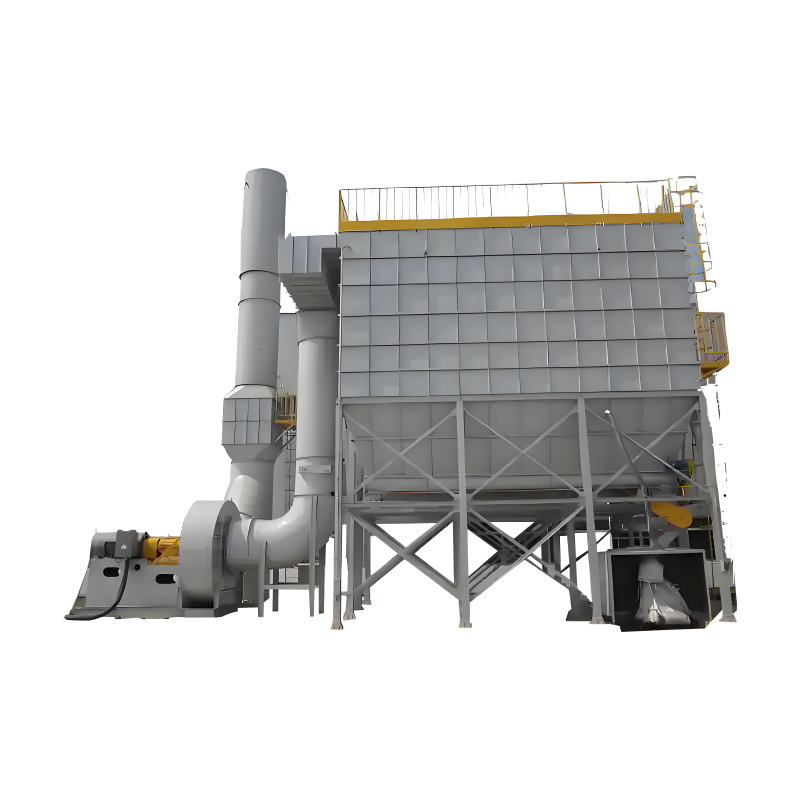
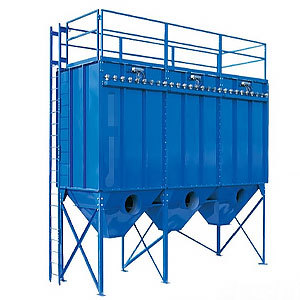
Bag filters rely on filter bags to filter dust, and the key to matching is the coordinated adaptation of filter bags, dust removal skeletons, and electromagnetic pulse valves. The material of the filter bag should correspond to the working conditions: polyester and polypropylene filter bags can be selected for dry dust at room temperature; Suitable for high temperature (above 200 ℃) scenarios with Flumes and PPS filter bags; For anti-static requirements, anti-static filter bags should be selected to avoid dust accumulation and spark generation.
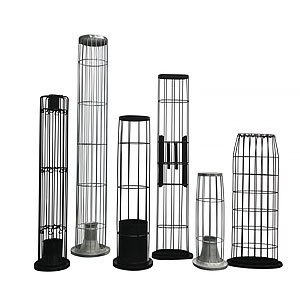
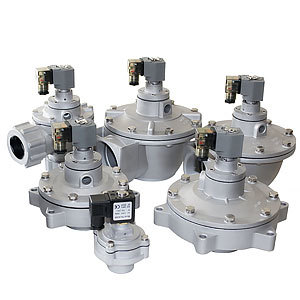
The dust removal skeleton needs to be accurately matched with the size of the filter bag, and the galvanized and sprayed surface of the skeleton needs to be adapted to corrosive working conditions. The welding joints should be smooth and free of burrs to prevent scratching the filter bag. As the core of the dust cleaning system, the electromagnetic pulse valve needs to be selected according to the number of filter bags and blowing pressure. The right angle pulse valve is suitable for small and medium-sized systems, while the submerged pulse valve is suitable for high air volume and high pressure scenarios. At the same time, the sealing between the pulse valve and the blowing pipe should be ensured to avoid leakage of dust cleaning airflow.
(2) Electrostatic precipitator: electrode accessories and power supply system adaptation
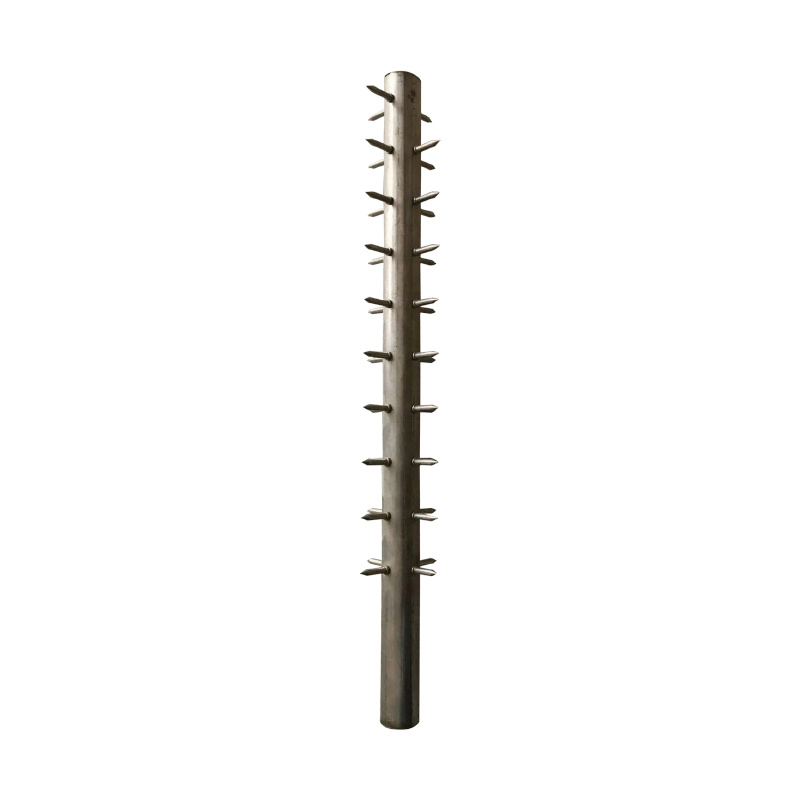
The electrostatic precipitator captures dust through electrode discharge, with a focus on matching the barbed wire, electrode plate, and power supply device. The material and structure of the barbed wire should be combined with the dust specific resistance: for high specific resistance dust, stainless steel barbed wire with high spike density should be selected to enhance the discharge intensity; Carbon steel barbed wire can be used for low-temperature conditions, balancing cost and conductivity.
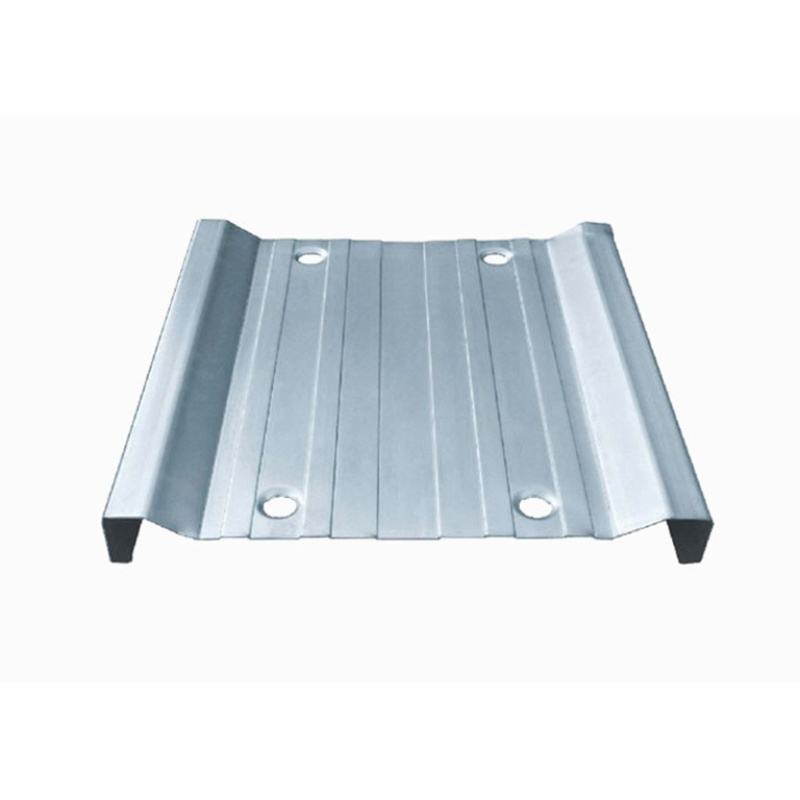
The spacing between the electrode plates should be adapted to the power supply voltage, with a conventional spacing of 150-300mm. The voltage setting should be adjusted in conjunction with dust concentration to avoid back corona phenomenon. At the same time, it is necessary to equip it with a suitable dust cleaning device to ensure timely removal of dust from the electrode plates and barbed wires, and prevent dust accumulation from affecting discharge efficiency.
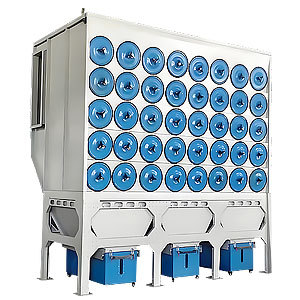
(3) Filter cartridge dust collector: filter element and sealing accessories compatible
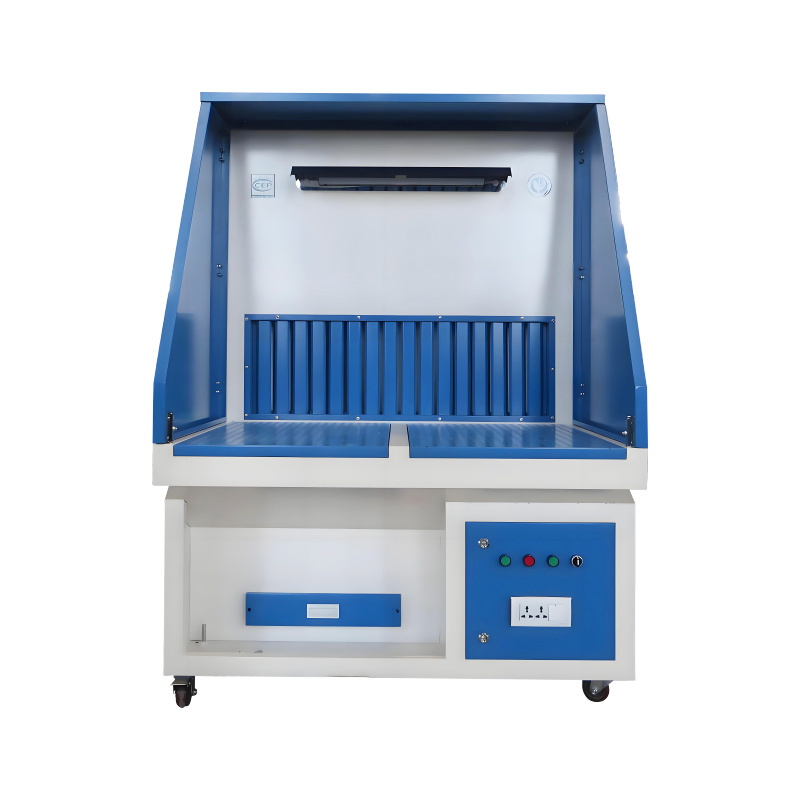
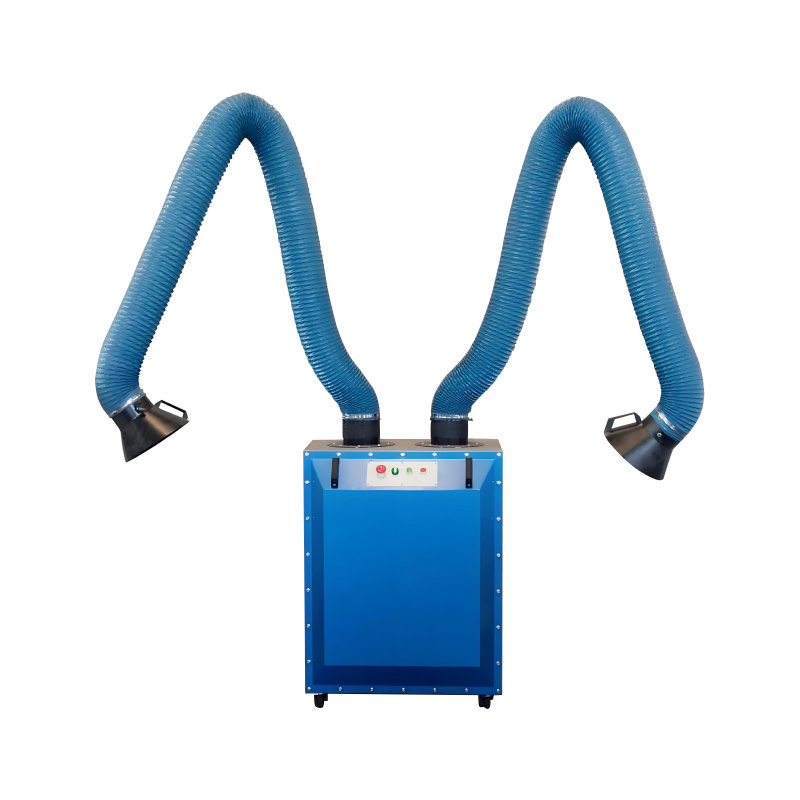
The compact size of the filter cartridge dust collector is suitable for small and medium-sized workshops, with the core consisting of a filter element and sealing components. The material of the filter element should correspond to the dust precision: PTFE coated filter element can be selected for fine dust (particle size ≤ 10 μ m); Welding fumes and other viscous dust are compatible with flame-retardant filter cartridges. The wrinkle density of the filter element should be matched with the processing air volume to avoid damage to the filter element caused by high air speed.
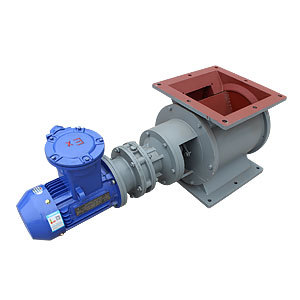
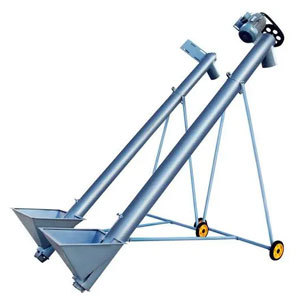
Seals (sealing rings, gaskets) should be made of temperature resistant and corrosion-resistant materials, suitable for the working environment, to prevent short circuit leakage of dusty airflow and reduce filtration efficiency. In addition, small filter cartridges can be paired with small star shaped unloaders to ensure stable discharge of collected dust and avoid secondary dust.
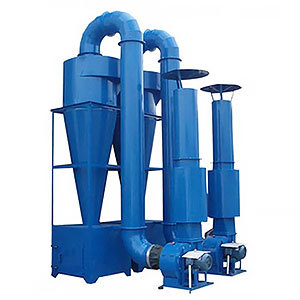
(4) Cyclone Dust Collector: Structural Accessories and Pre treatment Requirements Adaptation
Cyclone dust collectors are commonly used for coarse dust pretreatment, with a focus on the cylinder structure and discharge accessories. The diameter and cone angle of the cylinder need to be adjusted according to the processing air volume and dust particle size: for large particle size dust (≥ 50 μ m), a large-diameter cylinder can be selected to improve the centrifugal separation effect; The cone angle is generally 20-30 °, and if it is too small, it can easily lead to dust accumulation.
The unloading end needs to be equipped with a star shaped unloader to ensure air lock unloading and prevent external air backflow from affecting separation efficiency. If used in high-temperature conditions, the cylinder body needs to be insulated and equipped with heat-resistant material discharge accessories to avoid dust agglomeration and blockage caused by low-temperature condensation.
(5) Spray tower and auxiliary equipment: packing and nozzle adaptation
Spray towers are commonly used for purifying dusty exhaust gases, with the core consisting of fillers, nozzles, and circulation systems. The filling material needs to be adapted to the corrosiveness of exhaust gas: PP and PVC filling materials can be selected for acidic and alkaline exhaust gas; Ceramic fillers adapted for high-temperature exhaust gas. The specific surface area and porosity of the filler should be matched with the spraying amount to improve the gas-liquid contact efficiency.
The nozzle model should be selected based on the spray pressure and coverage range: atomizing nozzles should be used in high-pressure scenarios to enhance dust capture capabilities; Spiral nozzles are selected for high flow scenarios to ensure even spraying. At the same time, it is necessary to equip it with a suitable defogger to avoid the discharge of exhaust gas with water, which may affect the subsequent operation of the equipment.
3、 Key principles for accessory selection: balancing adaptability and long-term effectiveness
(1) Prioritize adapting materials to working conditions and reject a one size fits all approach
The material of accessories directly determines their service life and operational stability, and requires targeted selection. For example, under sulfur-containing dust conditions, stainless steel materials should be used for electromagnetic pulse valves and dust removal skeletons to avoid corrosion; The food processing industry requires the use of sanitary grade stainless steel fittings that meet cleanliness requirements; Under high temperature conditions, all accessories that come into contact with dust must have high temperature resistance to prevent deformation and aging.
(2) Accurately match specifications and equipment to avoid "overusing" or "overusing small materials"
The specifications of the accessories should strictly correspond to the parameters of the dust collector body: the injection volume of the electromagnetic pulse valve should match the number and diameter of the filter bags. If it is too large, it can easily cause energy waste, and if it is too small, it will result in incomplete dust cleaning; The processing capacity of the star shaped unloader needs to be adapted to the ash discharge capacity of the dust collector to avoid overloading and jamming; The length and diameter of the dust removal skeleton should be completely compatible with the filter bag to prevent the filter bag from deviating and affecting the filtration.
(3) Prioritize system collaboration and take into account later maintenance
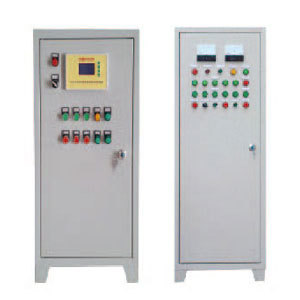
The selection of accessories should take into account the coordination with dust collectors, pipelines, and control systems. For example, the pulse valve, spray pipe, and controller of the ash cleaning system need to be fully adapted to ensure accurate timing of ash cleaning; In the context of automated operation and maintenance, it is necessary to select accessories that can be connected to the PLC system to achieve remote monitoring and fault warning. At the same time, priority should be given to selecting accessories with simple structures and easy disassembly, in order to reduce the difficulty and cost of maintenance in the later stage.
4、 Efficiency maximization optimization strategy: full process control from matching to operation and maintenance
(1) Optimize the parameters of the dust cleaning system, balance the dust cleaning effect and filter material loss
The frequency and pressure of dust cleaning need to be dynamically adjusted according to the working conditions: when the dust concentration is high, the frequency of dust cleaning can be appropriately increased, but it is necessary to avoid excessive dust cleaning leading to filter bag wear; Under low concentration dust conditions, the cleaning pressure can be reduced and the service life of the filter bag can be extended. The spraying timing of the electromagnetic pulse valve needs to match the arrangement of the filter bags to ensure that each filter bag is cleaned evenly.
(2) Strengthen sealing design to prevent airflow leakage
System leakage is an important cause of efficiency decline, and it is necessary to strengthen sealing in accessory matching. High quality sealing components should be selected and regularly inspected and replaced at the flange connection of the dust collector, the connection between the filter bag and the flower plate, and the connection between the unloader and the cylinder; The pipeline interface is reinforced with welding or sealant to prevent short circuits caused by dusty airflow.
(3) Establish full lifecycle management of accessories and predict losses in advance
The wear cycle of different accessories varies, and a targeted maintenance plan needs to be developed: filter bags and filters need to be replaced in a timely manner according to changes in pressure difference; The diaphragm of the electromagnetic pulse valve needs to be regularly inspected to avoid aging and leakage; The barbed wire and electrode plate need to be regularly cleaned of accumulated dust and checked for discharge performance; The bearings and seals of the star shaped unloader need to be lubricated and replaced regularly to ensure smooth operation. By predicting losses in advance, system downtime caused by component failures can be avoided, ensuring continuous and efficient operation.
5、 Common collocation misconceptions and avoidance methods
Misconception 1: Blindly pursuing high-end accessories and neglecting adaptability to working conditions. In some scenarios, the performance advantages of high-end accessories cannot be fully utilized, but instead increase costs. For example, using imported high-temperature resistant filter bags for drying dust at room temperature is purely a waste of resources. Avoidance method: Taking working condition parameters as the core and selecting according to needs, rather than simply pursuing brand and price.
Misconception 2: Only focus on the dust collector body and ignore the quality of accessories. Poor quality accessories can easily lead to frequent system failures, such as low-quality pulse valves that are prone to leakage, directly affecting the cleaning effect and resulting in excessive emissions. Avoidance method: The accessories and the body should be selected with the same quality standards, and products that have been verified through working conditions should be prioritized.
Misconception 3: Parts specifications do not match the system, forced assembly. For example, the combination of small-diameter nozzles with high flow spray systems results in poor atomization effects and low dust capture efficiency. Avoidance method: Before selecting, check the equipment parameters and accessory specifications, and consult professional technicians if necessary to ensure complete compatibility.
The scientific combination of dust collectors and accessories is the core prerequisite for maximizing dust control efficiency, and its essence is the precise balance between operating conditions, equipment performance, and accessory characteristics. The combination of selection that deviates from working conditions will only lead to an imbalance in system operation; Only by taking the working conditions as the basis and following the principles of adaptability, long-term effectiveness, and synergy can the dust removal system achieve stable, efficient, and low consumption operation. At the same time, the operation and maintenance control of the entire process and the avoidance of misunderstandings are also key to extending the system's lifespan and maintaining efficiency stability, and need to be continuously optimized and adjusted in practical applications.
Hot Tags:


Contact Us
Tel:
WeChat:
WhatsApp:
E-mail:
Address:
338 National Road South, Longfengdian Village, Botou City, Hebei Province, China
JiuznTomine is expertly delivering technically complicated projects in markets & provides custom solutions for their customized need.


CONTACT INFO
Tel: +86 18531710311
WeChat: +86-18531710311
338 National Road South, Longfengdian Village, Botou City, Hebei Province, China