


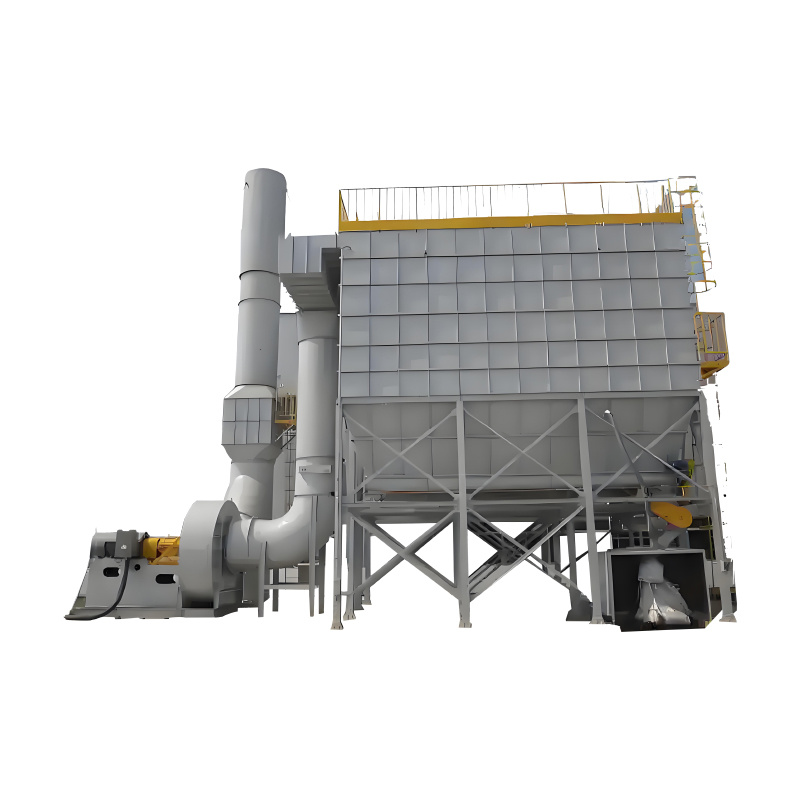
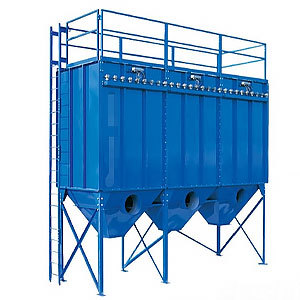
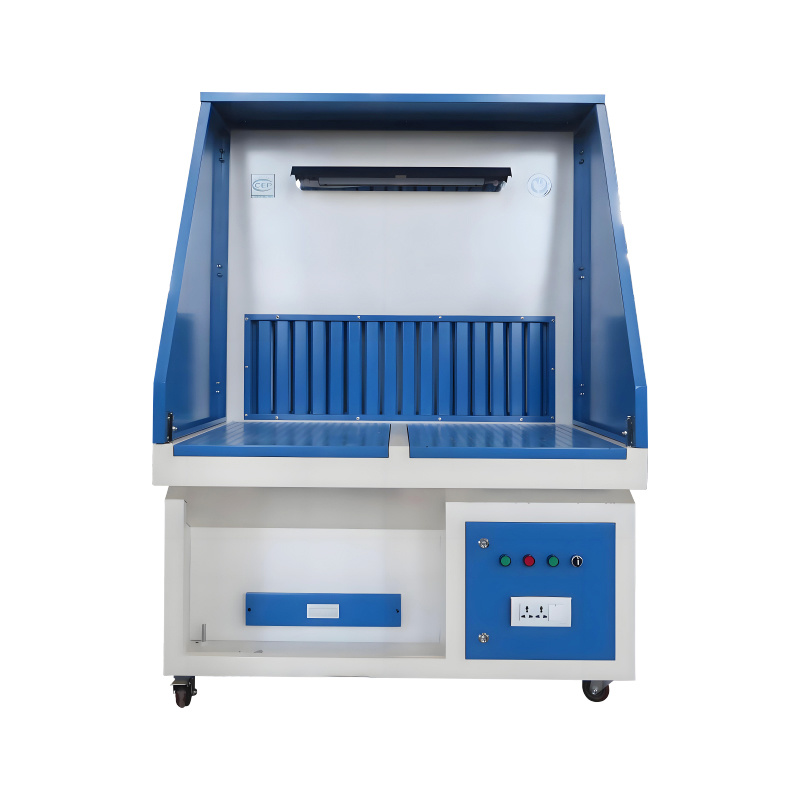
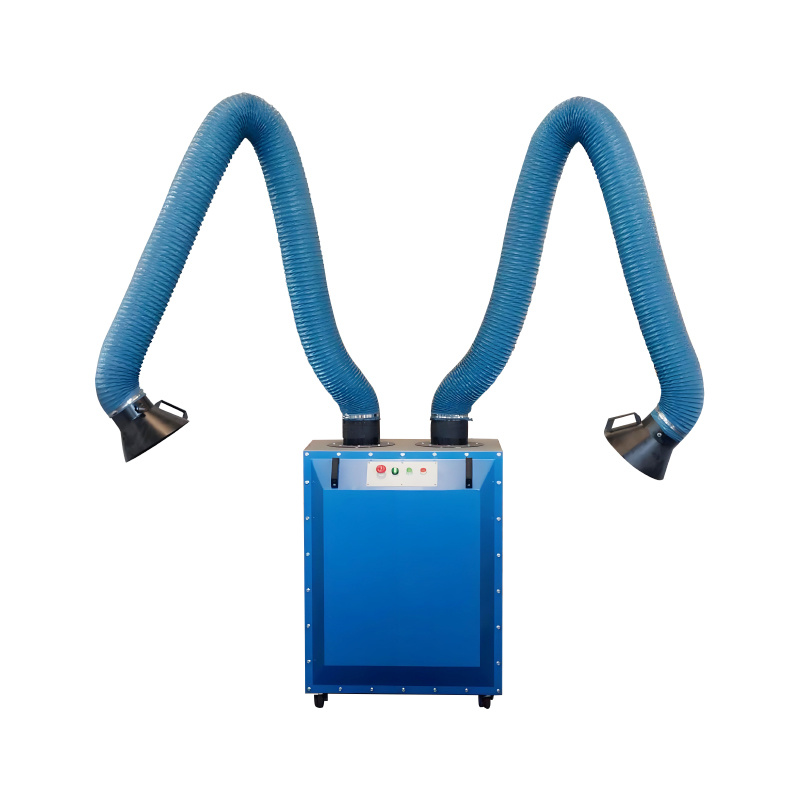









The core performance advantages and multi working condition adaptation characteristics of the polishing and dust removal workbench
Jan 09,2026

In the polishing process of industrial production, dust pollution not only threatens the occupational health of operators, but also may cause safety hazards and affect product processing accuracy. As a professional equipment that integrates operation platform and dust purification function, the polishing and dust removal workbench, with its unique structural design and performance advantages, can effectively solve dust control problems under different working conditions and become a key supporting equipment in various industries' polishing processes. This article will provide a detailed analysis of its core performance advantages and explore its adaptation logic under different operating conditions.
1、 Core performance advantages of polishing and dust removal workbench
1. Efficient dust purification to ensure air cleanliness
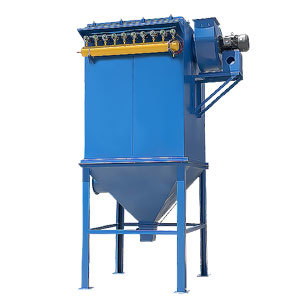
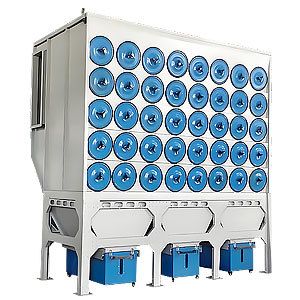
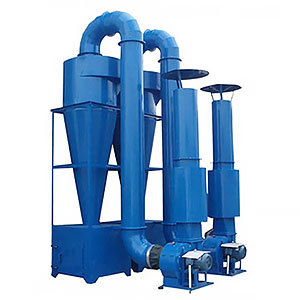
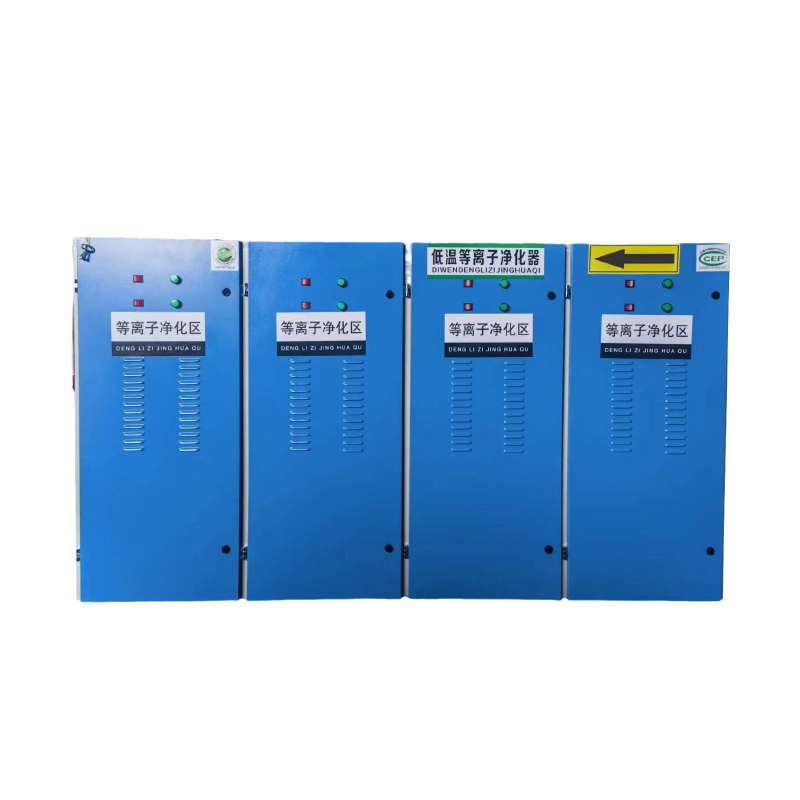
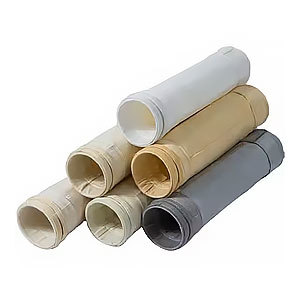
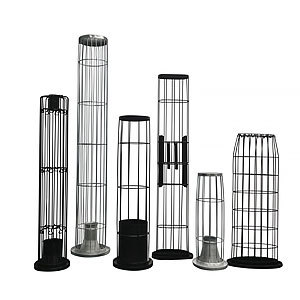
The core advantage of polishing and dust removal workbench lies in its efficient capture and purification of dust. The equipment commonly adopts high-precision filtration systems, and the mainstream configuration of PTFE polyester fiber coated filter cartridges can achieve precise interception of fine dust particles of 0.3 μ m and above. The purification efficiency generally reaches over 99%, and some high-precision models can even reach 99.9%, which can effectively control the diffusion of fine dust such as PM2.5. Its working principle is to generate negative pressure through a fan, which sucks the dust generated by polishing into the purification system from the source. Large particles of dust naturally settle after colliding with the guide plate, while small particles are intercepted by the filter material. The purified air can be directly circulated indoors without the need for additional ventilation ducts, ensuring a clean working environment and reducing energy consumption.
2. Stable operation design to reduce maintenance costs
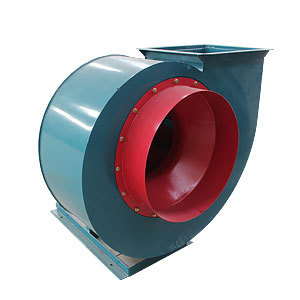
In terms of structural stability, the main body of the equipment is mostly made of carbon steel with a thickness of over 2mm. After precision welding and electrostatic spraying treatment, it not only has sufficient structural strength to withstand collisions and vibrations during polishing operations, but also has good anti-corrosion performance, which can significantly extend the service life of the equipment. The reliability design of core components is equally crucial. The fan is selected as an efficient centrifugal model, which runs smoothly and has excellent noise control. The noise level of most equipment can be controlled below 75dB (A), and some high-precision models can even be lower than 70dB (A), reducing the interference of noise on the working environment.
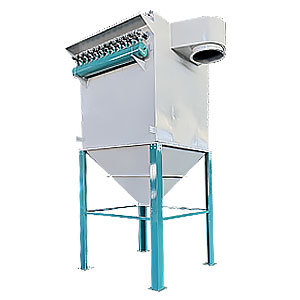
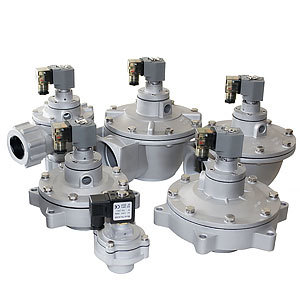
The automation design of the dust cleaning system further enhances operational stability. The mainstream pulse cleaning method uses compressed air with a pressure of 0.4-0.6MPa to periodically blow onto the surface of the filter material, which can automatically and efficiently remove attached dust, ensuring that the filter material always maintains good filtering performance and reducing the frequency and workload of manual cleaning. Some models are equipped with drawer style dust collectors, which adopt a sealed design, which not only facilitates the rapid cleaning of dust, but also avoids secondary pollution during the cleaning process.
3. Complete safety protection and compliance with industrial standards
The equipment is equipped with multiple protective measures to address potential safety risks during polishing operations. Protective barriers are installed around the workbench to effectively block sparks and splashes generated during the polishing process. Some barriers are equipped with bounce switches that can be opened and closed at 90 degrees, balancing protection and convenient loading and unloading. The electrical system adopts designs such as leakage protection and overload protection. Some models that handle flammable and explosive dust are also equipped with fire-resistant isolation layers, fireproof nets, and nitrogen inerting devices, which comply with the relevant requirements of the "Dust Explosion Prevention Safety Regulations for Industrial and Commercial Enterprises" and avoid safety accident risks from the source.
4. Humanized design to improve homework efficiency
The device fully considers the principles of ergonomics in terms of ease of operation, and the height of the workbench has been optimized to reduce fatigue for operators working for long periods of time. The size of the countertop can be customized according to the working conditions, with various specifications ranging from 1000mm × 1200mm to 2000mm × 800mm, providing sufficient operating space for workpieces and polishing tools of different sizes. Some models support dual station or multi station simultaneous operation, with a compact structure and small footprint, suitable for the spatial layout requirements of small and medium-sized processing workshops.
2、 Multi working condition adaptation characteristics of polishing and dust removal workbench
The adaptability of the polishing and dust removal workbench lies in the customization of parameters and structural adjustments to match the dust characteristics, work intensity, and spatial conditions of different industries' polishing operations. The following is an adaptation analysis of typical operating conditions:
1. Metal processing conditions
The core dust characteristics of metal processing are fine particles and high density. Some metal dust has flammable and explosive properties, and the dust concentration can usually reach 80-300mg/m ³. The grinding and dust removal workbench suitable for such working conditions needs to focus on strengthening its explosion-proof performance and filtration accuracy: using explosion-proof fans and electronic control systems, equipped with spark arresters and inerting devices; Select PTFE coated filter cartridges to ensure efficient filtration of metal dust above 0.3 μ m; Design a higher processing air volume to ensure that dust can be quickly captured and prevent the accumulation of explosive hazards.
2. Woodworking processing conditions
The dust generated by woodworking polishing is mainly composed of wood fibers and resin particles, which have strong moisture absorption and are prone to clogging filter materials. The dust particle size distribution is also wide. The compatible model needs to have a large dust holding capacity and convenient dust cleaning function: choose filter materials with good breathability, and pair them with high-frequency pulse dust cleaning system to avoid filter material blockage; The workbench adopts a multi-directional suction design to ensure that there are no blind spots for wood dust to escape; The dust collection box adopts a large capacity drawer design to reduce the workload of frequent cleaning. In the application of such equipment in furniture manufacturing enterprises, the concentration of PM10 can be reduced to below 2mg/m ³, significantly improving the air quality in the workshop. At the same time, the recovered wood dust can be utilized as a resource.
3. Precision machining conditions (3D printing, precision molds)
The working conditions of 3D printing workpieces such as mud filling and polishing, precision mold polishing, etc. have the characteristics of fine dust particle size (1-10 μ m), small dust volume, and compact working space, which require high filtration accuracy and spatial adaptability of the equipment. The compatible models usually adopt a miniaturized design, with a processing air volume controlled between 800-1500m ³/h to avoid energy waste and workpiece displacement caused by high air volume; Select HEPA high-efficiency filters to ensure a filtration efficiency of ≥ 99.9%, meeting the cleanliness requirements of precision machining environments; The countertop is made of porous stainless steel material to ensure even distribution of negative pressure and prevent local dust from escaping; Equipped with manual vibration dust cleaning function, balancing dust cleaning effect and maintenance convenience.
4. Automotive maintenance and parts processing conditions
The working conditions of car wheel hub polishing and component polishing have the characteristics of dispersed equipment, multiple workstations, and complex dust composition, which require high flexibility and compatibility of the equipment. The compatible models often adopt modular design, which can be configured with distributed suction arms according to the number of workstations, with a coverage radius of up to 3m, achieving simultaneous dust removal at multiple workstations; Using nanofiber filter cartridges, the dust holding capacity is increased by 40% compared to traditional filter materials, extending the filter material replacement cycle; Equipped with an intelligent frequency conversion system, the air volume can be automatically adjusted according to the dust concentration, reducing energy consumption.
5. Other special working conditions
In stone processing, pharmaceutical auxiliary material polishing and other working conditions, equipment can be adapted by customizing filter material types: stone processing dust has high hardness and strong wear resistance, and wear-resistant filter materials are selected; Medical processing requires high hygiene standards, using food grade stainless steel materials and disinfectable filter materials. In laboratory polishing operations that require strict air quality, ultra-high precision filtration machines can be selected to ensure that the purified air meets medical grade cleanliness standards.
The core value of the polishing and dust removal workbench lies in solving the problem of polishing dust pollution from the source through the comprehensive advantages of efficient purification, stable operation, safety protection, and humanized design. Its multi working condition adaptability is achieved through parameter customization, structural optimization, and component selection, which can accurately match the dust characteristics and operational requirements of different industries. In the context of the transformation of industrial production towards green and safe production, the reasonable selection of grinding and dust removal workbenches that are suitable for working conditions can not only ensure the occupational health of operators, reduce safety risks, but also improve production efficiency and help enterprises achieve environmental compliance and sustainable development.
Hot Tags:
PREVIOUS:


Contact Us
Tel:
WeChat:
WhatsApp:
E-mail:
Address:
338 National Road South, Longfengdian Village, Botou City, Hebei Province, China
JiuznTomine is expertly delivering technically complicated projects in markets & provides custom solutions for their customized need.


CONTACT INFO
Tel: +86 18531710311
WeChat: +86-18531710311
338 National Road South, Longfengdian Village, Botou City, Hebei Province, China