











Core skills for operation and maintenance of electrostatic precipitators and strategies for improving dust collection efficiency
Jan 09,2026

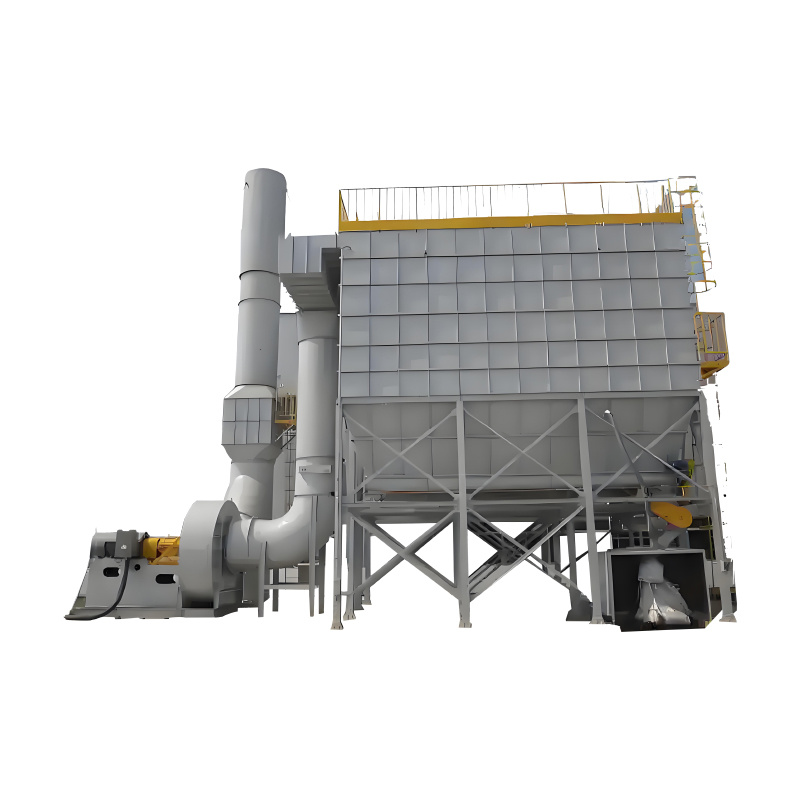
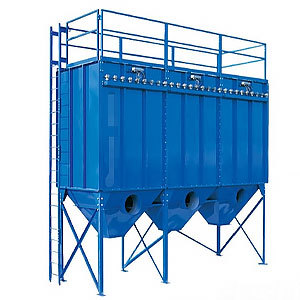
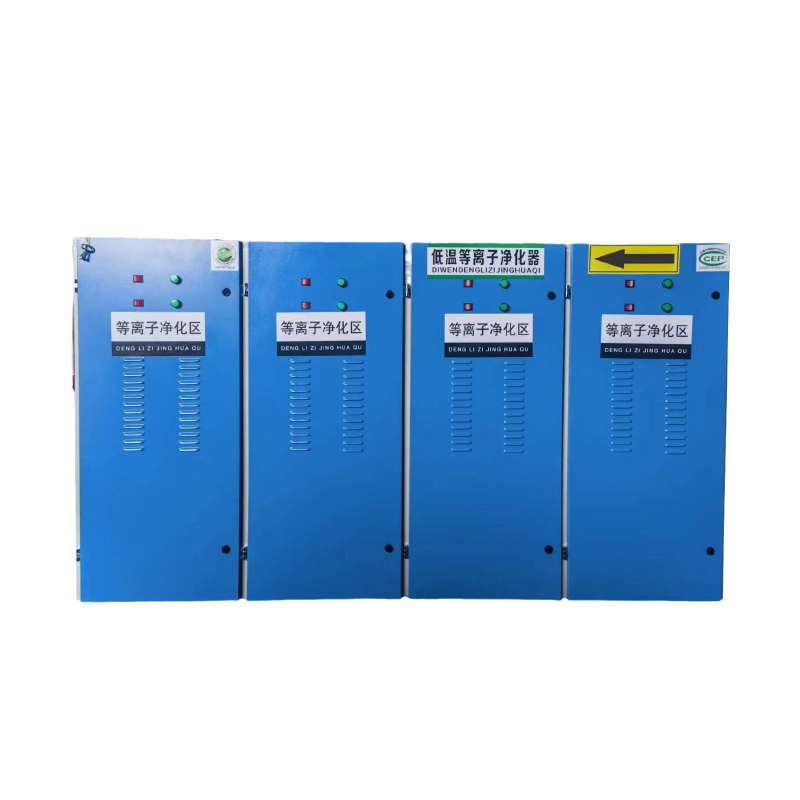
As a key equipment in the field of industrial flue gas purification, electrostatic precipitators are widely used in multiple industries such as power, metallurgy, building materials, and chemical industry due to their advantages of large air volume, low pressure loss, and high purification efficiency. The core working principle is to charge dust particles through a high-voltage electrostatic field, and then collect them on the electrode under the action of electric field force, achieving the separation of dust and smoke. However, the operational effectiveness of electrostatic precipitators is highly dependent on standardized operation and maintenance management. Unreasonable operation and maintenance not only lead to a decrease in dust collection efficiency, but may also shorten the service life of the equipment and increase energy consumption.
1、 Core operation and maintenance skills for electrostatic precipitators
1. Daily inspection: Build a solid foundation for stable operation of equipment
Daily inspection is the key to timely discovering equipment hazards, and it is necessary to establish a standardized inspection process, focusing on the following core areas:
One is the high-voltage power supply system, which checks the operating status of rectifier transformers, high-voltage cables, insulators and other components to see if there are any abnormal conditions such as discharge, heating, and abnormal noise. At the same time, it records the numerical changes of secondary voltage and secondary current to ensure that they are within the normal fluctuation range;
The second is the polar plate and polar wire system. By observing holes or online monitoring devices, check whether the polar plate is deformed or offset, whether the polar wire is loose, broken, or nodular. If the above problems occur, they should be dealt with in a timely manner to avoid affecting the uniformity of the electric field;
The third is the airflow distribution device, which checks whether the airflow distribution plate and guide plate are blocked or deformed, ensuring that the flue gas can enter the electric field evenly and avoiding the escape of dust caused by high local airflow velocity;
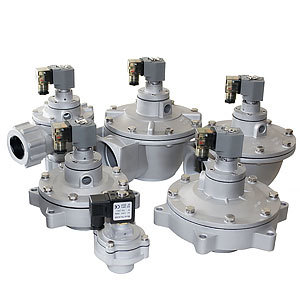
The fourth is the ash cleaning and discharge system. Check whether the operating frequency and amplitude of the vibration device are normal, whether the electromagnetic pulse valve is leaking, whether the ash discharge screw conveyor and ash hopper level gauge are working properly, to prevent excessive ash accumulation in the ash hopper from causing bridging or blockage.
It is recommended to adopt a "daily routine inspection+weekly key investigation+monthly comprehensive inspection" mode for the inspection cycle, record equipment operating parameters and inspection results daily, establish operation and maintenance files, and provide data support for subsequent fault diagnosis and performance optimization.
2. Maintenance of key components: Extend service life and ensure operational efficiency
(1) Maintenance of high-voltage power supply equipment: Regularly conduct insulation resistance tests on rectifier transformers, check the oil quality and level of the insulation oil in the oil tank, and replace or replenish it in a timely manner if the oil quality deteriorates or the oil level is too low; Clean the dust inside the high-voltage control cabinet, check whether the contacts of electrical components such as contactors, relays, fuses, etc. are intact, whether the wiring is firm, and avoid unstable power supply due to poor contact; Regularly calibrate voltage and current monitoring instruments to ensure accurate measurement.
(2) Maintenance of polar plates and wires: Regularly clean the polar plates and wires based on dust characteristics and operating time to remove dust nodules and corrosion products attached to the surface. For highly corrosive flue gas conditions, anti-corrosion coatings or corrosion-resistant materials such as electrode plates and wires can be used; If the electrode plate is found to be deformed, hydraulic correction or mechanical correction can be used to repair it. If the electrode wire is loose or broken, it should be replaced in a timely manner. After replacement, the spacing between the electrode plate and the electrode wire should be adjusted to ensure uniform and consistent spacing.
(3) Maintenance of insulation components: Insulators and insulation sleeves are key insulation components that ensure the normal operation of high-voltage electric fields. They need to maintain a clean and dry surface to avoid dust accumulation and condensation, which can lead to a decrease in insulation performance. Compressed air can be used to regularly blow away dust on the surface of insulators in daily life. If the environmental humidity is high, heating devices can be installed around the insulation components to control the relative humidity of the environment below 60%; Regularly check the insulation resistance of insulators. If the insulation resistance is lower than the specified value, it should be replaced in a timely manner.
(4) Maintenance of ash cleaning and discharge system: Regularly check the operation status of the vibration motor, lubricate the bearings, and ensure the smooth operation of the vibration device; Adjust the vibration frequency and cycle, optimize the vibration parameters based on the specific resistance, adhesion, and other characteristics of dust, to avoid dust accumulation caused by insufficient vibration intensity or secondary dust caused by excessive vibration intensity; Check whether the diaphragm of the pulse valve is aging or damaged. If there is any air leakage, it should be replaced in a timely manner to ensure stable dust cleaning pressure; Regularly clean the ash discharge pipeline, inspect the transmission components of the ash discharge equipment, ensure smooth ash discharge, and prevent ash accumulation and overflow from the ash hopper.
3. Adaptability adjustment of working conditions: responding to fluctuations in flue gas parameters
In industrial production, parameters such as temperature, humidity, dust concentration, and dust specific resistance of flue gas will fluctuate with changes in production load. It is necessary to adjust equipment operating parameters in a timely manner to adapt to changes in working conditions. When the temperature of the flue gas increases, the high-voltage power supply voltage can be appropriately reduced to avoid corona sealing phenomenon; When the humidity of the flue gas increases, it is necessary to strengthen the moisture-proof measures of the insulation components and adjust the cleaning cycle to prevent dust from sticking to the electrode plates; When the dust concentration in the flue gas is too high, the pre dust collector can be turned on first to reduce the concentration of dust entering the electrostatic precipitator and avoid a decrease in corona current caused by high dust concentration; When the specific resistance of dust is too high or too low, it can be adjusted by adding a conditioning agent to the flue gas to ensure that the dust can be effectively charged and collected.
2、 Strategies for improving dust collection efficiency
1. Optimize electric field parameters: improve dust charging and collection capabilities
The reasonable setting of electric field parameters directly affects the efficiency of dust collection. The core optimization directions include: firstly, adjusting the high-voltage power supply mode, adopting pulse power supply or intermittent power supply mode. Compared with traditional DC power supply, it can effectively improve the corona current density, enhance the dust charging effect, and reduce energy consumption, especially suitable for the collection of high specific resistance dust; The second is to optimize the secondary voltage and current. Based on the characteristics of dust and smoke parameters, the optimal secondary voltage and current values are determined through experiments to avoid frequent spark discharge caused by high voltage or insufficient dust charging caused by low voltage; The third is to adopt a multi electric field series design, dividing the electrostatic precipitator into 2-4 series connected electric fields, each with different power supply parameters, to achieve graded collection of dust particles of different sizes. Fine particulate dust is further captured in subsequent electric fields, thereby improving overall collection efficiency.
2. Improve airflow distribution: avoid dust escape
Uneven airflow distribution is an important cause of dust escape and decreased collection efficiency, which can be optimized through the following measures: firstly, installing efficient airflow distribution plates at the inlet of the electrostatic precipitator, and adjusting the number, aperture, and installation angle of the distribution plates according to the airflow simulation results to ensure that the flow velocity of the flue gas entering the electric field is uniform, and the flow velocity deviation is controlled within ± 10%; Secondly, guide plates and baffles are installed inside the electric field to guide the direction of airflow in areas where vortices and blind spots are prone to occur, avoiding excessive local flow velocity; The third is to regularly clean the dust accumulation on the airflow distribution plate and guide plate to prevent dust accumulation from blocking the airflow channel and damaging the uniformity of the airflow.
3. Targeted treatment of dust characteristics: solving the problem of collecting special dust
The characteristics of dust vary greatly in different industries, and targeted measures need to be taken to improve collection efficiency: for high specific resistance dust, in addition to using pulse power supply and adding conditioning agents, auxiliary electrodes can be set on the surface of the electrode plate to enhance the adsorption force of the electric field on the dust; For low specific resistance dust, the wind speed of the electric field can be appropriately reduced to extend the residence time of the dust in the electric field, while optimizing the cleaning cycle to avoid dust re entering the flue gas due to delayed cleaning; For dust with strong adhesion, it is necessary to increase the cleaning strength and frequency, and use high-temperature resistant and anti adhesion filter materials and electrode plate coatings to prevent dust from adhering to the electrode plate and electrode line and forming lumps.
4. Strengthen preprocessing and auxiliary purification: reduce the concentration of inlet dust
When the dust concentration in the flue gas is too high, a single electrostatic precipitator is difficult to achieve the ideal collection effect. Pre treatment equipment such as cyclone dust collectors, gravity dust collectors, etc. can be installed at the front end to remove most of the large particle dust and reduce the processing load of the electrostatic precipitator; For working conditions with a high proportion of fine particulate dust, a bag filter or wet dust collector can be added at the rear of the electrostatic precipitator to form a combined purification system of "electrostatic+bag" and "electrostatic+wet", achieving deep removal of fine particulate dust and ensuring that the dust emission concentration meets relevant standard requirements.
5. Establish an efficiency monitoring and optimization mechanism: dynamically adjust operation and maintenance strategies
Establish a comprehensive dust collection efficiency monitoring system, monitor the dust concentration at the inlet and outlet of the electrostatic precipitator in real time through online monitoring devices, calculate the collection efficiency, and timely analyze the reasons and adjust the operation and maintenance strategy when the efficiency is below the set threshold. At the same time, regular performance tests are conducted on the equipment to record the collection efficiency under different conditions by changing variables such as electric field parameters, cleaning cycle, and airflow velocity. A correlation model between equipment operating parameters and collection efficiency is established to provide data support for subsequent optimization adjustments. In addition, regular professional training is provided to operation and maintenance personnel to enhance their ability to judge equipment operation status and handle faults, ensuring that various optimization measures can be effectively implemented.
The efficient operation of electrostatic precipitators relies on standardized operation and maintenance management and scientific efficiency optimization strategies. Daily inspections and maintenance of key components are the foundation for ensuring stable equipment operation, while optimizing electric field parameters, improving airflow distribution, and targeted treatment of dust characteristics are the core means to improve dust collection efficiency. Industrial enterprises should develop personalized operation and maintenance plans based on their own production conditions and dust characteristics. Through dynamic monitoring and continuous optimization, the purification efficiency of electrostatic precipitators should be fully utilized to achieve efficient dust collection and standard emissions, while reducing equipment operation and maintenance costs and energy consumption, and helping enterprises achieve green and sustainable development.
Hot Tags:


Contact Us
Tel:
WeChat:
WhatsApp:
E-mail:
Address:
338 National Road South, Longfengdian Village, Botou City, Hebei Province, China
JiuznTomine is expertly delivering technically complicated projects in markets & provides custom solutions for their customized need.


CONTACT INFO
Tel: +86 18531710311
WeChat: +86-18531710311
338 National Road South, Longfengdian Village, Botou City, Hebei Province, China