











Deep analysis of bag filter, selecting the right industrial dust collector without stepping on pits
Jan 10,2026

In the context of global industrial green transformation, efficient dust removal equipment has become the core support for enterprises to achieve environmental standards and production optimization. Bag filters are widely used in various industrial fields such as mining, cement, chemical, metallurgical, and building materials due to their advantages of high filtration accuracy, wide adaptability to dust types, and stable operation. However, there are various types of bag filters on the market, and the differences in operating conditions make it difficult to select. A slight mistake may lead to problems such as substandard dust removal efficiency, high operating costs, and shortened equipment life.
1、 Core understanding: Definition and core advantages of bag filter
Bag filter is a dry dust removal equipment that uses filter materials to capture solid particles in dusty gases. The core working logic is to separate dust and gas through the screening, inertial collision, diffusion, adhesion and other effects of filter media, thereby achieving gas purification. Compared to other types of dust removal equipment such as electrostatic precipitators and cyclone dust collectors, bag filters have three core advantages:
1. High filtration accuracy: It can effectively capture fine dust with a particle size of 0.1 μ m or more, and the dust removal efficiency can generally reach over 99.9%, which can easily meet strict environmental emission requirements;
2. Wide adaptability: Whether it is dry, wet, low viscosity dust, or high concentration dust, efficient filtration can be achieved through reasonable selection, suitable for most industrial working conditions;
3. Stable operation and easy maintenance: The structure is relatively simple, and the core vulnerable part is the dust bag, which is easy to replace; At the same time, optimizing the ash cleaning system can ensure the long-term stable operation of the equipment and reduce the difficulty of operation and maintenance.
2、 Deep Disassembly: Core Composition and Working Principle of Bag Dust Collector
To achieve precise selection, it is necessary to first clarify the core composition and working logic of the bag filter, in order to avoid selection deviation due to insufficient understanding of the equipment.
1. Core components
The performance of a bag filter is determined by the collaboration of its various components, with key components including the following:
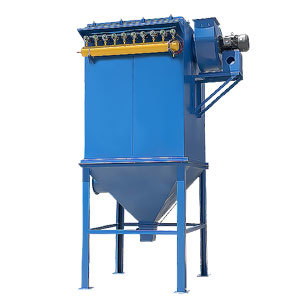
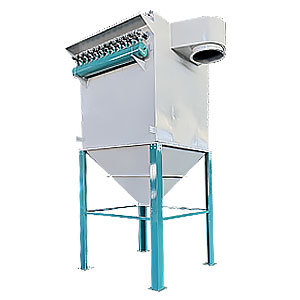
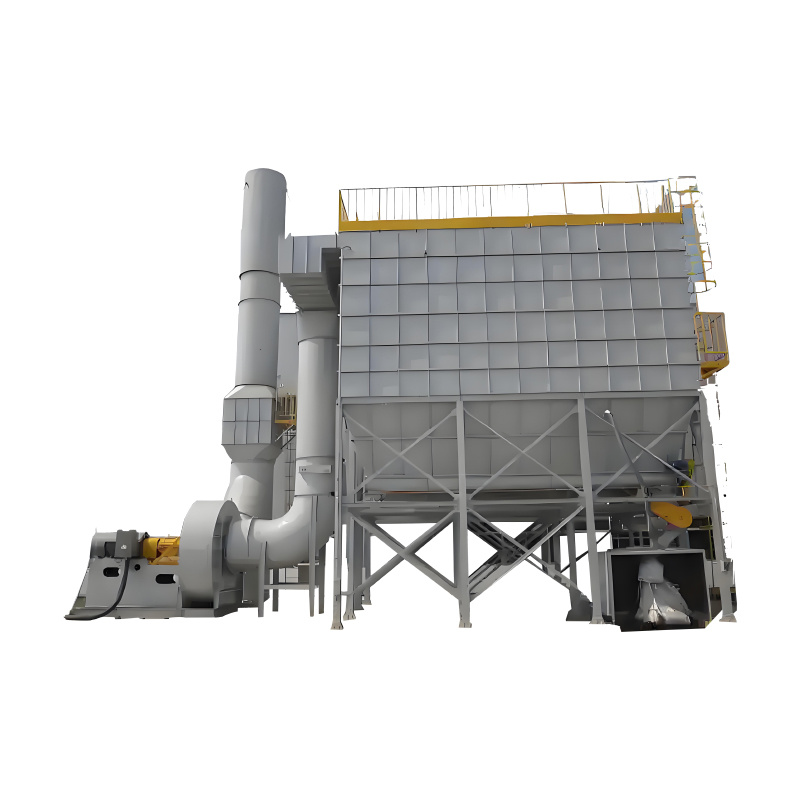
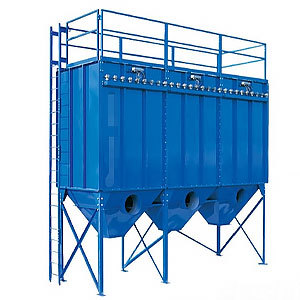
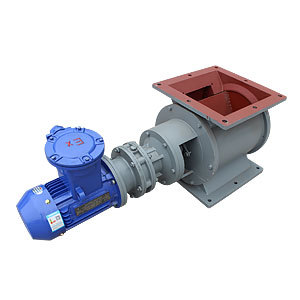
1. Box structure: divided into three parts: upper box (clean air chamber), middle box (filter bag chamber), and lower box (ash hopper). The box should have good sealing and pressure resistance to prevent the leakage of dusty gases; The ash hopper is used to collect separated dust and needs to be equipped with an ash unloading device to avoid dust accumulation and blockage.
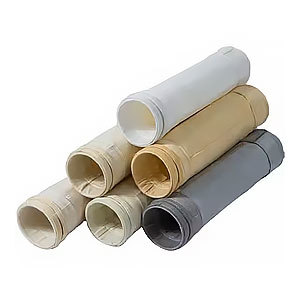
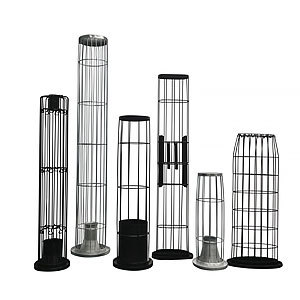
2. Filter bag system: including dust bag, filter bag skeleton, and flower board. Dust bag is the filtering core, and its material and structure directly determine the filtering effect and service life; The filter bag skeleton is used to support the bag and prevent it from collapsing under the action of airflow; Flower board is used to fix the filter bag and frame, while separating the clean air chamber from the filter bag chamber to ensure smooth air flow.
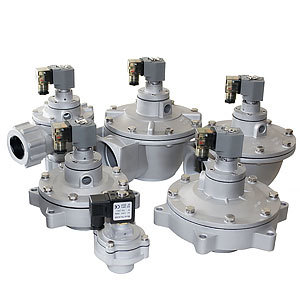
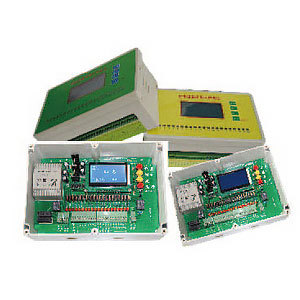
3. Dust cleaning system: The core function is to remove the accumulated dust on the surface of the filter bag, avoiding excessive resistance that affects operational efficiency. There are three common methods for cleaning dust: pulse jet cleaning, back blowing cleaning, and mechanical vibration cleaning. Among them, pulse jet cleaning is widely used in industrial scenarios due to its high cleaning efficiency and minimal damage to filter bags.
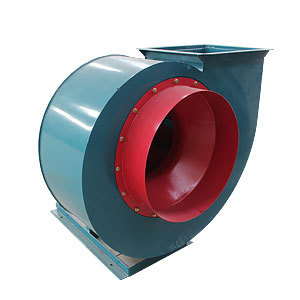
4. Air intake and exhaust system: The air intake system needs to be designed with a reasonable airflow distribution to avoid local airflow from quickly flushing the filter bag; The exhaust system is equipped with fans and chimneys. The fans provide power for gas flow, while the chimneys discharge purified gas into the atmosphere.
2. Core working principle
The working process of a bag filter can be divided into four core stages, with clear and logically coherent processes:
1. Entry of dusty gas: The dusty gas generated in industrial production enters the dust collector through the inlet pipe under the negative pressure of the fan;
2. Dust filtration and separation: The dust containing gas passes through the dust removal bag, and the dust particles are intercepted by the surface of the bag. The purified gas then enters the upper box;
3. Dust accumulation and cleaning: As the filtration process progresses, the dust layer on the surface of the filter bag gradually thickens, and the operating resistance of the equipment increases; When the resistance reaches the set threshold, the dust cleaning system starts and removes the dust layer from the surface of the filter bag through pulse spraying and other methods;
4. Dust collection and emission: The cleared dust falls into the lower box ash hopper and is discharged and recovered through the ash unloading device; The purified gas is discharged through exhaust pipes and chimneys to complete the entire dust removal process.
3、 Selection key: The core points of selecting the right industrial dust collector without stepping on pits
The core logic of selection is "working condition adaptation", which matches the corresponding dust collector type, filter material, cleaning method, etc. based on the parameters of the produced flue gas, dust characteristics, environmental protection requirements, etc. The following five key points are the key to avoiding pitfalls:
1. First, clarify the core operating condition parameters
Working condition parameters are the basis of selection and must be collected accurately in advance to avoid selection errors caused by parameter deviations
1. Smoke temperature: It is necessary to clarify the continuous operating temperature and instantaneous maximum temperature of the smoke. This directly determines the material selection of the dust removal bag - polyester filter material can be used under normal temperature conditions; Suitable for PPS filter media under medium and high temperature conditions; High temperature working conditions require the use of high-temperature resistant filter materials such as glass fiber and PTFE. At the same time, the box body needs to select corresponding insulation and anti-corrosion measures according to the temperature.
2. Smoke composition and humidity: Detect whether the smoke contains corrosive components such as acidic and alkaline media, oxidants, and smoke humidity. Acid resistant filter media should be used for flue gas containing acidic components, while alkali resistant filter media should be used for flue gas containing alkaline components; Hydrophobic filter media should be selected for high humidity flue gas, and the box should be insulated to avoid condensation and bag sticking.
3. Dust characteristics: Focus on dust particle size, concentration, hardness, and viscosity. Fine dust requires the use of high-precision membrane filter media; High concentration dust requires the selection of large capacity ash hoppers and efficient ash cleaning systems; Wear resistant filter media should be selected for high hardness dust to avoid dust scouring and damaging the filter bag; Adhesive dust needs to be combined with membrane filter material and high-frequency dust cleaning system to prevent dust from adhering to the filter bag.
2. Match the cleaning method and air volume for processing
The cleaning method and air volume directly affect the operational efficiency and lifespan of the equipment
1. Selection of cleaning method: Pulse jet cleaning is preferred for high concentration and fine dust conditions, with high cleaning efficiency and minimal damage to the filter bag; Mechanical vibration cleaning can be used for low concentration and coarse dust conditions, with lower costs; For large-scale dust collectors or continuous operation conditions, it is recommended to choose split chamber reverse air cleaning, which can achieve non-stop dust cleaning and ensure production continuity.
2. Calculation of air volume processing: The air volume processing needs to be determined based on the production scale and dust containing gas emissions, and a margin of 10% -20% should be reserved to avoid insufficient air volume caused by process fluctuations. The calculation formula is: processing air volume (m ³/h)=equipment filtration area (m ²) × filtration air speed (m/min) × 60. Among them, the filtering wind speed needs to be adjusted according to the characteristics of the dust - low wind speed (0.8-1.2m/min) is selected for fine dust and viscous dust, and high wind speed (1.2-1.8m/min) is selected for coarse dust and dry dust.
3. Determine the filtration accuracy in accordance with environmental protection requirements
The environmental emission standards vary greatly in different regions and industries, and it is necessary to clarify the requirements in advance:
If the particle emission concentration is required to be ≤ 5mg/m ³, a membrane filter material should be selected, and its surface filtration mechanism can achieve nearly 100% fine dust capture;
If the emission requirements are relatively relaxed (≤ 30mg/m ³), ordinary needle punched felt filter material can meet the demand and reduce procurement costs.
4. Consider equipment materials and structural design
The material and structural design of the equipment directly affect its service life and operational stability
1. Material selection: The material of the box should be adjusted according to the corrosiveness of the flue gas, and carbon steel should be selected for ordinary working conditions; Use stainless steel or carbon steel with anti-corrosion coating for highly corrosive working conditions; The filter bag frame should be made of galvanized or stainless steel material to avoid rusting and damaging the filter bag.
2. Structural design: Attention should be paid to whether the airflow distribution is uniform to avoid local airflow scouring the filter bag; The angle of the ash hopper should be ≥ 60 ° to prevent dust accumulation and blockage; The sealing performance needs to meet the standard to avoid the leakage of dust containing gases affecting the dust removal efficiency.
5. Balance initial costs and long-term operation and maintenance costs
Selection should not only consider initial procurement costs, but also take into account long-term operation and maintenance costs
1. Under normal operating conditions, there is no need to excessively pursue high-end equipment. Choose standard models with high cost-effectiveness; Extreme working conditions (high temperature, strong corrosion, high concentration dust) require priority to ensure equipment stability, using high-quality filter media and core components. Although the initial cost is high, it can reduce replacement frequency and downtime losses, and the long-term comprehensive cost is lower;
2. Prioritize selecting equipment with strong universality of vulnerable parts and comprehensive supplier services to facilitate subsequent maintenance and replacement, reduce operational difficulties and costs.
4、 Guide to Avoiding Pits: Common Misconceptions in Industrial Dust Removal Selection
Based on practical application scenarios, the following four major misconceptions need to be avoided to prevent equipment from malfunctioning due to selection errors:
1. Misconception 1: Only focusing on dust removal efficiency, neglecting working condition adaptation: blindly pursuing high dust removal efficiency, using high-end filter media and large equipment, but not matching their own working conditions, resulting in cost waste; Or the selected equipment may not be able to adapt to high humidity and strong corrosion conditions, resulting in problems such as rapid damage to filter bags and equipment corrosion.
2. Misconception 2: The higher the filtering wind speed, the better: It is believed that high wind speed can improve processing capacity, but in fact, excessively high wind speed will intensify the erosion of dust on the filter bag, shorten the service life of the filter bag, and lead to increased operating resistance and energy consumption. Reasonable wind speed range should be selected based on the characteristics of dust.
3. Misconception 3: Neglecting the importance of the cleaning system: Only focusing on the quality of the filter material and neglecting the selection of the cleaning system can lead to low cleaning efficiency, serious dust accumulation on the surface of the filter bag, high equipment operating resistance, and even the phenomenon of "bag sticking", which affects the dust removal efficiency.
4. Misconception 4: Failure to reserve sufficient air volume: Selecting based on theoretical emissions without considering the increase in air volume caused by process fluctuations, resulting in long-term overload operation of equipment, decreased dust removal efficiency, and shortened lifespan of core components.
The core of selecting a bag filter is "working condition adaptation+full cost consideration". It is necessary to start with clarifying the working condition parameters, matching key elements such as filter material material, cleaning method, and processing air volume in sequence, while avoiding common misconceptions such as only focusing on efficiency and neglecting adaptation. For foreign trade enterprises, there are differences in environmental standards among different countries and regions. When selecting, it is necessary to consider the environmental requirements of the target market to ensure that the equipment complies with local regulations. Only by selecting the bag filter that is suitable for one's own working conditions can a win-win situation be achieved, including efficient dust removal, environmental compliance, and low-cost operation.
Hot Tags:


Contact Us
Tel:
WeChat:
WhatsApp:
E-mail:
Address:
338 National Road South, Longfengdian Village, Botou City, Hebei Province, China
JiuznTomine is expertly delivering technically complicated projects in markets & provides custom solutions for their customized need.


CONTACT INFO
Tel: +86 18531710311
WeChat: +86-18531710311
338 National Road South, Longfengdian Village, Botou City, Hebei Province, China