











Core performance indicators and precise selection and adaptation guide for dust removal bags
Jan 10,2026

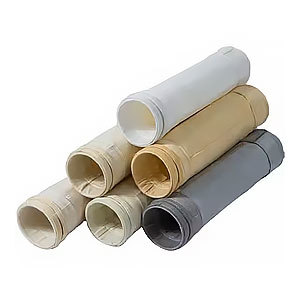
In industrial dust removal systems, the dust bag serves as the core filtering element, and its performance directly determines the dust removal efficiency, operational stability, and equipment maintenance costs. Whether it is high-temperature flue gas treatment, corrosive gas filtration, or high concentration dust capture, the dust removal bag that accurately matches the working conditions is the key to ensuring the efficient operation of the system.
1、 Analysis of Core Performance Indicators for Dust Removal Bags
The performance of dust removal bags is determined by multiple indicators, among which the basic indicators derived from material characteristics, the core indicators related to filtration, and the environmental adaptation indicators are the core basis for selection, which need to be considered one by one in combination with the working conditions.
1. Material characteristic indicators
Material is the foundation of the performance of dust removal bags, and the physical and chemical properties of different materials directly determine the boundaries of their applicable scenarios. The core focus is on the following dimensions:
1. Fiber types: divided into natural fibers, chemical fibers, and inorganic fibers. Natural fibers have low cost but poor temperature and corrosion resistance; Chemical fibers have wide adaptability and can be optimized for performance through modification; Inorganic fibers have outstanding high temperature resistance and are commonly used in extreme high temperature conditions.
2. Fabric structure: including needle punched felt, woven fabric, film covering, etc. Needle punched felt has high porosity and large filtration area, suitable for most industrial dust; The woven fabric has a dense structure and high strength, suitable for high wind speed and high pressure working conditions; The surface of the membrane filter material is smooth, which can achieve "surface filtration", avoid dust infiltration, greatly improve the cleaning efficiency, and is suitable for fine dust and viscous dust working conditions.
2. Filter core indicators
This type of indicator directly affects the dust removal efficiency and system operation resistance, and is the core consideration factor for selection:
1. Filtration accuracy: Refers to the capture efficiency of dust particles with specific particle sizes, usually measured in micrometers. The higher the precision, the better the filtering effect on fine dust, but it is necessary to balance breathability and dust removal difficulty to avoid excessive filtration leading to high resistance.
2. Air permeability: The volume of gas that passes through a unit area of filter material per unit time is a key indicator for measuring the air permeability of filter material. The higher the air permeability, the lower the operating resistance of the system and the lower the energy consumption, but it needs to be matched with the filtration accuracy - high air permeability often accompanies a slight decrease in accuracy and needs to be adjusted according to dust concentration and emission requirements.
3. Resistance characteristics: including initial resistance and operating resistance. The initial resistance is determined by the structure of the filter material itself, while the operating resistance gradually increases with the accumulation of dust. When the resistance reaches the set threshold, dust cleaning is required. High quality filter media should have the characteristics of low initial resistance and good resistance recovery after cleaning to reduce cleaning frequency and energy consumption.
3. Environmental adaptation indicators
This type of indicator determines the service life of the dust removal bag under specific working conditions, and it is necessary to focus on matching environmental parameters such as flue gas temperature, corrosiveness, and humidity:
1. Temperature resistance: divided into continuous use temperature and instantaneous maximum temperature, it is the core red line indicator for selection. Exceeding the temperature limit can lead to shrinkage, aging, damage, and direct failure of the filter material.
2. Corrosion resistance: refers to the ability of filter media to resist corrosive media such as acids, alkalis, and oxidants in flue gas, determined by the chemical stability of the material. Acidic flue gas is suitable for selecting acid resistant materials such as PPS and PTFE; Alkaline flue gas is suitable for selecting alkali resistant materials such as polypropylene; PTFE filter material is preferred for highly corrosive working conditions, as it has extremely strong chemical stability and can withstand most acidic and alkaline media.
3. Moisture resistance: refers to the stability of the filter material in high humidity flue gas, avoiding condensation and bag sticking. Under high humidity conditions, hydrophobic materials should be selected and coated with film technology to reduce dust adhesion; If the temperature of the flue gas is close to the dew point, insulation and heating measures should be taken in advance to avoid condensation and damage to the filter material.
4. Mechanical performance indicators
Ensure the structural integrity of the filter material during installation, dust removal, and long-term operation:
1. Fracture strength: The ability of the filter material to resist tensile damage, ensuring that it is not damaged during installation and does not tear when subjected to airflow impact and cleaning pressure during operation.
2. Wear resistance: For high concentration and high hardness dust, the filter material needs to have good wear resistance to reduce damage caused by dust erosion and extend its service life. Needle punched felt filter material can improve wear resistance by increasing the strength of the base fabric or surface treatment.
2、 Accurate selection and adaptation method for dust removal bags
The core logic of selection is "working condition matching" - based on flue gas parameters and dust characteristics, combined with environmental requirements and operation and maintenance costs, filter materials that meet performance indicators are screened. The specific steps are as follows:
1. Clarify the core operating condition parameters
Collect key operating condition data first, which is a prerequisite for selection:
1. Smoke temperature: Determine the continuous operating temperature and instantaneous maximum temperature to lock the temperature resistance level of the filter material and avoid overheating failure.
2. Smoke composition: Detect whether the smoke contains acidic and alkaline media, oxidants, and humidity, and determine the corrosiveness level.
3. Dust characteristics: including dust particle size (such as whether it contains a large amount of submicron fine dust), concentration (high concentration requires high permeability filter material), hardness (high hardness requires wear-resistant filter material), and viscosity (such as coal powder, flour, and other viscous dust requiring coated filter material).
2. Determine the filtration accuracy in accordance with environmental protection requirements
Determine the filtration accuracy of the filter material according to local environmental standards. If the requirements are strict, it is necessary to choose membrane filter media - the surface filtration mechanism of membrane filter media can achieve nearly 100% fine dust capture, and the emission concentration can be as low as 5mg/m ³ or below; Ordinary needle punched felt filter material is suitable for working conditions with relatively relaxed emission requirements.
3. Match filter material and structure
Based on operating parameters and environmental requirements, select materials and structures:
1. Room temperature, non corrosive, ordinary dust: The recommended filter material is polyester, and the recommended structure is needle punched felt. Reason for adaptation: Low cost, good breathability, suitable for normal working conditions at room temperature.
2. Medium high temperature and acidic flue gas: PPS is recommended as the filter material, and needle punched felt/laminated needle punched felt is recommended as the structure. Reason for adaptation: Excellent temperature and acid resistance, high cost-effectiveness, suitable for most medium to high temperature acidic working conditions.
3. High temperature and strong corrosion: The recommended filter material is PTFE/fiberglass, and the recommended structure is laminated needle punched felt/woven fabric. Reason for adaptation: PTFE has strong temperature and corrosion resistance, while glass fiber is resistant to high temperatures and suitable for extreme working conditions.
4. High humidity and sticky dust: The recommended filter material is polypropylene/PTFE, and the recommended structure is laminated needle felt. Adaptation reason: Hydrophobic material, coated with film to reduce dust adhesion and avoid bag sticking.
5. High concentration and fine dust: The recommended filter material is polyester/PPS, and the recommended structure is high permeability needle punched felt+wear-resistant base cloth. Adaptation reason: High breathability reduces operating resistance, and wear-resistant base fabric extends service life.
4. Balance operation and maintenance costs with service life
Selection should take into account both initial procurement costs and long-term operation and maintenance costs:
1. Under normal working conditions, priority should be given to selecting cost-effective filter media to avoid excessive use of high-end materials, which can lead to cost waste;
2. In extreme working conditions, priority should be given to ensuring the service life, and high-end materials should be selected - although the initial cost is high, it can reduce the frequency of replacement and downtime losses, and the long-term comprehensive cost is lower;
3. For high-frequency dust cleaning conditions, it is necessary to choose filter media with good elasticity and strong dust recovery to avoid mechanical fatigue damage caused by repeated dust cleaning.
3、 Selection precautions
1. Do not exceed the temperature limit for use: Even if the temperature exceeds the limit in an instant, it may cause irreversible damage to the filter material, and a safety margin of 10-20 ℃ should be reserved (such as PPS filter material with continuous temperature resistance of 190 ℃, the actual use temperature should be controlled below 170 ℃).
2. Avoid condensation and sticking bags: Under high humidity conditions, the flue gas temperature should be controlled to be 15-20 ℃ higher than the dew point, and hydrophobic filter materials should be selected; If condensation cannot be avoided, pulse jet cleaning can be used to improve the cleaning effect.
3. Matching cleaning method: Pulse jet cleaning method has lower mechanical strength requirements for the filter material and is suitable for most filter materials; The anti blowing dust cleaning method requires higher strength of the filter material, and it is necessary to choose machine woven fabric or high-strength needle punched felt with high fracture strength.
4. Verify the authenticity of the material: Some inferior filter media may pass off as good, and third-party testing is required to verify the temperature and corrosion resistance of the material to avoid premature failure due to material mismatch.
The core of selecting dust removal bags is "precise matching of working conditions and performance" - first clarify core parameters such as flue gas temperature, composition, and dust characteristics, then screen materials and structures based on environmental requirements, and finally balance cost and service life. Mastering the judgment criteria for core performance indicators and following the steps of "setting the operating conditions first, selecting materials, and finally optimizing the structure" can effectively improve the operational efficiency of the dust removal system and reduce operation and maintenance costs.
Hot Tags:
PREVIOUS:


Contact Us
Tel:
WeChat:
WhatsApp:
E-mail:
Address:
338 National Road South, Longfengdian Village, Botou City, Hebei Province, China
JiuznTomine is expertly delivering technically complicated projects in markets & provides custom solutions for their customized need.


CONTACT INFO
Tel: +86 18531710311
WeChat: +86-18531710311
338 National Road South, Longfengdian Village, Botou City, Hebei Province, China