











Precision selection criteria for plastic fired plate dust collectors
Jan 05,2026

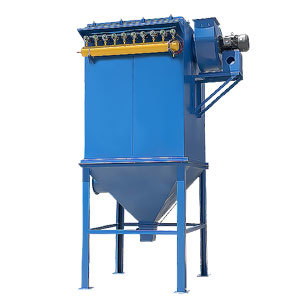
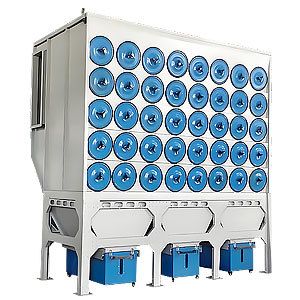
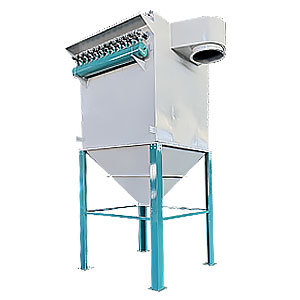
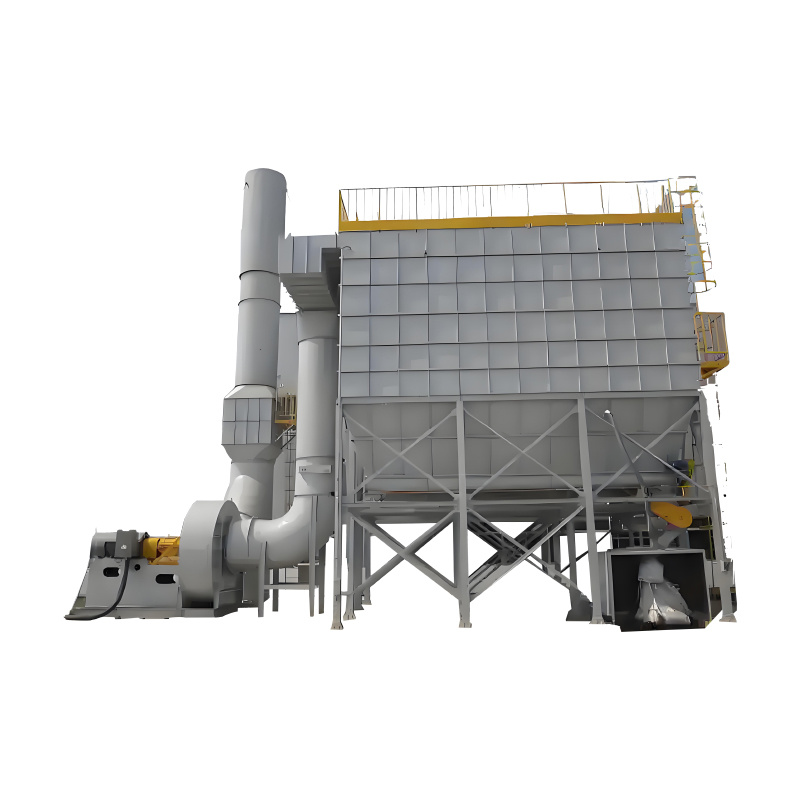
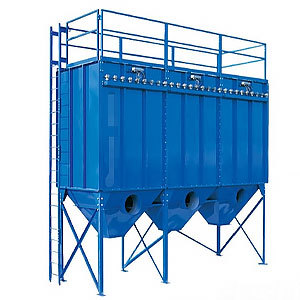
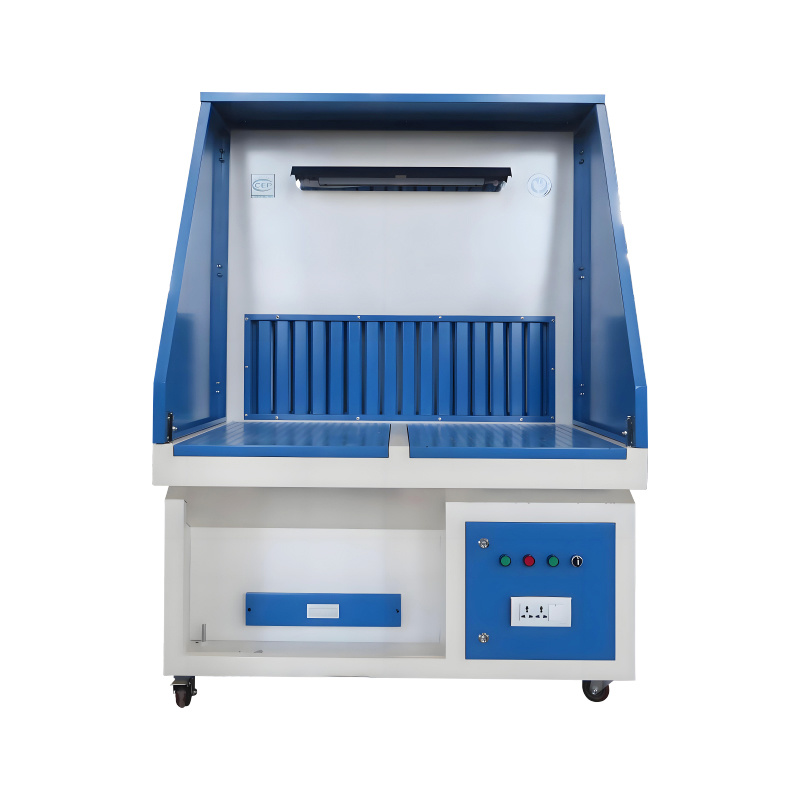
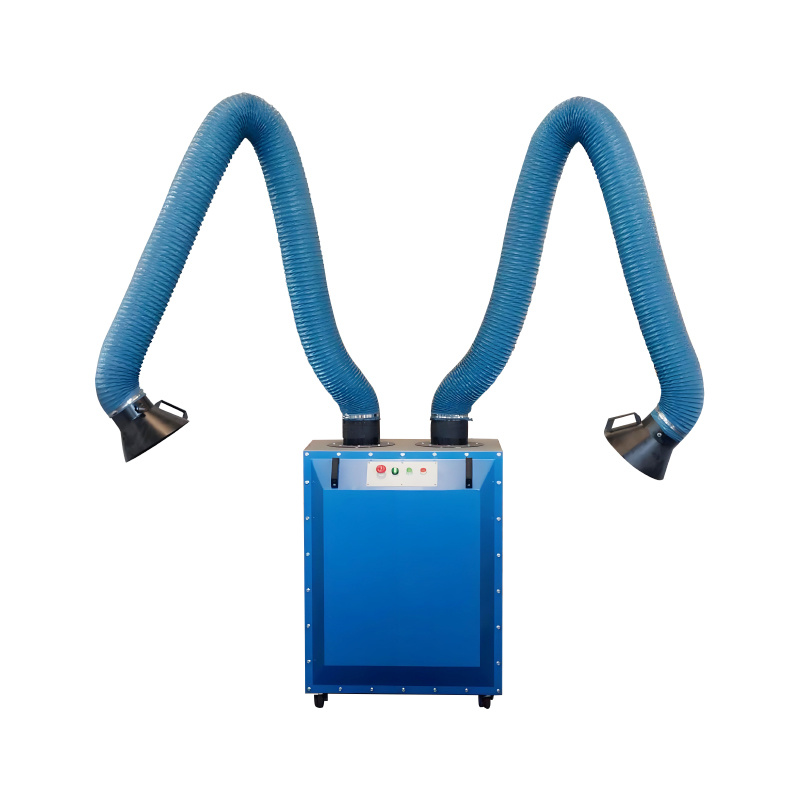
As an efficient and precise dust removal equipment, the plastic fired plate dust collector has been widely used in harsh dust conditions in multiple industries such as metallurgy, chemical engineering, mechanical processing, and building materials due to its advantages of anti adhesion, wear resistance, high filtration accuracy, and long maintenance cycle. Unlike traditional bag filters, the core filtering element of a plastic fired plate dust collector is a rigid plastic fired plate, and its selection needs to be based on its own structural characteristics and actual working conditions, accurately matching various parameters and components. This article systematically summarizes the core basis for precise selection of plastic fired plate dust collectors, providing scientific selection ideas for enterprises and practitioners to ensure stable operation of equipment and compliance with dust removal efficiency standards.
1、 Core premise: Conduct comprehensive research on basic parameters of working conditions
The operating parameters are the fundamental basis for selecting plastic fired plate dust collectors, directly determining equipment specifications, filter element types, and system configurations. Before selecting, the following core operating parameters need to be researched and confirmed:
1. Handling air volume: determining the core indicators of equipment specifications
The processing air volume refers to the volume of dusty gas that needs to be purified per unit time, and is the primary parameter for selection. When selecting, the maximum continuous exhaust volume of the production process should be taken as the basis, with a margin of 10% -20% reserved to cope with issues such as production load fluctuations and air volume attenuation caused by equipment aging. Attention should be paid to the influence of gas temperature on air volume: the volume expansion of high-temperature gas requires adjusting the air volume according to the actual operating temperature. For intermittent exhaust conditions, the selection should be based on the maximum instantaneous air volume to avoid dust removal failure under peak conditions.
2. Dust characteristics: key factors determining the material and structure of plastic fired board
The filtration effect and service life of plastic fired board are directly affected by the characteristics of dust, and the following dimensions need to be investigated:
1. Dust concentration: When the inlet dust concentration is too high, a pre dust removal device needs to be installed to reduce the filtration load of the plastic burning plate and avoid frequent blockage; Low concentration dust can be directly removed using plastic fired plates to simplify the system structure.
2. Dust viscosity and humidity: Although plastic fired boards have better adhesion resistance than filter bags, high viscosity or high humidity dust may still adhere to the surface of the board. This type of working condition requires the selection of a plastic fired board with a smooth surface and strong hydrophobicity, and is equipped with a reinforced ash cleaning system.
3. Dust particle size and hardness: Fine particulate dust should be filtered using plastic fired plates with high porosity and precision to ensure filtration efficiency; Coarse particles or high hardness dust can easily erode and wear plastic fired plates. Therefore, it is necessary to choose thickened or wear-resistant coated plastic fired plates and optimize the intake structure to avoid direct impact of dust on the filter surface.
4. Dust corrosiveness: Dust containing corrosive components such as acid and alkali, salt spray, etc. should be treated with corrosion-resistant plastic fired board materials according to the type of corrosion, and anti-corrosion treatment should be carried out on equipment enclosures and pipelines.
3. Temperature of dusty gas: matching the heat resistance limit of plastic fired board
The heat resistance of the plastic fired board is determined by its substrate material. When selecting, it is necessary to ensure that the operating gas temperature is lower than the maximum operating temperature of the plastic fired board, and to reserve a safety margin of 20-30 ℃ to avoid deformation, aging, and cracking of the plastic fired board caused by high temperatures. The heat resistance limits of common plastic fired board materials are: polypropylene material ≤ 80 ℃, polyethylene material ≤ 90 ℃, polyvinylidene fluoride material ≤ 140 ℃, and polyetheretherketone material ≤ 200 ℃. If the gas temperature exceeds the heat resistance limit of the selected plastic fired board, a cooling device needs to be added; If the temperature is too low, it is necessary to prevent condensation by using equipment insulation and built-in heating devices to maintain a temperature 5-10 ℃ above the dew point.
4. Environmental emission requirements: Clarify filtration accuracy standards
It is necessary to clarify the dust emission concentration limit in accordance with local environmental regulations and industry standards. The filtration accuracy of plastic fired board can usually reach sub micron level. If the emission requirements are strict, it is necessary to choose coated plastic fired board or high-precision modified plastic fired board, optimize the equipment sealing structure, control the air leakage rate ≤ 3%, and avoid excessive emissions caused by air leakage. If odor or harmful gases need to be treated synchronously, an adsorption module is required.
2、 Selection criteria for core components: adaptation of plastic fired board and cleaning system
The plastic fired board and dust cleaning system are the core components of the equipment, and their selection directly determines the dust removal efficiency and operational stability, which need to be strictly matched with the working conditions.
1. Material and structural selection of plastic fired board
The material and structure of the plastic fired board need to be accurately matched according to working parameters such as dust characteristics, gas temperature, and corrosiveness. The common types and applicable scenarios are as follows:
1. Polypropylene (PP) plastic fired board: Low cost, good acid resistance, heat resistance ≤ 80 ℃, suitable for normal temperature, weak acidity, low viscosity dust working conditions.
2. Polyethylene (PE) plastic fired board: better corrosion resistance than PP, good toughness, heat resistance ≤ 90 ℃, suitable for normal temperature, moderate corrosiveness, low hardness dust working conditions.
3. Polyvinylidene fluoride (PVDF) plastic fired board: excellent acid and alkali resistance, oxidation resistance, heat resistance ≤ 140 ℃, strong adhesion resistance, suitable for medium and high temperature, strong corrosion, and high viscosity dust working conditions.
4. Polyether ether ketone (PEEK) plastic fired board: highly resistant to high temperature and corrosion, with high mechanical strength, suitable for harsh working conditions such as high temperature, strong corrosion, and high hardness dust. However, the cost is high and needs to be considered in conjunction with the budget.
5. Film coated plastic fired board: A layer of PTFE or PVDF film is coated on the surface of the substrate, which has higher filtration accuracy and stronger dust stripping ability. It is suitable for high emission requirements and high viscosity dust working conditions, and attention should be paid to the heat resistance and wear resistance limit of the film.
6. Structural selection: Flat plastic fired board is suitable for small and medium-sized dust removal equipment, with compact installation; Honeycomb plastic fired plate has a large filtration area and is suitable for high air flow conditions, which can reduce equipment footprint.
2. Selection criteria for ash cleaning system
The cleaning effect of the plastic fired plate dust collector directly affects the equipment resistance and filtration efficiency. It is necessary to choose the appropriate cleaning method and parameters based on the dust viscosity, concentration, and plastic fired plate structure:
1. Cleaning method: Pulse jet cleaning is the mainstream method for plastic fired plate dust collectors, with high cleaning intensity and efficiency, suitable for most working conditions; For high viscosity dust, the composite cleaning method of "pulse spraying+reverse airflow" can be selected to improve the dust stripping effect. Mechanical vibration cleaning is only suitable for small equipment with low viscosity and low concentration, as it can easily damage rigid plastic fired plates.
2. Spray parameters: The spray pressure needs to be adjusted according to the material of the plastic fired board and the viscosity of the dust. The normal working condition is 0.4-0.6MPa, and the high viscosity dust can be increased to 0.6-0.8MPa; The spraying interval and time should be set in conjunction with the dust concentration. When the concentration is high, the interval should be shortened and the spraying time should be extended to avoid incomplete or excessive cleaning of dust, which may cause wear on the plastic burning plate.
3. Auxiliary configuration: Compressed air needs to be dry and clean, avoiding moisture and oil stains from adhering to the plastic burning board, and needs to be matched with a dryer and filter; For low-temperature conditions, it is necessary to insulate the compressed air pipeline to prevent condensation.
3、 Basis for equipment structure and material selection
The selection of structural components such as equipment enclosures, air intake methods, and ash discharge devices should be comprehensively considered based on the installation environment, operating conditions, and operational requirements
1. Box structure and material
The box structure needs to be designed according to the installation space size and air volume requirements: small equipment can choose a vertical structure to save floor space; Large air volume equipment can choose a horizontal structure for easy maintenance. The material of the box should match the corrosiveness of the working conditions: Q235 carbon steel is selected for ordinary working conditions; Mild to moderate corrosion conditions can be treated by spraying anti-corrosion coatings on the surface of carbon steel; Stainless steel or fiberglass material should be selected for strong corrosion conditions. High temperature working conditions require the use of high-temperature resistant steel and the addition of insulation layers to prevent deformation of the box.
2. Design of intake and airflow distribution
Priority should be given to lower air intake, utilizing gravity to settle some coarse dust particles and reduce erosion and wear on the plastic fired board; The upward intake method is suitable for scenarios with limited space, but it requires the addition of deflectors to optimize airflow distribution. Reasonable flow guiding structures need to be designed inside the equipment to ensure that the dusty airflow is evenly distributed to each plastic fired board, avoiding local plastic fired board overload and extending its service life.
3. Selection of Ash Unloading Device
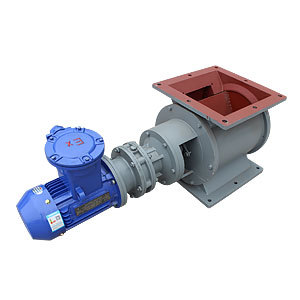
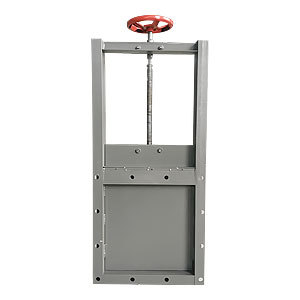
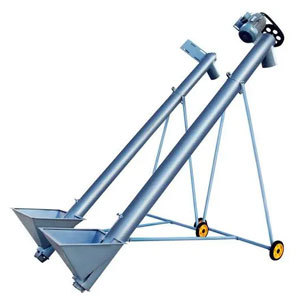
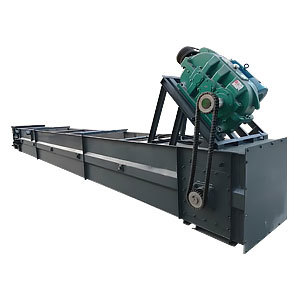
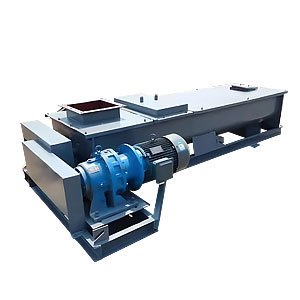
The ash discharge device needs to match the dust emission, flowability, and operating temperature: the star shaped unloader has good sealing and small volume, and is suitable for normal temperature operating conditions with low dust emission and good flowability; Spiral conveyors are suitable for horizontal or inclined conveying and are suitable for small and medium-sized dust removal systems; Scraper conveyor is suitable for large discharge and long-distance transportation, and is suitable for large-scale industrial systems. For dust with high viscosity and easy agglomeration, it is necessary to use ash unloading equipment with arch breaking devices; High temperature working conditions require the selection of ash discharge components made of high-temperature resistant materials.
4、 Key supplementary criteria for selection: cost, operation and compliance
1. Whole life cycle cost balance: Selection should comprehensively consider procurement costs and operating costs to avoid blindly pursuing low prices.
2. Convenience of operation and maintenance: Based on the selection of enterprise operation and maintenance capabilities, priority should be given to equipment with simple structure and easy maintenance to reduce the difficulty and time cost of operation and maintenance. For overseas users, it is necessary to consider the universality and supply convenience of equipment spare parts.
3. Compliance requirements: In addition to environmental emissions compliance, it is also necessary to meet the safety standards of the target market. If there is flammable and explosive dust in the working conditions, explosion-proof equipment should be selected, equipped with explosion-proof motors and explosion-proof devices.
4. Expansion reservation: If the enterprise has an expansion plan, it is necessary to reserve expansion space when selecting models to avoid the need to replace equipment due to capacity increase in the later stage.
5、 Sorting out the selection process
The precise selection of plastic fired plate dust collectors should follow the logic of "working condition research → parameter confirmation → core component matching → structural material optimization → cost compliance balance": first comprehensively collect and process working condition data such as air volume, dust characteristics, gas temperature, etc; Determine the core configuration such as the material of the plastic fired board and the cleaning method based on the working conditions; Next, optimize the box structure and ash unloading device to meet installation and operational requirements; Finally, the plan is finalized based on the full lifecycle cost, compliance, and operational requirements.
In summary, the core of selecting a plastic fired plate dust collector lies in "working condition adaptation", and it is necessary to abandon the misconceptions of "experience selection" and "blind selection". Based on accurate working condition parameters, the core components and equipment structure should be matched item by item. Only by fully combining the characteristics of dust, gas conditions, environmental requirements, and actual operation and maintenance can efficient, stable, and economical equipment be selected to provide reliable guarantees for enterprise dust control.
Hot Tags:


Contact Us
Tel:
WeChat:
WhatsApp:
E-mail:
Address:
338 National Road South, Longfengdian Village, Botou City, Hebei Province, China
JiuznTomine is expertly delivering technically complicated projects in markets & provides custom solutions for their customized need.


CONTACT INFO
Tel: +86 18531710311
WeChat: +86-18531710311
338 National Road South, Longfengdian Village, Botou City, Hebei Province, China