











Precise selection techniques for bag filter to ensure stable and compliant dust removal efficiency
Jan 05,2026

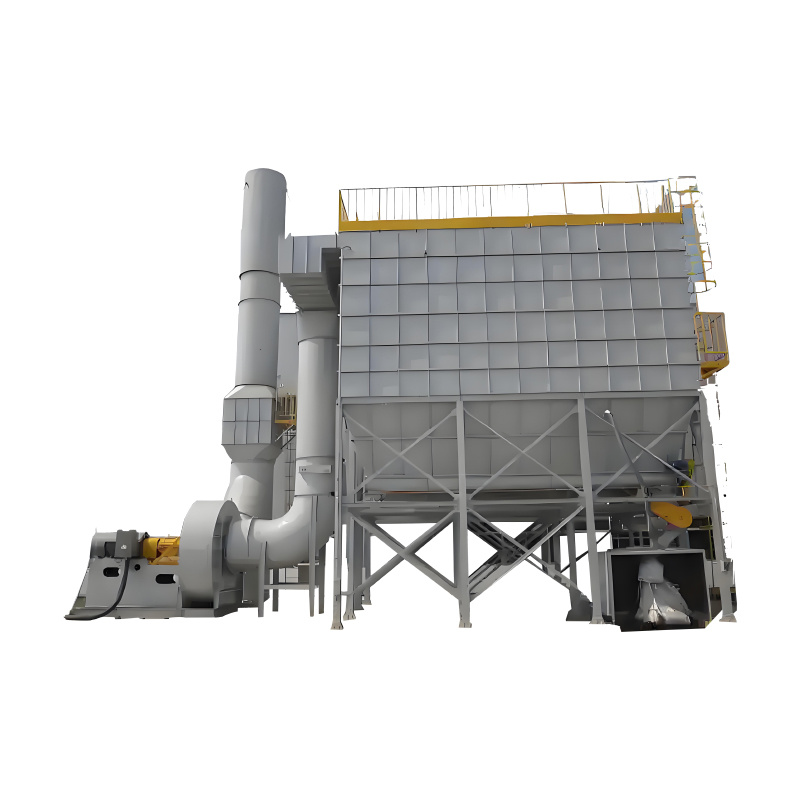
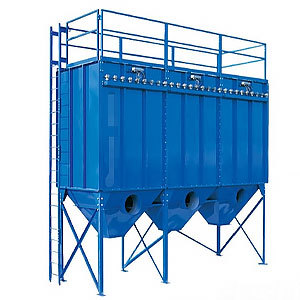
Bag filter, with its efficient filtering performance, has become one of the core equipment for industrial dust control. However, in practical applications, many enterprises have encountered problems such as inadequate dust removal efficiency, high equipment failure rates, and soaring operating costs due to improper selection. Accurate selection is a prerequisite for the stable performance of bag filters, which needs to be comprehensively considered from multiple dimensions such as operating conditions, environmental requirements, and operational needs. This article summarizes the core techniques for precise selection of bag filters, providing scientific selection ideas for enterprises and related practitioners, ensuring perfect compatibility between equipment and working conditions, and achieving long-term stable and standard operation.
1、 Before selecting, it is necessary to conduct a comprehensive investigation of the core parameters of the working conditions
The working condition parameters are the basis of selection, and any omission or misjudgment of any parameter may lead to selection deviation. Before selecting, it is necessary to focus on researching the following core operating condition information:
1. Processing air volume: the core indicator of matching equipment processing capacity
The processing air volume refers to the volume of dusty gas that needs to be processed per unit time, which directly determines the size of the dust collector. When selecting, it is necessary to consider the maximum exhaust volume of the production process and reserve a margin of 10% -20% to avoid insufficient air volume caused by fluctuations in production load. When calculating air volume, attention should be paid to the influence of gas temperature on volume. The volume expansion of high-temperature gas needs to be corrected according to the actual temperature. If there is intermittent exhaust in the working condition, the selection should be based on the maximum instantaneous air volume to ensure stable dust removal under peak working conditions.
2. Dust characteristics: key factors determining filter media and structural design
The characteristics of dust directly affect the selection of filter media, the design of cleaning methods, and the service life of equipment. The following points should be focused on:
1. Dust concentration: When the inlet dust concentration is too high, a pre dust removal device needs to be installed to reduce the filtration load of the bag filter; Low concentration dust can be directly treated with bag filter to reduce equipment investment.
2. Dust particle size: It is difficult to filter fine dust particles, and it is necessary to choose filter media with good breathability and high filtration accuracy; Coarse particle dust is prone to wear on filter bags, so it is necessary to choose filter materials with excellent wear resistance, and optimize the intake structure to avoid direct erosion of the filter bag by dust.
3. Dust humidity and viscosity: High humidity or viscous dust is prone to adhere to the surface of the filter bag, causing blockage. Waterproof and oil proof filter media should be selected, and reasonable cleaning intervals and strengths should be designed. If necessary, insulation or heating devices should be added to prevent dust condensation.
4. Dust corrosiveness: Dust containing corrosive components such as acid and alkali should be treated with corrosion-resistant filter media according to the type of corrosion, and the dust collector box should be treated with anti-corrosion measures.
3. Gas temperature: the core basis for matching the heat resistance limit of filter media
The filter material of bag filter has a clear heat resistance limit. When selecting, it is necessary to ensure that the gas temperature is lower than the maximum operating temperature of the filter material, and to reserve a safety margin of 20-50 ℃ to avoid high temperature causing aging and damage of the filter material. If the gas temperature is too high, it needs to be cooled first before entering the bag filter; If the gas temperature is too low, it is necessary to prevent condensation by maintaining the internal temperature of the equipment 5-10 ℃ higher than the dew point temperature through insulation layers and heating devices.
4. Environmental requirements: Clearly define emission standards
It is necessary to clarify the dust emission concentration limit in accordance with local environmental regulations and industry standards. The stricter the emission requirements, the higher the filtration accuracy of the filter material needs to be selected, while optimizing the sealing performance of the equipment to reduce air leakage rate. If it involves the collaborative treatment of odors or harmful gases, it is necessary to consider adding adsorption devices in the dust removal system.
2、 Core component selection: precise matching of working conditions and requirements
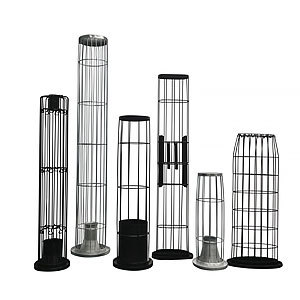
The selection of core components of bag filter (filter material, cleaning system, box structure, etc.) directly determines the dust removal efficiency and operational stability of the equipment, and needs to be selected according to the characteristics of the working conditions.
1. Filter material selection: Accurately match according to the characteristics of the working conditions
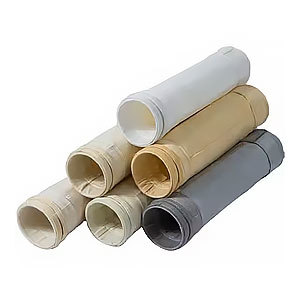
The filter material is the "heart" of the bag filter, and its performance directly affects the filtration efficiency and service life. There are differences in the heat resistance, corrosion resistance, wear resistance, and filtration accuracy of different filter materials, which need to be accurately matched according to the working conditions. Common filter materials and applicable scenarios are as follows:
1. Polyester filter material: The maximum operating temperature is 130 ℃, with average acid resistance and good alkali resistance. It is affordable and suitable for dust working conditions at room temperature, low corrosiveness, and low humidity.
2. Polypropylene filter material: The maximum operating temperature is 90 ℃, with excellent acid resistance and poor alkali resistance, suitable for acidic dust conditions at room temperature.
3. Fumes filter material: The maximum operating temperature is 200-240 ℃, with good acid and alkali resistance and wear resistance, suitable for medium high temperature and moderate corrosive dust working conditions.
4. PTFE filter material: With a maximum operating temperature of 260 ℃, it has excellent acid and alkali resistance, wear resistance, and oxidation resistance. It has high filtration accuracy and is suitable for working conditions with high temperature, strong corrosion, high humidity, and high emission requirements. However, the price is relatively high and needs to be considered in conjunction with the cost.
5. Film coated filter material: Covering the surface of ordinary filter material with a layer of PTFE film, the filtration accuracy is extremely high, dust is not easy to adhere, and the cleaning effect is good. It is suitable for high emission requirements and viscous dust conditions, but attention should be paid to avoiding high temperature damage to the film.
2. Selection of dust cleaning methods: Design based on dust characteristics and air volume
The cleaning method directly affects the filtration resistance and service life of the filter bag, and should be selected according to the dust concentration, viscosity, filter material type, and processing air volume. The common cleaning methods and applicable scenarios are as follows:
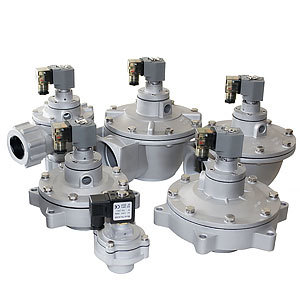
1. Pulse jet cleaning: Using compressed air to instantly blow filter bags, the cleaning intensity is high, the efficiency is high, and the cleaning cycle is short. It is suitable for working conditions with high air volume, high dust concentration, and moderate viscosity, and is currently the most widely used cleaning method. When selecting, attention should be paid to matching the specifications of the pulse valve, injection pressure, and injection interval.
2. Backblowing dust cleaning: By using reverse airflow to expand the filter bag and remove dust, the dust cleaning intensity is mild and suitable for working conditions with low filter strength, low dust viscosity, and low concentration. The equipment structure is simple, but the dust cleaning efficiency is relatively low and not suitable for high air volume working conditions.
3. Mechanical vibration cleaning: The cleaning of dust is achieved by vibrating the filter bag through a mechanical device. The structure is simple and the cost is low, but the cleaning is uneven and the filter bag is easily damaged. It is suitable for small, low air volume, and low dust concentration working conditions, but currently has limited application.
3. Box structure and material selection: Suitable for installation environment and corrosive working conditions
The structure of the box should be designed according to the size of the installation space and the air intake method. The upper air intake method has a good dust settling effect, which can reduce the wear of the filter bag and is suitable for working conditions with coarse particle dust; The downward intake method has a simple structure and is suitable for working conditions with fine particulate dust. The material of the box should be selected based on the corrosiveness of dust: Q235 steel plate can be used for ordinary working conditions; For working conditions with strong corrosiveness, stainless steel should be selected or anti-corrosion coatings should be sprayed on the surface of the carbon steel box; High temperature working conditions require the use of high-temperature resistant steel and the addition of insulation layers.
4. Selection of ash unloading device: matching dust emission and flowability
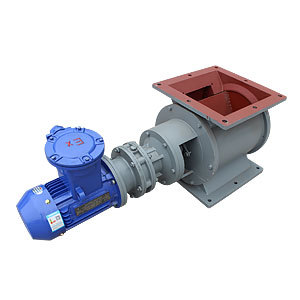
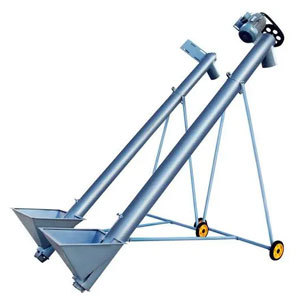
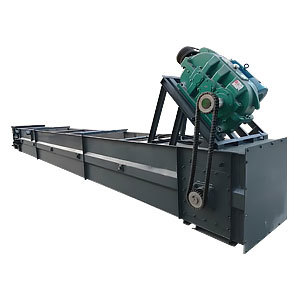
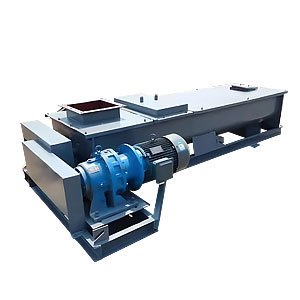
The performance of the ash unloading device directly affects the smooth accumulation of ash in the ash hopper, avoiding the impact of ash blockage on equipment operation. Common ash unloading devices include star shaped unloaders, screw conveyors, scraper conveyors, etc. Star shaped unloaders have good sealing and are suitable for working conditions with low dust emissions and good fluidity; Spiral conveyor is suitable for horizontal or inclined transportation of dust, with a compact structure and suitable for small and medium-sized dust removal systems; Scraper conveyor is suitable for transporting dust with high emissions and long distances, and is suitable for large-scale industrial dust removal systems. For dust with high viscosity and easy agglomeration, it is necessary to use ash unloading equipment with arch breaking devices.
3、 Key considerations for selection: avoid common misconceptions
1. Avoid blindly pursuing "large specifications": Some companies choose equipment with excessive processing air volume to pursue "stability", which not only increases equipment investment, but also leads to low gas flow rate, dust settling on the surface of the filter bag, exacerbating filter bag blockage and increasing operating costs. It is necessary to strictly select according to the actual air volume and reserve a reasonable margin.
2. Pay attention to equipment sealing performance: Poor sealing performance can lead to air leakage, which not only reduces dust removal efficiency, but also may cause high-temperature gas condensation due to the entry of cold air, damaging the filter bag. When selecting, it is necessary to check the sealing structure of the equipment to ensure that the air leakage rate is ≤ 5%.
3. Comprehensive consideration of operating costs: When selecting, not only should the equipment procurement cost be taken into account, but also the operating cost.
4. Reserve space for future renovation: If the enterprise has plans to expand production in the future, equipment expansion space should be reserved when selecting models to avoid the need to replace equipment due to increased production capacity that cannot meet demand in the future.
4、 Summary of Selection Process
The precise selection of bag filter should follow the logical process of "working condition research → parameter determination → core component matching → cost and environmental balance → reserved renovation space": first, comprehensively investigate and handle working condition parameters such as air volume, dust characteristics, gas temperature, etc; Secondly, determine the equipment specifications, filter material type, and cleaning method based on the operating parameters; Optimize the selection plan based on environmental protection requirements and operating costs; Finally, consider the demand for increasing production capacity in the later stage and reserve space for renovation.
In short, the selection of bag filter is not simply a matter of "matching specifications according to air volume", but a system engineering that requires comprehensive consideration of working conditions, environmental requirements, operating costs, and other dimensions. Only by accurately matching the working conditions and requirements can we ensure the long-term stable operation of the equipment, achieve the goal of meeting dust removal efficiency standards and controllable operating costs, and provide reliable guarantees for green production in enterprises.
Hot Tags:


Contact Us
Tel:
WeChat:
WhatsApp:
E-mail:
Address:
338 National Road South, Longfengdian Village, Botou City, Hebei Province, China
JiuznTomine is expertly delivering technically complicated projects in markets & provides custom solutions for their customized need.


CONTACT INFO
Tel: +86 18531710311
WeChat: +86-18531710311
338 National Road South, Longfengdian Village, Botou City, Hebei Province, China