


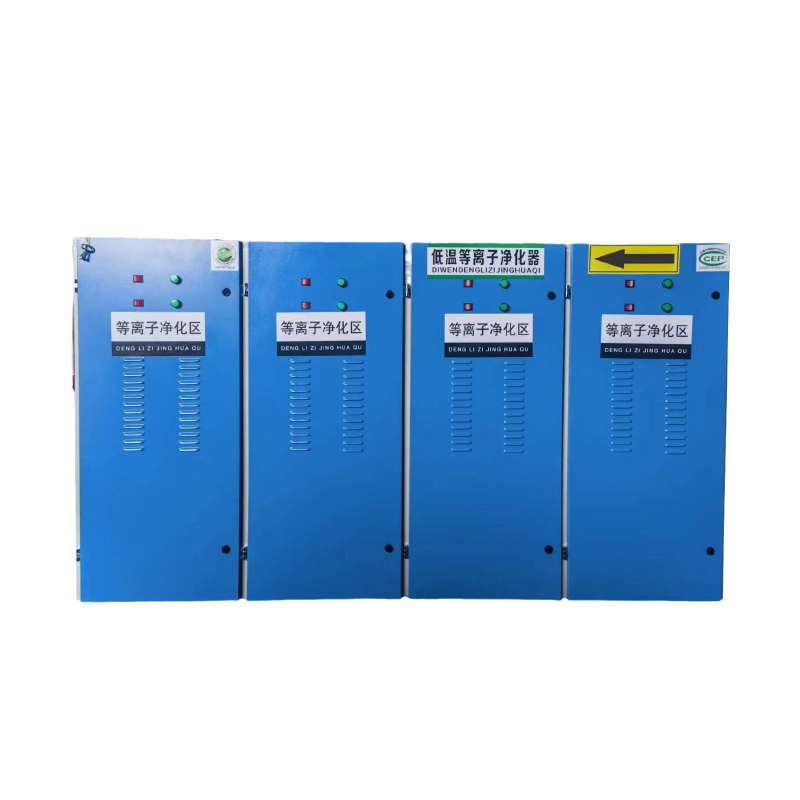
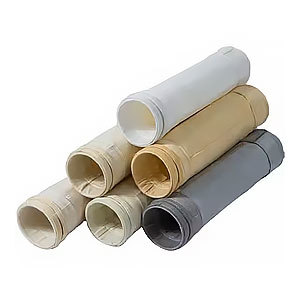
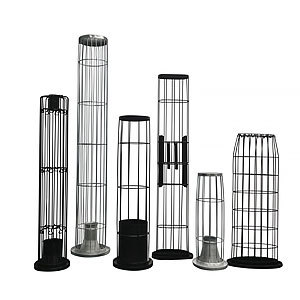
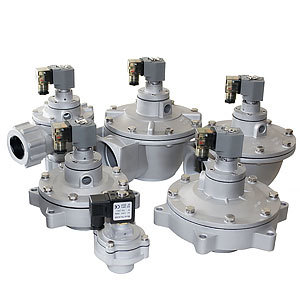









The common troubleshooting manual for industrial dust collectors, put it away!
Dec 31,2025
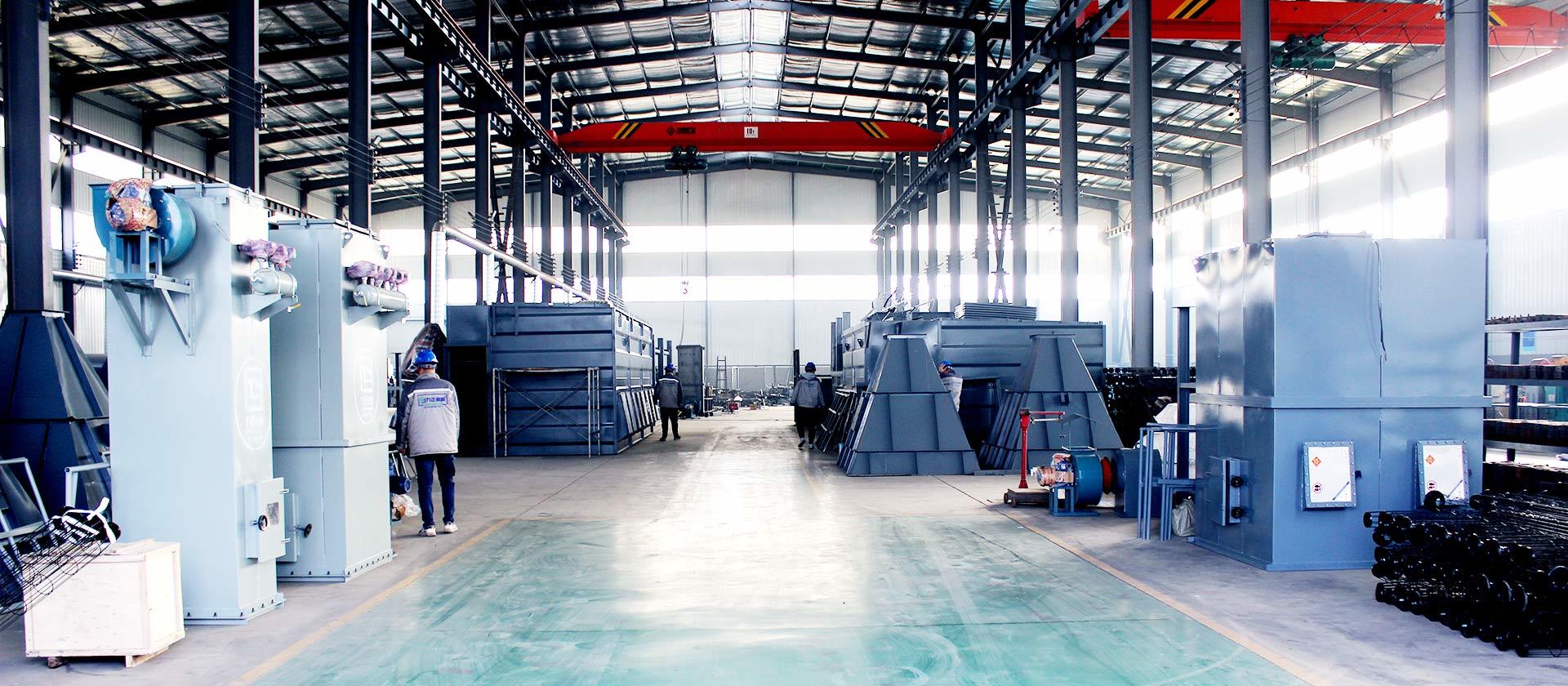
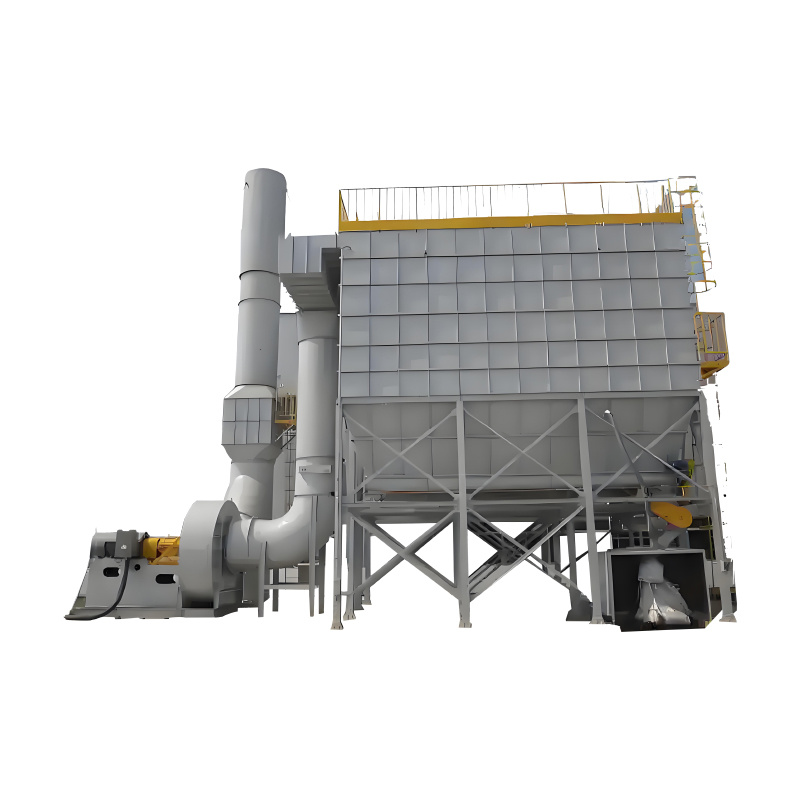
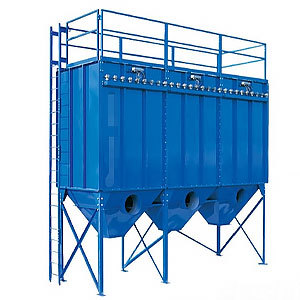
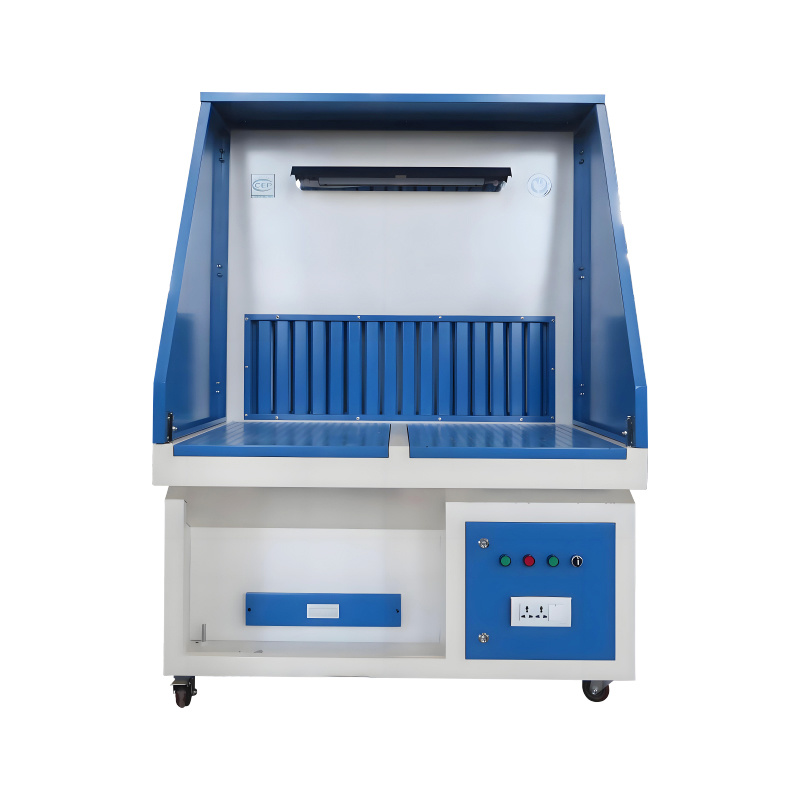
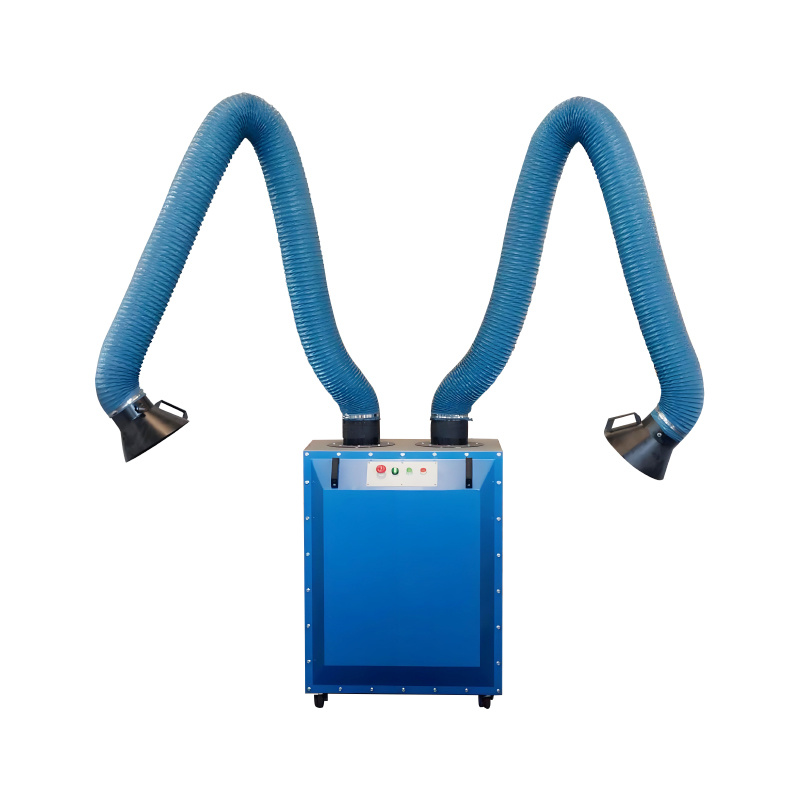
Industrial dust collector is a key equipment for controlling dust pollution, ensuring the working environment meets standards, and safeguarding the safe operation of equipment in industrial production. Whether it is bag type, filter cartridge type, pulse type, or electrostatic precipitator, during long-term high load operation, various failures are inevitable due to factors such as working condition fluctuations, component aging, and improper operation. To help operation and maintenance personnel quickly locate problems, efficiently solve faults, and reduce downtime losses, we have compiled this "Common Fault Handling Manual for Industrial Dust Collectors", which covers core fault types, troubleshooting ideas, and practical solutions. It is recommended to keep it as a backup.
1、 Core fault classification and handling plan
(1) Sudden drop in dust removal efficiency/excessive emissions
Fault phenomenon: The dust concentration at the emission outlet has significantly increased, causing dust to diffuse in the workshop. After dust removal, the exhaust gas is turbid, and the dust emission indicators exceed environmental standards.
Possible reasons:
1. Damaged filter element: The filter bag/cartridge may have holes or tears, or the electrostatic precipitator electrode plate/wire may have excessive dust accumulation or abnormal discharge;
2. Blockage of filter elements: Dust is damp and clumped, and incomplete dust cleaning leads to a decrease in the permeability of the filter bag/cartridge, causing dust to pass through the filter layer;
3. Sealing performance failure: aging/damage of sealing gaskets at equipment shells, maintenance doors, flange connections, or inadequate installation of filter elements, resulting in short circuit leakage of dusty airflow;
4. Dust cleaning system malfunction: pulse valve failure, spray pipe blockage, long dust cleaning cycle, or abnormal power supply voltage of electrostatic precipitator, unable to effectively remove dust.
Handling method:
1. Check the filter element: Open the maintenance door for a visual inspection. If any damage is found, immediately replace it with an element of the same model and material; If the blockage is severe, it can be cleaned by reverse blowing with compressed air. If cleaning is ineffective, it can be replaced;
2. Check the sealing points: Apply soapy water to the sealing parts of the shell, maintenance door, flange, etc., observe whether bubbles are generated, replace aging/damaged sealing gaskets in a timely manner, and tighten loose bolts;
3. Maintenance and cleaning system: The pulse type dust collector needs to check the action status of the pulse valve, the smoothness of the spray pipe, adjust the cleaning cycle and spray time; Electrostatic precipitators need to be tested for power supply voltage, cleanliness of electrode plates and wires, cleaning of accumulated dust, and calibration of voltage parameters.
(2) Equipment running resistance is too high
Fault phenomenon: The pressure difference between the inlet and outlet of the dust collector far exceeds the normal range (conventional 800-1200Pa), the operating load of the fan increases, the current rises, the air volume decreases significantly, and the equipment operates with abnormal noise.
Possible reasons:
1. Severe blockage of filter elements: Long term accumulation of dust that has not been cleaned, or high temperature and high humidity conditions that cause dust to form on the surface of filter elements;
2. Complete failure of the dust cleaning system: all pulse valves do not work, compressed air pressure is insufficient, or the electrostatic precipitator electric field is short circuited;
3. Ash accumulation and blockage in the ash hopper: The malfunction of the ash unloading device leads to excessive ash accumulation in the ash hopper, blocking the bottom of the filter element and hindering the passage of air flow;
4. Blockage of the intake duct: Large particles of dust and debris accumulate in the intake duct, narrowing the airflow channel and causing an increase in resistance.
Handling method:
1. Emergency cleaning/replacement of filter elements: Priority should be given to reverse blowing or chemical cleaning of clogged elements. If ineffective, replace them directly;
2. Repair the dust cleaning system: inspect the pulse valve, air compressor, and pressure reducing valve to ensure that the compressed air pressure is stable at 0.4-0.6MPa; Electrostatic precipitators need to troubleshoot electric field faults and repair short circuit issues;
3. Clearing the ash hopper and pipeline: inspecting the ash unloading device and cleaning the accumulated ash in the ash hopper; Dismantle the air intake duct and remove the accumulated dust and debris inside.
(3) Dust cleaning system malfunction
Fault phenomenon: The pulse valve does not operate/operates irregularly, the spraying is weak, or the equipment resistance remains high after cleaning, and the dust on the surface of the filter element cannot be peeled off.
Possible reasons:
1. Pulse valve malfunction: burnt solenoid valve coil, stuck valve core, or damaged pulse valve diaphragm;
2. Compressed air system issues: Air compressor failure, pipeline leakage, oil-water separator failure, resulting in insufficient pressure or compressed air containing oil and water;
3. Abnormal spraying system: blockage/misalignment of the spraying tube, damage to the nozzle, resulting in the inability of the spraying airflow to accurately act on the filter element;
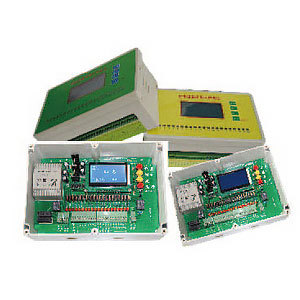
4. Control system failure: The PLC controller output signal is abnormal, or the relay or contactor is damaged, making it impossible to control the dust cleaning cycle normally.
Handling method:
1. Maintenance of pulse valve: Use a multimeter to check the continuity of the solenoid valve coil, replace the burnt coil; Disassemble the pulse valve, clean the impurities in the valve core or replace the damaged diaphragm;
2. Optimize the compressed air system: repair the leaking parts of the pipeline and replace the aging seals; Regularly discharge oil and water from the oil-water separator and install a dryer to improve air quality;
3. Calibration of the spray system: Clean the debris inside the spray pipe, adjust the position of the spray pipe, and ensure that the nozzle is aligned with the opening of the filter element; Replace the damaged nozzle;
4. Check the control system: detect the PLC output signal, repair or replace faulty relays and contactors, and recalibrate the dust cleaning parameters.
(4) Ash unloading device malfunction
Fault phenomenon: The ash unloading device does not operate, operates stutteringly, the ash hopper accumulates and overflows, or there is severe dust leakage during the ash unloading process.
Possible reasons:
1. Motor failure: Ash unloading motor burned out, overload protection triggered, or motor wiring loose;
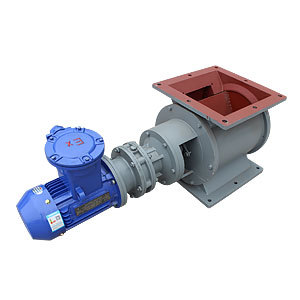
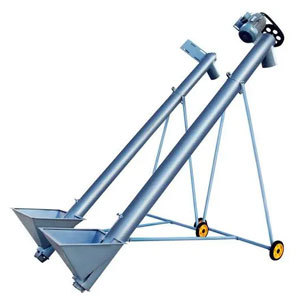
2. Mechanical jamming: The impeller of the star shaped unloader is stuck by large particles of dust/debris, or the blades of the screw conveyor are worn or the bearings are damaged;
3. Sealing failure: The sealing gasket at the connection between the ash unloading device and the ash hopper is aging, causing dust leakage;
4. Ash accumulation and clumping in the ash hopper: Under low temperature and high humidity conditions, dust becomes damp and clumps, making it difficult to fall smoothly.
Handling method:
1. Motor maintenance: Check the continuity of the motor winding and replace the burnt out motor; Check the wiring terminals and tighten loose connections;
2. Remove stuck objects: After stopping the machine, open the maintenance port of the ash discharge device and clean the debris and clumped dust at the impeller/blade; Replace worn blades and damaged bearings;
3. Replace seals: Check the sealing between the ash unloading device and the ash hopper, replace aging/damaged sealing gaskets, and ensure a tight seal;
4. Add anti caking measures: Install heating or vibration devices in the ash hopper to prevent dust from getting damp and clumping.
(5) Abnormal operation of the fan
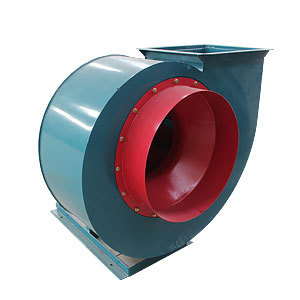
Fault symptoms: severe fan vibration, excessive noise, insufficient air volume, or fan overheating and automatic shutdown.
Possible reasons:
1. Impeller problem: unbalanced dust accumulation on the impeller, blade wear/deformation, or the impeller being stuck by debris;
2. Bearing failure: lack of oil, wear, damaged ball bearings, or improper installation of bearings;
3. Motor failure: motor overload, coil burnout, or motor and fan coupling not being concentric;
4. Duct problem: Blockage and air leakage in the duct can cause abnormal load on the fan.
Handling method:
1. Overhaul the impeller: Clean the dust on the surface of the impeller to ensure its balance; Replace worn/deformed blades and remove debris from the impeller;
2. Maintenance of bearings: Add appropriate lubricating oil and replace worn bearings; Re calibrate the accuracy of bearing installation;
3. Repair the motor and coupling: check the status of the motor, replace the burnt coil; Adjust the concentricity of the coupling to avoid operational deviation;
4. Dredging and sealing the air duct: Clean the accumulated dust inside the air duct, repair damaged air ducts, replace aging gaskets, and reduce air leakage.
(6) Exclusive malfunction of electrostatic precipitator (spark discharge/electric field short circuit)
Fault phenomenon: The equipment frequently alarms, the electric field cannot be established normally, the dust removal efficiency drops sharply, or obvious spark discharge occurs.
Possible reasons:
1. Excessive accumulation of dust on the pole plate/pole line: leading to a reduction in the distance between the two poles and causing a short circuit;
2. Plate/wire deformation: uneven distance between the two poles due to installation deviation or long-term vibration during operation;
3. Insulator pollution/damage: The dust on the surface of the insulator is damp, causing creepage discharge;
4. Abnormal power supply system: High voltage transformer failure, damaged rectifier, resulting in unstable output voltage.
Handling method:
1. Clean the polar plates/wires: After stopping the machine, use high-pressure water or mechanical methods to clean the accumulated dust and correct the deformed polar plates/wires;
2. Maintain insulators: wipe off dust on the surface of insulators, replace damaged insulators, and ensure insulation performance;
3. Maintenance of power supply system: Check the output parameters of high-voltage transformers and rectifiers, repair or replace faulty components, and ensure voltage stability.
2、 General precautions for troubleshooting
1. Safety first: Before handling any faults, the main power supply of the equipment must be cut off and a warning sign reading "Do not close" must be hung; When working at heights, it is necessary to fasten safety belts and wear protective equipment such as dust masks and gloves when in contact with dust.
2. Easy first, difficult later: When troubleshooting, prioritize checking the intuitive and easy to operate parts, and then gradually delve into the maintenance of the control system and internal mechanical components.
3. Record and archive: Keep detailed records of fault phenomena, troubleshooting processes, handling measures, replacement parts, and other information for subsequent traceability and summarization of operation and maintenance experience.
4. Spare parts reserve: Reserve vulnerable parts in advance to avoid delays in project schedule due to lack of spare parts during troubleshooting.
3、 Daily preventive maintenance suggestions
Most faults can be avoided through standardized daily maintenance. It is recommended to establish a daily/weekly/monthly maintenance checklist:
1. Daily: Check the operating pressure difference, air volume, temperature and other parameters of the equipment; Check the operating status of the ash unloading device; Discharge compressed air oil-water separator.
2. Weekly: Check the surface ash condition of the filter element; Verify the action status of the pulse valve; Check if there is any air leakage at the sealing point.
3. Monthly: Clean up the accumulated dust in the ash hopper; Check the lubrication condition of the fan bearings; Overhaul control system components; Conduct a comprehensive inspection of vulnerable components.
The stable operation of industrial dust collectors relies on timely troubleshooting and standardized daily maintenance. This manual covers the most common types of faults and practical solutions, hoping to provide strong support for operation and maintenance personnel. If encountering complex faults that are not covered by the manual, it is recommended to contact professional technicians for troubleshooting and handling to avoid blind operation causing secondary damage to the equipment.
Hot Tags:
PREVIOUS:


Contact Us
Tel:
WeChat:
WhatsApp:
E-mail:
Address:
338 National Road South, Longfengdian Village, Botou City, Hebei Province, China
JiuznTomine is expertly delivering technically complicated projects in markets & provides custom solutions for their customized need.


CONTACT INFO
Tel: +86 18531710311
WeChat: +86-18531710311
338 National Road South, Longfengdian Village, Botou City, Hebei Province, China