


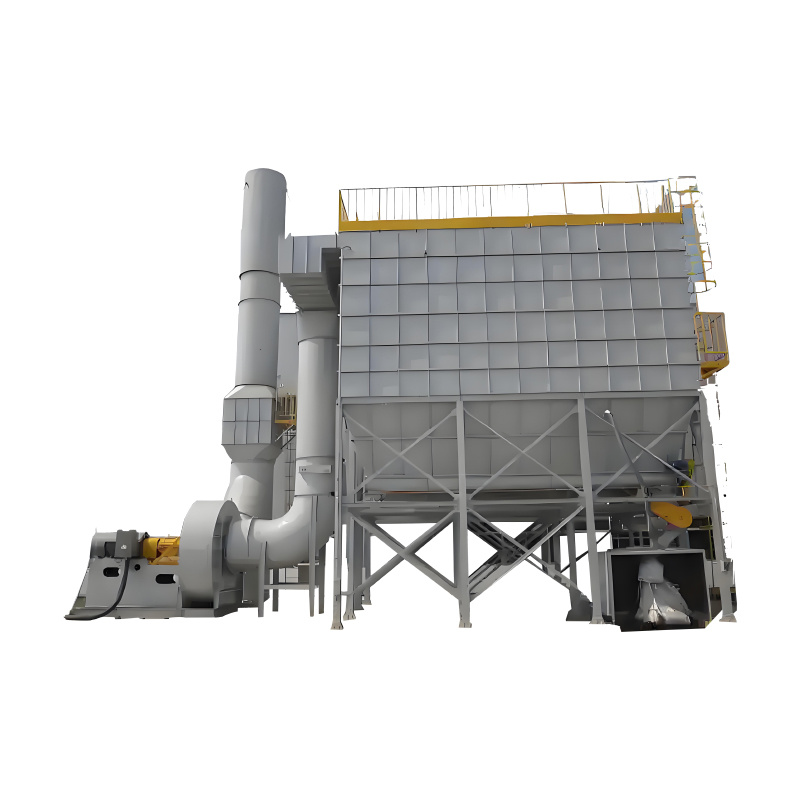
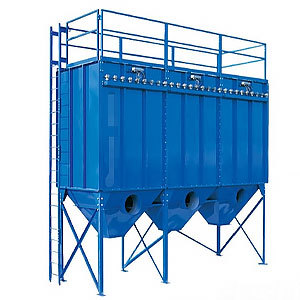
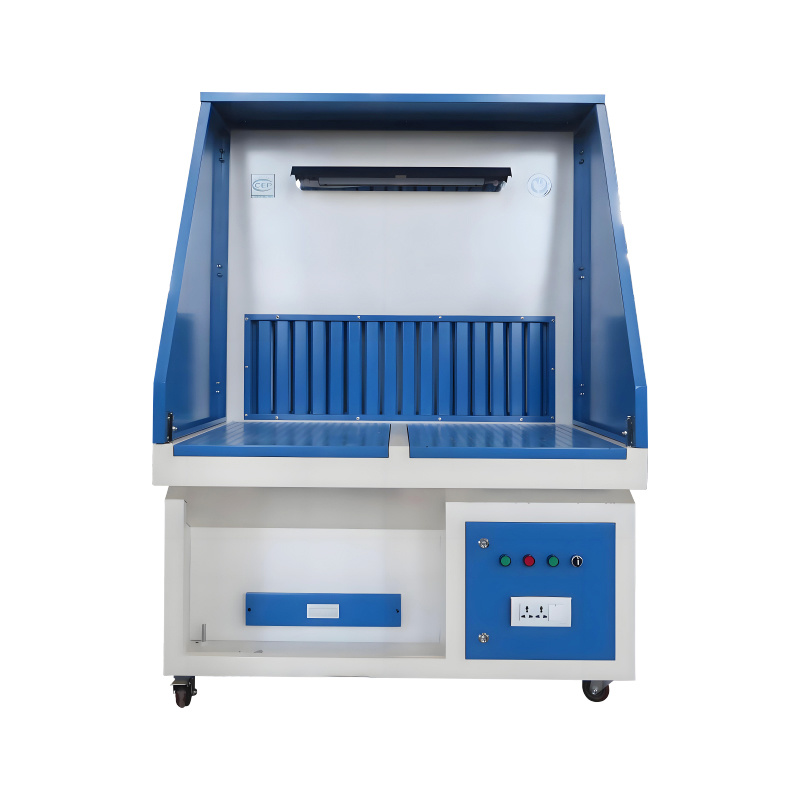
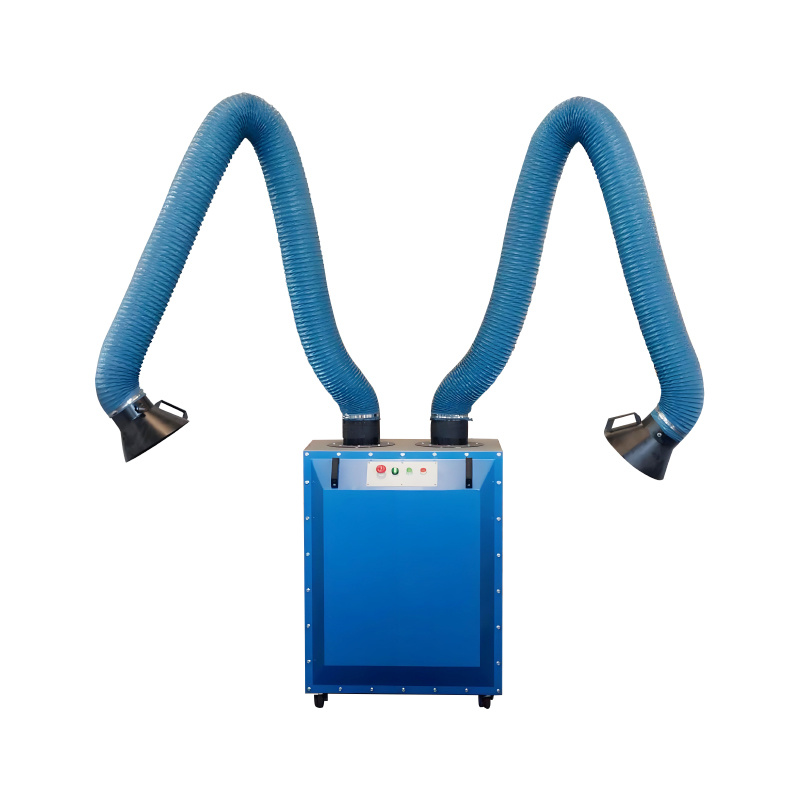









Cost control and energy-saving techniques for the operation and maintenance of industrial dust collectors
Dec 29,2025

As the core equipment for environmental protection production in enterprises, the energy consumption cost, replacement cost of vulnerable parts, and manual maintenance cost during the long-term operation and maintenance process of industrial dust collectors constitute an important part of the operating cost of enterprises. Under the trend of cost reduction and efficiency improvement in the industry, scientifically controlling the operation and maintenance costs of dust collectors and implementing energy-saving measures can not only directly reduce enterprise expenses, but also improve equipment operating efficiency and extend service life. This article compiles practical guidelines from three dimensions: cost breakdown, targeted control techniques, and core methods for energy conservation and consumption reduction, to assist enterprises in achieving low-cost and high-efficiency dust collector operation and maintenance management.
1、 First understand: the core components of the operation and maintenance cost of industrial dust collectors
To accurately control costs, it is necessary to first identify the main sources of operation and maintenance costs and avoid blindly implementing policies. The operation and maintenance costs of industrial dust collectors are mainly divided into four categories, and the optimization space for different types of costs has its own emphasis:
1. Energy consumption cost: the highest proportion, mainly including power consumption for fan operation, compressed air preparation, heating/insulation devices, etc. Among them, power consumption for fans usually accounts for more than 60% of the total energy consumption cost;
2. Replacement cost of vulnerable parts: The core is the regular replacement cost of vulnerable parts such as filter bags, pulse valve membranes, gaskets, bearings, etc. Filter bags are replaced frequently due to differences in working conditions, which is the main expenditure item of this type of cost;
3. Manual maintenance costs: including daily inspections, troubleshooting, equipment cleaning, component replacement, and other labor costs. The more complex the maintenance process and the higher the failure rate, the higher the labor costs;
4. Fault repair cost: The repair cost incurred due to equipment malfunction caused by improper operation and maintenance or component aging. Such costs are sudden and often accompanied by production stoppage losses.
2、 Core skills of cost control: precise implementation of policies to reduce various expenses
By taking targeted measures based on different cost components and equipment operating characteristics, effective control of operation and maintenance costs can be achieved.
1. Strictly control energy consumption costs: starting from core power consuming equipment
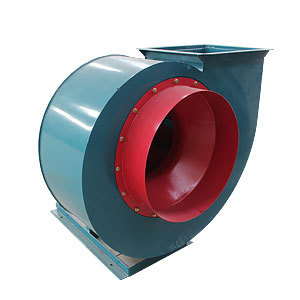
1. Optimize the operating parameters of the fan: The fan is the main power consuming equipment, and it is necessary to avoid the inefficient operating state of "big horses pulling small cars". According to changes in production load, adjusting the fan speed through variable frequency speed regulation technology can match the fan air volume with actual processing requirements, reducing fan power consumption by more than 30%; Regularly clean the dust accumulation on the fan impeller, check the balance of the impeller, reduce the operating resistance of the fan, and improve the power generation efficiency;
2. Improve the utilization efficiency of compressed air: For pulse bag filters, the power consumption of compressed air preparation accounts for a significant proportion. On the one hand, optimize the cleaning parameters to avoid excessive cleaning and reduce the amount of compressed air while ensuring the cleaning effect; On the other hand, regular inspections of compressed air pipelines, repair leaks, install dryers and filters, improve air quality, avoid pulse valve failures caused by moisture and oil pollution, and indirectly reduce energy consumption and waste;
3. Optimize heating/insulation energy consumption: In low-temperature environments, equipment heating and insulation devices will continue to consume electricity. Reasonably set the heating temperature threshold to avoid excessive heating; Replace the aging insulation layer, provide comprehensive insulation for the dust collector casing and pipelines, reduce heat loss, and lower the operating time of the heating device.
2. Reduce the cost of vulnerable parts: Extend the service life of components
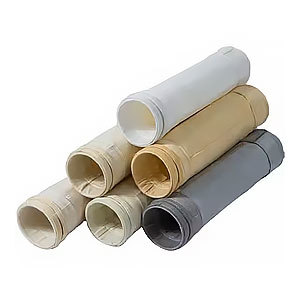
1. Scientific selection+standardized maintenance to extend the life of filter bags: Filter bags are the core expenditure item in vulnerable parts, and their life directly affects costs. Firstly, select filter bags with matching materials based on the temperature, humidity, and dust properties of the flue gas to avoid premature damage caused by mismatched materials; Secondly, to avoid excessive or incomplete cleaning of the filter bag, regularly inspect the cleaning system to ensure even spraying and reduce filter bag wear; Finally, regularly clean the accumulated dust in the ash hopper to avoid dust accumulation compressing the bottom of the filter bag and causing damage;
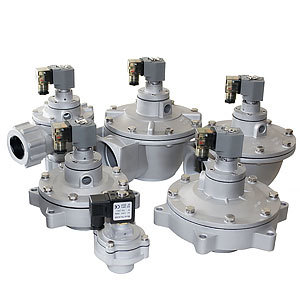
2. Carry out daily maintenance of vulnerable parts: Regularly check the condition of vulnerable parts such as pulse valve diaphragms, gaskets, and fan bearings, clean impurities and add lubricating oil in a timely manner, and repair parts with minor damage in advance to avoid complete scrapping of parts due to minor faults and increase in replacement costs; Bulk procurement of commonly used vulnerable parts, reducing procurement unit price through long-term cooperation, while avoiding premium expenses for emergency procurement.
3. Reduce labor costs: optimize maintenance processes and improve efficiency
1. Establish standardized operation and maintenance processes: develop detailed daily, weekly, and monthly inspection lists, clarify inspection priorities, avoid repeated or missed inspections, and improve manual efficiency;
2. Improve the level of operation and maintenance automation: Install automated monitoring equipment to monitor the real-time operation status of the equipment, automatically alarm in case of abnormalities, and reduce the frequency and difficulty of manual inspections; Realize fully automated linkage of ash cleaning and unloading systems, reducing manual operation steps;
3. Strengthen the training of operation and maintenance personnel: Enhance the professional skills of operation and maintenance personnel, enabling them to quickly troubleshoot faults, standardize equipment operation, reduce fault maintenance and repetitive labor caused by operational errors, and indirectly reduce labor costs.
4. Reduce the cost of fault maintenance: prioritize prevention and conduct early troubleshooting
1. Establish a preventive maintenance system: Regularly conduct comprehensive inspections of equipment, focusing on identifying potential failure points such as shell corrosion, pipeline damage, and control system failure. Repair or replace aging components in advance to avoid minor problems escalating into major failures and reduce sudden maintenance costs and production losses;
2. Standardize the equipment operation process: strictly follow the equipment operation procedures for starting, running, and stopping to avoid equipment damage caused by illegal operations; Establish equipment operation ledger, record information such as fault handling and component replacement, provide data support for subsequent maintenance, and enhance maintenance targeting.
3、 Advanced methods for energy conservation and consumption reduction: technological upgrading and system optimization
In addition to cost control measures in daily operation and maintenance, through technological upgrades and system optimization, energy conservation and consumption reduction can be further achieved, leading to long-term reduction of operation and maintenance costs.
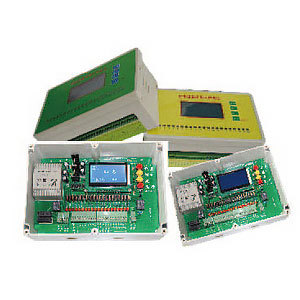
1. Equipment upgrade and renovation: For old dust collectors, energy saving can be achieved by upgrading core components. For example, replacing traditional fans with high-efficiency energy-saving fans, upgrading ordinary controllers to intelligent controllers, and improving equipment operating efficiency; For scenarios with large fluctuations in air volume, install air volume adjustment devices to achieve precise matching;
2. Waste heat recovery and utilization: If the flue gas treated by the dust collector contains waste heat, a waste heat recovery device can be installed to recover the heat in the flue gas for workshop heating, production process heating, etc., reducing the energy consumption of other heating equipment and achieving secondary energy utilization;
3. System linkage optimization: Control the linkage between the dust collector and the front-end production equipment and back-end exhaust gas treatment equipment, automatically adjust the operating parameters of the dust collector according to the production load, and avoid energy waste caused by independent operation of the equipment; Optimize pipeline layout, reduce airflow resistance, and improve the operational efficiency of the entire dust removal system.
4、 Attention: Parallel cost control and environmental compliance
It should be emphasized that cost control and energy conservation cannot be achieved at the expense of environmental standards. When optimizing dust cleaning parameters, reducing fan air volume, and other operations, it is necessary to ensure that the dust removal efficiency of the dust collector meets local environmental standards, in order to avoid exceeding emissions standards and facing environmental penalties due to excessive parameter optimization. At the same time, it is prohibited to reduce costs by reducing maintenance frequency, using inferior and vulnerable parts, etc. Such operations can lead to shortened equipment life, frequent failures, and instead increase long-term operation and maintenance costs.
In summary, the core of cost control and energy conservation for industrial dust collectors lies in "precise control of core costs, extension of component life, optimization of operating parameters, and early prevention of failures". Enterprises need to develop targeted operation and maintenance plans based on their own equipment types and operating conditions. Through daily refined management and necessary technological upgrades, they can achieve the dual goals of reducing operation and maintenance costs and energy consumption, while ensuring stable equipment operation and environmental compliance, providing strong support for cost reduction and efficiency improvement for enterprises.
Hot Tags:


Contact Us
Tel:
WeChat:
WhatsApp:
E-mail:
Address:
338 National Road South, Longfengdian Village, Botou City, Hebei Province, China
JiuznTomine is expertly delivering technically complicated projects in markets & provides custom solutions for their customized need.


CONTACT INFO
Tel: +86 18531710311
WeChat: +86-18531710311
338 National Road South, Longfengdian Village, Botou City, Hebei Province, China