












Common problems with bag filters and solutions to meet environmental emission standards
Dec 29,2025

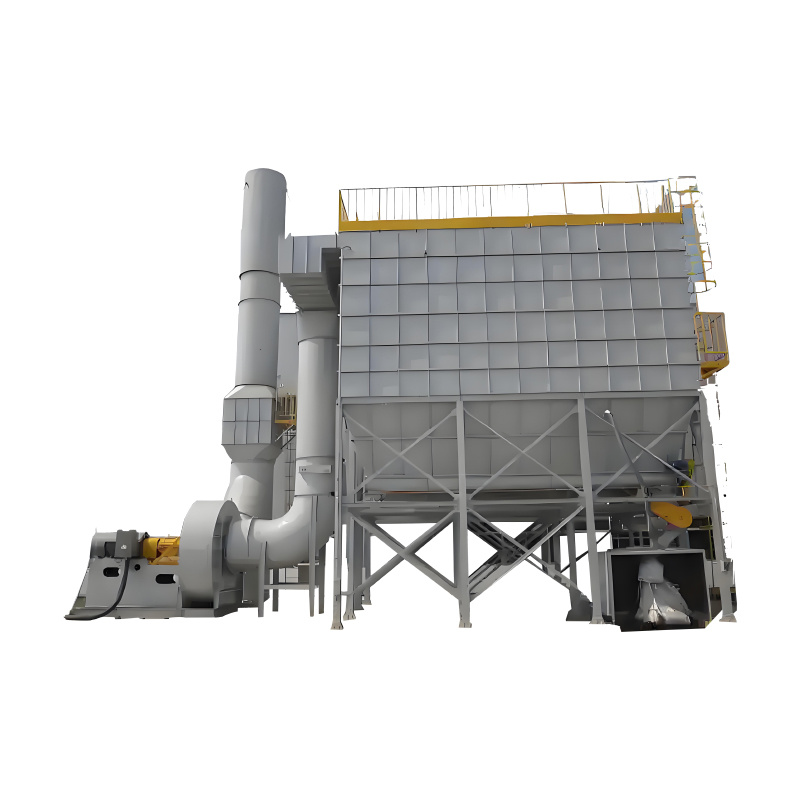
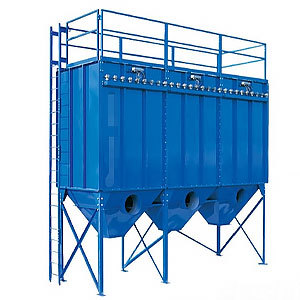
Against the backdrop of increasingly strict environmental regulations, bag filter, as a key equipment for industrial waste gas purification, its operational stability directly determines whether enterprises can achieve dust emission standards. In actual operation, due to factors such as fluctuating working conditions, improper operation and maintenance, and equipment aging, bag filters are prone to problems such as excessive emissions and secondary pollution, which may lead to penalties for enterprises in severe cases. This article focuses on the common problems of bag filters that affect environmental standards, analyzes the causes one by one, and provides practical solutions. At the same time, it provides long-term protection suggestions for compliant emissions to help enterprises build a solid environmental defense line.
1、 Core issue one: Excessive dust concentration at the emission outlet (the most common environmental violation issue)
Problem manifestation: The exhaust smoke at the outlet is turbid, and the dust is visible to the naked eye. Third party testing shows that the dust emission concentration exceeds local environmental standards (such as China GB 16297-1996, EU EEA related standards, etc.), and some scenes are accompanied by the diffusion of odors.
Core causes:
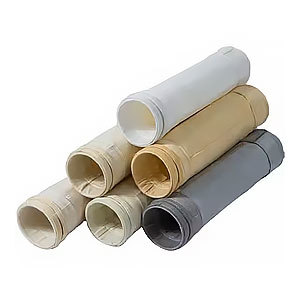
1. Filter bag failure: The filter bag may have holes or fibers falling off due to wear, high temperature sticking, corrosion and aging, making it unable to effectively intercept dust;
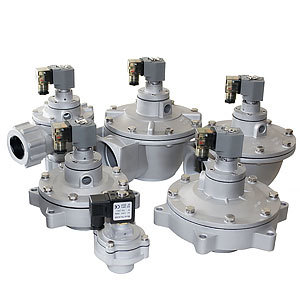
2. Incomplete dust cleaning: Pulse valve failure, unreasonable spraying parameters, insufficient compressed air pressure, resulting in excessive dust accumulation on the surface of the filter bag, decreased air permeability, and some dust penetrating the filter bag;
3. Equipment air leakage: Poor sealing of maintenance doors, damaged pipeline flanges, cracked shell welds, external air infiltration leading to imbalanced negative pressure inside the dust collector, and short circuit discharge of dusty airflow;
4. Improper selection of filter bag: The material of the filter bag does not match the characteristics of the flue gas, resulting in rapid damage and failure of the filter bag.
Standard solution:
1. Accurately check the status of the filter bag: Open the inspection door and visually inspect the surface of the filter bag for any damage, sticking, or fiber detachment. Immediately replace the damaged filter bag with a qualified one of the same model and material; If there is a burnt bag, it is necessary to clean the filter bag or replace the high temperature/anti condensation filter bag, and at the same time check the control of flue gas temperature and humidity;
2. Comprehensive maintenance of the dust cleaning system: Test the action status of the pulse valve one by one, and replace the malfunctioning solenoid valve or diaphragm; Adjust the blowing parameters; Detect the compressed air pressure to ensure stability at 0.4-0.6MPa, install a dryer and filter to remove moisture and oil from the compressed air;
3. Thoroughly repair the air leakage area: replace the sealing strip of the maintenance door and tighten the fixing bolts; Check the flange and shell welds of the pipeline, and repair the damaged parts with sealant or welding method; Install differential pressure gauges at the inlet and outlet of the dust collector to monitor pressure changes in real-time. If the pressure difference is abnormally low, promptly identify any air leaks;
4. Scientific selection of filter bags: Select filter bags that meet the working conditions based on parameters such as flue gas temperature, humidity, and corrosiveness, and consult professional technicians if necessary.
2、 Core issue 2: Non compliant flue gas emission parameters (temperature, humidity, and corrosive substances exceeding the standard)
Problem manifestation: The exhaust gas temperature at the outlet is too high or too low, accompanied by the discharge of condensed water; Some chemical and metallurgical industry enterprises have exceeded the emission standards of acidic/alkaline substances, corroded surrounding equipment and polluted the environment, which does not meet the requirements of environmental protection standards for auxiliary parameters of flue gas.
Core causes:
1. Imbalance in flue gas temperature control: The front-end flue gas cooling/heating device malfunctioned, causing the flue gas temperature entering the dust collector to exceed the design range;
2. Insufficient insulation measures: The shell and pipeline of the dust collector are not insulated or the insulation layer is damaged, resulting in a large amount of moisture generated by the condensation of flue gas in low-temperature environments;
3. Lack of pre-treatment for corrosive substances: The flue gas containing acidic and alkaline substances enters the dust collector directly without neutralization treatment, which not only causes corrosion of filter bags and equipment, but also leads to excessive levels of corrosive substances in the exhaust gas.
Standard solution:
1. Repair the temperature control device: inspect the front-end flue gas cooler and heater to ensure their normal operation; Install a temperature monitor at the inlet of the dust collector, set an alarm threshold, and automatically shut down when the temperature exceeds the design range to avoid equipment damage and excessive emissions;
2. Improve insulation protection: Install or replace insulation layers on the dust collector housing, inlet and outlet pipelines, and wrap the outer layer with waterproof and moisture-proof materials to reduce the temperature loss of flue gas and avoid condensation water;
3. Install a flue gas pretreatment system: For flue gas containing corrosive substances, a neutralization tower is installed at the front end of the dust collector to ensure that the content of corrosive substances in the flue gas entering the dust collector meets the equipment's tolerance range, while ensuring that the exhaust emissions meet the standards.
3、 Core issue three: Secondary pollution (dust flying in the ash hopper, excessive discharge of wastewater)
Problem manifestation: Dust flies during the unloading process of the ash hopper, polluting the workshop and surrounding environment; Some companies directly discharge wastewater from dust collectors, causing water pollution and violating environmental discharge regulations.
Core causes:
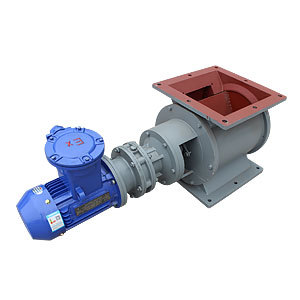
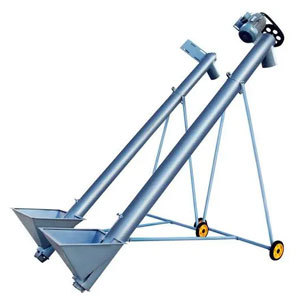
1. Poor sealing of ash unloading device: The sealing components of star shaped unloaders, screw conveyors and other ash unloading equipment are aging, and dust escapes from the gaps during ash unloading;
2. No dust collection supporting facilities: Dust collection hoods and sealed dust collection devices are not installed at the unloading points, and the dust is directly exposed to the air;
3. Lack of wastewater treatment: The wastewater from washing filter bags and equipment contains a large amount of dust and chemicals, and is directly discharged without sedimentation, filtration, or other treatment.
Standard solution:
1. Repair the sealing of the ash unloading device: replace the aging sealing components of the ash unloading equipment, check the gap between the impeller and the shell, and ensure good sealing; Install a sealing gasket at the connection between the ash unloading device and the ash hopper, and tighten the fixing bolts;
2. Install dust collection facilities: Install dust hoods at the ash discharge point, connect small dust collectors, and collect and process the flying dust generated during the ash discharge process; Adopting a sealed ash bucket to avoid dust exposure;
3. Construction of wastewater treatment system: Build a simple wastewater treatment tank. The flushing wastewater first enters the sedimentation tank to settle dust, and the supernatant is filtered by a filtration device before being discharged or recycled for equipment flushing in compliance with standards; Direct discharge of untreated wastewater is prohibited.
4、 Core issue four: Unstable equipment operation, intermittent emissions exceeding standards
Problem manifestation: The equipment frequently malfunctions and shuts down during operation. After restarting, the emissions meet the standard in a short period of time, but soon exceed the standard again; Due to the low degree of equipment automation and improper manual operation, some enterprises experience fluctuations in emissions, making it difficult to consistently meet environmental standards.
Core causes:
1. Aging of core components: Key components such as fans, motors, and controllers experience aging and performance degradation during long-term operation;
2. Automation control system malfunction: The automation modules such as pressure difference monitoring, temperature monitoring, and dust cleaning control fail to automatically adjust parameters according to the equipment operating status;
3. Non standardized operation and maintenance management: Failure to establish a sound operation and maintenance system, untimely manual inspections, and failure to identify potential faults in advance.
Standard solution:
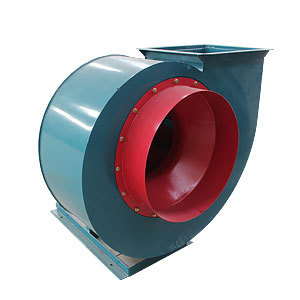
1. Replace aging core components: Regularly check the operating status of fans and motors, and replace components with severe wear and performance degradation in a timely manner; Regularly add lubricating oil to the fan bearings to ensure smooth operation;
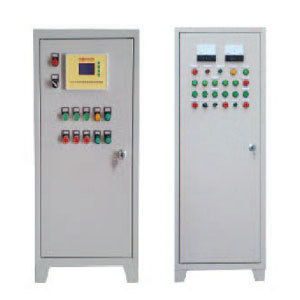
2. Maintenance of automated control system: calibrate monitoring instruments such as differential pressure gauges and thermometers to ensure accurate data; Check the controller program, repair or replace malfunctioning control modules, achieve automated linkage of functions such as cleaning, unloading, and temperature control, and reduce manual operation errors;
3. Establish a standardized operation and maintenance system: develop a daily inspection checklist, focusing on monitoring the status of discharge outlets, equipment operating parameters, and sealing conditions; Establish equipment operation ledger to record information such as fault handling, component replacement, parameter adjustment, etc; Regularly conduct environmental compliance self inspections and identify potential issues in advance.
5、 Suggestions for long-term guarantee of environmental protection and emission standards for bag filter
1. Regular environmental testing: Entrust a third-party professional organization to regularly test the dust concentration, smoke parameters, and wastewater discharge indicators at the emission outlet to ensure that the data meets local environmental standards, and retain the testing report for record keeping;
2. Strengthen the training of operation and maintenance personnel: enhance the environmental awareness and professional skills of operation and maintenance personnel, so that they can master equipment operation standards, troubleshooting methods, and environmental compliance requirements, and avoid excessive emissions caused by improper operation;
3. Optimize working condition matching: Adjust the operating parameters of the dust collector in a timely manner according to changes in production load, avoid equipment overload or low load operation, and ensure stable filtration efficiency;
4. Reserve emergency supplies: reserve a batch of qualified filter bags, gaskets, pulse valves and other vulnerable parts, which can be quickly replaced and repaired in case of equipment failure, reducing the duration of excessive emissions;
5. Pay attention to environmental policy updates: Keep abreast of changes in local and industry environmental policies, upgrade and renovate equipment in advance, and ensure long-term compliance with regulatory requirements.
In summary, the core of achieving environmental emission standards for bag filters lies in "precise problem solving+standardized daily operation and maintenance+long-term compliance management". Enterprises need to identify the causes of common problems such as excessive emissions and secondary pollution, implement targeted solutions, and establish a sound operation and compliance testing system in order to continuously and stably meet environmental requirements and avoid the risk of violations. For complex working conditions or technical difficulties, it is recommended to consult professional environmental technology service agencies to obtain customized solutions.
Hot Tags:


Contact Us
Tel:
WeChat:
WhatsApp:
E-mail:
Address:
338 National Road South, Longfengdian Village, Botou City, Hebei Province, China
JiuznTomine is expertly delivering technically complicated projects in markets & provides custom solutions for their customized need.


CONTACT INFO
Tel: +86 18531710311
WeChat: +86-18531710311
338 National Road South, Longfengdian Village, Botou City, Hebei Province, China