


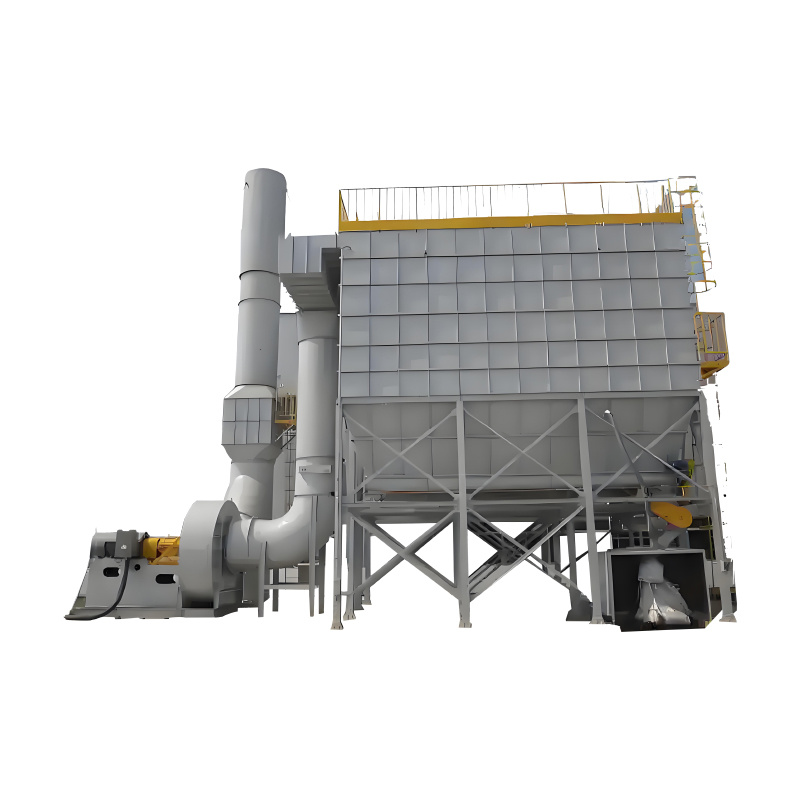
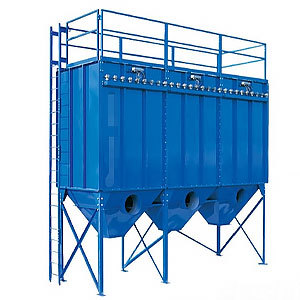
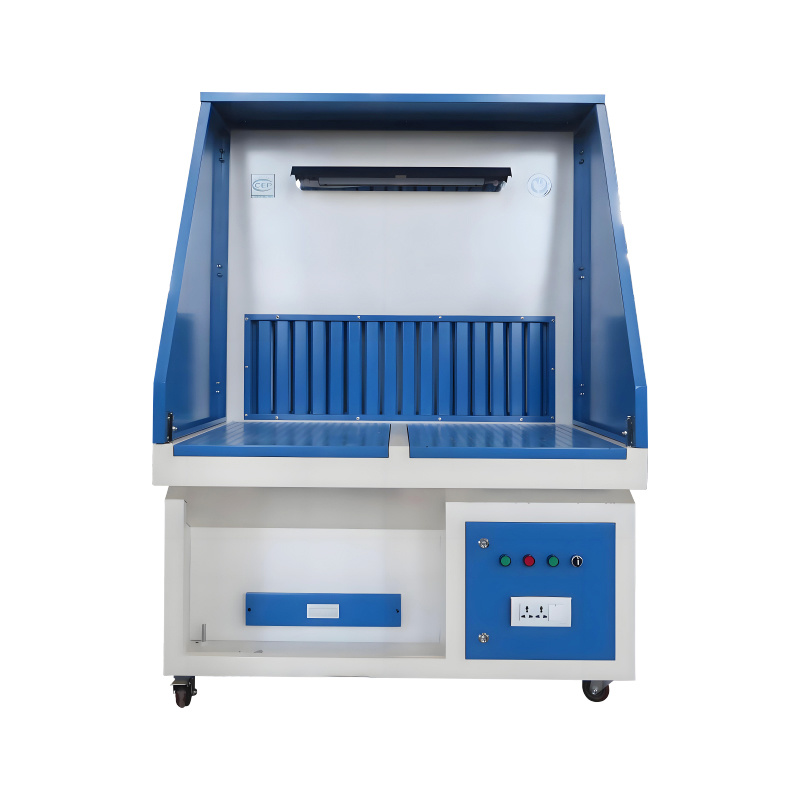
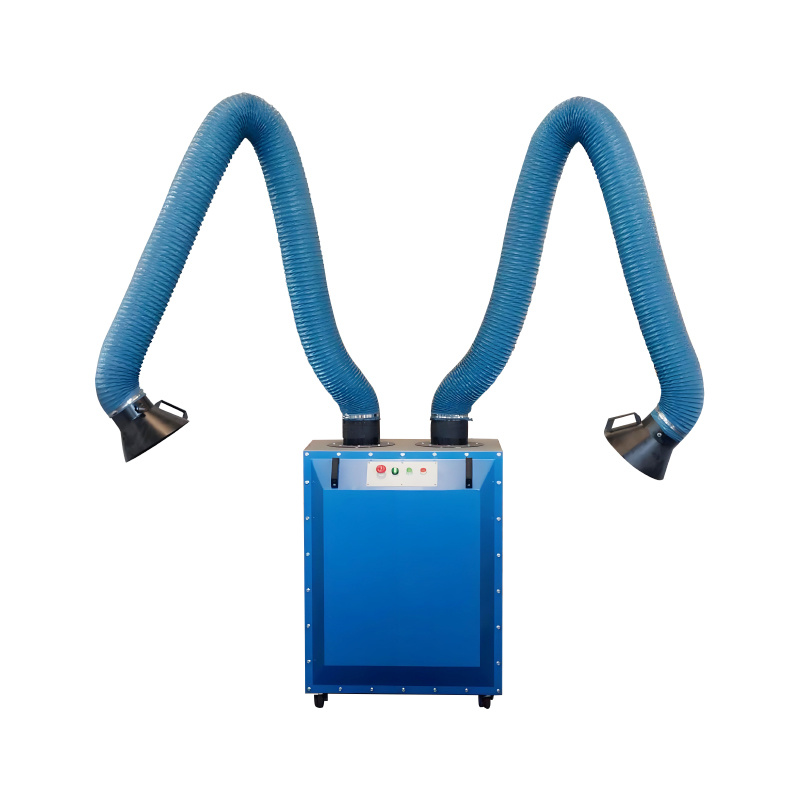









Common misconceptions and solutions for dust removal equipment, correcting incorrect usage awareness
Dec 27,2025

In the dust removal process of industrial production, many enterprises or operation and maintenance personnel have cognitive biases in the principles, selection, operation, and maintenance of dust removal equipment, resulting in low operating efficiency, frequent failures, shortened service life, and even inability to meet environmental emission standards. This article focuses on the 8 common misconceptions in the entire process of using dust removal equipment, dismantling them one by one, analyzing potential hazards, and providing scientific correction plans to help relevant personnel establish correct usage concepts and ensure stable and efficient operation of the equipment.
Misconception 1: Choosing only based on price, ignoring the compatibility of working conditions
Misconception: Believing that all dust removal equipment has similar functions and prioritizing low-priced products when purchasing, without considering their own working conditions (such as dust properties, flue gas temperature, processing air volume, etc.).
Misunderstanding hazards: low-priced equipment often cannot adapt to specific working conditions. For example, using a bag filter with ordinary polyester filter bags to treat high-temperature flue gas can cause the filter bags to burn out quickly; Using a cyclone dust collector to process fine dust may result in substandard dust removal efficiency; The equipment processing air volume is lower than the actual demand, which can lead to the dispersion of dust in the workshop. Ultimately, repeated maintenance and replacement may increase overall costs and potentially face environmental penalties.
Correct understanding: Selection is the foundation for the effective operation of dust removal equipment, and the core is "working condition matching" rather than "price priority". The core operating parameters need to be clarified first: ① Dust properties (particle size, density, humidity, corrosiveness, flammability and explosiveness); ② Smoke parameters (temperature, humidity, dust concentration, corrosiveness); ③ Handling requirements (air volume, emission standards, installation space). Further targeted selection of equipment types: such as cyclone dust collectors for handling large particle dust, bag/electrostatic precipitators for handling small dust, and equipment made of high-temperature and corrosion-resistant materials for handling high-temperature and corrosive flue gas.
Misconception 2: The larger the air volume, the better the dust removal effect
Misconception: Believing that increasing the air volume of dust removal equipment can enhance the dust removal effect, blindly adjusting the fan speed or selecting high air volume equipment far beyond actual needs.
Misunderstanding hazards: Excessive air volume not only significantly increases energy consumption, but also causes a series of problems: ① Excessive air volume in cyclone dust collectors can easily lead to secondary dust flying, reducing separation efficiency; ② Excessive air flow in bag filters can exacerbate filter bag wear, shorten service life, and increase the burden on the dust cleaning system; ③ Excessive airflow speed can impact the equipment casing, leading to increased vibration, noise, and even damage to pipeline connections.
Correct understanding: The dust removal effect is not positively correlated with air volume, but rather there exists an "optimal adaptive air volume". The design air volume of the equipment is accurately calculated based on the processing conditions and must be operated strictly according to the design parameters. If poor dust removal effect is found, problems such as filter bag blockage, equipment air leakage, and ineffective dust cleaning should be investigated first, rather than blindly increasing the air volume. If the actual working conditions change, the equipment needs to be modified or replaced through professional calculations to ensure that the air volume matches the working conditions.
Misconception 3: Neglecting equipment sealing and thinking that a small amount of air leakage does not affect it
Misconception: Thinking that as long as the core components of the dust removal equipment are normal, a small amount of air leakage in the shell, flange, maintenance door, and other parts is not important and will not affect the overall operation.
Misunderstanding hazards: Air leakage is the "invisible killer" of dust removal equipment, and even a small amount of air leakage can cause serious impacts: ① Reduced dust removal efficiency: External cold air entering the equipment can damage the internal airflow field, resulting in insufficient dust separation/filtration and an increase in dust concentration at the discharge outlet; ② Increasing equipment resistance: Air leakage can change the airflow velocity inside the equipment, causing an abnormal increase in inlet and outlet pressure difference and an increase in fan load; ③ Aggravated damage to filter bags: For equipment that deals with high-temperature flue gas, the infiltration of cold air can cause a sudden drop in flue gas temperature, causing water vapor to condense on the filter bags, resulting in bag sticking and corrosion; ④ Energy waste: Air leakage can cause the fan to require additional work, resulting in a significant increase in energy consumption.
Correct understanding: Sealing performance is the key to the stable operation of dust removal equipment, and it is necessary to achieve "zero air leakage" control. Regularly inspect the shell welds, flange connections, maintenance door gaskets, pipeline interfaces, and other parts on a daily basis. If any looseness, aging, or damage is found, it should be dealt with in a timely manner; Ensure accurate connection of all components of the equipment during installation to avoid inadequate sealing due to installation deviations; After maintenance, it is necessary to carefully inspect the sealing parts and confirm that they are correct before starting the equipment.
Misconception 4: The more frequent the dust cleaning, the cleaner the filter bag will be
Misconception: Believing that frequent activation of the dust cleaning system can keep the filter bag clean at all times, thereby improving dust removal efficiency.
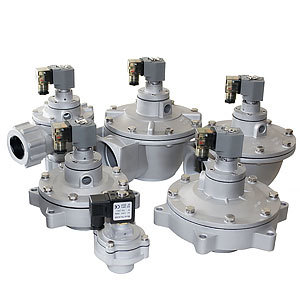
Misunderstanding hazards: Excessive cleaning can cause irreversible damage to filter bags and equipment: ① exacerbating filter bag wear: the high-pressure airflow of pulse cleaning can impact the filter bag fibers, and frequent cleaning can lead to filter bag fiber fatigue, fracture, and shortened service life; ② Destroying the dust layer of the filter bag: The "initial dust layer" on the surface of the filter bag is the key to improving filtration efficiency. Excessive cleaning will completely strip it off, causing fine dust to directly penetrate the filter bag and reduce dust removal efficiency; ③ Increase compressed air consumption: Frequent dust cleaning will significantly increase the usage of compressed air and increase operation and maintenance costs; ④ Causing malfunctions in the dust cleaning system: components such as pulse valves and spray pipes work at high frequencies for a long time, which can lead to fatigue damage and increase the frequency of malfunctions.
Correct understanding: Dust cleaning should follow the principle of "cleaning on demand", with "equipment inlet and outlet pressure difference" as the core judgment basis. When the pressure difference reaches the upper limit of the equipment design (usually 800-1200Pa), start the dust cleaning system; Stop cleaning when the pressure difference drops to the lower limit (usually 300-500Pa). At the same time, set the cleaning parameters reasonably: spraying interval (usually 10-30 seconds), spraying time (usually 0.1-0.3 seconds), to avoid excessive cleaning or incomplete cleaning.
Misconception 5: After the filter bag is damaged, it does not affect its usability
Misconception: Believing that a small number of damaged filter bags will not have a significant impact on the overall dust removal effect and do not need to be replaced in a timely manner, and waiting for a large number of damaged bags before replacing them in bulk.
Misunderstanding hazards: Failure to replace damaged filter bags in a timely manner can lead to "chain problems": ① Large amount of dust leakage: Damaged filter bags cannot intercept dust, and dusty airflow is directly discharged from the damaged area, resulting in excessive dust concentration at the discharge outlet, polluting the environment and facing environmental penalties; ② Intensifying the burden on other filter bags: After a few filter bags are damaged, most of the airflow will pass through the damaged area, causing a sudden increase in the airflow velocity of other intact filter bags, accelerating the accumulation of dust, and exacerbating wear and blockage; ③ Damage to subsequent equipment: The leaked dust will enter the fan and exhaust pipeline, causing dust accumulation and wear on the fan impeller, pipeline blockage, and increasing equipment maintenance costs; ④ Expanding the scope of the fault: If the damaged filter bag is not dealt with in a timely manner, it may expand the damaged area due to airflow impact, and even damage the surrounding filter bags together.
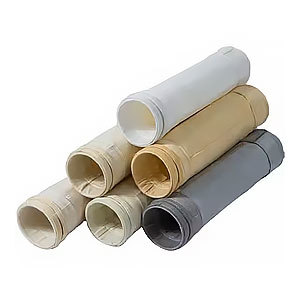
Correct understanding: The filter bag is the core filtering element of the dust removal equipment, and once it is found to be damaged, it should be replaced immediately. Regularly check the status of the filter bag on a daily basis (by observing or detecting the dust concentration at the discharge outlet through the maintenance door). If any damage is found, replace the filter bag with the same model and material in a timely manner; When replacing, pay attention to standardized installation, ensure that the filter bag is tightly sealed with the flower board, and avoid air leakage; At the same time, reserve a certain number of spare filter bags for quick replacement and reduce equipment downtime.
Misconception 6: Failure to unload ash in a timely manner is not a big problem
Misconception: Thinking that it's okay to accumulate more dust in the ash hopper, as long as it doesn't overflow, it won't affect the operation of the equipment and there's no need to unload the dust on time.
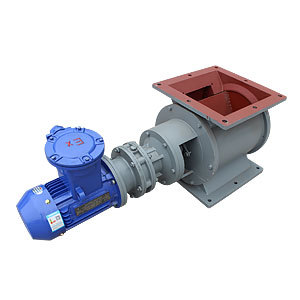
Misunderstanding hazards: Failure to unload ash in a timely manner can lead to serious malfunctions: ① Blockage of equipment channels: Excessive ash accumulation in the ash hopper can block the channels at the bottom of the cone and below the filter bag, disrupting the airflow circulation inside the equipment, causing a sudden increase in resistance and a significant decrease in air volume; ② Secondary dust flying: Excessive dust accumulation can be re rolled up by the airflow, leading to a decrease in dust removal efficiency and an increase in dust concentration at the emission outlet; ③ Damaged ash discharge device: Long term accumulation of ash can lead to overload operation of the ash discharge device (star shaped unloader, screw conveyor), frequent motor burnout, impeller jamming and other faults; ④ Causing safety hazards: If dealing with flammable and explosive dust, excessive dust accumulation will increase the risk of dust explosion.
Correct understanding: Ash unloading is an important part of the operation of dust removal equipment, and it needs to be done in a timely and thorough manner. It is necessary to ensure the continuous and stable operation of the ash unloading device in daily life, regularly check the operating status of the ash unloading device (for any abnormal noise or jamming), and promptly repair any faults found; Real time monitoring of ash accumulation through the ash hopper observation window or level gauge to avoid ash accumulation exceeding half of the ash hopper capacity; For dust with high humidity and easy clumping, heating or vibration devices should be installed in the ash hopper to prevent dust from sticking and clumping, which may affect ash discharge.
Misconception 7: Equipment installation does not require debugging and can be started directly
Misconception: Believing that after the installation of dust removal equipment is completed, there is no need for debugging and it can be started directly to operate normally.
Misunderstanding hazards: Starting the equipment directly without debugging can easily lead to abnormal operation and component damage: ① Uneven airflow distribution: If the position of the guide plate and air inlet is installed incorrectly, it can cause uneven airflow distribution inside the equipment, overload of filter bags in some areas, and ineffective operation in some areas, resulting in low dust removal efficiency; ② Coaxiality deviation: The connection shaft between the fan and the equipment is not concentric, which can cause severe vibration, excessive noise, and damage to components such as bearings and couplings; ③ Unreasonable parameter settings: Failure to adjust parameters such as cleaning interval, spraying time, and fan speed according to operating conditions can result in incomplete cleaning, high energy consumption, or filter bag wear; ④ Safety hazard: Failure to check equipment sealing and protective devices may result in air leakage, dust leakage, or personnel safety accidents.
Correct understanding: After installation, the equipment must undergo comprehensive debugging and be qualified before it can be put into use. The key points of debugging include: ① checking the installation accuracy of the equipment (such as coaxiality, levelness, and sealing performance); ② Test the airflow distribution and adjust the position of the deflector; ③ Debug the dust cleaning system and set reasonable dust cleaning parameters; ④ Test the operating status of the fan and adjust the speed to the design air volume; ⑤ Conduct no-load and load test runs, monitor parameters such as inlet and outlet pressure difference, air volume, and emission concentration to ensure compliance with design requirements and environmental standards.
Misconception 8: Only focusing on dust removal effect, neglecting daily maintenance
Misconception: It is believed that as long as the equipment can remove dust normally, there is no need to spend time and cost on daily maintenance, and it can be repaired after a malfunction occurs.
Misunderstanding hazards: Neglecting daily maintenance can lead to frequent equipment failures and shortened service life: ① Small problems can evolve into major failures: such as minor air leaks, small dust accumulation in filter bags, etc. If not dealt with in a timely manner, they will gradually develop into serious failures such as high equipment resistance, batch damage to filter bags, and fan damage, resulting in significantly increased maintenance costs; ② Continuous decline in equipment operating efficiency: With component wear and dust accumulation, the dust removal efficiency of the equipment will gradually decrease, ultimately failing to meet environmental emission standards; ③ Increased safety risks: Equipment that has not been maintained for a long time, with aging seals and loose structures, is prone to safety hazards such as dust leakage, vibration, and even component detachment; ④ Increase downtime: Sudden failures can cause production interruptions, and compared to planned downtime for regular maintenance, sudden downtime has a greater impact on production.
Correct understanding: "Preventive maintenance" is superior to "fault repair", and daily maintenance is the key to ensuring stable operation of equipment. A comprehensive maintenance system needs to be established: ① Daily monitoring of operating parameters and recording of abnormal situations; ② Check the ash cleaning system, ash unloading device, and sealing parts every week, and clean up accumulated ash; ③ Conduct a comprehensive monthly inspection of core components such as filter bags, fans, and pipelines, and replace aging and vulnerable parts; ④ Regularly calibrate monitoring instruments to ensure accurate data; ⑤ Develop an annual deep maintenance plan based on equipment usage instructions and operating conditions, and conduct comprehensive maintenance and upkeep of the equipment.
The efficient operation of dust removal equipment relies on correct understanding and scientific operation and maintenance. The essence of the above misunderstandings is often due to insufficient understanding of equipment principles, adaptability to working conditions, and operating rules. Only by abandoning erroneous cognition, selecting based on "working condition matching" as the core, operating on the principle of "on-demand operation", and ensuring "regular maintenance" to extend the service life, can dust removal equipment fully play its role, meet environmental requirements, and reduce operation and maintenance costs. If you encounter complex problems during the use of the equipment, it is recommended to consult professional technicians in a timely manner to avoid aggravating the malfunction due to misoperation.
Hot Tags:


Contact Us
Tel:
WeChat:
WhatsApp:
E-mail:
Address:
338 National Road South, Longfengdian Village, Botou City, Hebei Province, China
JiuznTomine is expertly delivering technically complicated projects in markets & provides custom solutions for their customized need.


CONTACT INFO
Tel: +86 18531710311
WeChat: +86-18531710311
338 National Road South, Longfengdian Village, Botou City, Hebei Province, China