












Common problem handling of cyclone dust collector, quickly restore normal operation
Dec 27,2025

Cyclone dust collectors, with their advantages of simple structure, low cost, and convenient maintenance, are widely used in dust pretreatment or primary purification scenarios in industries such as mining, building materials, chemical, and grain processing. During long-term operation, factors such as dust properties, operating parameters, and equipment aging can easily lead to decreased dust removal efficiency, equipment vibration, and poor ash discharge. If not addressed in a timely manner, it can seriously affect operational stability. This article summarizes six common problems of cyclone dust collectors, detailing the causes and quick solutions to help operation and maintenance personnel efficiently solve faults and restore normal equipment operation.
1、 Core issue one: Significant decrease in dust removal efficiency
Problem phenomenon: The dust concentration at the emission outlet has significantly increased, and the purified exhaust gas is turbid. The workshop or surrounding environment is filled with dust, and the dust removal effect is far below the design standard.
Possible reasons:
1. Improper inlet wind speed: Excessive wind speed can cause secondary dust flying, while low wind speed cannot effectively separate fine dust;
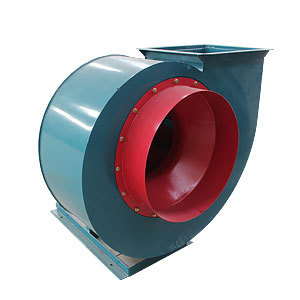
2. Poor sealing performance of equipment: Leakage of air in parts such as the dust collector housing, inlet and outlet pipe flanges, and maintenance doors can damage the airflow field and reduce separation efficiency when external air enters;
3. Mismatched dust properties: The processed dust particles are too fine (with a high proportion of particles smaller than 5 μ m), have high humidity, or have a low dust density, all of which can affect the centrifugal separation effect;
4. Excessive dust accumulation inside the dust collector: The cone and cylinder walls are blocked by dust accumulation, reducing the effective separation space and disrupting the airflow rotation trajectory.
Quick processing method:
1. Adjust the inlet wind speed: By adjusting the fan valve or variable frequency to adjust the fan speed, calibrate the inlet wind speed to the optimal range of equipment design. If the pipeline diameter does not match, the pipeline can be appropriately modified to improve wind speed stability;
2. Check and repair air leakage points: Check the shell welds, flange connections, and maintenance door gaskets one by one, repair the air leakage points with sealant, replace aging gaskets, tighten bolts, etc. If necessary, apply sealing coating to the air leakage parts;
3. Targeted treatment of dust issues: If the dust is too fine, it may be considered to install a pre-treatment device; If the dust humidity is high, a drying or insulation device should be installed in front of the inlet to avoid dust adhesion;
4. Clean up internal dust accumulation: Turn off the equipment power, open the maintenance door, use compressed air to blow or manually clean the dust accumulation on the inner wall and cone of the cylinder to ensure smooth separation space.
2、 Core issue 2: Severe vibration during equipment operation
Problem phenomenon: The overall vibration of the dust collector is obvious during operation, accompanied by abnormal noise. In severe cases, it may cause the support to loosen, the pipeline connection to crack, and even affect the operation of surrounding equipment.
Possible reasons:
1. Coaxiality deviation between fan and dust collector: The connecting shaft between fan and dust collector is not concentric, resulting in eccentric vibration during operation;
2. Unbalanced dust accumulation on the fan impeller: Dust accumulates on the surface of the fan impeller, causing the center of gravity to shift and generating centrifugal vibration during operation;
3. The equipment installation is not firm: the fixing bolts of the bracket are loose, and the foundation settlement leads to insufficient stability during the operation of the dust collector;
4. Abnormal airflow pulsation: The inlet airflow is unstable and pulsating violently, causing resonance by impacting the inner wall of the dust collector.
Quick processing method:
1. Correction of coaxiality: After stopping the machine, remove the connecting parts between the fan and the dust collector, use a dial gauge to check and adjust the coaxiality of the two, ensure that the deviation is within the allowable range (generally not exceeding 0.05mm), and re tighten the connecting bolts;
2. Clean the fan impeller: Disassemble the fan casing, use tools to clean the dust and adhesive on the surface of the impeller, ensure the balance of the impeller center of gravity, and perform dynamic balance calibration if necessary;
3. Installation of reinforcement equipment: Check the fixing bolts of the bracket and the foundation foot bolts, tighten the loose bolts. If the foundation settles, adjust the levelness of the equipment again and add reinforcement brackets if necessary;
4. Stabilize inlet airflow: Check for blockages or deformations in the inlet pipeline, clean up debris inside the pipeline. If the airflow pulsation originates from upstream equipment, a stabilizing device or buffer section can be added to the inlet pipeline.
3、 Core issue three: Poor ash discharge or blockage caused by ash accumulation
Problem phenomenon: Excessive dust accumulation in the ash hopper prevents the ash discharge device (such as star shaped unloaders and screw conveyors) from discharging ash properly, and even causes dust to overflow from the maintenance door. In severe cases, it can block the bottom of the cone and disrupt the airflow circulation.
Possible reasons:
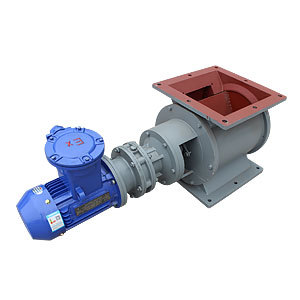
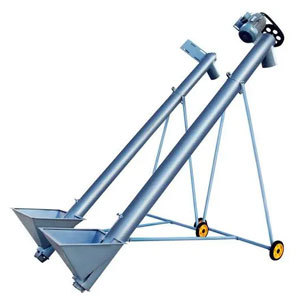
1. Ash discharge device malfunction: The star shaped unloader motor is damaged, the impeller is stuck, or the spiral conveyor blades are worn or the chain is loose, resulting in the interruption of ash discharge;
2. Dust adhesion and agglomeration: The processed dust has high humidity or low ambient temperature, which causes the dust to adhere and agglomerate in the ash hopper, making it difficult to fall smoothly;
3. Blockage of ash hopper discharge port: Large particles of debris and clumped dust get stuck in the discharge port, hindering the discharge of dust;
4. The cone angle of the dust collector is too small: The cone angle design is unreasonable (generally should not be less than 60 °), which causes dust to accumulate on the cone wall and cannot slide into the ash hopper.
Quick processing method:
1. Maintenance of ash unloading device: Check the operation status of the star shaped unloader motor, clean the dust and debris stuck in the impeller, and replace damaged motors or impellers; Repair the screw conveyor, replace worn blades, and adjust the tightness of the chain;
2. Handling adhesive dust: Install a heating device outside the ash hopper or introduce hot air to increase the temperature inside the ash hopper and loosen the agglomerated dust; It is also possible to manually enter the ash hopper to clean clumps;
3. Clean the ash discharge outlet: Turn off the equipment power, remove the cover plate of the ash discharge outlet, use tools to clean up blocked debris and clumped dust, and ensure that the ash discharge channel is unobstructed;
4. Optimize the cone structure: If the cone angle is too small, regular blowing can be used to reduce dust accumulation in the short term. In the long term, the cone needs to be modified to increase the angle to a reasonable range.
4、 Core issue four: High equipment resistance
Problem phenomenon: The pressure difference between the inlet and outlet of the dust collector exceeds the normal range (usually normal resistance is 500-1500Pa), the operating load of the fan increases, the air volume decreases significantly, and the energy consumption of the equipment increases.
Possible reasons:
1. Severe internal dust accumulation: excessive dust accumulation on the inner wall, cone, and inlet and outlet pipelines of the cylinder reduces the airflow channel, resulting in increased resistance;
2. Blockage of outlet pipeline: The purified gas discharge pipeline is blocked by dust or debris on the inner wall due to long-term use, resulting in poor exhaust;
3. Improper adjustment of fan valve: Insufficient opening of fan outlet valve or excessive adjustment of inlet valve, resulting in obstructed airflow discharge and increased resistance;
4. Improper equipment selection: The air volume processed by the dust collector is lower than the actual operating air volume, resulting in high airflow velocity and increased resistance inside the equipment.
Quick processing method:
1. Comprehensive cleaning of accumulated dust: After stopping the machine, open the maintenance door and use compressed air to blow or manually clean the accumulated dust on the inner wall, cone, and inlet and outlet pipelines of the cylinder to ensure smooth airflow channels;
2. Cleaning the outlet pipeline: Disassemble the maintenance port of the outlet pipeline, clean the accumulated dust and debris inside the pipeline, and if necessary, rinse with high-pressure water (thoroughly air dry after rinsing);
3. Adjust the fan valve: increase the opening of the fan outlet valve appropriately, adjust the inlet valve to a reasonable position, ensure smooth airflow discharge, and restore the resistance to the normal range;
4. Evaluation of equipment selection: If the selection is improper, the equipment can be adapted to the operating air volume in the short term, and the dust collector model that meets the actual processing needs needs needs needs needs needs to be replaced in the long term.
5、 Core issue five: Corrosion and damage to the shell
Problem phenomenon: The shell and cone of the dust collector are corroded and perforated, especially when dealing with acidic, alkaline dust or corrosive flue gas. The corrosion phenomenon is more obvious, and in severe cases, it can lead to air and dust leakage.
Possible reasons:
1. Smoke/dust is corrosive: The processed smoke contains acidic gases such as SO ₂ and NOx, or the dust is alkaline or acidic, which can cause chemical corrosion when in contact with the shell for a long time;
2. Environmental humidity impact: The equipment installation environment has high humidity, or rainwater seeps into the interior of the shell during rainy days, causing electrochemical corrosion of the metal shell;
3. Improper selection of shell material: Corrosion resistant materials were not selected according to the working conditions, and ordinary carbon steel materials are prone to corrosion after long-term use.
Quick processing method:
1. Repair corroded areas: For minor rust, it can be polished and rust removed before applying anti-corrosion coating; For the perforated area, it is necessary to cut the damaged area, replace it with a plate of the same material or corrosion-resistant material, and perform anti-corrosion treatment after welding;
2. Targeted anti-corrosion treatment: If dealing with corrosive media, corrosion-resistant lining can be applied inside the shell, or replaced with a shell made of stainless steel or fiberglass material;
3. Improve the operating environment: Take rainproof measures for equipment to avoid rainwater infiltration; In humid environments, dehumidification devices can be added to reduce environmental humidity.
6、 Core issue six: The air outlet carries water/oil
Problem phenomenon: Water droplets and oil droplets are carried in the gas discharged from the dust collector outlet, polluting the surrounding environment. If other equipment is connected later, it will also damage the subsequent equipment.
Possible reasons:
1. The moisture content of the processed flue gas is too high: the flue gas temperature is close to or lower than the dew point temperature, causing water vapor to condense into water droplets;
2. Upstream equipment oil leakage: If the front-end equipment leaks oil, the oil will enter the dust collector with the airflow and eventually be discharged from the air outlet;
3. Lack of dehydration/degreasing equipment: For wet and oily flue gas, no dehydrator or degreaser is installed at the inlet or outlet of the dust collector.
Quick processing method:
1. Increase flue gas temperature: Install a heating device in front of the flue gas inlet to raise the flue gas temperature above the dew point temperature and avoid water vapor condensation;
2. Dealing with upstream oil leakage issues: repairing front-end fans, air compressors, and other equipment, replacing aging seals, repairing oil leakage areas, and preventing oil stains from entering the dust collector;
3. Install dehydration/degreasing devices: Install cyclone dehydrators and degreasers in the inlet pipeline of the dust collector, or install wire mesh demisters at the outlet to separate water droplets and oil droplets in the gas.
7、 Daily prevention and operation suggestions
To reduce the occurrence of cyclone dust collector failures, daily preventive measures need to be taken:
1. Regular monitoring of operating parameters: Record daily parameters such as inlet and outlet pressure difference, air volume, fan current, and flue gas temperature, and promptly investigate any abnormalities found;
2. Regular cleaning of accumulated dust: Depending on the working conditions, clean the inner wall, cone, and ash hopper of the cylinder once a week or month to avoid excessive dust accumulation;
3. Regular inspection of sealing and connection: Check the sealing condition of the shell, flange, and maintenance door once a month, as well as the firmness of the connection of the support and pipeline, and promptly deal with any looseness or air leakage problems;
4. Adapt operating parameters: Strictly operate according to the designed air volume and dust properties of the equipment to avoid overloading or mismatched operating conditions that may cause malfunctions;
5. Carry out anti-corrosion and moisture-proof measures: For corrosive working conditions, regularly inspect the anti-corrosion layer of the shell and timely apply it; Make sure to protect the equipment from rain on rainy days and prevent rainwater from seeping in.
The faults of cyclone dust collectors are often related to dust accumulation, sealing, and working condition adaptation. Through the idea of "observing phenomena, locating causes, and accurately handling", most operational problems can be quickly solved. Daily preventive maintenance can not only reduce the frequency of failures, but also extend the service life of equipment and ensure stable dust removal effect. If encountering complex faults (such as equipment structural damage or core component failure), it is recommended to contact professional technicians for maintenance.
Hot Tags:
PREVIOUS:


Contact Us
Tel:
WeChat:
WhatsApp:
E-mail:
Address:
338 National Road South, Longfengdian Village, Botou City, Hebei Province, China
JiuznTomine is expertly delivering technically complicated projects in markets & provides custom solutions for their customized need.


CONTACT INFO
Tel: +86 18531710311
WeChat: +86-18531710311
338 National Road South, Longfengdian Village, Botou City, Hebei Province, China