











Operation and maintenance guide for bag filter, essential skills for beginners to get started
Dec 26,2025

As the mainstream equipment in the industrial dust removal field, bag filters are widely used in various industries due to their efficient filtration performance. For beginners, mastering scientific operation and maintenance skills can not only ensure stable and efficient operation of equipment, extend its service life, but also reduce the incidence of failures and operation costs. This article creates an essential operation and maintenance guide for beginners, covering basic knowledge, daily operation and maintenance, regular maintenance, key component maintenance, and key points for beginners to avoid pitfalls, to help them quickly get started.
1、 Basic knowledge before operation and maintenance: first understand the core components and operating principles
The first step for beginners to get started is to familiarize themselves with the core components and basic operating logic of bag filters, in order to avoid misoperation caused by cognitive confusion.
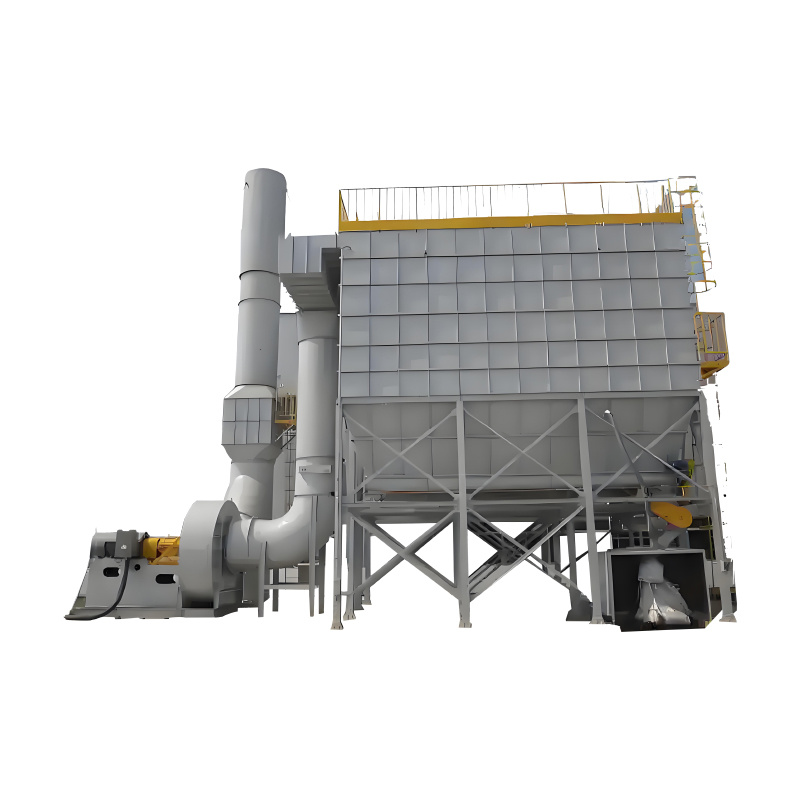
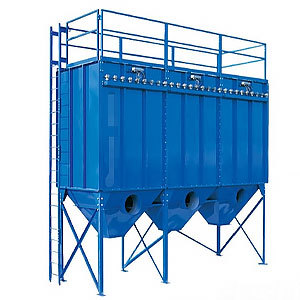
1. Core components and their functions
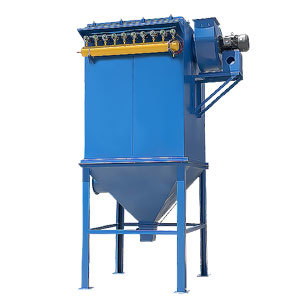
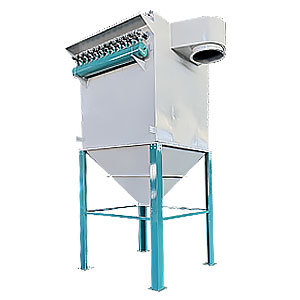
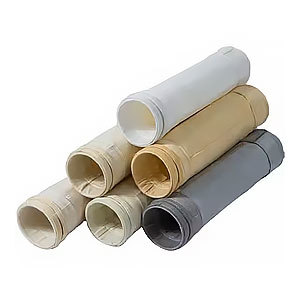
1. Filter bag: The core filtering element is responsible for intercepting dust in the dusty airflow, and the material (such as polyester, polypropylene, PTFE, etc.) needs to match the working conditions;
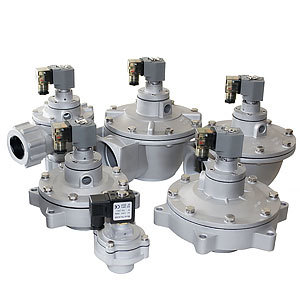
2. Pulse dust cleaning system: composed of pulse valve, spray pipe, and compressed air pipeline, which peels off the dust on the surface of the filter bag through pulse spraying;
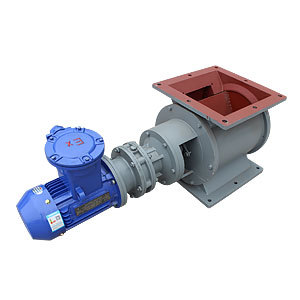
3. Ash hopper and ash unloading device: collect filtered dust, and the ash unloading device is responsible for discharging the dust;
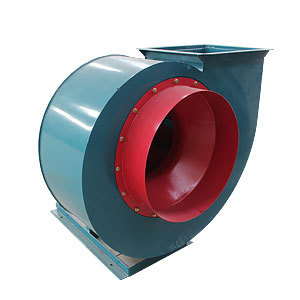
4. Fan: Provides airflow power to allow dusty airflow to enter the dust collector and discharge the purified gas;
5. Differential pressure gauge and temperature controller: Key instruments for monitoring the operating status of equipment, displaying the inlet and outlet pressure difference and internal temperature of the equipment respectively.
2. Basic operational logic
The dusty gas flows through the intake pipe into the dust collector, and after filtering through the filter bag, the dust is intercepted on the surface of the filter bag. The purified gas is discharged through the fan; As dust accumulates, the resistance of the filter bag increases, and the pulse cleaning system automatically starts to clean the dust by blowing compressed air. After the dust falls into the ash hopper, it is discharged by the ash unloading device, completing a filtration cleaning ash discharge cycle.
2、 Daily operation and maintenance core skills: 3 key tasks that must be done every day
Daily operation and maintenance are the foundation for preventing failures. Novices need to develop the habit of daily inspections, focusing on the following three tasks, which are easy to operate and can detect potential problems in a timely manner.
1. Monitoring and recording of operating parameters
1. Differential pressure monitoring: Check the differential pressure gauge regularly every day. The normal operating differential pressure is usually 800-1200Pa; if the differential pressure suddenly increases or decreases, it needs to be checked in a timely manner;
2. Temperature monitoring: Based on the temperature of the processed flue gas, confirm whether the temperature controller displays within the normal range;
3. Fan status: Observe whether the fan runs smoothly, whether there is any abnormal noise or vibration, record the fan current and voltage, and ensure that they are within the rated range.
2. Equipment appearance and sealing inspection
1. Check whether there is any air or dust leakage in the dust collector housing, maintenance door, pipeline flange and other parts;
2. Check if there is any air leakage in the pulse valve and compressed air pipeline (air leakage can cause a decrease in dust cleaning effect).
3. Operation inspection of ash unloading system
1. Confirm whether the ash unloading device (screw conveyor, star shaped unloader) is operating normally and whether there is any jamming or abnormal noise;
2. Check the ash accumulation in the ash hopper to avoid excessive ash accumulation blocking the bottom of the filter bag (which can be viewed through the ash hopper observation window).
3、 Regular maintenance focus: Implement according to the cycle to extend the service life of the equipment
In addition to daily inspections, deep maintenance should be carried out according to a fixed cycle, with different maintenance priorities for different cycles. Novices can refer to the following cycle planning.
1. Weekly maintenance: Focus on the cleaning system and preliminary inspection of filter bags
1. Check the working status of the pulse valve: Check one by one whether the pulse valve can operate normally, which can be judged by listening to the sound and observing the action. If there is any non action or insensitive action, promptly investigate;
2. Clean the compressed air pipeline: Drain the water and oil from the oil-water separator (compressed air containing water and oil can damage the filter bag);
3. Preliminary inspection of filter bag: Open the inspection door and check the dust accumulation on the surface of the filter bag. If the dust layer is too thick and compacted, it needs to be dealt with in a timely manner.
2. Monthly maintenance: comprehensive inspection of core components
1. Detailed inspection of the filter bag: Check whether the filter bag is damaged, aged, or stuck, and replace or clean it promptly if any problems are found;
2. Check the spray pipe: clean the debris inside the spray pipe, adjust the position of the spray pipe, and ensure that the nozzle is aligned with the filter bag opening;
3. Maintain the fan: Check the dust accumulation on the fan impeller, and clean it up in a timely manner if there is any dust accumulation; Check the lubrication condition of the fan bearings and add lubricating oil in a timely manner.
3. Quarterly/Annual Maintenance: Deep Maintenance and System Calibration
1. Comprehensive replacement/cleaning of filter bags: Regularly replace or clean filter bags in batches according to their usage;
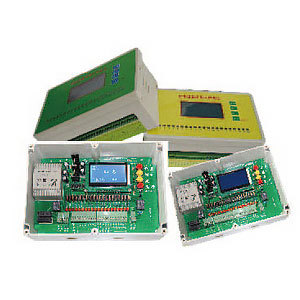
2. Maintenance and cleaning system: Check the pulse valve diaphragm, solenoid valve and other vulnerable parts, and replace aging components in a timely manner; Calibrate the parameters of the dust cleaning controller;
3. Check the equipment structure: Check whether the dust collector housing and bracket are deformed or corroded, and repair them in a timely manner; Check whether the pipeline connection is firm and replace the aging sealing gasket;
4. Calibration of monitoring instruments: Calibrate instruments such as differential pressure gauges and temperature controllers to ensure accurate monitoring data.
4、 Core component maintenance skills: Key focus on filter bags and cleaning systems
The filter bag and dust cleaning system are the core of the bag filter, and their status directly affects the dust removal effect. Novices need to master targeted maintenance skills.
1. Core techniques for filter bag maintenance
1. Choose the right filter bag material: Select according to the temperature, humidity, and dust properties of the treated flue gas to avoid premature damage caused by material mismatch;
2. Avoid excessive cleaning: Short cleaning intervals and long spraying times can lead to increased fiber wear of the filter bag, shortening its service life. The cleaning parameters need to be adjusted according to changes in pressure difference;
3. Properly store spare filter bags: Spare filter bags should be stored in a dry, ventilated, and non corrosive environment to avoid moisture and pollution.
2. Maintenance skills for dust cleaning system
1. Keep compressed air clean: Install dryers and filters in the compressed air pipeline, regularly maintain these devices, and ensure that the compressed air is dry and free of impurities;
2. Regularly inspect the vulnerable parts of the pulse valve: The diaphragm of the pulse valve is a vulnerable part and needs to be inspected regularly. If aging or damage is found, it should be replaced in a timely manner to avoid affecting the cleaning effect.
5、 Beginner's Guide to Avoiding Pits: Common Mistakes and Coping Methods
Novices are prone to some erroneous operations during the operation and maintenance process, which not only affect the operation of the equipment but may also damage it. The following are common errors and corresponding solutions:
Error 1: Neglecting pressure difference changes and failing to promptly address filter bag blockage/damage. Response: Develop the habit of monitoring the pressure difference daily. When the pressure difference is abnormal, follow the order of "check the filter bag → check the dust cleaning system → check the pipeline" for troubleshooting;
Error 2: Compressed air is used directly without removing water and oil. Response: Daily discharge of oil-water separator, regular inspection of dryer and filter to ensure compressed air quality;
Error 3: Overheating of the equipment caused the filter bag to burn out. Response: Strictly monitor the temperature of the flue gas. If the temperature exceeds the standard, stop the machine for inspection in a timely manner to avoid damage to the filter bag;
Error 4: Failure to unload ash in a timely manner resulted in ash accumulation and blockage in the ash hopper. Response: Ensure the normal operation of the ash unloading device, regularly check the ash accumulation in the ash hopper, and avoid excessive ash accumulation.
6、 Safety operation and maintenance precautions
Before shutting down for maintenance, it is necessary to cut off the power supply of the equipment, close the intake valve, and hang a warning sign to prevent accidental start-up;
When entering the dust collector for inspection, protective measures should be taken and a dedicated person should be assigned to supervise;
3. When maintaining equipment for handling high-temperature and corrosive flue gas, attention should be paid to preventing burns and corrosion;
4. If any equipment abnormalities are found, immediately stop the machine for troubleshooting and do not operate it with faults.
In summary, the core of operation and maintenance of bag filters lies in "daily monitoring without slack, regular maintenance according to cycles, and key protection of core components". When beginners start, they should first master the basic knowledge and daily operations, and then gradually familiarize themselves with the regular maintenance process to avoid common errors, which can ensure the stable operation of the equipment. With the accumulation of experience, the operation and maintenance plan can be optimized according to actual working conditions, further improving the efficiency and service life of equipment operation.
Hot Tags:


Contact Us
Tel:
WeChat:
WhatsApp:
E-mail:
Address:
338 National Road South, Longfengdian Village, Botou City, Hebei Province, China
JiuznTomine is expertly delivering technically complicated projects in markets & provides custom solutions for their customized need.


CONTACT INFO
Tel: +86 18531710311
WeChat: +86-18531710311
338 National Road South, Longfengdian Village, Botou City, Hebei Province, China