











Frequently Asked Questions about Plastic Burning Plate Dust Collector
Dec 26,2025
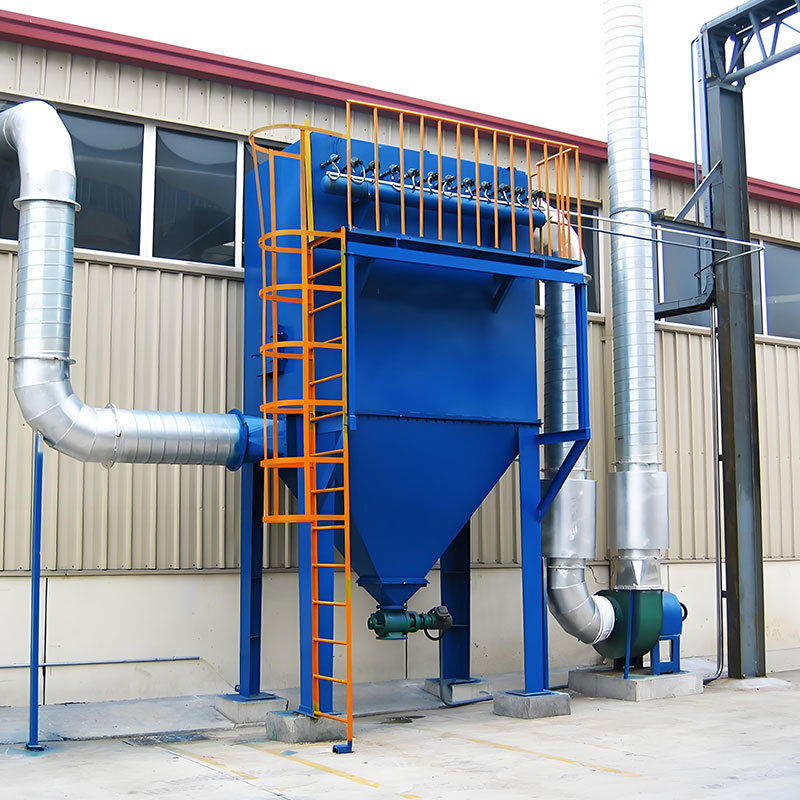
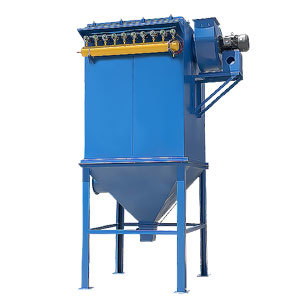
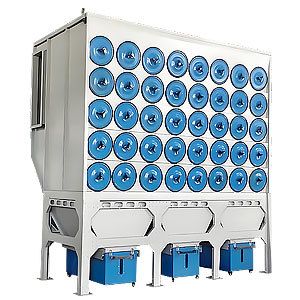
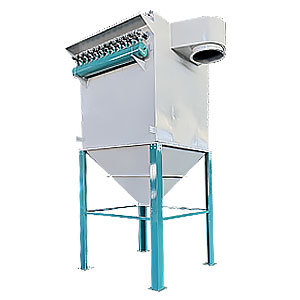
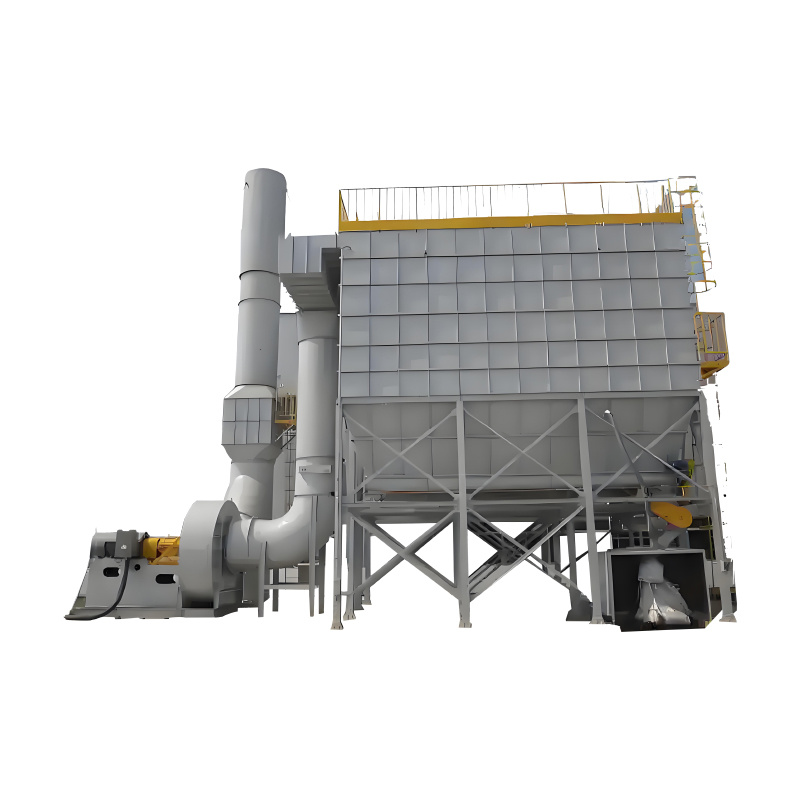
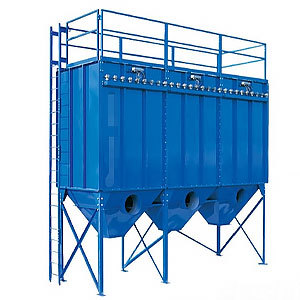
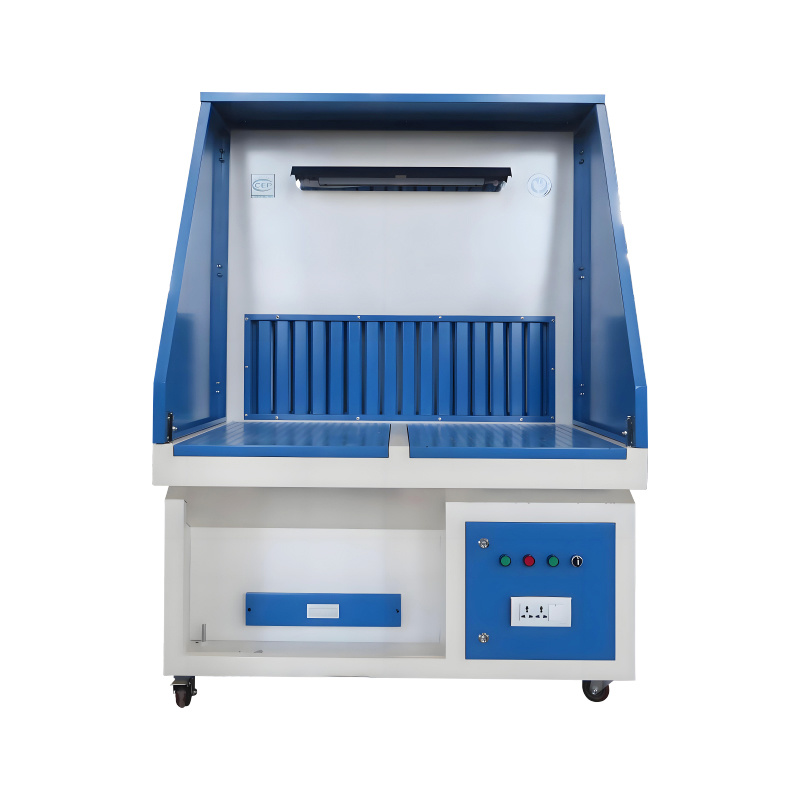
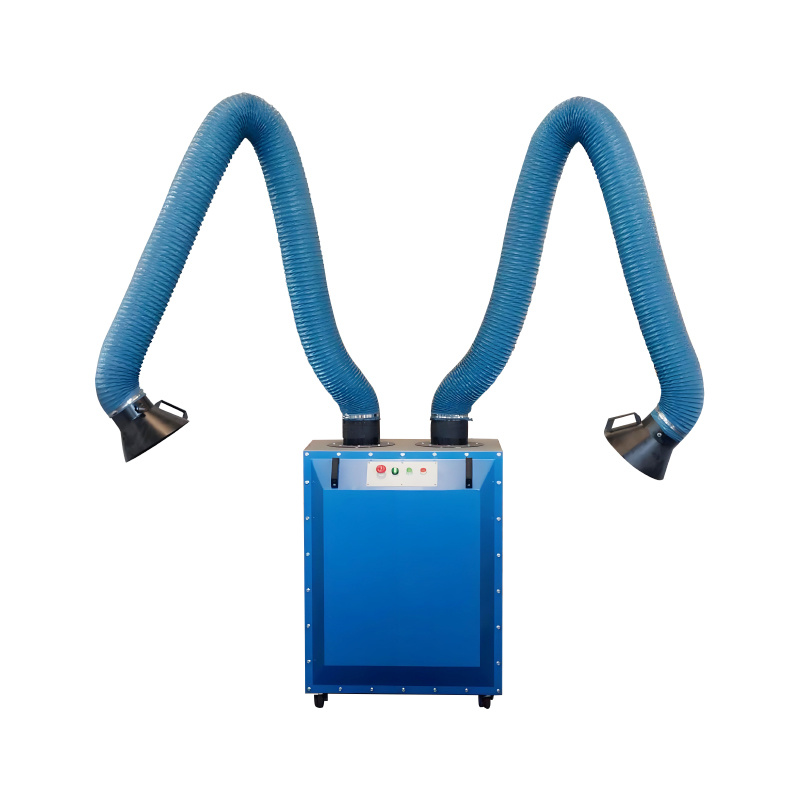
Plastic fired plate dust collectors, with their advantages of anti condensation, wear resistance, easy dust cleaning, and high filtration accuracy, are widely used in dust containing gas purification scenarios in multiple industries such as metallurgy, mining, chemical engineering, and food processing. In actual operation, users often encounter problems such as decreased dust removal efficiency, abnormal resistance, and poor dust cleaning effect. This article focuses on the high-frequency problem of plastic fired plate dust collectors, dismantling the causes and sorting out solutions to help users quickly identify and solve problems.
1、 Operational performance related issues
Q1: What is the reason for the sudden decrease in dust removal efficiency of the plastic fired plate dust collector and the increase in dust concentration at the emission outlet? How to solve it?
Root cause analysis:
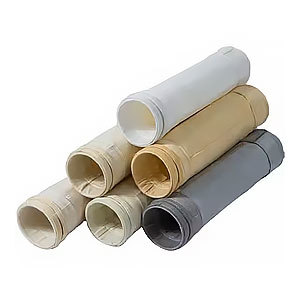
1. Damaged plastic fired plate filter element: After long-term use, scratches and cracks may appear on the surface of the filter element, or the material may be damaged due to overheating or chemical corrosion, causing dust to leak from the damaged area;
2. Decreased sealing performance: The sealing gasket at the connection of the maintenance door and flange is aging or falling off, or the bolts are loose, resulting in a short circuit of the dusty airflow, which is directly discharged without filtration;
3. Severe blockage of the filter element: Dust adheres to the surface of the filter element and is not effectively cleaned in a timely manner, forming a dense dust layer. Some dust penetrates the filter element and is discharged;
4. Uneven airflow distribution: The internal guide structure of the dust collector is damaged, and the dusty airflow is biased towards one side. Some filter elements are overloaded and the filtration is insufficient.
Solution:
1. Check the status of the filter element: Open the maintenance door and visually inspect whether there is any damage or deformation on the surface of the filter element. If there is any damage, immediately replace it with a plastic fired plate filter element of the same model and material;
2. Check the sealing parts: inspect the sealing gaskets at the connection of the maintenance door, flange, and pipeline one by one, replace the aging and damaged sealing gaskets, tighten loose bolts, and ensure a tight seal;
3. Strengthen dust cleaning operation: Check whether the dust cleaning system is working properly, adjust the dust cleaning parameters, and if the filter element is severely clogged, it can be removed for offline cleaning;
4. Repair the diversion structure: Enter the interior of the dust collector and check whether the diversion plate is intact and in the correct position. If there is any damage or displacement, repair and adjust it in a timely manner.
Q2: The operating resistance of the equipment continues to rise, far exceeding the normal range (usually 800-1200Pa), and the fan load increases. What should be done?
Root cause analysis:
1. Filter blockage: When dealing with high humidity and high viscosity dust, the dust is prone to adhere to the surface of the filter and solidify, resulting in a decrease in the permeability of the filter;
2. Failure of dust cleaning system: Pulse valve does not operate, spray pipe is blocked or misaligned, compressed air pressure is insufficient, unable to effectively remove dust from the surface of the filter element;
3. Blockage of intake duct: Large particles of dust in the dusty airflow accumulate in the intake duct, resulting in a decrease in intake volume and an increase in resistance;
4. Excessive ash accumulation in the ash hopper: Dust in the ash hopper is not discharged in time and accumulates at the bottom of the filter element, blocking the airflow channel.
Solution:
1. Cleaning or replacing the filter element: Remove the clogged filter element, rinse it with high-pressure water, or blow it in reverse with compressed air. After cleaning, let it dry before installation; If the filter element is severely clogged or aged, replace it directly;
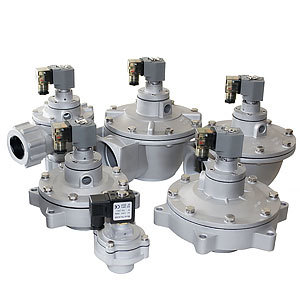
2. Maintenance and cleaning system: Check the action status of the pulse valve and replace the faulty pulse valve; Clean up the debris inside the spray pipe, adjust the position of the spray pipe, and ensure that the nozzle is aligned with the filter interface; Measure the compressed air pressure to ensure it is between 0.4-0.6MPa. If the pressure is insufficient, check whether the air compressor, pressure reducing valve, and pipeline are leaking and repair them in a timely manner;
3. Clean the intake duct: Turn off the equipment power, disassemble the intake duct, and clean up the large particles of dust and debris accumulated inside the duct;
4. Clearing the accumulated ash in the ash hopper: Check if the ash unloading device is working properly, repair faulty components, and promptly clean the accumulated ash in the ash hopper.
2、 Equipment malfunction related issues
Q3: How to troubleshoot if the pulse cleaning system is not working or the cleaning effect is poor?
Root cause analysis:
1. Pulse valve malfunction: The electromagnetic coil is burnt out, the valve core is stuck, or the diaphragm is aged, causing the pulse valve to fail to open and close normally;
2. Poor quality of compressed air: Compressed air contains moisture, oil, or impurities, which can clog the pulse valve nozzle or damage the valve core and diaphragm;
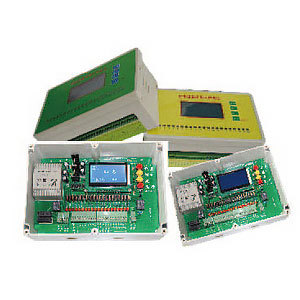
3. Control instrument malfunction: The output signal of the dust cleaning controller is abnormal, causing the pulse valve to not receive the action command;
4. Spray pipe problem: The spray pipe is installed incorrectly and the nozzle is blocked, resulting in compressed air not being accurately sprayed onto the surface of the filter element.
Solution:
1. Maintenance of pulse valve: Use a multimeter to check if the electromagnetic coil is energized. If the coil is burnt out, replace it with a coil of the same model; Disassemble the pulse valve, clean the debris in the valve core, and replace the diaphragm if it is aged or damaged;
2. Improve the quality of compressed air: Install a dryer, oil-water separator, and precision filter in the compressed air pipeline, regularly discharge the moisture and oil in the separator, and ensure that the compressed air is dry and clean;
3. Check the controller: Use an oscilloscope to detect the pulse signal output by the controller. If the signal is abnormal, repair or replace the dust cleaning controller; Check the dust cleaning parameters to ensure that they are set reasonably;
4. Adjust the spray pipe: Remove the spray pipe, clean the debris inside the nozzle, reinstall the spray pipe, ensure that the nozzle is aligned with the filter interface, and the spray direction is accurate.
Q4: How to deal with air and dust leakage during equipment operation?
Root cause analysis:
1. Aging or damage of sealing gaskets: The sealing gaskets of maintenance doors, flanges, filter installation seats, and other parts have aged, hardened, cracked, and lost their sealing function after long-term use;
2. Loosening of bolts: Vibration during equipment operation causes loosening of bolts in the sealing area, resulting in gaps;
3. Improper installation of filter element: The filter element is not installed in place or the sealing surface is damaged during installation, resulting in poor sealing between the filter element and the mounting seat;
4. Equipment shell damage: The dust collector shell has cracks or holes due to collision, corrosion, or long-term high-temperature deformation.
Solution:
1. Replace the sealing gasket: Disassemble the components of the sealing area and replace the aging or damaged sealing gasket;
2. Tighten bolts: Use a torque wrench to tighten the bolts in the sealing area one by one, ensuring that the bolts are evenly stressed. If necessary, install anti loosening washers;
3. Reinstall the filter element: Adjust the improperly installed filter element to the correct position, check if the sealing surface of the filter element is intact, and replace the filter element if it is damaged;
4. Repair the shell: Weld and repair cracks or holes on the shell. If corrosion is severe, the shell needs to be treated with anti-corrosion measures or damaged parts need to be replaced.
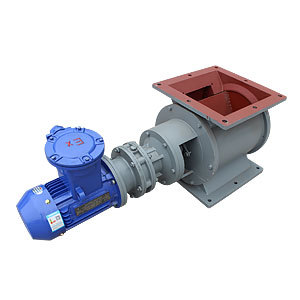
Q5: How to solve the problem that the ash discharge device (star shaped unloader, screw conveyor) does not work or the ash discharge is not smooth?
Root cause analysis:
1. Motor failure: The ash discharge device motor is burnt out and the circuit is faulty, resulting in the inability to start;
2. Impeller/blade jamming: Large particles of dust and debris in the ash hopper get stuck in the unloader impeller or conveyor blades;
3. Dust clumping: When dealing with high humidity dust, the dust gets damp and clumps in the ash hopper, making it difficult to fall smoothly to the ash unloading device;
4. Transmission component failure: The gears, chains, bearings, and other transmission components of the unloader or conveyor are worn or broken, resulting in the inability to transmit power.
Solution:
1. Motor maintenance: Use a multimeter to check the motor coil. If the coil burns out, repair or replace the motor; Check the circuit connections and repair loose or damaged circuits;
2. Clean up stuck objects: Turn off the equipment power, open the ash hopper maintenance door, and clean up the large particles of dust and debris stuck in the impeller/blade;
3. Handling clumped dust: Install a heating device inside the ash hopper to increase the temperature inside the hopper and prevent dust from getting damp and clumping; If clumped, manually clean the clumped dust;
4. Repair transmission components: Disassemble the ash removal device, inspect components such as gears, chains, bearings, replace worn or broken parts, add lubricating oil to ensure smooth transmission.
3、 Core component maintenance related issues
Q6: How to maintain and clean the plastic fired plate filter element on a daily basis? How often should it be replaced?
Daily maintenance:
1. Regularly monitor the status of the filter element: check the equipment pressure difference daily, and if the pressure difference rises abnormally, promptly check whether the filter element is blocked; Open the maintenance door every week to visually inspect whether there is dust accumulation or damage on the surface of the filter element;
2. Optimize cleaning parameters: Adjust the cleaning interval and spraying time reasonably according to the nature of dust and operating conditions, to avoid excessive cleaning or incomplete cleaning.
Cleaning method:
1. Offline cleaning: Remove the filter element from the dust collector and first use compressed air to blow the surface floating dust in reverse; Rinse with high-pressure water and add neutral cleaning agents; After rinsing, dry the filter element by air or low-temperature drying, and then install it back into the equipment;
2. Online cleaning: Close the intake valve of a single filtration unit, turn on the dust cleaning system of that unit, and clean alternately with compressed air and high-pressure water. After cleaning is complete, restore the intake.
Replacement cycle:
Under normal operating conditions, the service life of the plastic fired plate filter element is 2-5 years;
If the working conditions are harsh, the service life will be shortened to 1-2 years;
When the filter element shows the following conditions, it needs to be replaced immediately: irreparable damage or cracks on the surface; After cleaning, the pressure difference still cannot be restored to normal; The filter material is aging and deformed, resulting in a significant decrease in filtration performance.
Q7: Plastic fired plate filter element is prone to damage. What is the reason for this? How to avoid it?
Reason for damage:
1. Overtemperature operation: The temperature of the processed flue gas exceeds the rated temperature resistance of the filter element, resulting in softening, deformation, and damage of the filter element material;
2. Chemical corrosion: The flue gas contains corrosive gases such as acidic and alkaline substances, which can cause aging and damage to the filter material due to long-term contact;
3. Mechanical wear: When cleaning dust, the compressed air pressure is too high, or the nozzle of the spray pipe is aligned with the same position of the filter element, resulting in local wear of the filter element; Excessive vibration during equipment operation leads to friction and wear between the filter element and the mounting seat;
4. Improper installation: Excessive force or improper installation of the filter element can cause damage to the sealing surface and edges of the filter element.
Avoidance methods:
1. Control the flue gas temperature: Install a temperature controller at the inlet of the dust collector to monitor the flue gas temperature in real time. If the temperature exceeds the standard, turn on the cooling device or stop the machine to avoid overheating operation; Select a filter element that matches the temperature resistance level based on the flue gas temperature;
2. Choose corrosion-resistant filter element: When dealing with corrosive flue gas, choose PTFE coated and acid alkali resistant plastic fired plate filter element; Install desulfurization and denitrification devices before the flue gas enters the dust collector to reduce the corrosiveness of the flue gas;
3. Optimize the dust cleaning operation: Control the compressed air pressure between 0.4-0.6MPa, adjust the position of the spray pipe, and ensure that the nozzle sprays evenly; Check the shock absorption device of the equipment to reduce operational vibration;
4. Standardize the installation process: When installing the filter element, handle it gently to ensure that it is installed in place and avoid forcefully colliding or squeezing the filter element.
4、 Operational and selection related issues
Q8: What could be the possible reason for the poor performance of the newly installed plastic fired plate dust collector?
Root cause analysis:
1. Improper equipment selection: The processing air volume and filtration area of the selected dust collector do not match the actual working conditions;
2. Improper installation: Excessive horizontal deviation and misaligned pipeline connections during equipment installation result in uneven airflow distribution; Improper installation of sealing parts leads to air leakage;
3. Unreasonable setting of cleaning parameters: The cleaning interval of the new equipment is too short, the spraying time is too long, or vice versa, resulting in poor cleaning effect;
4. Filter element installation error: The filter element is not installed in place or installed in the wrong direction, resulting in clogged filter channels.
Solution:
1. Check the selection parameters: Based on the actual amount of flue gas processed, dust concentration, and dust properties, check the processing air volume and filtration area of the dust collector. If the selection is improper, contact the manufacturer to adjust or replace the equipment;
2. Re standardize installation: adjust equipment levelness, calibrate pipeline connections, and ensure even airflow distribution; Reinstall the sealing gasket, tighten the bolts, and ensure a tight seal;
3. Optimize the cleaning parameters: gradually adjust the cleaning interval and spraying time according to the nature of the dust, until the equipment pressure difference stabilizes within the normal range;
4. Proper installation of filter element: Install the filter element in place according to the equipment manual, ensuring that the installation direction is correct and the sealing surface is tightly fitted.
The common problems of plastic fired plate dust collectors are mainly concentrated in abnormal operating parameters, dust cleaning system failures, decreased sealing performance, and improper maintenance of filter elements. In daily operation and maintenance, only three core tasks need to be done well: regular monitoring of operating parameters, standardized maintenance of core components, and timely cleaning of accumulated dust, which can effectively reduce the occurrence rate of failures. If encountering complex problems, it is recommended to contact professional technicians for troubleshooting to avoid equipment damage caused by misoperation.
Hot Tags:
PREVIOUS:


Contact Us
Tel:
WeChat:
WhatsApp:
E-mail:
Address:
338 National Road South, Longfengdian Village, Botou City, Hebei Province, China
JiuznTomine is expertly delivering technically complicated projects in markets & provides custom solutions for their customized need.


CONTACT INFO
Tel: +86 18531710311
WeChat: +86-18531710311
338 National Road South, Longfengdian Village, Botou City, Hebei Province, China