

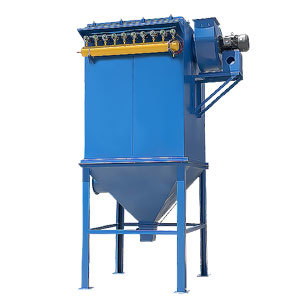
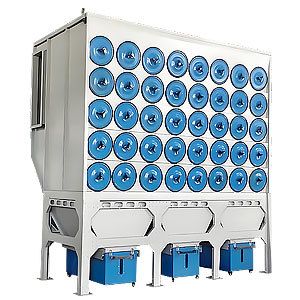
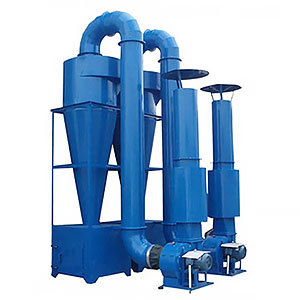

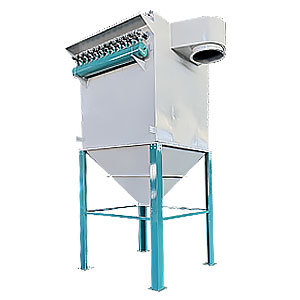
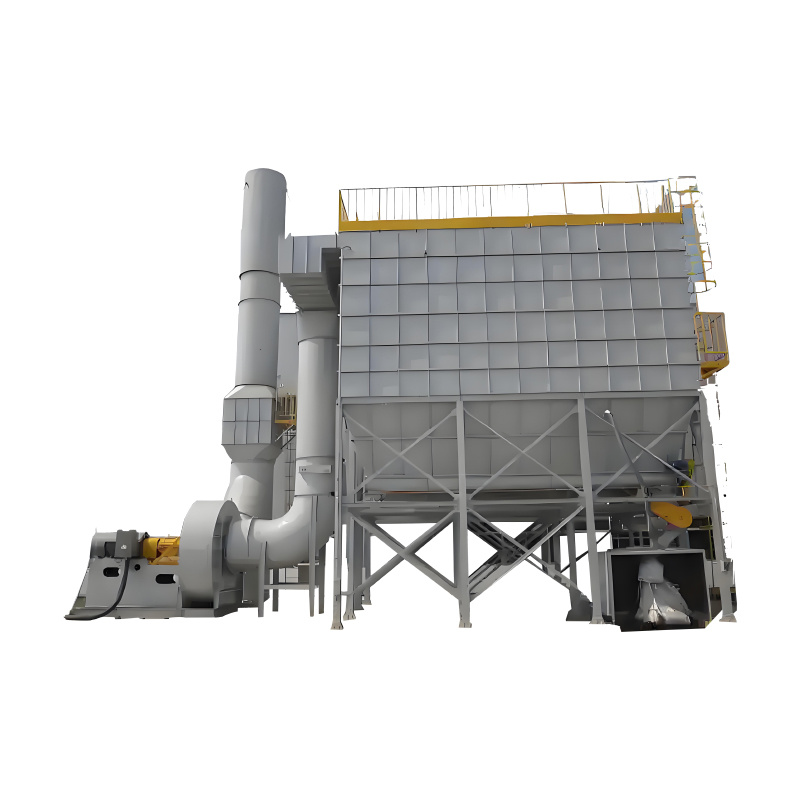
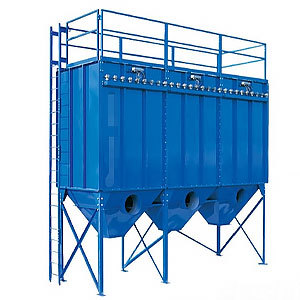
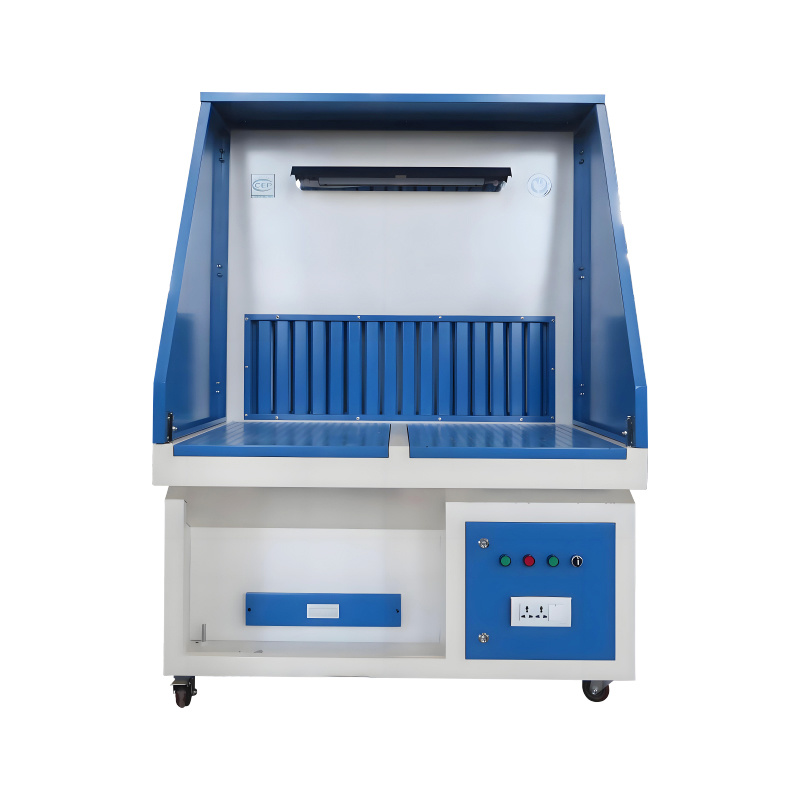
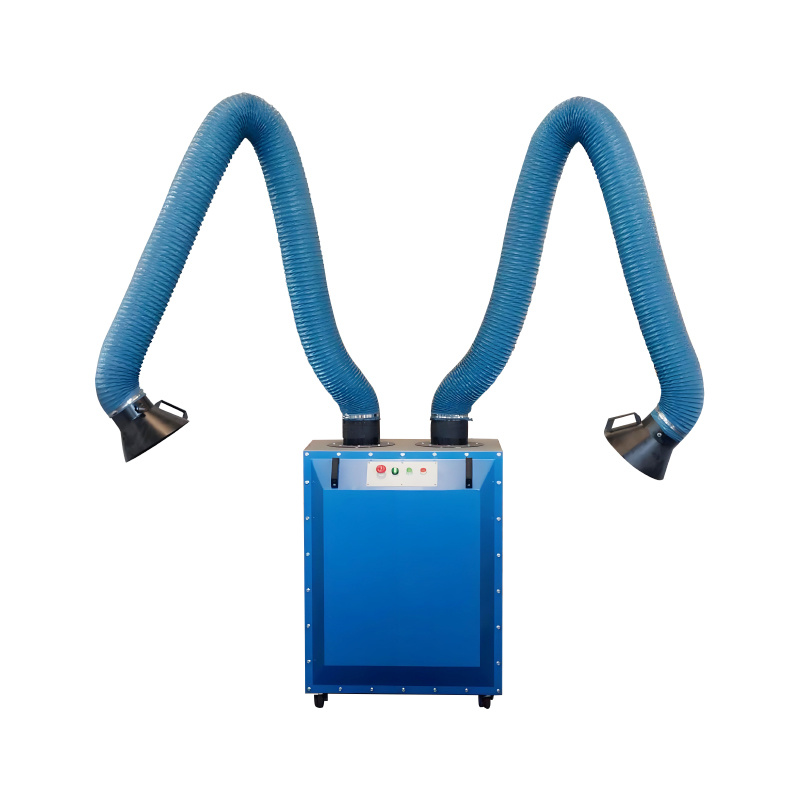










Common troubleshooting of bag filter to quickly solve dust removal problems
Dec 24,2025
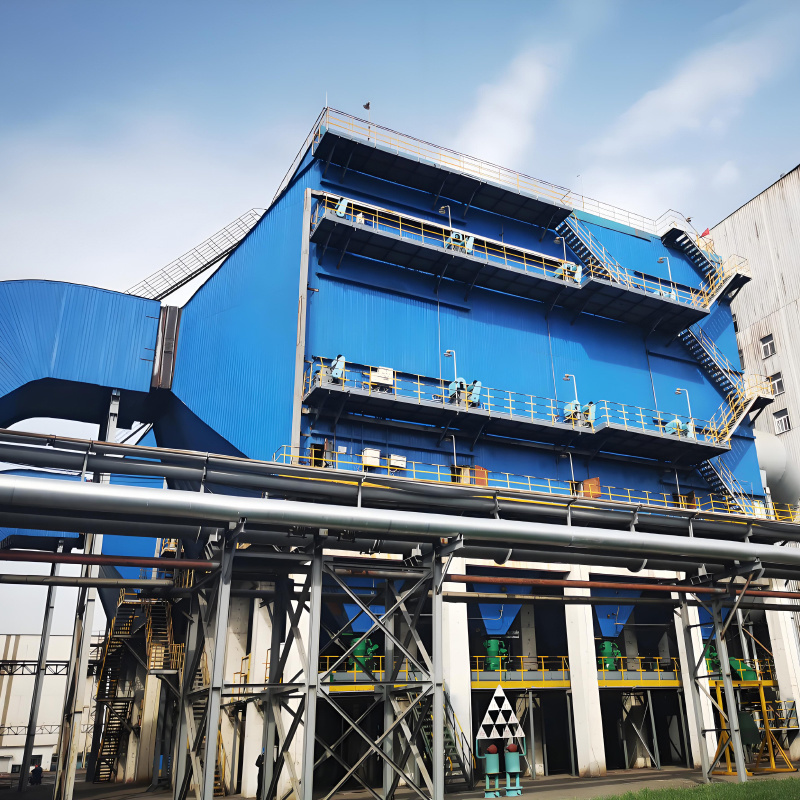
Bag filter, as an indispensable dust removal equipment in industrial production, is widely used in multiple industries such as metallurgy, chemical industry, building materials, and power due to its efficient filtering performance. However, in the long-term operation process, various malfunctions are inevitable due to factors such as working conditions, operating standards, and equipment aging, which can affect dust removal efficiency and even interrupt production. This article summarizes the common faults of bag filters, provides detailed troubleshooting ideas and quick solutions, and helps operation and maintenance personnel accurately locate problems and efficiently solve them.
1、 Decreased dust removal efficiency
Fault phenomenon: The dust concentration at the emission outlet has significantly increased, and the exhaust gas is turbid after dust removal. The dust is diffuse in the production workshop, and the dust removal effect is far below the normal level.
Possible reasons:
1. Filter bag blockage: The dust on the surface of the filter bag was not cleaned in a timely manner, forming a thick layer of dust, which prevented the airflow from passing smoothly. Some dust directly penetrated the filter bag and was discharged;
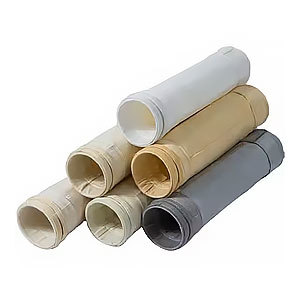
2. Filter bag damage: The filter bag may have holes or tears due to long-term wear and tear, high temperature corrosion, improper installation, etc., causing dust to leak directly from the damaged area;
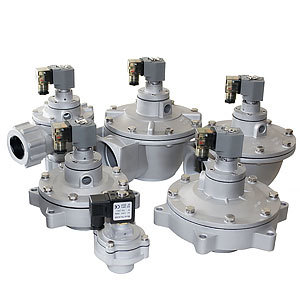
3. Pulse dust cleaning system malfunction: Pulse valve failure, nozzle blockage or misalignment, insufficient compressed air pressure, resulting in incomplete dust cleaning and excessive dust accumulation on the surface of the filter bag;
4. Uneven airflow distribution: The internal guide plate of the dust collector is damaged or missing, causing the dusty airflow to be biased to one side. Some filter bags are overloaded, and some filter bags are not fully utilized for filtration.
Troubleshooting and solutions:
1. Check the status of the filter bag: Open the maintenance door and visually inspect the dust accumulation on the surface of the filter bag. If the dust layer is too thick and compacted, the filter bag should be replaced or cleaned in a timely manner; If the filter bag is found to be damaged, it is necessary to immediately replace it with a filter bag of the same model and material, and pay attention to sealing during replacement to avoid air leakage;
2. Detection of pulse dust cleaning system: Check whether the pulse valve is operating normally, which can be determined by listening to the sound and observing the action. If the pulse valve fails, it needs to be repaired or the solenoid valve needs to be replaced; Check whether the spray pipe is blocked, clean the debris inside the spray pipe, adjust the position of the spray pipe, and ensure that the nozzle is aligned with the filter bag opening; Measure the compressed air pressure to ensure that it is between 0.4-0.6MPa. If the pressure is insufficient, check whether the air compressor, pressure reducing valve, and pipeline are leaking and repair them in a timely manner;
3. Check the airflow distribution: Enter the interior of the dust collector and check if the guide plate is intact. If there is any damage or missing, repair or supplement it in a timely manner to ensure that the airflow is evenly distributed to each filter bag.
2、 Equipment resistance is too high
Fault phenomenon: The pressure difference between the inlet and outlet of the dust collector exceeds the normal range (usually 800-1200Pa), the operating load of the fan increases, the air volume decreases significantly, and the equipment operates with abnormal noise.
Possible reasons:
1. Severe blockage of filter bag: The dust on the surface of the filter bag has not been effectively cleaned for a long time, and the dust has penetrated into the inside of the filter bag, resulting in a sharp decrease in the permeability of the filter bag;
2. Failure of dust cleaning system: The pulse valve is not working in whole or in part, the spraying interval is too long, the spraying time is too short, and the dust on the surface of the filter bag cannot be effectively peeled off;
3. Excessive accumulation of ash in the ash hopper: The dust in the ash hopper is not discharged in a timely manner, and the accumulation is too high, which blocks the bottom of the filter bag and affects the airflow;
4. Blockage of intake duct: Large particles of dust in the dusty airflow accumulate in the intake duct, resulting in a decrease in intake volume and an increase in pressure difference.
Troubleshooting and solutions:
1. Clean or replace the filter bag: If the filter bag is severely clogged, try blowing it back with compressed air first. If cleaning is ineffective, replace the filter bag;
2. Maintenance and cleaning system: Check the working status of the pulse valve one by one and replace the faulty pulse valve; Adjust the cleaning parameters, shorten the spraying interval, and extend the spraying time;
3. Clean up the accumulated dust in the ash hopper: check whether the ash unloading device is working properly, repair the faulty ash unloading device, and promptly clean up the dust accumulated in the ash hopper;
4. Clean the intake duct: Turn off the equipment power, disassemble the intake duct for cleaning, and remove large particles of dust and debris accumulated inside the duct.
3、 Pulse valve malfunction
Fault phenomenon: The pulse valve does not operate, operates sensitively or leaks air, resulting in poor dust cleaning effect, increased equipment resistance, and even affecting the normal operation of the fan.
Possible reasons:
1. Damage to solenoid valve: The solenoid coil is burned out, the valve core is stuck or worn, causing the pulse valve to fail to open and close normally;
2. Poor quality of compressed air: Compressed air contains moisture, oil, or impurities, which can clog the pulse valve nozzle or damage the valve core;
3. Insufficient or leaking pipeline pressure: The compressed air pipeline pressure is too low to push the pulse valve to operate; Leakage at pipeline joints leads to pressure loss;
4. Control signal failure: The pulse signal output by the controller is abnormal, causing the pulse valve to not receive action instructions.
Troubleshooting and solutions:
1. Maintenance or replacement of solenoid valve: Use a multimeter to check if the solenoid coil is energized. If the coil is burnt out, replace it with a coil of the same model; If the valve core is stuck, disassemble the pulse valve and clean the impurities in the valve core. If the valve core is severely worn, replace the pulse valve directly;
2. Improve the quality of compressed air: Install dryers and filters in the compressed air pipeline, regularly discharge moisture and oil from the oil-water separator, and ensure that the compressed air is dry and clean;
3. Check pipeline pressure and sealing: Measure the pressure of the compressed air pipeline to ensure that the pressure meets the standard; Check the pipeline joints, flanges, and other parts, replace aging gaskets, tighten loose bolts, and prevent air leakage;
4. Check the control signal: Use an oscilloscope to detect the pulse signal output by the controller. If the signal is abnormal, repair or replace the controller.
4、 Ash accumulation and blockage in the ash hopper
Fault phenomenon: Excessive dust accumulation in the ash hopper prevents the ash unloading device from discharging properly, and even causes dust to overflow from the ash hopper. In severe cases, it can block the bottom of the filter bag, leading to a sudden increase in equipment resistance.
Possible reasons:
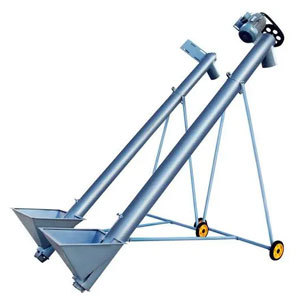
1. Ash unloading device malfunction: The blades of the screw conveyor are worn, the star shaped unloader motor is damaged, or the impeller is stuck, resulting in the interruption of ash unloading;
2. Failure of ash hopper heating device: In low-temperature environments, dust in the ash hopper becomes damp and clumps, making it difficult to fall smoothly;
3. Blockage of ash hopper discharge port: Large particles of dust and debris get stuck in the discharge port, hindering the discharge of dust;
4. Damage to the filter bag leads to secondary accumulation of dust: After the filter bag is damaged, a large amount of dust enters the ash hopper, exceeding the processing capacity of the ash unloading device.
Troubleshooting and solutions:
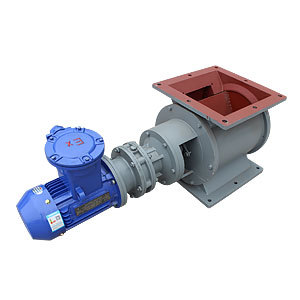
1. Maintenance of ash unloading device: Check whether the blades of the screw conveyor are intact, and replace them in a timely manner if they are severely worn; Check the operation status of the star shaped unloader motor, clean up the debris stuck inside the impeller, and repair or replace the faulty motor;
2. Repair the heating device: Check if the ash hopper heating tube and temperature controller are working properly, replace damaged heating tubes, calibrate the temperature controller, ensure that the temperature inside the ash hopper remains within a reasonable range, and prevent dust from getting damp and clumping;
3. Clean the ash discharge outlet: turn off the power of the equipment, remove the cover plate of the ash discharge outlet, clean the blocked dust and debris, and ensure that the ash discharge channel is unobstructed;
4. Check and replace the filter bag: If the filter bag is found to be damaged, replace it in a timely manner to prevent a large amount of dust from continuously entering the ash hopper.
5、 Abnormal operation of the fan
Fault phenomenon: The fan vibrates violently, produces excessive noise, has insufficient air volume, and even shuts down.
Possible reasons:
1. Dust accumulation on fan impeller: A large amount of dust accumulates on the surface of the impeller, causing imbalance and severe vibration during operation;
2. Damage to fan bearings: bearings lack oil, wear or ball damage, resulting in excessive noise and increased vibration during operation;
3. Fan motor failure: The motor coil is burnt out and the rotor is faulty, causing the fan to malfunction;
4. Excessive resistance in the air duct: Blockage and air leakage in the air duct cause an increase in fan load and insufficient air volume.
Troubleshooting and solutions:
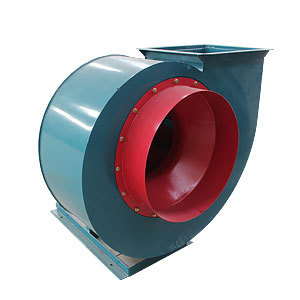
1. Clean the fan impeller: Turn off the equipment power, remove the fan housing, use tools to clean the dust on the surface of the impeller, and ensure the balance of the impeller;
2. Maintenance of fan bearings: Check the lubrication condition of the bearings and add lubricating oil in a timely manner; If the bearing is worn or damaged, replace it with a bearing of the same model;
3. Maintenance or replacement of fan motor: Use a multimeter to check the motor coil. If the coil burns out, repair or replace the motor; Check the motor rotor, clean the debris on the rotor, and ensure the normal operation of the rotor;
4. Check the status of the air duct: Clean up the accumulated dust and debris inside the air duct, check for any damage or air leakage, repair damaged air ducts, replace aging gaskets, and reduce air duct resistance.
6、 Daily prevention and maintenance suggestions
The failures of bag filters are often related to improper daily maintenance. Taking the following preventive measures can effectively reduce the occurrence of failures and extend the service life of the equipment:
1. Regularly check the condition of the filter bag: Based on the working conditions, regularly check the integrity and dust accumulation of the filter bag, and clean or replace it in a timely manner;
2. Maintain the dust cleaning system: Regularly check the pulse valve, spray pipe, and compressed air pipeline to ensure the normal operation of the dust cleaning system, and regularly discharge the moisture and oil in the compressed air pipeline;
3. Timely clean the ash hopper: ensure the normal operation of the ash unloading device, regularly check the ash accumulation situation of the ash hopper, and avoid ash blockage;
4. Monitoring equipment parameters: Install differential pressure gauges, thermometers and other monitoring instruments to monitor equipment resistance, temperature and other parameters in real time, and promptly investigate any abnormalities found;
5. Standardized operating procedures: Strictly follow the equipment operating procedures for start-up, operation, and shutdown to avoid equipment damage caused by unauthorized operations.
In summary, the common faults of bag filters are mostly concentrated in core components such as filter bags, dust cleaning systems, ash hoppers, and fans. Through the idea of "observing phenomena, investigating causes, and accurately solving", most faults can be quickly resolved. Daily prevention and maintenance work can fundamentally reduce the occurrence rate of failures, ensure stable and efficient operation of equipment, and provide strong guarantees for environmental protection standards in industrial production.
Hot Tags:


Contact Us
Tel:
WeChat:
WhatsApp:
E-mail:
Address:
338 National Road South, Longfengdian Village, Botou City, Hebei Province, China
JiuznTomine is expertly delivering technically complicated projects in markets & provides custom solutions for their customized need.


CONTACT INFO
Tel: +86 18531710311
WeChat: +86-18531710311
338 National Road South, Longfengdian Village, Botou City, Hebei Province, China