












Common problems of dust removal accessories and preventive measures for faults of vulnerable parts
Dec 23,2025
In the long-term operation of industrial dust removal systems, the stable operation of accessories is the key to ensuring dust removal efficiency and reducing operation and maintenance costs. There are various types of dust removal accessories, among which vulnerable parts are prone to malfunction due to long-term exposure to dust erosion, medium corrosion, temperature fluctuations, and other working conditions, leading to increased resistance and decreased purification efficiency of the dust removal system, and even shutdown for maintenance. This article focuses on the core components of dust removal systems, sorts out their common problems and types of vulnerable parts failures, deeply analyzes the causes of failures, and proposes targeted scientific preventive measures, providing practical technical guidance for the operation and maintenance of dust removal systems in industrial enterprises in the foreign trade field.
1、 Core vulnerable components and common faults of dust removal system
The vulnerable components of the dust removal system are mainly concentrated in the four core links of filtration, dust cleaning, sealing, and transportation, and there are significant differences in the fault manifestations and causes of different components. The following are the most representative vulnerable parts and corresponding common faults:
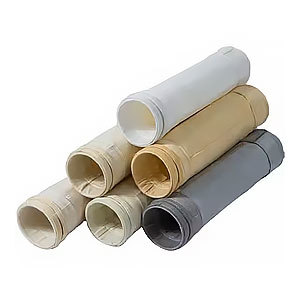
(1) Filter accessories: Dust bag/filter cartridge
As the core filtering components of the dust removal system, dust removal bags and filter cartridges are one of the most prone to failure, with common faults including damage, ash leakage, clogged bags, and fiber aging and brittleness.
Cause of malfunction: Mechanical wear caused by the erosion of hard particles in dust; Excessive or insufficient flue gas temperature can cause fiber aging and bag sticking; Corrosive smoke damages the fiber structure; Excessive filtering wind speed exacerbates wear and blockage; Improper cleaning of dust leads to fiber fatigue and damage.
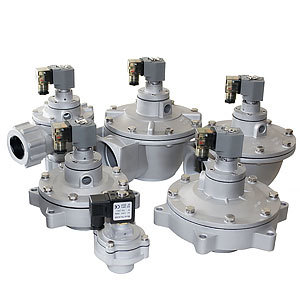
(2) Dust cleaning accessories: pulse valve, spray pipe
The dust cleaning system is the key to ensuring the normal operation of the filter element, and the pulse valve and spray pipe are the core execution accessories. Common faults include: pulse valve leakage/non operation, spray pipe blockage/wear, and uneven spray.
Cause of malfunction: Oil mist and moisture in compressed air cause adhesion of the valve body inner membrane and sticking of the valve core; Dust entering the interior of the valve body causes blockage; Long term wear and perforation of the spray pipe due to high-speed airflow and dust erosion; The installation deviation of the spray pipe and nozzle blockage result in uneven spraying.
(3) Sealing accessories: sealing rings, sealing gaskets
Sealing accessories are used to ensure the airtightness of parts such as the dust collector box, compartment door, and pipeline interface. Common faults include sealing failure, air leakage, and ash leakage.
Cause of malfunction: Aging, deformation, and hardening of sealing materials caused by high temperature conditions; Dust particles erode and wear the sealing surface; Uneven stress and compression deformation of the sealing components during installation; Long term vibration causes the seal to loosen and fall off.
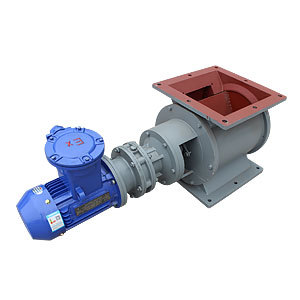
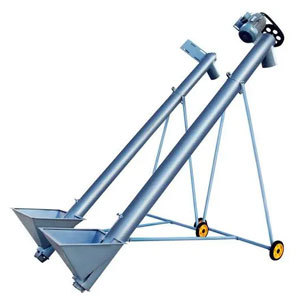
(4) Conveyor accessories: ash discharge valve, screw conveyor blades
The conveying accessories are responsible for discharging the dust collected by the dust collector. Common faults include: stuck/non rotating ash discharge valve, worn blades, and dust and air leakage.
Cause of malfunction: Large foreign objects or wet sticky dust entering the valve body causing jamming; Long term erosion of blades by hard dust causes wear and tear; Bearing damage caused by lack of oil or entry of dust; The aging and failure of seals cause air and dust leakage.
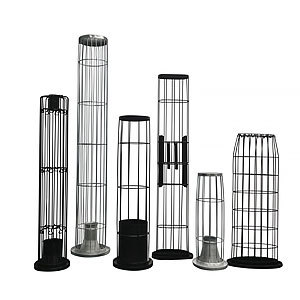
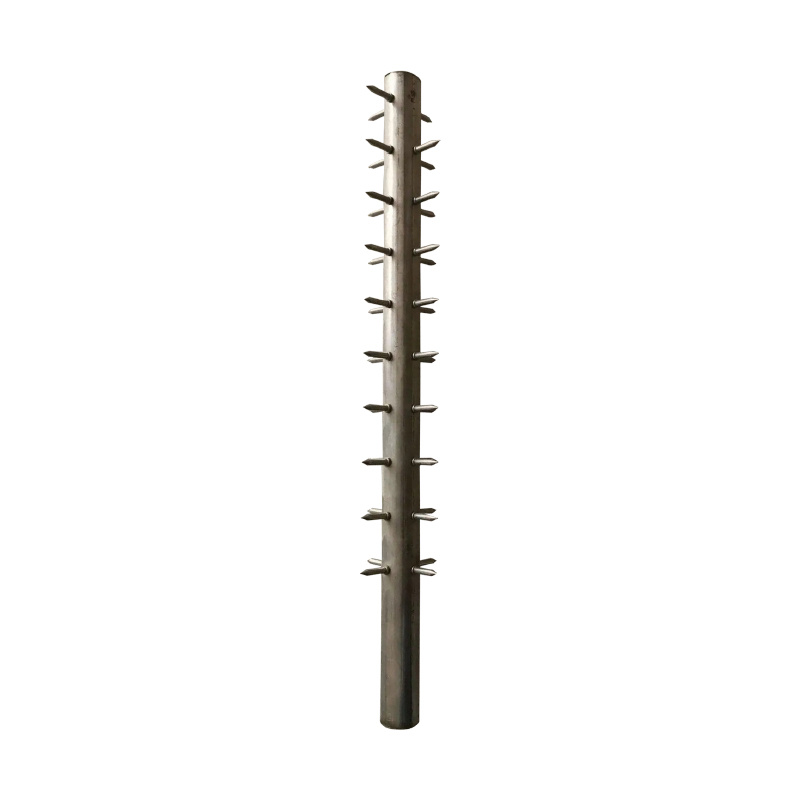
(5) Other vulnerable parts: skeleton, maintenance door
The common faults of the skeleton (metal frame supporting the dust removal bag) are deformation, corrosion, and fracture; The common faults of maintenance doors are loose closing and air leakage. The causes are mostly high temperature oxidation, corrosive flue gas erosion, mechanical collisions during transportation or installation, and long-term vibration leading to loosening of fastening bolts.
2、 Core preventive measures for vulnerable component failures
Regarding the causes of the above-mentioned vulnerable parts' failures, preventive measures need to be carried out around the four core dimensions of "working condition adaptation, installation standards, daily operation and maintenance, and source optimization", to achieve full process control from selection to operation and maintenance, maximize the service life of the parts, and reduce the occurrence rate of failures.
(1) Scientific selection: Adapting to working conditions is the foundation for preventing failures
The core of accessory selection is to match the actual working conditions of the dust removal system (such as flue gas temperature, humidity, dust characteristics, corrosiveness, etc.), in order to avoid the risk of inherent faults caused by "improper selection":
1. Filter element selection: Select heat-resistant materials based on the flue gas temperature, choose polyester at room temperature, PPS/fiberglass at high temperature, and PTFE for corrosive working conditions; Choose film coating or anti adhesive materials for wet and sticky dust; High concentration hard dust needs to be paired with thick, high abrasion resistant needle felt.
2. Selection of cleaning accessories: For high temperature and corrosive working conditions, stainless steel pulse valves and spray pipes are selected; When compressed air contains oil mist and moisture, an oil-water separator should be selected as a matching component; Accurately match the number of pulse valves and injection pressure based on the filtering area.
3. Seal selection: Nitrile rubber seals are selected for normal temperature conditions, fluororubber/silicone rubber seals are selected for high temperature conditions, and polytetrafluoroethylene seals are selected for corrosive conditions; Select the corresponding strength seal specification based on the pressure level of the sealing area.
4. Selection of conveying accessories: Choose wear-resistant alloy material for the ash discharge valve blades and screw conveyor lining plates for hard dust working conditions; Choose an ash discharge valve with an anti blocking device for wet and sticky dust conditions.
(2) Standardized installation: Avoiding potential faults caused by installation deviations
The installation quality directly affects the operational stability of the accessories, and it is necessary to strictly follow the installation specifications, with a focus on the following aspects:
1. Installation of filter elements: When installing the dust removal bag, avoid forcibly pulling or squeezing it to ensure that the bag is tightly attached to the frame and has no wrinkles; The installation of the filter cartridge should ensure that the sealing surface is clean, and the fixing bolts should be tightened evenly to prevent air leakage.
2. Installation of dust cleaning system: The installation direction of the pulse valve should be correct, and the connection with the spray pipe should be sealed firmly; The installation of the spray pipe should be horizontal, with the nozzle aligned with the center of the bag/filter cartridge, with a deviation of no more than 5mm; the connection part of the dust cleaning pipeline should be tested for air tightness to avoid air leakage and dust cleaning failure.
3. Seal installation: Clean the dust and oil stains on the sealing surface before installation to ensure that the sealing surface is flat; The sealing components should be embedded in the sealing groove in a standardized manner to avoid distortion and displacement; When tightening bolts, use a diagonal uniform tightening method to prevent uneven stress on the sealing components.
4. Transportation and skeleton installation: When installing the ash discharge valve, it is necessary to ensure that it is level, and the connection with the upper and lower pipelines should be flexibly docked to reduce vibration transmission; Adjust the coaxiality during the installation of the screw conveyor to avoid friction between the blades and the casing; Before installing the skeleton, check for any deformation or burrs, remove the burrs, and then insert the cloth bag to prevent scratching.
(3) Refined operation and maintenance: daily control reduces the occurrence rate of failures
Daily operation and maintenance are key to preventing the failure of vulnerable parts, and it is necessary to establish a comprehensive operation and maintenance ledger, regularly carry out inspections, cleaning, and maintenance:
1. Regular inspection and replacement: Conduct daily inspections of the dust cleaning system, observe whether the pulse valve operates normally and whether the spraying is uniform, and promptly repair any air leaks or malfunctions found; Check the condition of the seals every week, and replace them immediately if there is aging, deformation, or damage; Check the surface of the filter element every month, and if there is obvious wear or bag sticking, clean or replace it in a timely manner; Check the wear of the ash discharge valve blades and screw conveyor blades every quarter, and replace them promptly when the wear exceeds one-third.
2. Cleaning and maintenance: Regularly clean the dust blockage on the pulse valve body and spray pipe nozzle to ensure smooth airflow; Daily discharge of accumulated water and oil from compressed air oil-water separators, and monthly cleaning of filter cartridges; Regularly clean the ash discharge valve and screw conveyor to avoid blockage caused by wet and sticky dust clumping; Regularly clean the dust on the sealing surface of the maintenance door and keep the sealing surface clean and flat.
3. Lubrication and maintenance: According to the equipment manual requirements, regularly add suitable lubricating oil/grease to the ash discharge valve bearings and screw conveyor bearings to avoid bearing damage caused by dry friction; The lubrication cycle is adjusted according to the operating load, usually 1-2 times a month.
4. Working condition monitoring: Install temperature, pressure, and humidity monitoring devices at the inlet and outlet of the dust collector to monitor working condition parameters in real time; When the parameters exceed the adaptation range, promptly activate the warning and adjust the process to avoid damage to the components due to fluctuations in working conditions.
(4) Source optimization: reduce damage to components caused by working conditions
Optimizing the front-end process or adding pre-treatment devices to reduce the damage of dust and smoke to accessories from the source is an important auxiliary measure to extend the service life of accessories
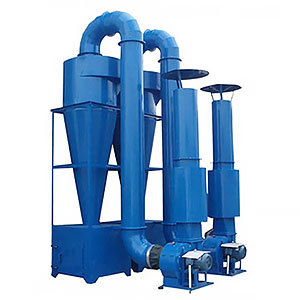
1. Dust pretreatment: Install a cyclone dust collector or gravity settling chamber at the inlet of the dust collector to remove large particles and hard dust, reducing erosion and wear on filter elements and conveying accessories; For wet and sticky dust, add pre drying or condensing dehumidification devices to reduce dust viscosity and avoid bag sticking and blockage.
2. Flue gas pretreatment: For high-temperature flue gas, heat exchangers or spray cooling devices are added to control the flue gas temperature within the temperature tolerance range of the accessories; Install desulfurization, denitrification or neutralization devices for corrosive flue gas to reduce its corrosiveness; Install oil removal devices for oily smoke to prevent oil mist from contaminating filter elements and seals.
3. System stability optimization: Add buffer chambers and shock absorbers in the dust removal system to reduce the impact of airflow and equipment vibration on accessories; Optimize the operating parameters of the fan to avoid excessive fluctuations in air volume and pressure, and ensure that the filtered air speed remains stable within a reasonable range.
3、 Key points for emergency handling of common faults
If there is a sudden malfunction of vulnerable parts, emergency measures should be taken in a timely manner to avoid the expansion of the malfunction and its impact on the operation of the entire dust removal system:
1. Filter element damage and dust leakage: Immediately stop the machine and replace the damaged cloth bag/filter cartridge; If the machine cannot be stopped temporarily, the valve of the corresponding filtration chamber can be closed, the fault area can be isolated, and it can be fully replaced after the machine is stopped.
2. Pulse valve failure: If the pulse valve leaks air, check whether the sealing gasket is damaged and replace it in a timely manner; If the pulse valve does not operate, check whether the valve core is stuck or the coil is faulty, disassemble and clean the valve core or replace the coil.
3. Sealing failure and dust leakage: Clean the sealing surface after shutdown and replace aging or damaged seals; If there is deformation on the sealing surface, it is necessary to repair the sealing surface before installing a new sealing component.
4. Ash unloading valve stuck: Immediately stop the machine, cut off the power, and clean the foreign objects or clumped dust inside the valve body; Check whether the blades are deformed, and if they are deformed, they need to be corrected or replaced; After adding lubricating oil, conduct a trial run to ensure smooth operation.
The common problems and vulnerable parts failures of dust removal accessories are mostly caused by improper adaptation to working conditions, non-standard installation, and inadequate operation and maintenance. For industrial enterprises in the field of foreign trade, there are differences in industrial processes and climate conditions in different countries and regions, and the working conditions of dust removal systems will also vary. Therefore, when selecting accessories, it is necessary to fully consider the local working conditions and strictly implement standardized installation and refined operation and maintenance measures to reduce the risk of failure from the source. Through scientific full process control, not only can the service life of vulnerable parts be extended, but also the stable and efficient operation of the dust removal system can be guaranteed, achieving the dual goals of environmental compliance and optimization of operation and maintenance costs.
Hot Tags:


Contact Us
Tel:
WeChat:
WhatsApp:
E-mail:
Address:
338 National Road South, Longfengdian Village, Botou City, Hebei Province, China
JiuznTomine is expertly delivering technically complicated projects in markets & provides custom solutions for their customized need.


CONTACT INFO
Tel: +86 18531710311
WeChat: +86-18531710311
338 National Road South, Longfengdian Village, Botou City, Hebei Province, China