












In depth analysis of the service life and working conditions influencing factors of dust removal bags
Dec 23,2025
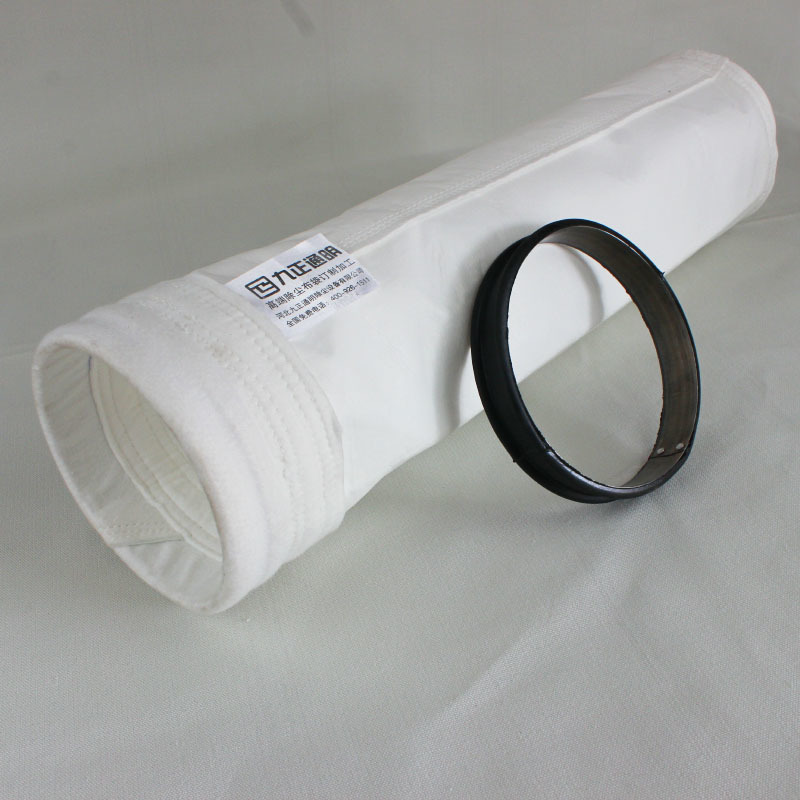
As the core filtering element of bag filter, the service life of dust bag directly affects the operational stability, purification effect, and maintenance cost of the dust removal system. In practical industrial applications, the lifespan of dust removal bags varies greatly, ranging from as short as 3-6 months to as long as 1-2 years or even longer. This difference is not only related to the material characteristics of the bag itself, but also mainly influenced by the comprehensive operating conditions. This article will systematically sort out the reference range of the normal service life of dust removal bags, deeply analyze the impact mechanism of key working conditions on their service life, and provide targeted suggestions for extending their service life, providing professional technical support for the operation and maintenance of dust removal systems in industrial enterprises in the foreign trade field.
1、 Reference range for normal service life of dust removal bag
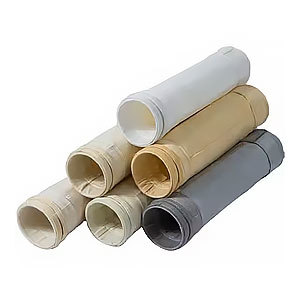
There is no unified standard for the service life of dust removal bags, and their basic service life range is determined by the material, which fluctuates in combination with working conditions. The following is a reference for the service life of different materials of cloth bags under conventional adaptation conditions, for industrial users to make preliminary judgments:
1. Room temperature universal cloth bag (such as polyester needle punched felt, polypropylene needle punched felt): suitable for temperature ≤ 130 ℃, dry and non corrosive dust working conditions, with a normal service life of 10-24 months;
2. High temperature cloth bags (such as fiberglass needle punched felt and PPS needle punched felt): fiberglass felt is suitable for temperatures ≤ 260 ℃, PPS felt is suitable for temperatures ≤ 190 ℃, and is suitable for high-temperature conditions such as boiler flue gas and metallurgical roasting. The normal service life is 6-18 months;
3. Corrosion resistant cloth bags (such as PTFE needle punched felt, Flumes needle punched felt): suitable for corrosive flue gas conditions containing acids, alkalis, organic solvents, etc., with a normal service life of 6-15 months;
4. Anti adhesive bags (such as laminated polyester felt, laminated fiberglass felt): suitable for high viscosity, high humidity dust conditions, with a normal service life of 5-12 months.
Note: The above lifespan is a reference value for "conventional adaptation conditions". If the operating parameters exceed the adaptation range, the lifespan may be shortened by 30% -70%; On the contrary, if the operating conditions are controlled accurately and the maintenance is done properly, the service life can be extended by 20% -50%.
2、 Factors and mechanisms affecting core operating conditions
Working conditions are the dominant factors affecting the lifespan of dust removal bags, among which fluctuations in parameters such as flue gas temperature, humidity, dust characteristics, flue gas corrosiveness, and filtration wind speed can accelerate bag failure through wear, corrosion, bag sticking, burning, and other methods. The following provides a detailed analysis of each core operating condition factor:
(1) Smoke temperature: Aging caused by overheating, condensation prone to occur at low temperatures
Temperature is a key factor determining the stability of bag materials, and whether it is over temperature or low temperature condensation, it will seriously shorten the service life:
1. Over temperature damage: Each type of cloth bag material has a clear maximum temperature resistance limit. If the flue gas temperature approaches or exceeds the limit value for a long time, it will cause the cloth bag fibers to accelerate aging, become brittle, and reduce strength, ultimately leading to tearing and damage. For example, if polyester bags are operated in smoke above 140 ℃ for a long time, they will become brittle and fail within 3-6 months; If the fiberglass cloth bag is subjected to instantaneous high temperature impact above 300 ℃, it will be directly burned.
2. Low temperature condensation: When the temperature of the flue gas is lower than the dew point temperature, the water vapor in the flue gas will condense on the surface of the bag, forming a "bag sticking" phenomenon. The condensed water vapor will cause dust to adhere to the surface of the bag, which cannot be removed by cleaning, resulting in a sharp increase in filtration resistance; At the same time, if the condensation water contains acidic or alkaline components, it will also corrode the cloth bag fibers, further exacerbating the damage.
(2) Smoke humidity: high humidity causes bag sticking and corrosion
The influence of smoke humidity on the lifespan of cloth bags is mainly reflected in two aspects, especially in high humidity+low temperature, high humidity+viscous dust working conditions:
1. Bag sticking failure: When the relative humidity of the smoke exceeds 80% and the dust contains viscous components, the dust will form viscous lumps on the surface of the bag, blocking the filtering pores. This kind of "sticky bag" cannot be solved by conventional dust cleaning, which will cause the bag to lose its filtering function and be forced to be replaced in advance.
2. Corrosion aggravation: High humidity environment will accelerate the dissolution of corrosive substances in flue gas, forming acidic or alkaline aqueous solutions, which will cause chemical corrosion to bag fibers. For example, in the treatment of waste incineration flue gas, high humidity and high acidity conditions can shorten the lifespan of ordinary PPS bags from 12 months to 3-5 months.
(3) Dust characteristics: multiple threats of wear, blockage, and burning
The particle size, hardness, viscosity, temperature and other characteristics of dust directly determine the degree of physical damage that the bag can withstand:
1. Wear and tear damage: This is the most common form of physical damage. When the dust contains a large number of hard particles and the particle size is small, under the action of filtering wind speed, the dust will continue to wash the surface of the bag, especially the bag inlet and dust cleaning spray area, forming local wear and ultimately leading to holes. The higher the dust concentration and wind speed, the faster the wear rate.
2. Blockage failure: Fine particulate dust or viscous dust can easily enter the gaps between the filter fibers of the bag, forming deep blockages that cannot be removed even with frequent cleaning. Blockage can lead to a continuous increase in filtration resistance, an increase in system energy consumption, and an increase in internal pressure within the bag, which can easily cause fiber fatigue damage.
3. High temperature dust burning: If the processed dust itself has high temperature, even if the flue gas temperature is within the temperature range of the bag, direct contact of high-temperature dust particles with the bag will cause local burning and form point like holes.
(4) Corrosion of flue gas: Chemical erosion leads to fiber degradation
The corrosive gases in the flue gas will react chemically with the cloth bag fibers, damaging the fiber structure and causing a decrease in the strength and failure of the cloth bag. This corrosion damage is concealed and irreversible
1. Acidic corrosion: Sulfur and chlorine containing flue gas forms acidic solutions in high humidity environments, which can corrode conventional fibers such as polyester and fiberglass.
2. Alkaline corrosion: Smoke containing alkaline mist can corrode fibers such as polypropylene and PPS, causing them to soften and shrink, affecting filtration efficiency and shortening their lifespan.
3. Oxidative corrosion: Oxidative substances such as oxygen and ozone in high-temperature flue gas can accelerate the oxidative degradation of bag fibers.
(5) Filtering wind speed: Excessive wind speed exacerbates wear and blockage
The filtering wind speed refers to the speed at which smoke passes through the filtering area of the bag, and is an important operating parameter that affects the lifespan of the bag
1. Increased wear: When the filtering wind speed is too high, the scouring force of dust particles on the surface of the bag will significantly increase, especially on the windward side of the bag and the cleaning and blowing parts, and the wear rate will increase exponentially. Under normal operating conditions, it is recommended to control the filtration wind speed at 0.8-1.2m/min. If the wind speed is increased to 1.5m/min or above, the wear life of the bag will be shortened by 30% -40%.
2. Blockage acceleration: High wind speed will make it easier for fine dust particles to embed into the gaps between the bag fibers, and the dust stripping effect during dust cleaning will decrease, resulting in continuous accumulation of dust on the surface of the bag, forming blockages and causing increased resistance and fiber fatigue damage.
(6) Other working conditions: high oil and dust concentration
In addition to the core factors mentioned above, oil pollution and high dust concentration in the flue gas can also affect the lifespan of the bag:
1. Oil containing flue gas: If the flue gas contains oil mist, the oil stains will adhere to the surface of the bag fibers, forming an oil film that makes it impossible to remove dust. At the same time, the oil stains will accelerate the aging and softening of the fibers, leading to bag sticking and damage.
2. High dust concentration: When the dust concentration in the flue gas is too high, the filtration load of the bag will increase sharply, and the cleaning frequency will be forced to increase, which will exacerbate the fatigue wear of the bag; At the same time, the accumulation of a large amount of dust will increase the internal pressure of the bag, which can easily cause fiber breakage.
3、 Strategy for extending the lifespan of cloth bags based on working condition optimization
By accurately controlling the operating parameters and optimizing the system design, the service life of the dust removal bag can be effectively extended and the operation and maintenance costs can be reduced in response to the influencing factors of the above working conditions
(1) Accurate control of flue gas temperature and humidity
1. Temperature control: Install temperature monitoring and warning devices at the inlet of the dust collector. When the flue gas temperature approaches the temperature limit of the bag, the cooling system will be activated; For instantaneous high temperature impact, add buffer chambers or cooling devices to avoid overheating damage. At the same time, insulation treatment should be done for the dust collector to prevent the flue gas temperature from falling below the dew point temperature and to avoid condensation and bag sticking.
2. Humidity control: For high humidity flue gas, a dehumidification device can be added at the inlet to reduce the relative humidity of the flue gas; If the process allows, the flue gas temperature can be appropriately increased to avoid the dew point range.
(2) Optimize dust pretreatment and filtration wind speed
1. Dust pretreatment: Install pretreatment devices such as cyclone dust collectors, oil separators, and electrostatic precipitators at the inlet of the dust collector to reduce harmful dust entering the bag and reduce the risk of wear and blockage.
2. Wind speed optimization: Based on the characteristics of dust and the material of the bag, design the filtering area reasonably and control the filtering wind speed within the appropriate range; For high concentration and hard dust, it is recommended to control the wind speed at 0.6-0.8m/min to reduce erosion and wear.
(3) Targeted response to corrosive working conditions
1. Material adaptation: Select bag materials with strong corrosion resistance based on the corrosive components of the smoke.
2. Flue gas desulfurization and denitrification: Install desulfurization and denitrification devices at the front end of the dust collector to reduce the concentration of corrosive gases in the flue gas and minimize the risk of corrosion from the source.
(4) Optimize the ash cleaning system and operation and maintenance management
1. Reasonable dust cleaning: Adjust the dust cleaning pressure, blowing cycle, and blowing time according to the working conditions and resistance changes, to avoid excessive or incomplete dust cleaning. It is recommended to use pulse jet cleaning method to accurately control the blowing force and frequency.
2. Regular operation and maintenance: Establish a comprehensive operation and maintenance ledger, regularly check the surface condition of the cloth bag and the operation of the dust cleaning system, and replace damaged cloth bags in a timely manner; Regularly clean the accumulated dust in the ash hopper to avoid secondary pollution and wear caused by dust reflux.
The service life of dust removal bags is not determined by a single factor, but by the combined effect of various working conditions. When industrial enterprises use bag filters, the core is to achieve precise matching between operating conditions and bag materials. By scientifically controlling key operating parameters such as flue gas temperature, humidity, dust characteristics, and filtration wind speed, supplemented by a comprehensive pre-treatment system and operation and maintenance management, the service life of the bag can be effectively extended, ensuring the stable and efficient operation of the dust removal system. For industrial users in the field of foreign trade, optimizing the design and operation strategies of dust removal systems based on the differences in working conditions in different countries and regions is the key to improving dust removal efficiency and reducing operation and maintenance costs.
Hot Tags:
PREVIOUS:


Contact Us
Tel:
WeChat:
WhatsApp:
E-mail:
Address:
338 National Road South, Longfengdian Village, Botou City, Hebei Province, China
JiuznTomine is expertly delivering technically complicated projects in markets & provides custom solutions for their customized need.


CONTACT INFO
Tel: +86 18531710311
WeChat: +86-18531710311
338 National Road South, Longfengdian Village, Botou City, Hebei Province, China