











Comprehensive guide for operation and maintenance of dust removal bags and suggestions for regular replacement cycles
Dec 22,2025
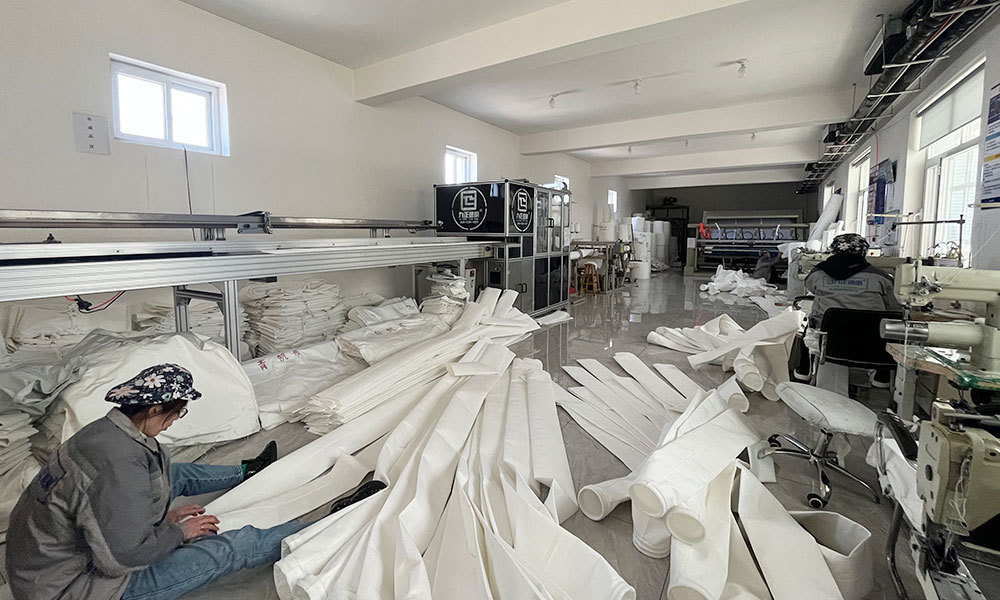
The dust bag is the core filtering component of the bag filter, and its operating status directly determines the purification efficiency, operating resistance, and energy consumption of the dust removal system. Scientific operation and maintenance can effectively extend the service life of dust removal bags and ensure stable system operation; Reasonably determining the replacement cycle can avoid excessive emissions, system failures, or resource waste caused by premature replacement due to excessive use of cloth bags. This article combines industrial practical working conditions to sort out the key points of operation and maintenance of dust removal bags throughout their entire life cycle, and provides targeted suggestions for regular replacement cycles, providing technical reference for relevant practitioners.
1、 Core points of daily operation and maintenance of dust removal bags
The core goal of daily operation and maintenance is to timely discover and eliminate potential problems that affect the operation of the bag filter, maintain the stable working condition of the filtration system, and focus on the following three aspects:
(1) Real time monitoring of operational status
By utilizing the online monitoring device of the dust removal system, key parameter changes are tracked daily and an operational ledger is established
1. Resistance monitoring: During normal operation, the filtration resistance of the dust bag should be in a stable range. If the resistance suddenly increases by more than 1800Pa or continues to climb and cannot be relieved by cleaning, it may be due to problems such as bag blockage or failure of the cleaning system; If the resistance suddenly drops, it is necessary to check whether the bag is damaged or detached.
2. Emission concentration monitoring: Regularly check the export dust emission concentration through online smoke monitoring equipment or portable dust detectors. If the emission concentration exceeds the standard and the problem of equipment sealing and air leakage is excluded, it is highly likely that the bag is damaged and needs to be located and dealt with in a timely manner.
3. Control of operating parameters: Strictly control the temperature, humidity, and dust concentration of the flue gas entering the dust collector to avoid exceeding the bag adaptation range. For example, normal temperature polyester bags need to ensure that the flue gas temperature does not exceed 130 ℃, and high-temperature fiberglass bags do not exceed 260 ℃; Avoid the instantaneous impact of high-temperature smoke or low-temperature condensation that may cause the bag to become stuck.
(2) Collaborative maintenance of ash cleaning system
The cleaning effect directly affects the service life of the bag, and the operation status of the cleaning system needs to be checked daily:
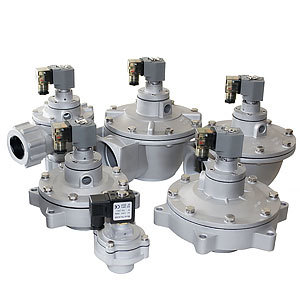
1. Pulse valve inspection: Confirm that the pulse valve operates normally and has no faults such as air leakage or non blowing. It can be determined by listening to sound, touching the valve body temperature, etc. If the pulse valve fails, it will cause excessive dust accumulation in the corresponding area of the bag and increase in resistance.
2. Spray parameter verification: Regularly verify the spray pressure, spray cycle, and spray time to ensure that the parameters match the current operating conditions. If the dust concentration increases, the blowing cycle can be appropriately shortened to avoid dust accumulation and blockage.
3. Air circuit maintenance: Check if the compressed air pipeline is unobstructed and if the drain is working properly to prevent moisture and oil from entering the dust collector, which can cause bag sticking and corrosion.
(3) Auxiliary maintenance of dust collector body
The operation status of the dust collector body indirectly affects the service life of the bag, and maintenance needs to be carried out synchronously:
1. Sealing inspection: Check the sealing condition of the flange connection, maintenance door, inlet and outlet pipelines of the dust collector daily to avoid air leakage. Air leakage can lead to a decrease in negative pressure inside the dust collector, uneven filtration air velocity, high local bag load, and accelerated damage.
2. Cleaning of ash hopper: Ensure that the ash discharge valve operates normally and there is no accumulation of ash inside the ash hopper. If the ash hopper accumulates too much ash, it will cause dust to reflux, reattach to the surface of the bag, increase filtration resistance, and even cause bag sticking.
3. Insulation protection: For high temperature or dew prone working conditions, check whether the insulation layer of the dust collector is intact to avoid smoke condensation on the surface of the bag, which can cause dust adhesion and make it difficult to clean.
2、 Regular maintenance process and frequency of dust removal bags
In addition to daily operations and maintenance, it is necessary to carry out in-depth maintenance at a fixed frequency and promptly address potential issues. The specific process and frequency are as follows:
(1) Weekly maintenance: basic inspection and cleaning
1. Conduct a comprehensive inspection of the dust cleaning system, including the operation status of the pulse valve, spray pipe, and air bag, and clean the accumulated water and oil from the air bag drainage outlet.
2. Check the appearance of the cloth bag: Observe the surface dust of the cloth bag through the inspection door. If severe dust accumulation, bulging, or collapse is found in some parts of the cloth bag, it should be marked and the focus should be on further investigation.
3. Clean up debris inside the dust collector: Remove debris from the ash hopper and maintenance channel to avoid scratching or puncturing the cloth bag.
(2) Monthly maintenance: parameter calibration and component inspection
1. Calibration of monitoring instruments: Calibrate resistance monitoring instruments, emission concentration detectors, temperature sensors, etc. to ensure accurate data.
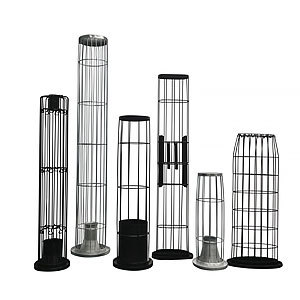
2. Check the fixing condition of the bag: check whether the clamp and spring coil at the bag mouth are loose to avoid the bag falling off; Check whether the dust removal frame is deformed or rusted. If the frame is damaged, it should be replaced in a timely manner to prevent scratching the cloth bag.
3. Testing the cleaning effect: By adjusting the spraying parameters, test the decrease in resistance after cleaning to determine whether the cleaning system is in the best state.
(3) Quarterly maintenance: in-depth inspection and partial replacement
1. Sampling inspection of cloth bags: Randomly select a small number of cloth bags and inspect their surfaces for damage, wear, corrosion, and bag sticking. Measure the thickness and weight changes of the cloth bags and evaluate the degree of filtration performance degradation.
2. Maintenance and cleaning of dust components: Disassemble and inspect the internal diaphragm of the pulse valve. If there is aging or damage, replace it in a timely manner; Clean the blockage in the blowing hole of the blowing pipe to ensure smooth blowing.
3. Comprehensive investigation of air leakage: Using pressure testing method, check the sealing performance of the dust collector body and pipeline, and seal the air leakage parts.
(4) Annual maintenance: system overhaul and overall evaluation
1. Conduct a comprehensive inspection of the bag status: Inspect all bags in each warehouse, count the number of damaged or failed bags, and evaluate the necessity of replacing them as a whole.
2. Maintenance of dust collector structure: Check whether the box, flower board, ash hopper and other components are deformed or corroded, and repair or replace them in a timely manner; Check the welding quality of the dust removal skeleton, and carry out rust removal and anti-corrosion treatment on the rusted parts.
3. Optimize operating parameters: Based on the annual operating data, adjust parameters such as cleaning pressure and injection cycle, and develop the next year's operation and maintenance plan.
3、 Suggestions for Regular Replacement Cycle of Dust Removal Bag
There is no fixed standard for the replacement cycle of dust removal bags, which mainly depends on the working conditions, bag material, and maintenance level. The following reference cycles are given based on different working conditions, and actual replacement needs to be comprehensively judged based on the actual state of the bag:
(1) Reference period divided by operating condition type
1. Normal temperature drying conditions (temperature ≤ 130 ℃, dust is dry, non sticky, and low corrosive, such as cement, coal powder, and grain processing dust):
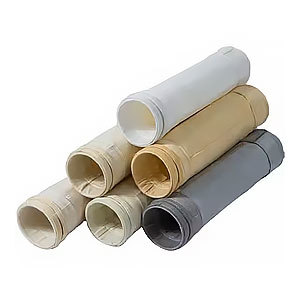
-Polyester needle punched felt bag: The replacement cycle is usually 1-2 years;
-Polypropylene cloth bag: The replacement cycle is usually 8-12 months (with slightly poor temperature resistance).
2. High temperature working conditions (temperature 130-260 ℃, dust is dry dust in high-temperature flue gas, such as boiler flue gas and metallurgical roasting dust):
-Fiberglass needle punched felt bag: The replacement cycle is usually 6-12 months;
-PTFE coated fiberglass bag: The replacement cycle is usually 12-18 months (with better temperature and corrosion resistance).
3. Corrosive working conditions (flue gas containing corrosive gases such as acid and alkali, such as chemical waste gas, electroplating dust, and waste incineration flue gas):
-Ordinary corrosion-resistant cloth bags (such as PPS needle punched felt): The replacement cycle is usually 3-6 months;
-High end corrosion-resistant cloth bags (such as PTFE needle punched felt): The replacement cycle is usually 6-12 months.
4. High concentration viscous working conditions (high dust concentration, oil mist or viscous dust, such as painting mist, food processing dust, mining wet dust):
-Coated polyester cloth bag: The replacement cycle is usually 3-6 months;
-Plastic fired board (filter element replacing cloth bag): The replacement cycle is usually 1-2 years (with better adhesion resistance).
(2) Signal that must be replaced immediately
If the following situations occur, regardless of whether the reference period has been reached, the corresponding cloth bag or the entire warehouse cloth bag must be replaced immediately:
1. Continuous exceeding of emission concentration: After testing, the dust emission concentration at the outlet of the dust collector exceeds the national or local emission standards, and after investigation, it is confirmed that it is caused by damaged cloth bags, which need to be replaced; If there are a large number of damages, it is recommended to replace the entire warehouse.
2. Abnormal and unrecoverable filtering resistance: After optimizing the cleaning parameters, cleaning the air path, and checking the ash unloading system, if the filtering resistance continues to be higher than 1800Pa or fluctuates too much, it indicates that the bag is severely clogged and stuck, and cannot be used anymore.
3. Obvious damage to the cloth bag: Upon observation through the inspection door or sampling inspection, it was found that the surface of the cloth bag was extensively damaged, torn, or the bag mouth was loose and detached, causing dust to directly penetrate and requiring immediate replacement.
4. Aging and deterioration of cloth bag material: If the cloth bag shows aging phenomena such as brittleness, softening, shrinkage deformation, etc., it is easy to damage when touched by hand, or if the weight loss exceeds 15% of the initial weight, it indicates that the material has failed and needs to be replaced as a whole.
(3) Key measures to extend the replacement cycle
Through scientific operation and maintenance, the bag replacement cycle can be effectively extended, reducing operation and maintenance costs:
1. Pre treatment of flue gas: Install a pre-treatment device at the inlet of the dust collector to reduce the concentration, temperature, and viscosity of dust entering the bag, and reduce the load on the bag.
2. Choose suitable materials: Accurately select the bag material according to the working conditions to avoid premature damage caused by mismatched materials and working conditions.
3. Optimize the dust cleaning strategy: Adjust the spraying parameters according to the characteristics of the dust to avoid excessive or incomplete dust cleaning.
4. Carry out anti-corrosion and moisture-proof measures: Insulate and anti-corrosion the dust collector to avoid condensation and bag sticking; Ensure that the compressed air is dry and clean, and avoid contaminating the cloth bag with oil and moisture.
4、 Specification for bag replacement operation
When replacing the bag, the following specifications should be followed to avoid damaging the equipment or affecting subsequent operation:
1. Shutdown and power outage: Before replacement, stop the operation of the dust collector, cut off the power supply, and ensure the safety of the operation.
2. Clean up the accumulated dust: Open the maintenance door, clean the accumulated dust on the ash hopper and flower board, and prevent the accumulated dust from falling into the new cloth bag.
3. Dismantle old cloth bags: Dismantle the old cloth bags one by one, check whether the dust removal skeleton is deformed or rusted, and replace them synchronously if there is any damage; Clean the debris inside the flower board holes to ensure a smooth sealing surface.
4. Install a new cloth bag: Place the new cloth bag over the frame, ensuring that the bag mouth is tightly sealed with the flower board, and fix it firmly with clamps or spring rings to avoid looseness and air leakage; Avoid touching the cloth bag with sharp objects during installation to prevent damage.
5. Trial operation inspection: After the replacement is completed, close the maintenance door, start the dust collector to run without load, check the resistance change and sealing condition, and confirm that there are no abnormalities before putting it back into normal operation.
The core of the operation, maintenance, and replacement cycle determination of dust removal bags is "adapting to working conditions, precise monitoring, and scientific maintenance". By daily real-time monitoring of operational status and conducting in-depth maintenance according to frequency, problems can be discovered and resolved in a timely manner; Based on the characteristics of the working conditions and the actual state of the bag, a reasonable determination of the replacement cycle can ensure that the dust removal system operates in compliance with standards while maximizing the value of the bag. In practical operation, it is necessary to establish a complete operation and maintenance ledger, record operating parameters, maintenance content, bag replacement time and other information, to provide data support for optimizing operation and maintenance strategies and accurately determining replacement cycles in the future.
Hot Tags:
PREVIOUS:


Contact Us
Tel:
WeChat:
WhatsApp:
E-mail:
Address:
338 National Road South, Longfengdian Village, Botou City, Hebei Province, China
JiuznTomine is expertly delivering technically complicated projects in markets & provides custom solutions for their customized need.


CONTACT INFO
Tel: +86 18531710311
WeChat: +86-18531710311
338 National Road South, Longfengdian Village, Botou City, Hebei Province, China