











Selection Guide for Dust Removal Accessories: Core Points for Adapting to Different Dust Removal Equipment
Dec 20,2025
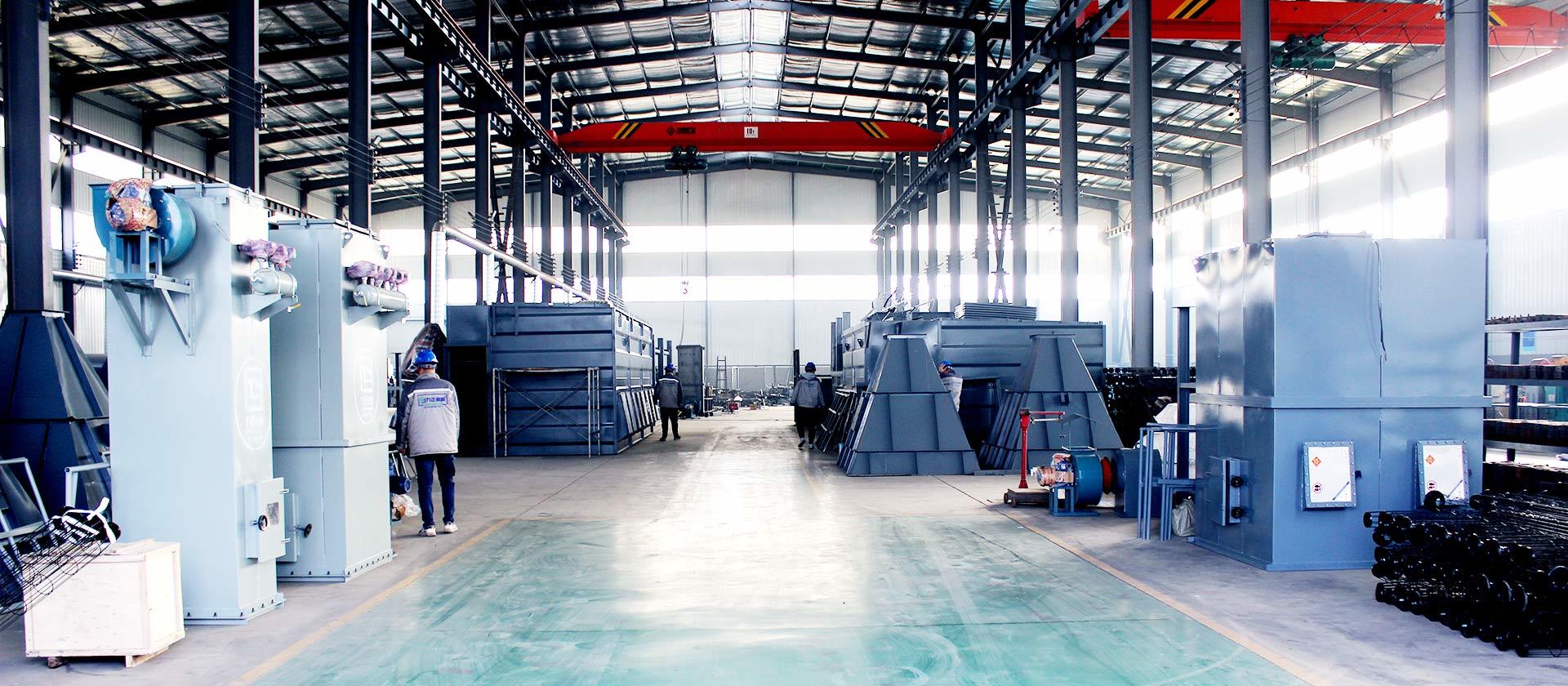
As a key component of the dust removal system, the rational selection of dust removal accessories directly affects the operational efficiency, stability, and service life of the dust removal equipment. Different types of dust removal equipment (such as bag filters, electrostatic precipitators, cyclone dust collectors, etc.) have different working principles, structural designs, and applicable working conditions, and have completely different requirements for the materials, specifications, and performance of supporting accessories.
1、 Core principles for selecting dust removal accessories
Before selecting dust removal accessories, the following core principles should be followed to ensure that the accessories are accurately matched with the dust removal equipment and actual working conditions:
1. Working condition adaptation principle: Priority should be given to selecting accessories with suitable performance such as temperature resistance, wear resistance, and corrosion resistance based on the characteristics of dust treatment, gas flow rate, and pressure, in order to avoid premature damage caused by mismatched accessory materials and working conditions.
2. Equipment adaptation principle: Strictly based on the type, model, and structural design of the dust removal equipment, select accessories that fully match the specifications, interfaces, and installation methods to ensure that the accessories can be assembled smoothly and perform their original functions, avoiding the impact of size deviations on system sealing or operational stability.
3. Performance synergy principle: The performance parameters of the accessories need to be coordinated with the overall performance of the dust removal equipment. For example, the spraying pressure and flow rate of the cleaning accessories need to match the filtering area of the filter bag, and the ash discharge volume of the unloading accessories needs to be adapted to the amount of dust processed by the equipment to ensure efficient operation of the system.
4. Principle of balancing reliability and economy: Considering the service life, maintenance difficulty, and procurement cost of accessories while meeting usage requirements, priority should be given to products with stable quality and convenient maintenance, avoiding blindly pursuing high priced accessories or increasing overall costs due to frequent replacement of low-priced accessories.
2、 Key points for selecting core dust removal accessories and equipment adaptation plan
The core components of the dust removal system mainly include filtering components, cleaning components, unloading components, sealing components, and support components. The selection logic of different components and their adaptation requirements to various dust removal equipment have significant differences, as follows:
(1) Filter accessories: the core guarantee of dust removal efficiency
Filter accessories are key components for directly achieving dust separation. The mainstream types include dust removal filter bags, filter cartridges, plastic fired plates, etc. The selection of filter accessories should focus on materials, filtration accuracy, and structural forms, and be suitable for the filtration needs of different dust removal equipment.
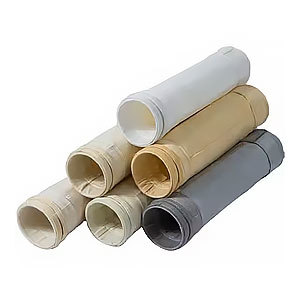
1. Dust filter bag: mainly suitable for bag filters. The core of selection lies in material selection: for handling normal temperature and non corrosive dust, polyester filter bags are preferred, which have good breathability and wear resistance; To deal with high-temperature dust, fiberglass filter bags can be used, which have strong temperature resistance but poor bending resistance; When dealing with corrosive gases or high humidity dust, it is recommended to choose PTFE filter bags, which have excellent corrosion resistance and waterproofness. In addition, the needle punching density and weight of the filter bag need to be adjusted according to the dust concentration, and high-density filter bags should be selected for high concentration dust to improve filtration stability.
2. Filter cartridge: Suitable for filter cartridge dust collectors, especially for processing fine particles and low concentration dust. When selecting, attention should be paid to the material of the filter material. Polyester fiber filter cartridges are suitable for normal temperature conditions, while waterproof and oil proof filter cartridges can be used for oil mist and dust; The filtration accuracy of the filter cartridge needs to be selected according to the emission requirements. The common accuracy is 1 μ m-10 μ m, and sub micron filter cartridges can be used for high-end working conditions. At the same time, the installation method of the filter cartridge needs to match the structure of the filter cartridge dust collector to ensure smooth dust cleaning.
3. Plastic fired board: mainly suitable for plastic fired board dust collectors, suitable for handling high humidity and high viscosity dust. When selecting, priority should be given to plastic fired sheets made of polypropylene or PTFE, which have good resistance to condensation and blockage; Select the appropriate area of the plastic fired plate based on the gas flow rate, while paying attention to its surface pore size. The pore size should match the particle size of the dust to avoid dust penetration or blockage.
(2) Dust cleaning accessories: key to ensuring filtration continuity
Dust cleaning accessories are used to remove accumulated dust on the surface of filter accessories, avoiding high filtration resistance that affects dust removal efficiency. The mainstream types include pulse valves, spray pipes, vibration devices, etc., and their selection needs to be adapted to the dust cleaning method of the dust removal equipment.
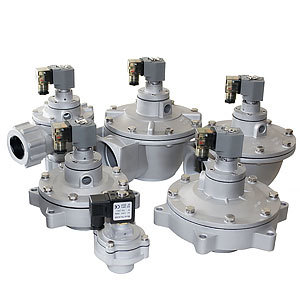
1. Pulse valve: The core is compatible with pulse bag filter and filter cartridge dust collector, and is the core component of pulse dust cleaning system. When selecting, it is necessary to choose according to the cleaning pressure. Low pressure pulse valves are suitable for small and medium-sized dust removal equipment, while high pressure pulse valves are suitable for large and high concentration dust treatment equipment; Select the specifications of the pulse valve based on the injection flow rate to ensure that a single pulse valve can cover the corresponding number of filter bags or filter cartridges. In addition, the material of the pulse valve needs to be adapted to the working conditions, high-temperature sealing components should be selected for high-temperature working conditions, and stainless steel valve bodies should be selected for corrosive working conditions.
2. Spray tube: Used in conjunction with pulse valves, when selecting, it is necessary to ensure that the length and aperture of the spray tube match the arrangement and quantity of the filter bags/cartridges. The position of the spray holes should be accurately aligned with the opening of the filter bags/cartridges to ensure that the cleaning airflow evenly covers the filter surface; Stainless steel is preferred as the material to avoid damage caused by dust erosion or corrosion.
3. Vibration device: mainly suitable for electrostatic precipitators and large bag filters, it uses mechanical vibration to remove dust on the surface of the electrode plate or filter bag. When selecting, the vibration force and frequency should be selected according to the equipment size. If the vibration force is too small, it cannot effectively clean the dust, and if it is too large, it may damage the electrode plate or filter bag; The material of the vibration device should have good wear resistance, and the rotating components such as bearings should be selected with excellent sealing performance to prevent dust from entering and causing jamming.
(3) Ash unloading accessories: guarantee for smooth dust discharge
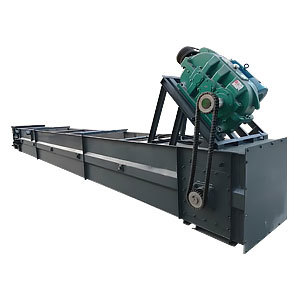
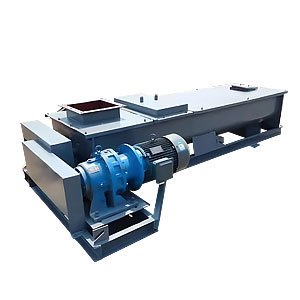
Ash unloading accessories are used to discharge the separated dust from the equipment ash hopper, avoiding ash accumulation and blockage. The mainstream types include ash unloading valves, scraper conveyors, etc., and their selection needs to be adapted to the ash discharge capacity and dust characteristics of the dust removal equipment.
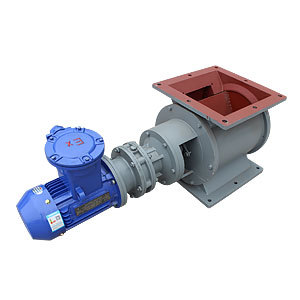
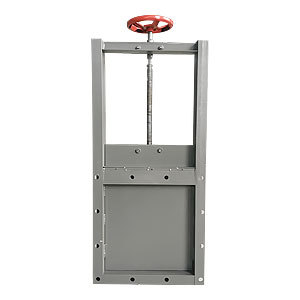
1. Star shaped ash discharge valve: Suitable for various dust collectors, especially for dry and loose dust. When selecting, the valve body specifications should be selected based on the size of the ash hopper outlet and the amount of ash discharged to ensure a balance between the amount of ash discharged and the amount of dust generated; In terms of material, cast iron material can be selected for ambient temperature dust, while stainless steel material should be selected for high temperature or corrosive dust; For dust with slightly higher viscosity, a star shaped ash discharge valve with a scraper can be selected to avoid dust clumping inside the valve body.
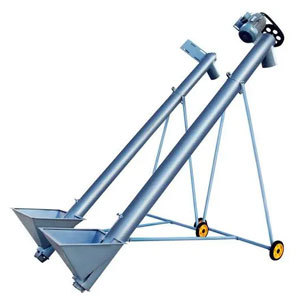
2. Spiral conveyor: mainly suitable for large-scale dust removal systems or multiple dust collectors working together to discharge dust, used to transport dust to designated collection points. When selecting, the diameter and speed of the spiral blades should be chosen according to the conveying distance and conveying capacity. The blade material should be selected according to the dust hardness, and wear-resistant lining plates should be selected for high hardness dust; At the same time, it is necessary to ensure the sealing performance of the conveyor to avoid dust leakage.
(4) Sealing accessories: the foundation for ensuring stable negative pressure in the system
Sealing accessories are used to seal the gaps of dust removal equipment (such as flange connections, maintenance doors, inlet and outlet pipeline interfaces), avoiding air leakage that affects negative pressure and dust removal efficiency. The mainstream types include gaskets, sealing rings, sealants, etc. The selection of materials should pay attention to their temperature resistance, sealing performance, and adaptability.
-Sealing gasket/sealing ring: Suitable for connecting parts of various dust removal equipment. When selecting, the specifications should be selected according to the interface size, and the material should match the operating temperature and medium characteristics. Rubber sealing gasket (nitrile rubber, fluororubber) can be selected for normal temperature operating conditions, graphite sealing gasket or metal winding gasket should be selected for high temperature operating conditions (>200 ℃), and polytetrafluoroethylene sealing gasket should be selected for corrosive operating conditions. At the same time, it is necessary to ensure that the compression of the sealing components meets the requirements to ensure the sealing effect.
-Sealing glue: used to fill small gaps in equipment. When selecting, it is necessary to choose products that are compatible with the sealing surface material and have strong sealing performance after curing. High temperature resistant sealing glue should be selected for high temperature working conditions, and waterproof sealing glue should be selected for humid working conditions to ensure good sealing performance even under harsh working conditions.
(5) Supporting accessories: the core to ensure the stability of equipment structure
Supporting accessories include dust removal skeleton, electrode plates/wires, brackets, etc. The selection should pay attention to structural strength and material compatibility to ensure that they can support the core components and adapt to the working environment.
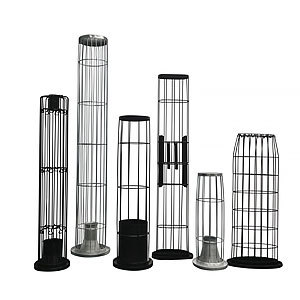
1. Dust removal skeleton: Suitable for bag filters, used to support the shape of filter bags and prevent them from collapsing. When selecting, the diameter and length of the skeleton should be chosen according to the size of the filter bag to ensure a tight fit between the skeleton and the filter bag without affecting the expansion and contraction of the filter bag; In terms of material, carbon steel skeleton can be selected for normal temperature conditions, while stainless steel skeleton should be selected for high temperature or corrosive conditions. At the same time, the surface of the skeleton needs to be treated with anti-corrosion measures such as galvanizing and spraying to extend its service life. In addition, the number of longitudinal bars in the skeleton needs to be adjusted according to the diameter of the filter bag to ensure sufficient structural strength.
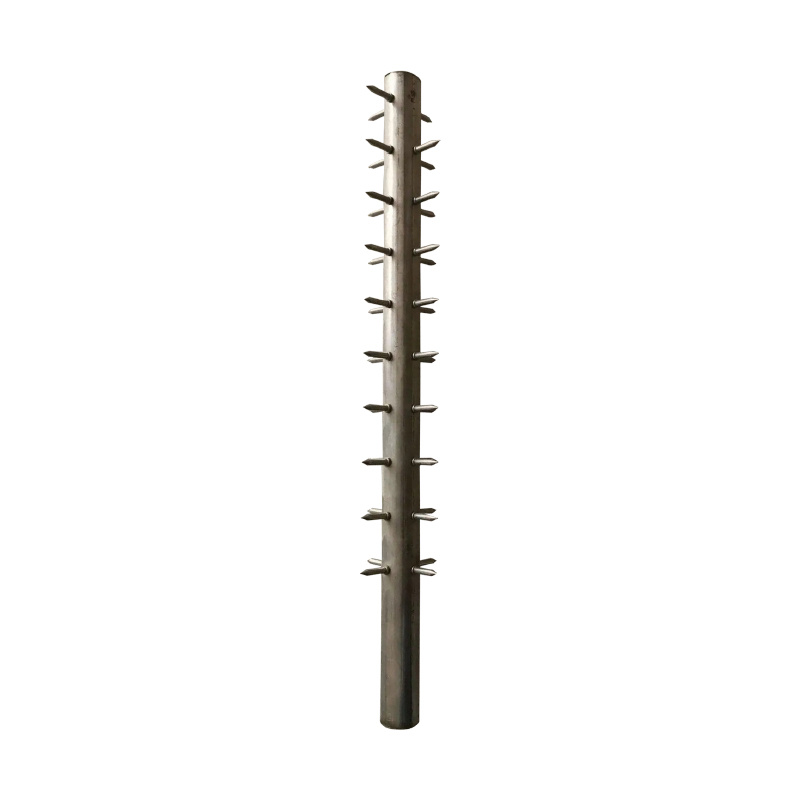
2. Polar plates/wires: Suitable for electrostatic precipitators, used to generate electrostatic fields to achieve dust adsorption. When selecting, the material and size of the electrode plate should be chosen according to the model of the electrostatic precipitator. The type of electrode wire should be selected based on the specific resistance characteristics of the dust. For high specific resistance dust, a strong discharge performance burr wire should be selected; The installation accuracy of polar plates/wires needs to be strictly controlled to avoid affecting the uniformity of the electrostatic field.
3、 Summary of Accessories Adaptation for Different Types of Dust Removal Equipment
For the convenience of quick selection, the following is a summary of the core accessory adaptation solutions for mainstream dust removal equipment, clarifying the key points of accessory selection for each equipment:
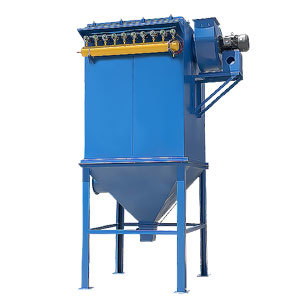
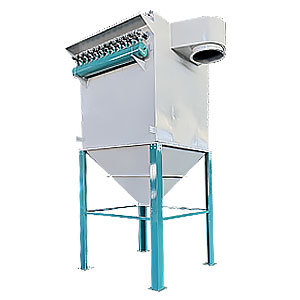
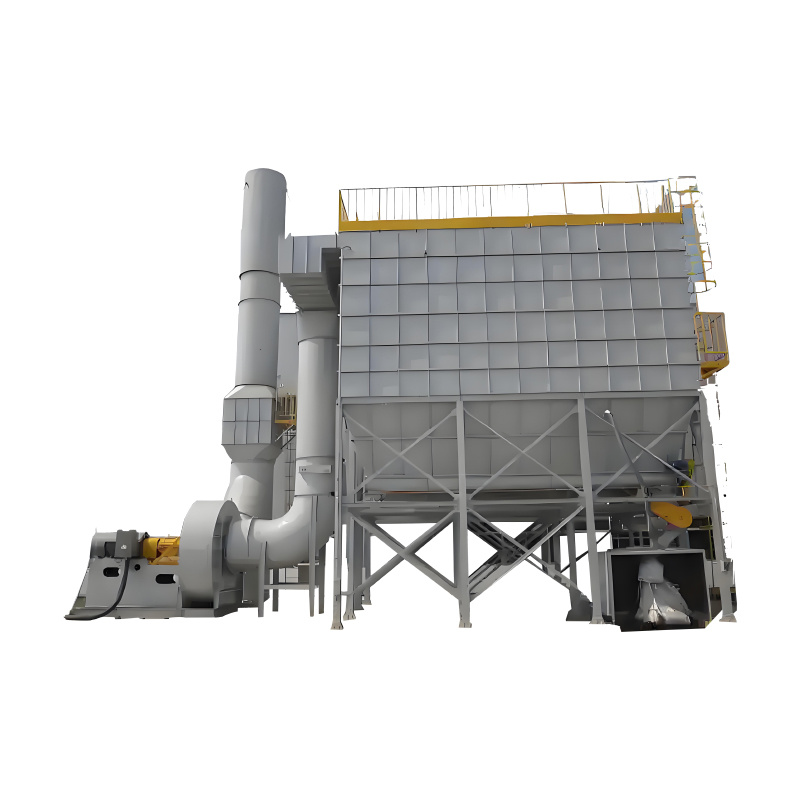
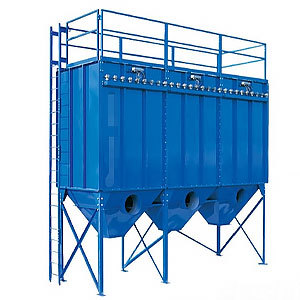
1. Bag filter: The core components should prioritize the selection of dust removal filter bags, stainless steel dust removal skeletons, high-pressure pulse valves, and spray pipes that are suitable for the working conditions. Star shaped ash discharge valves should be used for the ash discharge components, and temperature resistant sealing gaskets should be used for the sealing components; Focus on the matching of filter bag material with dust temperature and corrosiveness, as well as the adaptation of pulse valve and filter bag quantity.
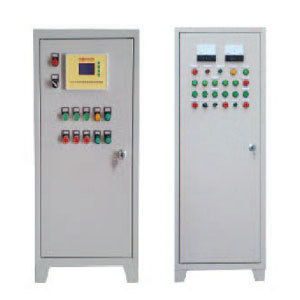
2. Electrostatic precipitator: The core components include plates/wires with excellent discharge performance, high-frequency and high-voltage power supply components, and vibration devices. The sealing components include high-temperature graphite gaskets; Pay close attention to the matching between the material of the electrode plate/wire and the corrosiveness of the flue gas, and the compatibility between the vibration force and the accumulation of dust on the electrode plate.
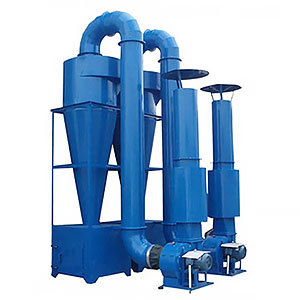
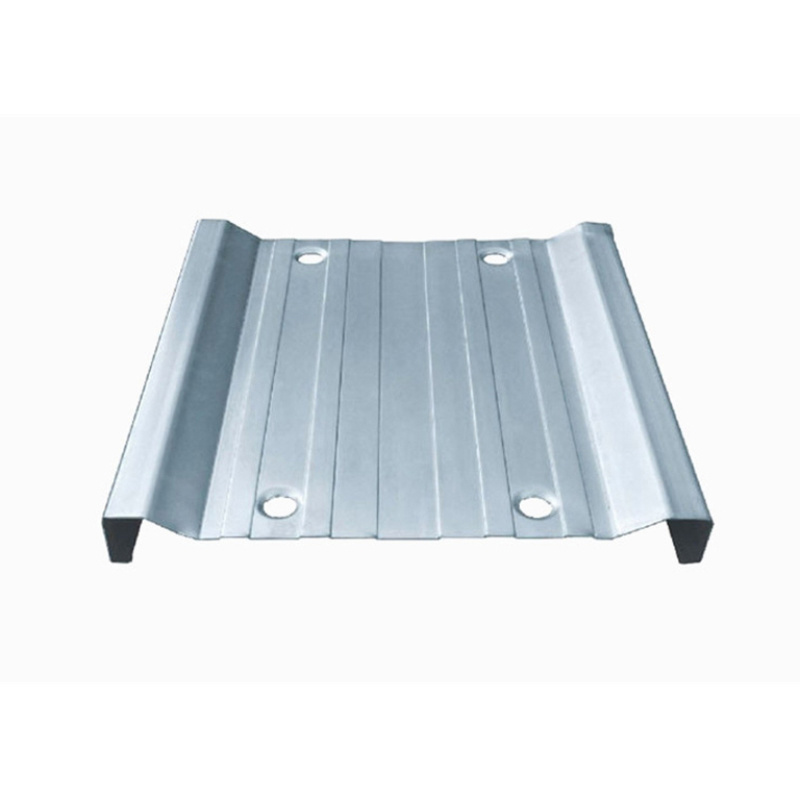
3. Cyclone dust collector: The core components include wear-resistant lining plates, star shaped ash discharge valves, and sealant. Attention should be paid to the selection of wear-resistant components for the inlet pipeline and cone bottom to avoid wear caused by high concentration dust erosion.
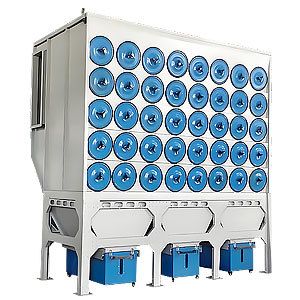
4. Filter cartridge dust collector: The core accessories include high-precision filter cartridges, low-pressure pulse valves, horizontally/vertically compatible spray pipes, and waterproof and oil proof sealing rings; Focus on the matching of filter cartridge material and dust type, as well as the adaptation of pulse valve spraying range to the filter cartridge.
5. Plastic fired board dust collector: The core accessories include anti condensation plastic fired board, dedicated dust cleaning nozzle, star shaped ash discharge valve, and corrosion-resistant sealing gasket; Pay close attention to the matching between the aperture of the plastic fired board and the particle size of the dust, as well as the adhesion between the cleaning accessories and the surface of the plastic fired board.
4、 Precautions for selecting dust removal accessories
In addition to the core points mentioned above, attention should also be paid to the following details during the selection process to ensure the rationality and practicality of the selection:
1. Emphasize the standardization of accessories: prioritize the selection of accessories that meet industry standards, facilitate subsequent maintenance and replacement, and reduce the difficulty of spare parts procurement; For customized equipment, it is necessary to confirm the specifications and parameters with the accessory supplier in advance to ensure that the accessories can be accurately adapted.
2. Consider the volatility of operating conditions: If there are fluctuations in flow rate, temperature, dust concentration, etc. in actual operating conditions, a certain amount of redundancy should be reserved when selecting, such as choosing filter bags with slightly larger filtration areas or ash discharge valves with slightly higher ash discharge volumes, to avoid component failure caused by operating condition fluctuations.
3. Pay attention to the compatibility of accessories: Different brands and batches of accessories may have different specifications. When selecting, it is necessary to ensure that the new accessories are compatible with the original accessories of the equipment, especially the accessories related to the dust cleaning system and electrical control, to avoid affecting the system operation due to compatibility issues.
4. Establish a file for accessory selection: Record the accessory selection schemes, usage effects, and replacement cycles corresponding to different working conditions and equipment, providing data support for subsequent selection and facilitating optimization of accessory procurement and maintenance plans.
The selection of dust removal accessories is a key link in ensuring the efficient and stable operation of the dust removal system. It is necessary to base on the actual working conditions, closely follow the characteristics of the equipment, and comprehensively consider multiple dimensions such as material, specifications, and performance to achieve precise adaptation of accessories to equipment and working conditions. In the actual selection process, the core points outlined in this article can be combined with technical suggestions from accessory suppliers to optimize the selection plan. In addition, regular evaluation of accessory usage and timely adjustment of selection strategies can further improve the operational efficiency of dust removal systems and provide reliable guarantees for industrial dust control.
Hot Tags:


Contact Us
Tel:
WeChat:
WhatsApp:
E-mail:
Address:
338 National Road South, Longfengdian Village, Botou City, Hebei Province, China
JiuznTomine is expertly delivering technically complicated projects in markets & provides custom solutions for their customized need.


CONTACT INFO
Tel: +86 18531710311
WeChat: +86-18531710311
338 National Road South, Longfengdian Village, Botou City, Hebei Province, China