












Guide to Common Problems and Daily Inspection Items of Cyclone Dust Collector
Dec 20,2025

Cyclone dust collectors are widely used in dust pretreatment or primary purification processes in various industrial fields such as mining, building materials, and chemical industry due to their advantages of simple structure, stable operation, and low maintenance costs. During long-term operation, various problems are inevitable due to factors such as working conditions, operating standards, and equipment aging, which in turn affect dust removal efficiency and operational safety.
1、 Common problems and cause analysis of cyclone dust collector
(1) Decreased dust removal efficiency
The decrease in dust removal efficiency is one of the most common problems in the operation of cyclone dust collectors, mainly manifested as an increase in the concentration of dust emitted from the outlet, which cannot meet the preset purification requirements. The core reasons mainly include the following aspects:
One is abnormal inlet wind speed. When the wind speed is lower than the design standard, dust particles cannot obtain sufficient centrifugal force and are difficult to be effectively separated; If the wind speed is too high, it will cause turbulence in the internal airflow of the equipment, resulting in the phenomenon of "back mixing", and some separated dust will be carried and discharged by the airflow again.
Secondly, the sealing performance of the equipment decreases, resulting in air leakage at the inlet, outlet, flange connection, and ash hopper. The introduction of external air dilutes the concentration of dusty airflow, reducing the centrifugal separation effect. At the same time, air leakage may also lead to a decrease in negative pressure inside the ash hopper, preventing dust from falling smoothly.
Thirdly, excessive accumulation of dust in the ash hopper or malfunction of the ash discharge device can occupy effective separation space, affect airflow, and even cause secondary dust flying; Malfunctions such as stuck ash discharge valves and inadequate sealing can cause dust to accumulate in the ash hopper, further reducing dust removal efficiency.
The fourth is that the characteristics of dust change. When the particle size of the processed dust particles decreases, the humidity increases, or the viscosity increases, the difficulty of particle separation will significantly increase. If the operating parameters are not adjusted in a timely manner, it will directly lead to a decline in dust removal efficiency.
(2) Abnormal vibration of equipment
During operation, the cyclone dust collector experiences significant vibration, which not only generates noise pollution, but may also lead to equipment structural looseness and component damage, affecting its service life. The main reasons for vibration are:
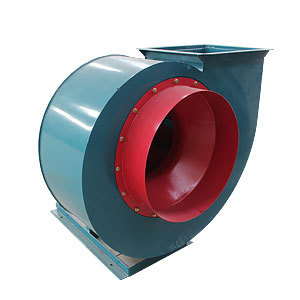
Firstly, the impeller has uneven dust accumulation or severe wear. The impeller of the cyclone dust collector is exposed to dusty airflow for a long time. If the dust viscosity is high, it is easy to accumulate unevenly on the surface of the impeller, causing the center of gravity of the impeller to shift and generating centrifugal vibration during operation; Meanwhile, long-term dust erosion can cause impeller wear, further exacerbating vibration.
Secondly, unstable equipment installation, loose foundation bolts, deformed brackets, and other installation issues can result in unstable equipment operation, leading to vibration.
Thirdly, unstable airflow and excessive fluctuations in the flow rate of dusty airflow at the inlet can lead to increased internal airflow impact and cause shell vibration in the equipment. In addition, faults in supporting equipment such as motors may also transmit vibrations and require synchronous troubleshooting.
(3) Severe dust entrainment at the exhaust outlet
The serious dust entrainment at the exhaust port is essentially a manifestation of incomplete dust separation, which is not only related to the decrease in dust removal efficiency, but also to other special factors. For example, if the internal airflow of the equipment is short circuited, and the internal structure design of the dust collector is unreasonable, or if the airflow channel is changed due to component deformation, dust accumulation, or blockage, some dusty airflow will flow directly from the inlet to the outlet without undergoing a complete centrifugal separation process, resulting in a large amount of dust being carried and discharged. In addition, the inner wall of the dust removal cylinder is severely worn. When there are pits or damages on the cylinder wall, it will disrupt the rotation trajectory of the airflow, affecting the separation effect of dust particles. At the same time, the damaged parts may also cause air leakage, further exacerbating the problem of dust entrainment.
(4) Equipment corrosion and wear
Corrosion and wear are common problems faced by cyclone dust collectors during long-term operation, which directly affect the structural strength and service life of the equipment. The corrosion problem mainly stems from the presence of acidic, alkaline and other corrosive gases or dust in the treated dusty airflow, especially under high temperature and high humidity conditions, the corrosion rate will significantly accelerate, commonly found in parts such as shells, ash hoppers, flanges, etc. Wear and tear are mainly caused by the continuous erosion of the inner wall, inlet pipeline, impeller and other parts of the equipment by high concentration and high hardness dust particles driven by the airflow. Among them, the wear phenomenon is more severe in areas with high airflow velocity such as inlet bends and conical bottoms.
(5) Ash removal device malfunction
The ash discharge device is a key component to ensure the normal operation of the cyclone dust collector, and its faults mainly manifest as unsmooth ash discharge, ash leakage, and jamming. The unsmooth unloading of ash is often due to the high viscosity and humidity of dust, which can cause clumping and blockage of the ash discharge outlet in the ash hopper;
Leakage of ash may be caused by aging or wear of the sealing components of the ash discharge valve, or insufficient fit between the valve disc and the valve seat;
The problem of jamming is usually caused by foreign objects entering the ash discharge valve, wear and deformation of internal parts, and other reasons. If the ash discharge device fails and is not dealt with in a timely manner, it will cause the ash hopper to accumulate and overflow, seriously affecting the operation of the equipment.
2、 Daily inspection items for cyclone dust collector
(1) Daily inspection items
1. Monitoring of operating parameters: Regularly check the inlet airflow flow rate, pressure, temperature and other parameters to confirm whether they are within the design range. If there are parameter fluctuations, promptly investigate the reasons to avoid affecting dust removal efficiency due to abnormal parameters.
2. Equipment operation status inspection: By listening to the sound and looking at the appearance, check whether there are any abnormal vibrations or noises in the equipment, whether there are air leaks or dust leaks at the shell and flange connections, and promptly deal with any problems found.
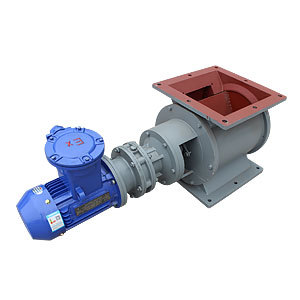
3. Operation inspection of ash discharge device: Observe the operation status of the ash discharge valve to confirm whether the ash discharge is smooth, whether there is any jamming or leakage, and at the same time check whether the motor of the ash discharge valve is running normally and whether there is any overheating phenomenon.
4. Ash accumulation inspection of ash hopper: Check the ash accumulation situation of the ash hopper to avoid blockage caused by excessive ash accumulation. If the ash accumulation reaches the preset threshold, arrange for timely cleaning to ensure smooth ash discharge channels.
5. Sealing performance inspection: Focus on checking the sealing condition of the inlet and outlet, flange connection surface, maintenance door and other parts of the equipment. If aging or damage to the sealing components is found, they should be replaced in a timely manner to prevent air leakage from affecting the operation effect.
(2) Weekly inspection items
1. Cleaning and inspection of impeller: Open the equipment maintenance port and check the dust accumulation on the surface of the impeller. If there is a lot of dust accumulation, clean it in a timely manner; At the same time, check whether the impeller is worn or deformed. If any problems are found, repair or replace it in a timely manner.
2. Pipeline connection inspection: Check the connection status of the inlet and outlet pipelines, confirm whether the pipelines are firm, whether there is damage or leakage, whether there is dust accumulation or blockage in the pipelines, and if there is blockage, clean it up in a timely manner.
3. Motor and transmission component inspection: Check the operating temperature and vibration of the motor, check whether the transmission belt, chain and other components are loose or worn, adjust or replace them in a timely manner, and ensure the stable operation of the transmission system.
4. Inspection of anti-corrosion coating: Check the anti-corrosion coating on the equipment shell, ash hopper and other parts. If the coating is found to be peeling or cracking, timely repair treatment should be carried out to prevent equipment corrosion.
(3) Monthly inspection items
1. Equipment structural integrity inspection: Conduct a comprehensive inspection of the equipment's shell, brackets, ash hopper and other structural components to confirm whether there are any deformation, cracking, weld detachment and other problems. If structural defects are found, reinforcement or maintenance should be carried out in a timely manner.
2. Dust removal efficiency testing: By using professional instruments to detect the dust concentration at the outlet of the equipment, evaluate whether the dust removal efficiency meets the requirements. If the efficiency decreases, identify the cause based on common problems and take targeted measures.
3. Comprehensive maintenance of ash discharge device: Disassemble and inspect the ash discharge valve, clean up internal dust and foreign objects, check the wear of valve plates, seals, bearings and other parts, replace aging and damaged parts in a timely manner, and ensure the reliable operation of the ash discharge device.
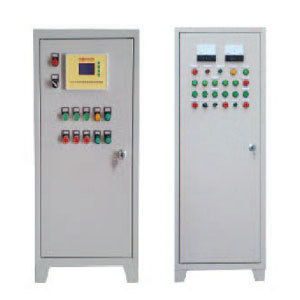
4. Electrical system inspection: Check the wiring, contactors, relays, and other components inside the electrical control cabinet to confirm whether the connections are secure, whether there is aging or damage, and at the same time test the effectiveness of electrical protection devices to ensure the safe operation of the electrical system.
5. Inspection of foundation and fixed components: Check whether the equipment foundation has settled or cracked, whether the fixing bolts are loose or corroded, tighten or replace the bolts in a timely manner, and ensure that the equipment is installed firmly.
(4) Inspection precautions
During daily inspections, it is necessary to strictly follow the equipment operating procedures and it is strictly prohibited to disassemble and repair the equipment while it is in operation; Before inspection, safety precautions should be taken and protective equipment should be worn; For the problems found during the inspection, they should be promptly recorded and a rectification plan should be formulated, with clear responsibilities and deadlines for rectification, to avoid the accumulation of problems that may affect the normal operation of the equipment. At the same time, a comprehensive inspection file should be established to record inspection data, fault conditions, maintenance measures, etc. in detail, providing data support for the long-term operation and maintenance of equipment.
The stable operation of a cyclone dust collector relies on standardized daily operation and system inspection and maintenance. By promptly identifying and resolving common issues during operation, and strictly implementing daily inspection items, not only can the dust removal efficiency of equipment be effectively improved and the service life of equipment be extended, but operating costs and safety risks can also be reduced. In the actual operation and maintenance process, the inspection frequency and focus should be flexibly adjusted based on factors such as the specific working conditions and operating time of the equipment, to ensure that the equipment is always in the best operating state and provide reliable guarantees for dust control in industrial production.
Hot Tags:


Contact Us
Tel:
WeChat:
WhatsApp:
E-mail:
Address:
338 National Road South, Longfengdian Village, Botou City, Hebei Province, China
JiuznTomine is expertly delivering technically complicated projects in markets & provides custom solutions for their customized need.


CONTACT INFO
Tel: +86 18531710311
WeChat: +86-18531710311
338 National Road South, Longfengdian Village, Botou City, Hebei Province, China