











Operation and Maintenance Specification for Filter Cartridge Dust Collector and Filter Element Replacement
Dec 16,2025

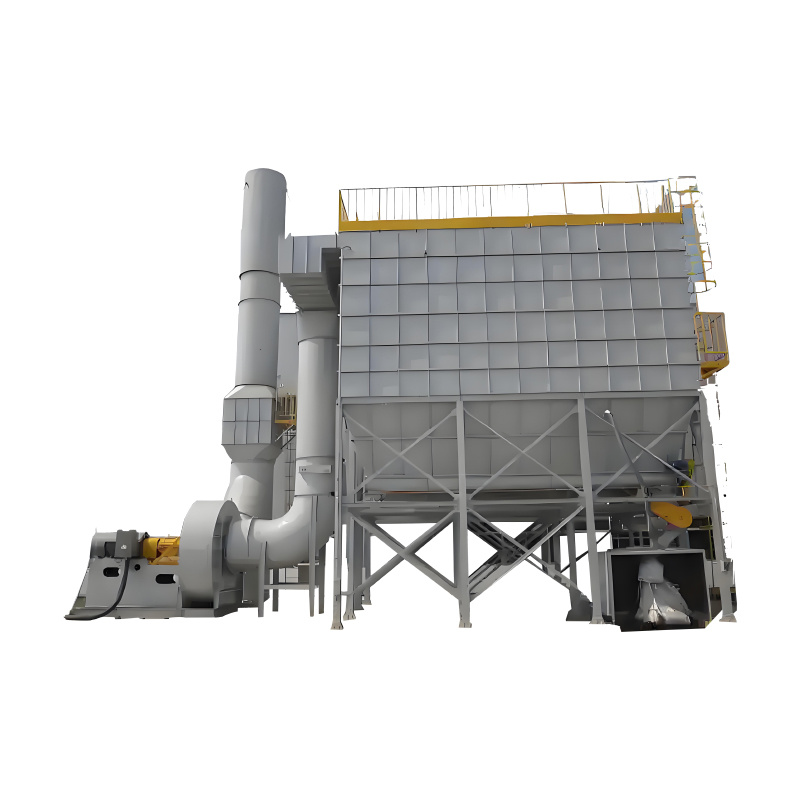
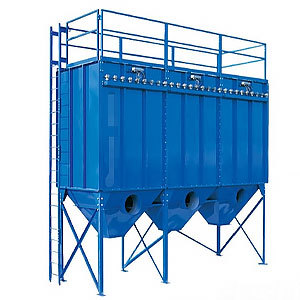
The filter cartridge dust collector is widely used in dust control in foreign trade industrial scenes due to its efficient filtration and compact structure. Its operational stability and filtration efficiency directly rely on scientific operation and maintenance, as well as standardized filter replacement operations. For overseas users, clarifying standardized processes can not only extend equipment lifespan, but also ensure continuous compliance with environmental emissions standards and avoid production risks caused by improper operation.
1、 Daily operation and maintenance: Building a solid foundation for stable equipment operation
The core of daily operation and maintenance is "prevention first", which detects potential problems in a timely manner through high-frequency and lightweight inspections. It is necessary to establish a daily inspection ledger, focusing on the following three aspects:
1. Monitoring of operating parameters
Use equipment pressure gauges, differential pressure gauges, and other instruments to record the pressure difference before and after the filter cartridge. Under normal operating conditions, the initial pressure difference is usually between 500-800Pa. When the pressure difference rises to 1500-2000Pa, the dust cleaning program needs to be initiated;
If the pressure difference suddenly rises or drops, it may be due to damage to the filter cartridge, seal failure, or fan malfunction, and the machine should be stopped immediately for troubleshooting. At the same time, monitor the operating temperature of the equipment and control it within a safe range based on the filter material - such as polyester filter cartridges not exceeding 120 ℃ and PTFE filter cartridges not exceeding 240 ℃, to avoid carbonization of the filter material caused by high temperatures.
2. Appearance and sealing status inspection
Check the sealing condition of the equipment casing, maintenance door, and flange connection every day. If dust leakage is found, tighten the bolts or replace the sealing strip in a timely manner. Observe whether there are any abnormal bulges or deformations on the surface of the filter cartridge, and whether the cleaning nozzle is aligned with the center of the filter cartridge to avoid incomplete cleaning due to nozzle displacement. For outdoor installed equipment, it is necessary to check whether the rain cover and heat dissipation device are intact to prevent rainwater infiltration or high temperature environment from affecting equipment operation.
3. Auxiliary system operation inspection
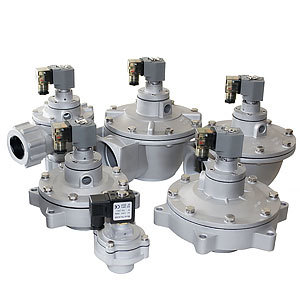
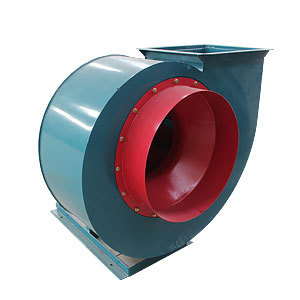
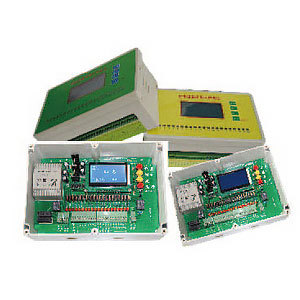
The dust cleaning system is a key focus of operation and maintenance, and it is necessary to confirm whether the pulse valve is flexible in action, whether the injection pressure is stable, and whether there is any air leakage or abnormal noise in components such as solenoid valves and cylinders. If there is abnormal vibration or noise during the operation of the fan, it is necessary to check the lubrication condition of the bearings and regularly replenish special lubricating oil to ensure that the fan speed meets the design requirements. The electrical control system needs to check whether the circuit joints are loose and whether the PLC control program is normal to avoid equipment shutdown due to electrical faults.
2、 Regular maintenance: Deepen maintenance to extend equipment life
On the basis of daily inspections, it is necessary to carry out in-depth maintenance on a periodic basis. It is recommended to develop plans on a weekly, monthly, and quarterly basis, with specific contents as follows:
1. Weekly maintenance focus
Conduct a comprehensive inspection of the dust cleaning system, remove impurities from the pulse valve, and test whether the spraying time and interval are reasonable - usually the spraying time is 0.1-0.2 seconds, with an interval of 10-30 seconds, which can be adjusted according to the dust concentration. Clean up the accumulated ash in the equipment ash hopper, check the operation status of the ash discharge valve, and avoid blocking the discharge port with ash bridging. Gently blow the surface of the filter cartridge with compressed air to remove any attached floating dust. Pay attention to maintaining a distance of 30-50cm between the nozzle and the filter cartridge to avoid damaging the filter material.
2. Monthly maintenance focus
Disassemble and inspect the solenoid valve and diaphragm of the dust cleaning system. If aging or damage is found, they should be replaced in a timely manner. Check if the fixing parts of the filter cartridge are loose, inspect each filter cartridge one by one, and record the surface wear, holes, and other conditions. Clean the dust and dirt inside the equipment, check for corrosion and deformation of the casing, and perform rust prevention treatment on the metal components. Verify pressure, temperature and other monitoring instruments to ensure accurate data. If the error exceeds ± 5%, calibration or replacement is required.
3. Focus on quarterly maintenance
Perform comprehensive maintenance on the fan, disassemble and inspect the impeller and bearings, remove surface dust, and replace aged lubricating grease. Check the insulation performance of the electrical system, test the logical accuracy of the PLC control system, and ensure that the program linkage for cleaning and unloading is normal. According to the operating environment of the equipment, evaluate the performance of the filter cartridge. If the filtration efficiency decreases by more than 20%, even if it is not yet the replacement cycle, it is necessary to plan for replacement in advance.
3、 Filter replacement operation specification: Ensuring the core link of filtration efficiency
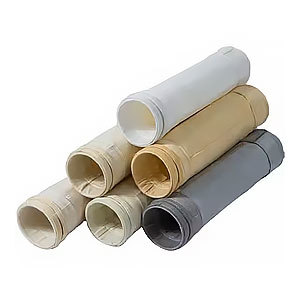
The filter element is the core component of the filter cartridge dust collector. The replacement operation must strictly follow the process to avoid affecting the filtration effect or damaging the equipment due to improper operation. The replacement cycle is usually 3-12 months, depending on the dust concentration, particle hardness, and filter material. When the pressure difference continues to exceed the standard, the filter cartridge is damaged, and the filtration efficiency significantly decreases, it needs to be replaced immediately.
1. Preparation before replacement
Firstly, shut down and cut off the power supply of the equipment, turn off the fan and related auxiliary system valves, and ensure that the equipment is in a pressure free state. Prepare specialized tools and spare filter cartridges, verify that the model and size of the spare filter cartridge are consistent with the original filter cartridge, and ensure that the filter material is suitable for the working conditions. Set up warning signs around the equipment, clear obstacles in the work area, and establish temporary dust prevention measures to avoid dust dispersion during replacement.
2. Replacement operation steps
The first step is to open the maintenance door and use compressed air to blow away the floating dust inside the equipment, reducing dust pollution during replacement.
The second step is to loosen the fixing bolts or buckles of the filter element, paying attention to dismantling in the order of "top to bottom, outside to inside", to avoid the filter element tipping over and causing dust to scatter. During the disassembly process, handle with care to prevent dust leakage from damaged filter elements. Place the waste filter element in a sealed bag for further processing.
Step three, clean the installation seat and sealing surface of the filter element, remove dust and debris, check if the sealing groove is intact, and replace the sealing strip if necessary.
Step four, install the new filter element to ensure that it fits tightly with the mounting seat. Tighten the fixing bolts to the specified torque to avoid damaging the filter element due to over tightening or sealing failure due to over loosening. The installation sequence is opposite to the disassembly, ensure that all filter elements are installed in place, close the access door and lock it.
3. Check and debug after replacement
After the replacement is completed, conduct a no-load test run first, start the equipment and monitor the pressure difference changes. The initial pressure difference should be restored to the normal range. Check if there is any dust leakage at the installation site of the maintenance door and filter element. If there is a leakage, it needs to be re tightened. After running for 30 minutes, detect the dust concentration at the outlet of the equipment and confirm that it meets the environmental standards of the target market. Finally, update the equipment maintenance ledger to record information such as replacement time, filter type, and operator, providing a basis for subsequent operation and maintenance.
4、 Common problem handling for operation, maintenance, and replacement
1. The pressure difference is still high after replacing the filter element: it may be due to poor sealing during installation or incorrect filter element model. It is necessary to recheck the installation status and filter element parameters, and replace the adaptive filter element if necessary.
2. Premature damage to the filter element: This is often due to high cleaning pressure or high hardness of dust particles. It is necessary to reduce the blowing pressure to below 0.4 MPa or replace the wear-resistant filter element.
3. Dust leakage during equipment operation: Check whether the sealing strip is aging and whether the maintenance door bolts are loose. Replace the sealing strip in a timely manner and tighten the bolts to ensure reliable sealing.
Standardized operation and maintenance, as well as filter element replacement, are the key to maximizing the efficiency of the filter cartridge dust collector. For overseas users, establishing standardized operating procedures can not only reduce equipment failure rates, but also ensure the stability of environmental compliance and provide reliable dust control guarantees for the production process. It is recommended to develop a maintenance plan that is suitable for one's own working conditions based on the equipment manual and local environmental regulations, in order to achieve long-term and stable operation of the equipment.
Hot Tags:


Contact Us
Tel:
WeChat:
WhatsApp:
E-mail:
Address:
338 National Road South, Longfengdian Village, Botou City, Hebei Province, China
JiuznTomine is expertly delivering technically complicated projects in markets & provides custom solutions for their customized need.


CONTACT INFO
Tel: +86 18531710311
WeChat: +86-18531710311
338 National Road South, Longfengdian Village, Botou City, Hebei Province, China