












Winter factory dust collector operation and maintenance: do a good job of insulation and antifreeze to ensure stable operation
Nov 29,2025
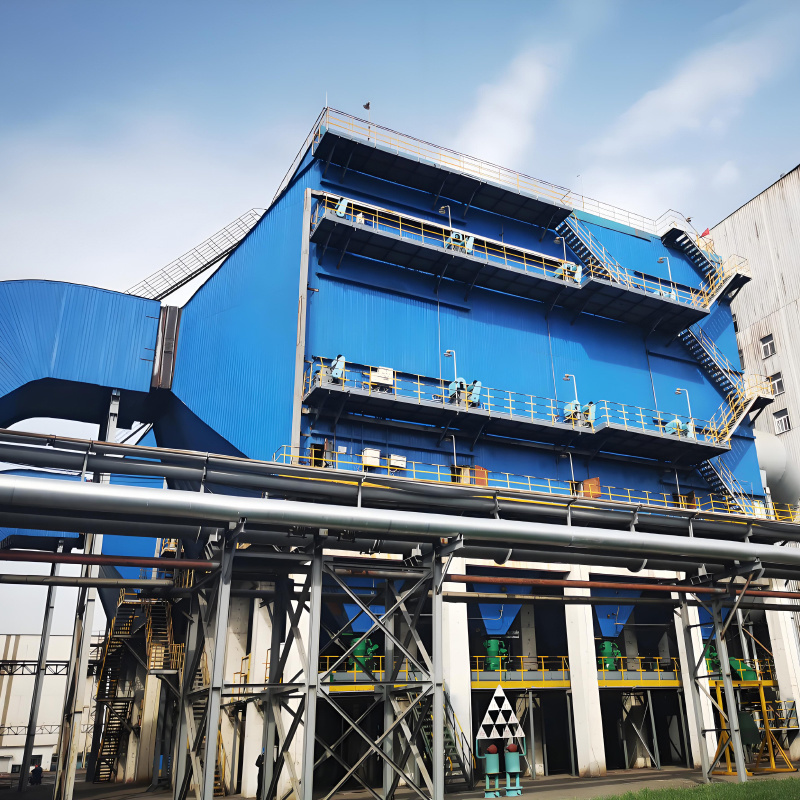
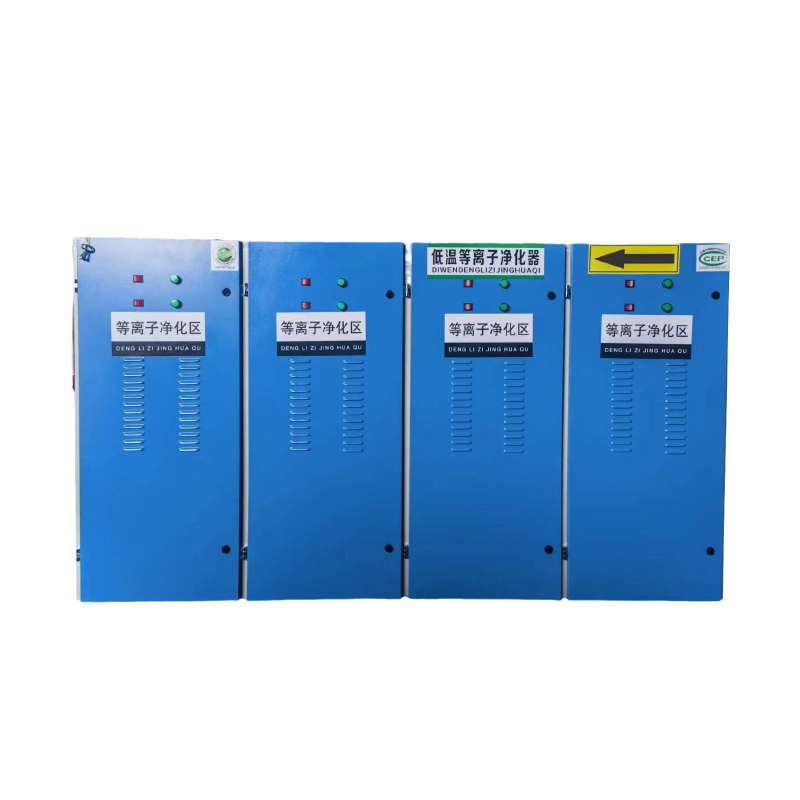
Entering winter, low temperature environments can easily cause problems such as condensation, freezing, and component failure in dust collectors, especially in high latitude areas overseas or areas with large temperature differences between day and night, where the risk of failure significantly increases. The core of winter dust collector operation and maintenance is "insulation, anti condensation, anti freezing, and anti damage". By focusing on key links, it is possible to avoid downtime losses and environmental violations caused by low temperatures.
1、 First, clarify the risks: the three major hazards of low temperature to dust collectors
Winter dust collector failures are mostly caused by a chain reaction of "temperature below dew point", and identifying risks in advance can accurately prevent and control them:
1. Filter material condensation paste bag: Dust containing flue gas condenses into water when encountering low-temperature filter materials, and the dust adheres to form hard blocks, resulting in a sudden increase in pressure difference, dust cleaning failure, and a reduction of filter material life by more than 50%;
2. Pipeline and ash hopper icing: Dust and water mix and freeze on the inner wall of the pipeline and the bottom of the ash hopper, blocking the discharge port and air duct, causing equipment overload;
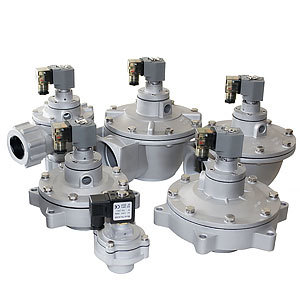
3. Electrical component failure: Low temperature causes the diaphragm of the pulse valve to harden, the control instrument to crash, and the compressed air pipeline to accumulate water and freeze, directly interrupting the operation of the dust cleaning system.
2、 Core insulation: Three key areas must be adequately protected
Insulation is not a comprehensive package, but focuses on areas that are prone to contact with cold air and condensation. The material selection should be suitable for the local low temperature level
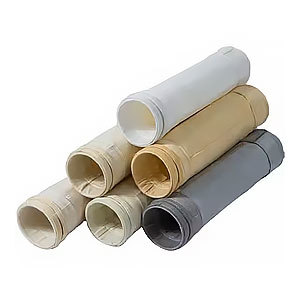
1. Filter cartridge/bag chamber: The anti condensation core area is wrapped with rock wool (temperature resistant -20 ℃ to 400 ℃) or polyurethane insulation board (density ≥ 40kg/m ³) to wrap the shell, with a thickness of not less than 50mm; the joints are sealed with sealing tape to prevent cold air from penetrating. In cold regions (below -30 ℃), electric heat tracing plates can be installed inside the insulation layer, with a temperature set at 10-15 ℃, to prevent the temperature of the filter material from falling below the dew point.
2. Inlet and exhaust ducts: To prevent blockage, the outer wall of the key duct should be wrapped with an electric heat tracing tape (selected from temperature limiting type to avoid local overheating), and then wrapped with a glass wool insulation layer. The outer layer should be fixed with aluminum foil cloth for waterproofing. The insulation thickness should be increased to 80mm at bends and reducers, and the electrical status of the heat tracing belt should be checked regularly to prevent dust from freezing and accumulating inside the pipeline.
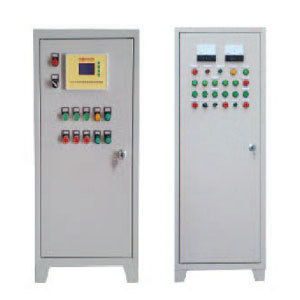
3. Ash hopper and electrical cabinet: Anti icing and anti freezing. Install a low-frequency vibration heating device at the bottom of the ash hopper, with a temperature controlled at 5-10 ℃, to avoid dust icing and bridging; Install a constant temperature heater (power 500-1000W) on the electrical cabinet to ensure that the temperature inside the cabinet is not lower than 5 ℃, especially for precision components such as pulse controllers and sensors that require separate protection.
3、 Anti freezing operation and maintenance: 4 practical tips for daily operation
Insulation is the foundation, and daily operation and maintenance adjustments can further reduce the risk of failure. The operation is simple and easy to implement:
1. Daily drainage of compressed air pipelines: Before starting up, open the drain valves of the air storage tank and filter to thoroughly drain the condensed water; During low temperature periods, discharge once every 2 hours to avoid pipeline icing and blockage of the pulse valve.
2. Adjust the cleaning parameters: shorten the cleaning interval (such as from 15 minutes to 8 minutes), reduce the blowing pressure (0.3-0.4MPa), and reduce condensation caused by temperature fluctuations in the filter material; If the flue gas temperature is too low, the preheating device can be temporarily turned on (if not available, the fan speed can be increased appropriately).
3. Strengthen inspection focus: check daily whether the insulation layer is damaged and whether the heat tracing device is heating up normally; Touch the outer wall of the pipeline and ash hopper with your hands. If there are any cooling or frosting points, repair the insulation layer in a timely manner.
4. Thoroughly protect after shutdown: For short-term shutdowns (1-3 days), the heat tracing device should be kept running and the dust in the ash hopper should be emptied; Long term shutdown requires dismantling the filter material, drying and storing it, blowing the pipeline clean with compressed air, and closing all valves to prevent cold air from entering.
4、 Adaptation to foreign trade scenarios: emphasis on different low-temperature regions
Overseas factories need to combine local climate adjustment measures to avoid a one size fits all approach:
1. In cold regions (Northern Europe): Priority should be given to using cold resistant pulse valve membranes (resistant to -40 ℃), and anti frost breathable valves should be installed in electrical cabinets;
2. Temperate and humid regions (Western Europe): Focus on preventing nighttime condensation, and install humidity sensors in the filter room to automatically start heating when exceeding the standard;
3. High altitude and low temperature areas (factories around the Qinghai Tibet Plateau): Due to low air pressure causing a decrease in boiling point, it is necessary to increase the thickness of the insulation layer to 100mm and set the heat tracing temperature to 15-20 ℃.
The core of winter dust collector insulation and antifreeze is to "do insulation in advance and conduct daily inspections". Without the need for complex modifications, by ensuring the insulation and protection of the filter chamber, pipelines, and ash hopper, combined with simple operation and maintenance adjustments, low-temperature faults can be effectively avoided, ensuring the continuous and stable operation of equipment in winter, and safeguarding the dual bottom line of environmental protection and production.
Hot Tags:
PREVIOUS:


Contact Us
Tel:
WeChat:
WhatsApp:
E-mail:
Address:
338 National Road South, Longfengdian Village, Botou City, Hebei Province, China
JiuznTomine is expertly delivering technically complicated projects in markets & provides custom solutions for their customized need.


CONTACT INFO
Tel: +86 18531710311
WeChat: +86-18531710311
338 National Road South, Longfengdian Village, Botou City, Hebei Province, China