











Selection of Small Bag Dust Collectors: Guidelines for Air Volume Matching and Energy Consumption Control
Nov 10,2025

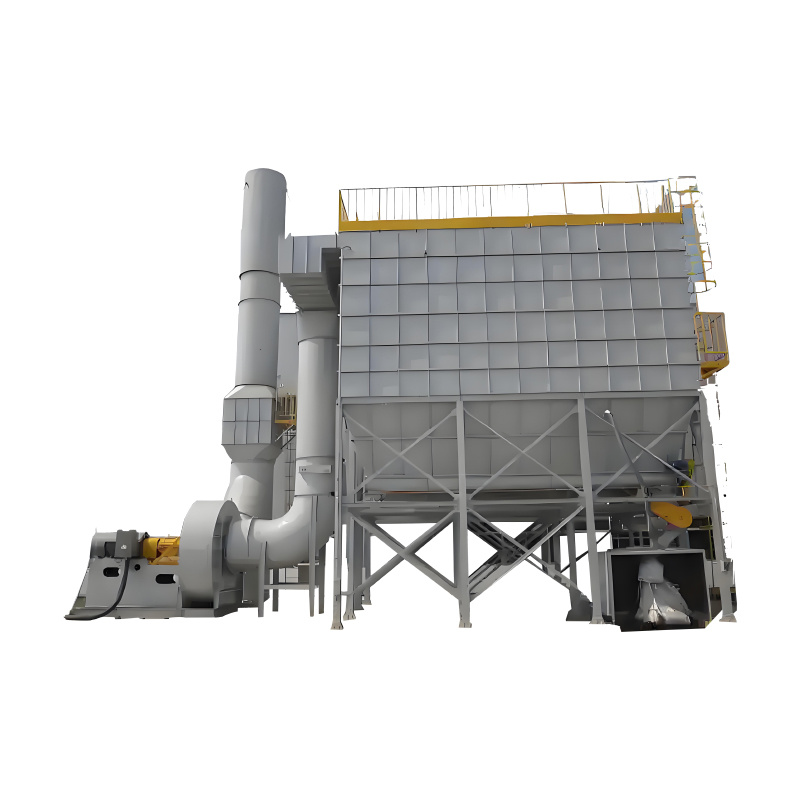
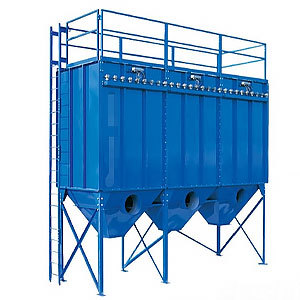
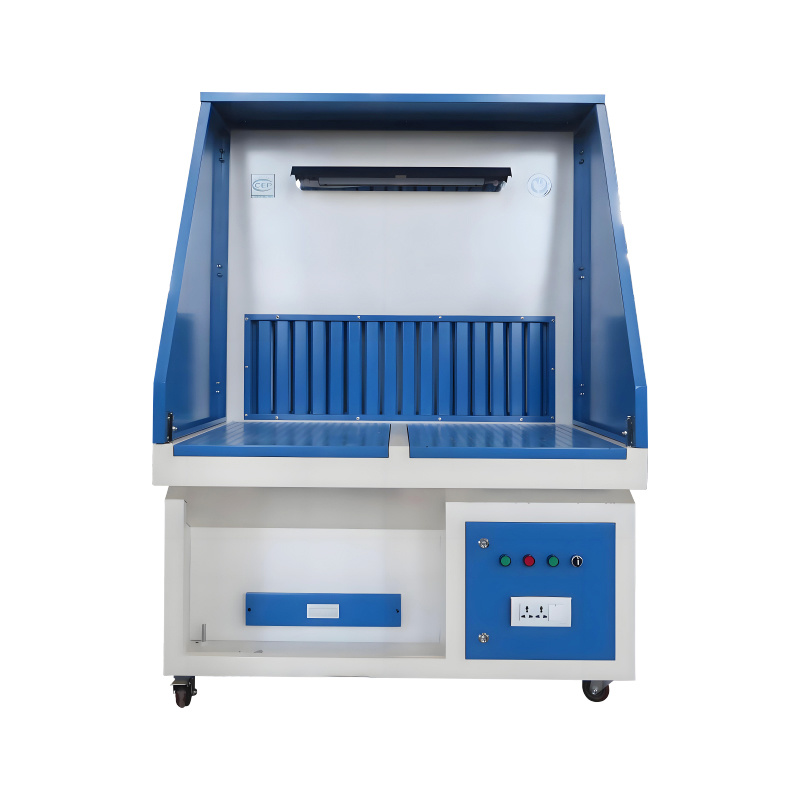
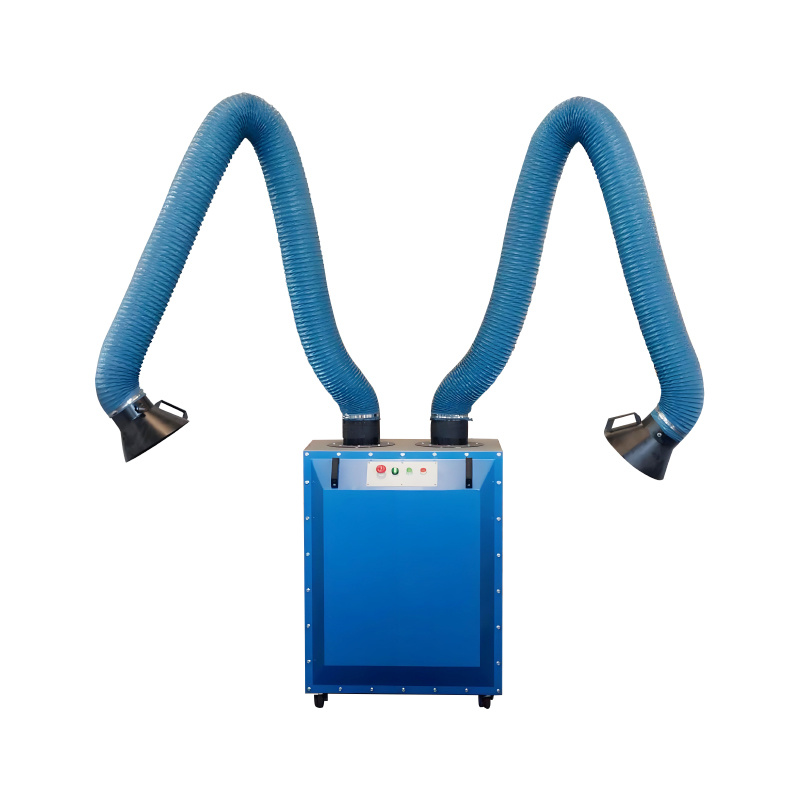
Small bag filter is widely used in small factories, laboratories, and single machine equipment matching scenarios. Its selection core lies in "precise air volume matching" and "reasonable energy consumption control" - the imbalance between the two can lead to insufficient dust removal efficiency, high operating costs, and even shorten the service life of the equipment. From the perspective of technology adaptation, this paper disassembles the key logic of model selection to provide an objective and practical reference for industrial scenarios.
1、 Air volume matching: the core prerequisite for selection
The air volume is the core parameter of a small bag filter, which needs to be calculated and determined based on actual working conditions. It cannot be "a big horse pulling a small car" or "a small horse pulling a big car".
3 key factors for air volume calculation
Handling space and air exchange rate: For enclosed workshops, the air exchange rate is calculated at 10-15 times per hour. For open workstations, the calculation is based on expanding the dust diffusion range by 20% to ensure that dust does not escape.
Dust production: Based on the equipment's dust production intensity (such as the hourly dust production of small grinders and crushers), reserve 10% -15% air volume redundancy to cope with dust production fluctuations.
Correction of flue gas temperature: High temperature flue gas (>80 ℃) should be corrected according to the principle of "3% increase in air volume for every 10 ℃ increase in temperature" to avoid insufficient gas expansion and post-treatment capacity caused by high temperature.
2. The impact of air volume deviation
Excessive air volume: The load on the fan increases, resulting in a 20% -30% increase in energy consumption. At the same time, the filter bag filters air at a too fast speed, leading to increased wear and reduced lifespan by over 50%.
Low air volume: incomplete dust capture, excessive dust concentration in the workshop, rapid accumulation of dust on the surface of the filter bag, sudden increase in resistance, increased frequency of dust cleaning, further energy consumption.
3. Selection reference: Wind volume adaptation for common scenarios
Small laboratory: equipped with a single fume hood, with an air volume of 1000-2000m ³/h;
Single machine polishing equipment: small metal polishing machine, with an air volume of 2000-3000m ³/h;
Small batching workshop: with an area of less than 50 square meters and an air volume of 3000-5000m ³/h.
2、 Energy consumption control: implicit key in selection
The energy consumption of small bag filter mainly comes from the operation of the fan and the dust cleaning system. When selecting, it is necessary to optimize the technical parameters to achieve "efficient dust removal+low consumption operation".
1. Fan selection: Suitable for air volume and resistance
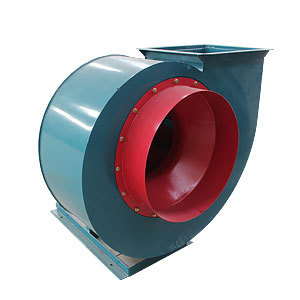
Priority should be given to variable frequency fans: the speed can be dynamically adjusted according to the dust concentration, and the speed can be reduced under low dust conditions, saving 25% -35% energy consumption compared to fixed frequency fans.
Fan pressure matching: Select based on system resistance (normal operating resistance 800-1200Pa), with 15% -20% pressure redundancy reserved to avoid air volume attenuation caused by insufficient pressure.
2. Filter material selection: reduce operating resistance
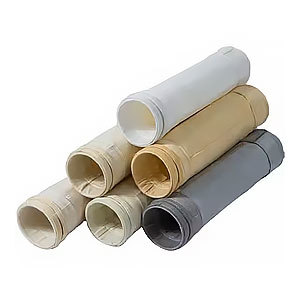
Prioritize the use of laminated filter materials: with a smooth surface, dust is less likely to penetrate into the interior of the filter material, and the operating resistance is 30% -40% lower than that of ordinary filter materials, resulting in a corresponding reduction in fan energy consumption.
Filter material adaptation conditions: Polyester coated filter material is selected for normal temperature drying scenarios, and acrylic coated filter material is selected for high temperature (<120 ℃) scenarios to avoid abnormal resistance caused by improper selection of filter materials.
3. Optimization of dust cleaning system: reduce ineffective energy consumption
Selection of cleaning method: For small equipment, pulse blowing cleaning is preferred, with a single blowing time of 0.1-0.2 seconds, which saves 40% of compressed air consumption compared to reverse blowing cleaning.
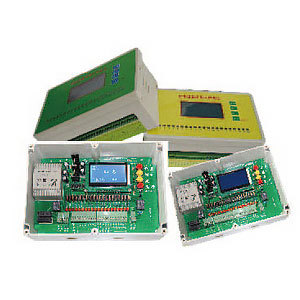
Dust cleaning parameter setting: triggering dust cleaning based on resistance (starting when resistance>1500Pa), rather than fixed time dust cleaning, to avoid ineffective spraying under low resistance conditions.
3、 Selection precautions: Balancing adaptability and practicality
1. Adaptation and correction of working conditions
High humidity scenario: Choose waterproof membrane filter material and install ash hopper heating device to avoid dust agglomeration and increase resistance, indirectly increasing energy consumption;
Corrosion scenario: The shell is made of 304 stainless steel, and the filter material is made of PTFE film to prevent equipment corrosion from affecting sealing and avoid energy waste caused by air leakage.
2. Installation and space matching
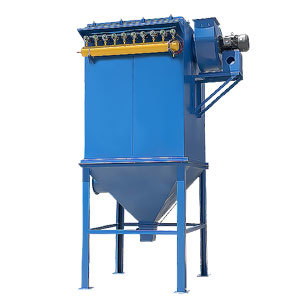
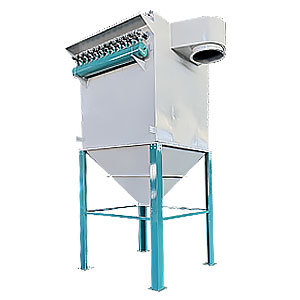
Vertical models are preferred for small workshops, occupying 40% less space than horizontal models, while reducing the length of air ducts (the longer the air duct, the greater the resistance and energy consumption);
Duct design: The wind speed is controlled at 12-18m/s to avoid too many bends and reduce resistance along the way.
3. Consideration of operational convenience
Filter bag replacement: Choose a quick release structure that can be replaced without the need for professional tools, reducing downtime;
Ash hopper design: Choose a conical ash hopper with a tilt angle of ≥ 45 ° to avoid dust accumulation, reduce manual cleaning frequency, and lower hidden operation and maintenance costs.
The core of selecting a small bag filter is "precise matching" - the air volume is adapted to the working conditions, and energy consumption control is achieved through technical parameter optimization. When selecting, there is no need to pursue "big parameters", but to comprehensively judge based on actual dust production, spatial conditions, and working conditions, in order to achieve long-term low consumption operation while ensuring dust removal effect. This selection logic not only meets the practical needs of industrial production, but also reduces the full lifecycle operating costs for users.
Hot Tags:


Contact Us
Tel:
WeChat:
WhatsApp:
E-mail:
Address:
338 National Road South, Longfengdian Village, Botou City, Hebei Province, China
JiuznTomine is expertly delivering technically complicated projects in markets & provides custom solutions for their customized need.


CONTACT INFO
Tel: +86 18531710311
WeChat: +86-18531710311
338 National Road South, Longfengdian Village, Botou City, Hebei Province, China