











Maximizing Dust Removal Efficiency: The Role of Pulse Controllers in Industrial Equipment
Apr 29,2026
Maximizing Dust Removal Efficiency: The Role of Pulse Controllers in Industrial Equipment
Table of Contents
1. Introduction to Pulse Controllers and Dust Removal Equipment
2. Understanding Pulse Controllers in Dust Removal Systems
3. The Importance of Efficient Dust Removal in Industrial Settings
4. How Pulse Controllers Operate: A Deeper Look
5. Key Benefits of Using Pulse Co
Maximizing Dust Removal Efficiency: The Role of Pulse Controllers in Industrial Equipment
Table of Contents
- 1. Introduction to Pulse Controllers and Dust Removal Equipment
- 2. Understanding Pulse Controllers in Dust Removal Systems
- 3. The Importance of Efficient Dust Removal in Industrial Settings
- 4. How Pulse Controllers Operate: A Deeper Look
- 5. Key Benefits of Using Pulse Controllers in Dust Removal Equipment
- 6. Real-World Applications: Case Studies of Enhanced Efficiency
- 7. Common Misconceptions About Pulse Controllers
- 8. Maintenance and Optimization for Enhanced Performance
- 9. Frequently Asked Questions (FAQs)
- 10. Conclusion: The Future of Dust Removal with Pulse Controllers
1. Introduction to Pulse Controllers and Dust Removal Equipment
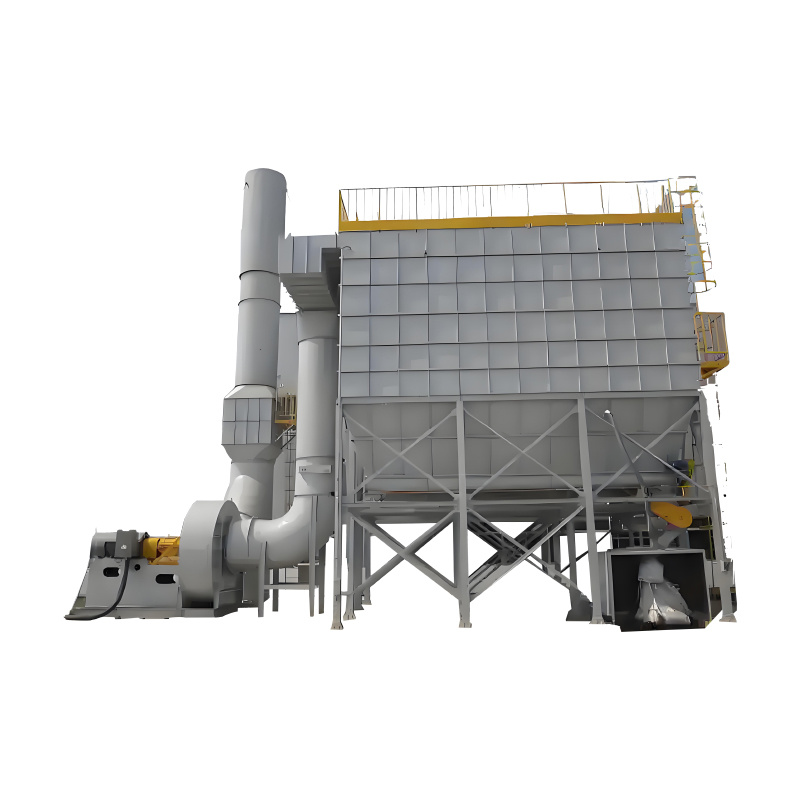
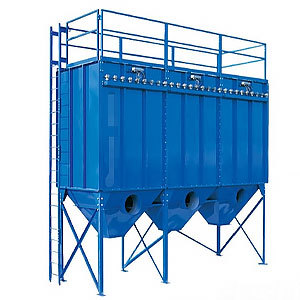
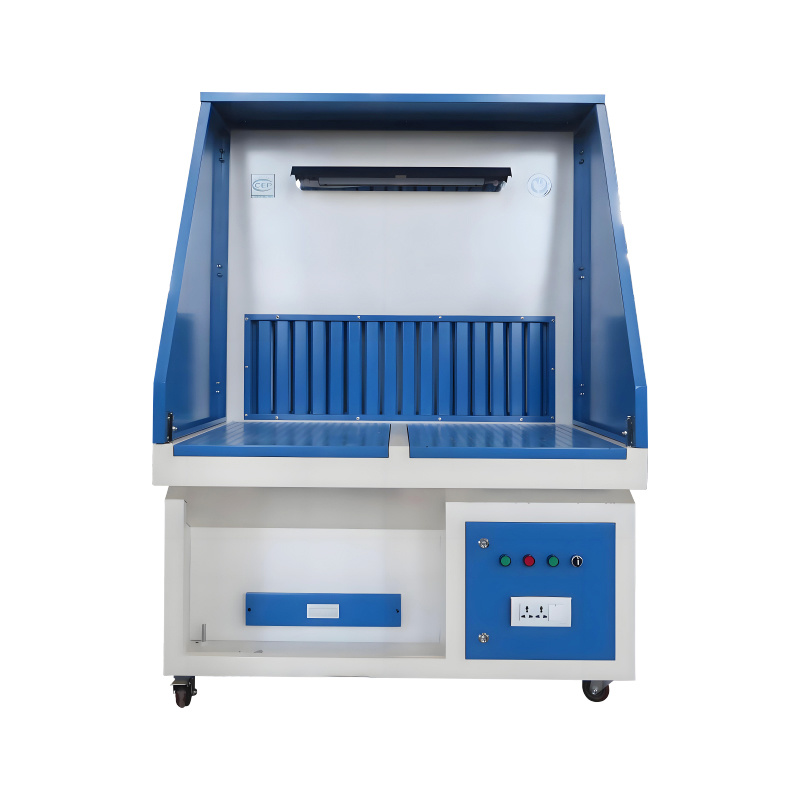
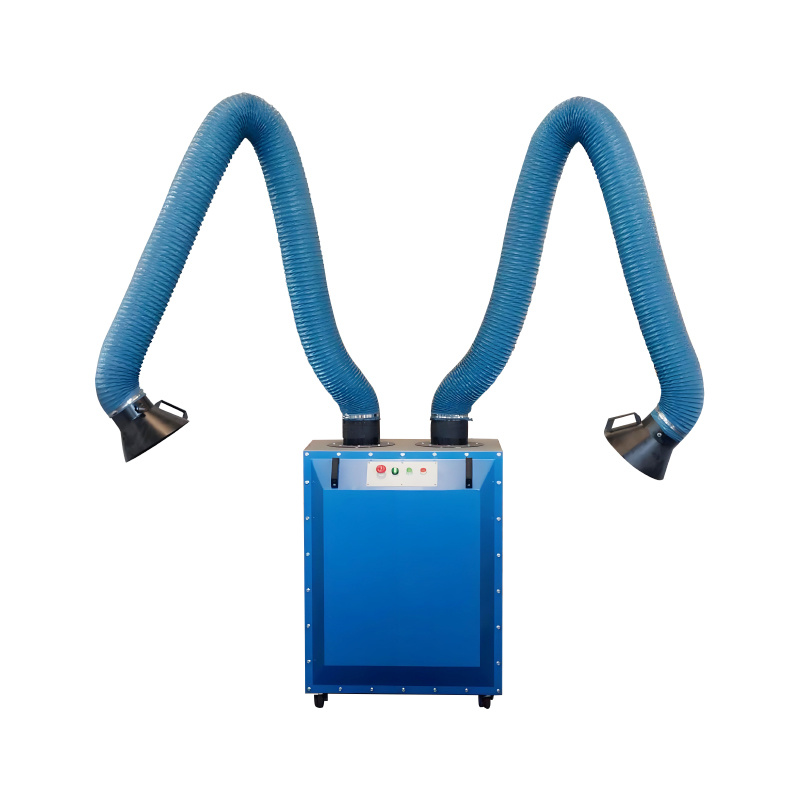
In the ever-evolving industrial landscape, the efficiency of dust removal systems has become paramount for ensuring environmental compliance and operational productivity. Dust removal equipment is critical in various industries, from manufacturing to construction. The integration of **pulse controllers** has significantly advanced the effectiveness of these systems. This article delves into how pulse controllers enhance the efficiency of dust removal equipment, exploring their mechanics, benefits, and real-world applications.
2. Understanding Pulse Controllers in Dust Removal Systems
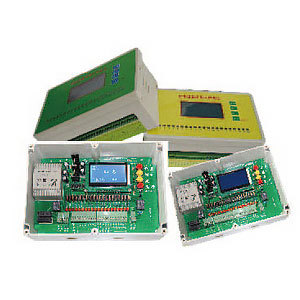
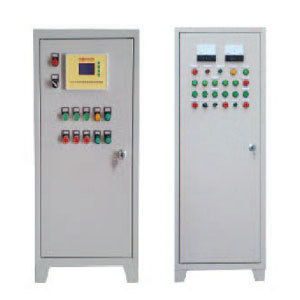
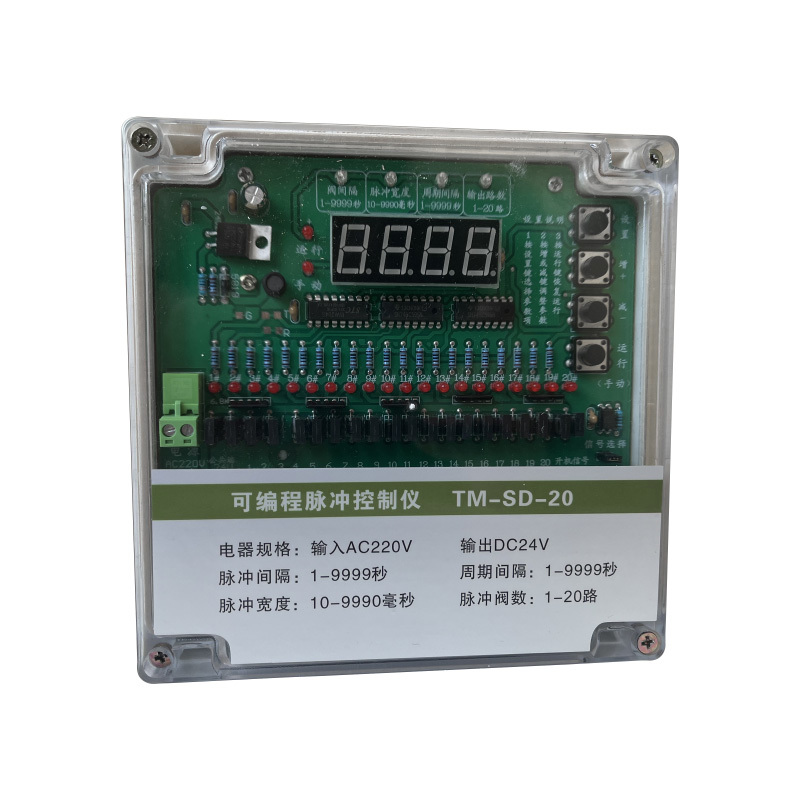
Pulse controllers are specialized devices designed to regulate the operation of dust collection systems. By managing the timing and intensity of air pulses that dislodge dust from filter surfaces, these controllers optimize the dust removal process. The pulse controller's role is pivotal in maintaining **filter performance** and prolonging the lifespan of dust collection filters.
How Pulse Controllers Function
At the core of a pulse controller’s operation is its ability to monitor and adjust air pressure. When dust accumulates on filter media, air pressure drops, signaling the controller to initiate a pulse of compressed air. This pulse dislodges the dust, allowing it to fall into a collection hopper, thereby maintaining optimal airflow and filter efficiency.
3. The Importance of Efficient Dust Removal in Industrial Settings
The significance of high-efficiency dust removal cannot be overstated. Excessive dust can lead to numerous operational issues, including decreased productivity, equipment wear, and health hazards for employees. Efficient dust removal systems contribute to:
- **Worker Health and Safety**: By minimizing airborne particulate matter, effective dust removal promotes a safer working environment, reducing health risks associated with respiratory diseases.
- **Equipment Longevity**: Dust accumulation can cause machinery to malfunction or wear prematurely. A well-functioning dust removal system ensures that equipment operates smoothly and has a longer operational life.
- **Regulatory Compliance**: Many industries face strict regulations regarding dust emissions. Efficient dust removal helps companies adhere to these regulations, avoiding potential fines and legal issues.
4. How Pulse Controllers Operate: A Deeper Look
Pulse controllers operate on a set cycle, often utilizing a programmable logic controller (PLC) to automate the dust removal process. The following aspects illustrate their operational mechanics:
Real-Time Monitoring
Pulse controllers utilize sensors that continuously monitor the differential pressure across the filter media. When the pressure reaches a predetermined level, indicating dust buildup, the controller activates a pulse cleaning cycle.
Pulse Duration and Frequency
The pulse controller adjusts the duration and frequency of the cleaning pulses based on the amount of dust collected. This adaptability ensures that the filter media remains efficient without unnecessary energy expenditure.
Integration with Other Systems
Modern pulse controllers can be integrated with building management systems for comprehensive environmental control. This integration allows for real-time data analysis and optimization of dust collection processes, further enhancing efficiency.
5. Key Benefits of Using Pulse Controllers in Dust Removal Equipment
The adoption of pulse controllers in dust removal systems brings numerous advantages:
Enhanced Filter Life
By dislodging dust efficiently, pulse controllers minimize the need for frequent filter replacements, significantly saving on maintenance costs.
Energy Efficiency
Automated cleaning cycles reduce energy consumption compared to manual cleaning methods or continuous operation, leading to lower operational costs.
Improved Air Quality
Efficient dust removal enhances indoor air quality, contributing to a healthier work environment and boosting employee productivity.
Reduced Downtime
With improved efficiency and filter maintenance, the downtime associated with cleaning or replacing filters is drastically reduced.
6. Real-World Applications: Case Studies of Enhanced Efficiency
Several industries have successfully implemented pulse controllers in their dust removal systems, yielding remarkable results:
Case Study 1: Manufacturing Sector
In a large manufacturing facility, the integration of pulse controllers reduced dust buildup on filters by 40%, leading to a 25% increase in overall air quality and a significant reduction in filter replacement costs.
Case Study 2: Woodworking Industry
A woodworking company utilized pulse controllers to manage sawdust collection. The outcome was a more efficient collection process that cut energy costs by 30% and improved worker safety by minimizing airborne particles.
7. Common Misconceptions About Pulse Controllers
Despite their advantages, several misconceptions about pulse controllers persist:
Myth 1: Pulse Controllers Are Only for Large Operations
While larger facilities benefit significantly, pulse controllers can be integrated into smaller operations, enhancing efficiency regardless of scale.
Myth 2: They Require Extensive Maintenance
Pulse controllers are designed for ease of use and require minimal maintenance, particularly when compared to traditional dust removal methods.
8. Maintenance and Optimization for Enhanced Performance
To maximize the benefits of pulse controllers, regular maintenance and optimization are crucial:
Routine Diagnostics
Conduct regular diagnostics to ensure sensors and controllers are functioning correctly. This proactive approach detects issues before they escalate.
Calibration of Sensors
Periodically calibrate sensors to maintain accurate monitoring of pressure differentials. This ensures the pulse controller operates effectively and efficiently.
Training for Personnel
Investing in training for personnel responsible for operating and maintaining dust removal systems is essential. Understanding the technology behind pulse controllers empowers employees to optimize performance.
9. Frequently Asked Questions (FAQs)
1. What is a pulse controller, and how does it work?
A pulse controller regulates the air pulses used to clean filter media in dust removal systems, optimizing performance and efficiency.
2. How do pulse controllers improve dust removal efficiency?
By automating the cleaning process and adapting to dust accumulation, pulse controllers enhance filter performance and prolong their lifespan.
3. Are pulse controllers suitable for small businesses?
Yes, pulse controllers can be effectively implemented in businesses of all sizes, improving dust collection efficiency.
4. What maintenance is required for pulse controllers?
Regular diagnostics, sensor calibration, and employee training are essential for maintaining pulse controller performance.
5. Can pulse controllers help with regulatory compliance?
Yes, efficient dust removal facilitated by pulse controllers ensures adherence to environmental regulations, preventing potential fines.
10. Conclusion: The Future of Dust Removal with Pulse Controllers
The integration of **pulse controllers** in dust removal equipment represents a significant advancement in industrial efficiency and effectiveness. By optimizing the cleaning process and enhancing filter performance, these controllers not only contribute to improved air quality and worker safety but also offer substantial cost savings through reduced maintenance and energy consumption. As industries continue to prioritize operational efficiency and compliance, the role of pulse controllers will undoubtedly become increasingly critical in the realm of dust removal. Embracing this technology is not merely an option but a necessary step towards a cleaner, safer, and more efficient industrial future.
Hot Tags:
PREVIOUS:

Contact Us
Tel:
WeChat:
WhatsApp:
E-mail:
Address:
338 National Road South, Longfengdian Village, Botou City, Hebei Province, China
JiuznTomine is expertly delivering technically complicated projects in markets & provides custom solutions for their customized need.


CONTACT INFO
Tel: +86 18531710311
WeChat: +86-18531710311
338 National Road South, Longfengdian Village, Botou City, Hebei Province, China