












Understanding Explosion-Proof Control Cabinets: Essential Insights for Professionals
May 01,2026
Explosion-proof control cabinets are vital components in environments where flammable gases, vapors, or dust may present a risk of ignition. Designed to prevent internal explosions from igniting external hazardous atmospheres, these cabinets are indispensable in industries such as oil and gas, chemical manufacturing, and mining. Understanding the features and operational principles of explosion-pr

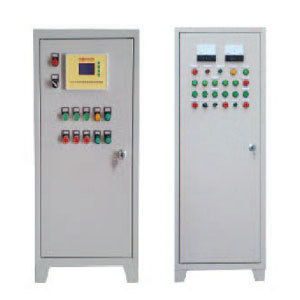
Explosion-proof control cabinets are vital components in environments where flammable gases, vapors, or dust may present a risk of ignition. Designed to prevent internal explosions from igniting external hazardous atmospheres, these cabinets are indispensable in industries such as oil and gas, chemical manufacturing, and mining. Understanding the features and operational principles of explosion-proof control cabinets can significantly enhance safety and compliance in your workplace.
First and foremost, explosion-proof control cabinets are constructed with robust materials that can withstand high pressures and temperatures. The design often includes sealed enclosures that prevent the escape of ignition sources. These cabinets are rigorously tested to meet international safety standards, ensuring they can withstand potential explosive conditions without compromising internal electronics or control systems.
One of the critical features of explosion-proof control cabinets is their ability to house electrical components safely. This includes circuit breakers, relays, and control switches that operate machinery in hazardous environments. The cabinets often come equipped with special explosion-proof fittings and locking mechanisms to enhance safety and prevent unauthorized access. It's essential to ensure that all components used within these cabinets are also explosion-proof rated to maintain overall safety.
In terms of installation, professionals must follow strict guidelines to ensure optimal performance. Proper grounding and bonding are crucial to prevent static discharge, which could ignite flammable materials. Additionally, the placement of explosion-proof control cabinets should consider airflow and potential sources of ignition to minimize risk.
Regular maintenance is another essential aspect of operating explosion-proof control cabinets. Routine inspections help identify wear and tear, ensuring that seals remain intact and components function correctly. Keeping thorough maintenance records can assist in compliance with safety regulations and facilitate troubleshooting when issues arise.
Furthermore, training personnel in the proper use and maintenance of explosion-proof control cabinets is critical. Employees should understand the unique risks associated with hazardous locations and how to operate the cabinets safely. This includes recognizing warning signs of potential failures and knowing emergency protocols.
In conclusion, explosion-proof control cabinets are integral to maintaining safety in hazardous environments. Their design, construction, and operational guidelines serve to protect both personnel and equipment from the dangers of ignition in volatile atmospheres. For professionals in the hardware and safety tool industry, understanding these aspects can lead to improved safety practices and compliance, ultimately contributing to a safer workplace.
First and foremost, explosion-proof control cabinets are constructed with robust materials that can withstand high pressures and temperatures. The design often includes sealed enclosures that prevent the escape of ignition sources. These cabinets are rigorously tested to meet international safety standards, ensuring they can withstand potential explosive conditions without compromising internal electronics or control systems.
One of the critical features of explosion-proof control cabinets is their ability to house electrical components safely. This includes circuit breakers, relays, and control switches that operate machinery in hazardous environments. The cabinets often come equipped with special explosion-proof fittings and locking mechanisms to enhance safety and prevent unauthorized access. It's essential to ensure that all components used within these cabinets are also explosion-proof rated to maintain overall safety.
In terms of installation, professionals must follow strict guidelines to ensure optimal performance. Proper grounding and bonding are crucial to prevent static discharge, which could ignite flammable materials. Additionally, the placement of explosion-proof control cabinets should consider airflow and potential sources of ignition to minimize risk.
Regular maintenance is another essential aspect of operating explosion-proof control cabinets. Routine inspections help identify wear and tear, ensuring that seals remain intact and components function correctly. Keeping thorough maintenance records can assist in compliance with safety regulations and facilitate troubleshooting when issues arise.
Furthermore, training personnel in the proper use and maintenance of explosion-proof control cabinets is critical. Employees should understand the unique risks associated with hazardous locations and how to operate the cabinets safely. This includes recognizing warning signs of potential failures and knowing emergency protocols.
In conclusion, explosion-proof control cabinets are integral to maintaining safety in hazardous environments. Their design, construction, and operational guidelines serve to protect both personnel and equipment from the dangers of ignition in volatile atmospheres. For professionals in the hardware and safety tool industry, understanding these aspects can lead to improved safety practices and compliance, ultimately contributing to a safer workplace.
Hot Tags:
PREVIOUS:


Contact Us
Tel:
WeChat:
WhatsApp:
E-mail:
Address:
338 National Road South, Longfengdian Village, Botou City, Hebei Province, China
JiuznTomine is expertly delivering technically complicated projects in markets & provides custom solutions for their customized need.


CONTACT INFO
Tel: +86 18531710311
WeChat: +86-18531710311
338 National Road South, Longfengdian Village, Botou City, Hebei Province, China