












Understanding Rotary Discharge Valves: Essential Components for Efficient Industrial Processes
Apr 27,2026
---
Rotary discharge valves are essential components in various industrial processes, particularly for handling bulk materials. These valves are designed to control the flow of materials, typically in powder or granular form, from a storage container to a processing system. The key function of a rotary discharge valve is to regulate the release of materials while maintaining an airtight seal, cruc

---
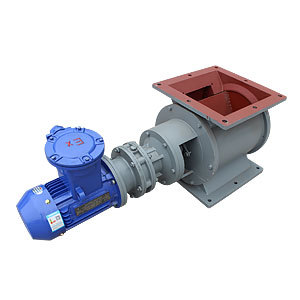
Rotary discharge valves are essential components in various industrial processes, particularly for handling bulk materials. These valves are designed to control the flow of materials, typically in powder or granular form, from a storage container to a processing system. The key function of a rotary discharge valve is to regulate the release of materials while maintaining an airtight seal, crucial for preventing contamination and ensuring operational efficiency.
The design of rotary discharge valves typically features a rotating element, often called a rotor, which is housed within a chamber. As the rotor turns, it creates pockets that fill with material and subsequently discharge it through an outlet. This mechanism allows for a continuous flow of materials, making rotary discharge valves ideal for applications requiring consistent feeding rates.
One of the primary advantages of rotary discharge valves is their ability to handle a wide range of materials, including those that are abrasive, sticky, or fragile. Their robust construction ensures longevity and reliability in demanding environments. Additionally, these valves can be equipped with various features such as pneumatic actuators, which enhance their efficiency and responsiveness to system demands.
Another significant benefit of rotary discharge valves is their contribution to dust control and material containment. By creating a seal when closed, they minimize the escape of fine particles into the atmosphere, which is vital for maintaining workplace safety and regulatory compliance. This is particularly important in industries such as food processing, pharmaceuticals, and chemical manufacturing, where hygiene and safety standards are paramount.
When selecting a rotary discharge valve, professionals should consider factors such as the type of material being handled, flow rate requirements, and the operational environment. For instance, industries dealing with corrosive substances may require valves made from specific materials to resist degradation. Additionally, the valve size and rotor design must align with the application’s flow characteristics to ensure optimal performance.
In conclusion, rotary discharge valves play a critical role in enhancing the efficiency and safety of industrial processes. By understanding their functionality and benefits, professionals can make informed choices that lead to improved material handling operations. Investing in high-quality rotary discharge valves can ultimately lead to significant cost savings and increased productivity, making them a valuable addition to any industrial setup.
Rotary discharge valves are essential components in various industrial processes, particularly for handling bulk materials. These valves are designed to control the flow of materials, typically in powder or granular form, from a storage container to a processing system. The key function of a rotary discharge valve is to regulate the release of materials while maintaining an airtight seal, crucial for preventing contamination and ensuring operational efficiency.
The design of rotary discharge valves typically features a rotating element, often called a rotor, which is housed within a chamber. As the rotor turns, it creates pockets that fill with material and subsequently discharge it through an outlet. This mechanism allows for a continuous flow of materials, making rotary discharge valves ideal for applications requiring consistent feeding rates.
One of the primary advantages of rotary discharge valves is their ability to handle a wide range of materials, including those that are abrasive, sticky, or fragile. Their robust construction ensures longevity and reliability in demanding environments. Additionally, these valves can be equipped with various features such as pneumatic actuators, which enhance their efficiency and responsiveness to system demands.
Another significant benefit of rotary discharge valves is their contribution to dust control and material containment. By creating a seal when closed, they minimize the escape of fine particles into the atmosphere, which is vital for maintaining workplace safety and regulatory compliance. This is particularly important in industries such as food processing, pharmaceuticals, and chemical manufacturing, where hygiene and safety standards are paramount.
When selecting a rotary discharge valve, professionals should consider factors such as the type of material being handled, flow rate requirements, and the operational environment. For instance, industries dealing with corrosive substances may require valves made from specific materials to resist degradation. Additionally, the valve size and rotor design must align with the application’s flow characteristics to ensure optimal performance.
In conclusion, rotary discharge valves play a critical role in enhancing the efficiency and safety of industrial processes. By understanding their functionality and benefits, professionals can make informed choices that lead to improved material handling operations. Investing in high-quality rotary discharge valves can ultimately lead to significant cost savings and increased productivity, making them a valuable addition to any industrial setup.
Hot Tags:
PREVIOUS:

Contact Us
Tel:
WeChat:
WhatsApp:
E-mail:
Address:
338 National Road South, Longfengdian Village, Botou City, Hebei Province, China
JiuznTomine is expertly delivering technically complicated projects in markets & provides custom solutions for their customized need.


CONTACT INFO
Tel: +86 18531710311
WeChat: +86-18531710311
338 National Road South, Longfengdian Village, Botou City, Hebei Province, China