













Butterfly Valve Standards and Certifications: Essential Insights for Industry Professionals
Apr 25,2026
Butterfly Valve Standards and Certifications: What You Should Know
Table of Contents
Understanding Butterfly Valves
Importance of Standards and Certifications
Key Standards for Butterfly Valves
Certifications Relevant to Butterfly Valves
Industry-Specific Certifications
Selecting the Right Valve Based on Standards
Changing Regulations and Their Impact
Future Trends in Butterfly Va

Butterfly Valve Standards and Certifications: What You Should Know
Table of Contents
- Understanding Butterfly Valves
- Importance of Standards and Certifications
- Key Standards for Butterfly Valves
- Certifications Relevant to Butterfly Valves
- Industry-Specific Certifications
- Selecting the Right Valve Based on Standards
- Changing Regulations and Their Impact
- Future Trends in Butterfly Valve Certifications
- Frequently Asked Questions
Understanding Butterfly Valves
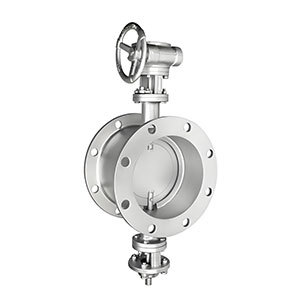
Butterfly valves
Importance of Standards and Certifications
Standards and certifications are vital in ensuring the safety, performance, and reliability of butterfly valves. They provide a framework for manufacturers, helping to establish minimum quality and performance requirements. Compliance with these standards not only enhances product credibility but also minimizes operational risks associated with valve failures. In addition, adherence to recognized certifications can lead to improved customer trust and satisfaction, ultimately influencing purchasing decisions in a competitive marketplace.
Key Standards for Butterfly Valves
Several key standards govern the design, manufacture, and testing of butterfly valves. Understanding these standards is essential for selecting the right product for your application:
1. API 609 (American Petroleum Institute)
This standard specifies the design and testing requirements for butterfly valves used in the petroleum and natural gas industries. It emphasizes performance, ensuring that valves can withstand high pressures and corrosive environments typical in these sectors.
2. ASME B16.34 (American Society of Mechanical Engineers)
This standard covers the design and construction of valves, including butterfly valves, ensuring they meet the necessary pressure-temperature ratings. Adhering to ASME B16.34 guarantees that the valve can operate safely under specified conditions.
3. ISO 5208 (International Organization for Standardization)
ISO 5208 outlines the testing of shut-off valves, including butterfly valves, which is crucial for ensuring their integrity and reliability in service. This standard helps manufacturers and users verify that the valves can effectively stop fluid flow and maintain system pressure.
4. MSS SP-67 (Manufacturers Standardization Society)
MSS SP-67 provides guidelines for the design and construction of butterfly valves used in various applications, focusing on performance and reliability. Compliance with this standard ensures that the valve meets industry expectations for durability and functionality.
Certifications Relevant to Butterfly Valves
Certification is an assurance that a product meets established standards and regulations. Several certifications are particularly relevant for butterfly valves:
1. CE Marking
The CE marking indicates compliance with European health, safety, and environmental protection standards. This certification is essential for products marketed within the European Economic Area (EEA), ensuring they meet stringent requirements.
2. UL Certification (Underwriters Laboratories)
UL certification signifies that a product has been tested and meets safety standards established by Underwriters Laboratories. While not specific to butterfly valves, UL certification can enhance the product's marketability and safety profile.
3. CSA Certification (Canadian Standards Association)
CSA certification is essential for products sold in Canada, confirming adherence to Canadian safety and performance standards. This certification can be particularly beneficial for companies looking to expand their market reach.
Industry-Specific Certifications
Certain industries require additional certifications for butterfly valves to ensure they meet specific operational standards:
1. FDA Compliance
For butterfly valves used in food and beverage industries, compliance with FDA regulations is mandatory. This certification ensures that the materials used in the valves are safe for contact with food and will not leach harmful substances.
2. NSF Certification (National Sanitation Foundation)
NSF certification is critical for valves utilized in drinking water applications, ensuring they meet public health and safety standards. This certification is often required for products coming into contact with potable water.
3. AWWA Standards (American Water Works Association)
The AWWA sets guidelines for valves used in water supply systems, including butterfly valves, emphasizing quality and performance. Compliance with AWWA standards is crucial for ensuring reliability in municipal water systems.
Selecting the Right Valve Based on Standards
When selecting a butterfly valve, consider the following factors related to standards and certifications:
1. Application Requirements
The specific application will dictate the standards and certifications necessary for the butterfly valve. Assess the operating environment, fluid types, and pressure requirements to determine the most relevant certifications.
2. Regulatory Compliance
Ensure that the selected valve complies with all applicable regulations in your industry. This may include certifications such as CE marking, FDA compliance, or NSF certification, depending on the valve's intended use.
3. Manufacturer Reputation
Choose a reputable manufacturer known for producing high-quality valves that meet industry standards and certifications. Research customer reviews and case studies to gauge the manufacturer’s reliability and the performance of their products.
Changing Regulations and Their Impact
The landscape of regulations surrounding butterfly valves is continuously evolving. Industry professionals must stay informed about changes to standards and certifications that may affect their operations. Here are some trends to monitor:
1. Stricter Environmental Regulations
As sustainability becomes a higher priority, new regulations may impose stricter requirements on valve materials and performance. Valve manufacturers will need to adapt to these changes to maintain compliance and market competitiveness.
2. Advances in Technology
Technological innovations may lead to new testing methods and standards for butterfly valves. Staying abreast of these advancements is crucial for ensuring that your products remain compliant and effective.
3. Global Market Standards
As businesses expand globally, familiarity with international standards will become increasingly important. Understanding different regulatory environments will help manufacturers and users navigate compliance in diverse markets.
Future Trends in Butterfly Valve Certifications
The future of butterfly valve certifications is likely to see various changes that will impact manufacturers and users alike. Here are some trends to watch:
1. Increased Focus on Sustainability
As industries shift towards sustainable practices, certifications that emphasize environmental responsibility will gain importance. Manufacturers may need to consider eco-friendly materials and energy-efficient designs to meet upcoming standards.
2. Enhanced Testing Protocols
Future certifications may require more rigorous testing protocols to ensure product reliability and safety. This shift will necessitate increased collaboration between manufacturers and certification bodies to develop comprehensive testing methodologies.
3. Integration of Smart Technologies
The incorporation of smart technologies into butterfly valve systems will likely lead to new certification standards. As IoT (Internet of Things) and automation play increasingly significant roles in industrial applications, standards will need to evolve to encompass these innovations.
Frequently Asked Questions
1. What are butterfly valves used for?
Butterfly valves are primarily used to control fluid flow in various industrial applications, including water treatment, chemical processing, and HVAC systems.
2. How do I know if a butterfly valve meets industry standards?
Check for relevant certifications and standards marks on the valve, such as API, ASME, ISO, and CE. Additionally, consult the manufacturer's documentation for detailed compliance information.
3. What is the difference between a certified and non-certified butterfly valve?
A certified butterfly valve has undergone rigorous testing and meets specific industry standards, ensuring its reliability and performance. Non-certified valves may not have been tested to the same standards and could pose risks in critical applications.
4. Are there specific certifications for food-grade butterfly valves?
Yes, food-grade butterfly valves should comply with FDA regulations and may also require NSF certification to ensure they are safe for contact with food and potable water.
5. How can I ensure the longevity of my butterfly valves?
Regular maintenance, including inspections and timely replacements of worn components, can significantly enhance the lifespan of butterfly valves. Additionally, selecting the right valve for your specific application is crucial for longevity.
Conclusion
Understanding the standards and certifications that govern butterfly valves is critical for industry professionals. Compliance with these regulations not only ensures the safety and reliability of valve operations but also enhances overall system performance. As the landscape of certifications evolves with technological advancements and increased focus on sustainability, staying informed will empower you to make the best decisions for your applications. By prioritizing quality and adhering to established standards, you can ensure that your butterfly valves perform optimally and contribute to the success of your operations.
Hot Tags:
PREVIOUS:
Contact Us
Tel:
WeChat:
WhatsApp:
E-mail:
Address:
338 National Road South, Longfengdian Village, Botou City, Hebei Province, China
JiuznTomine is expertly delivering technically complicated projects in markets & provides custom solutions for their customized need.


CONTACT INFO
Tel: +86 18531710311
WeChat: +86-18531710311
338 National Road South, Longfengdian Village, Botou City, Hebei Province, China